 For decades, discussions about Taiwan’s future have been dominated by the specter of invasion: amphibious landings, missile strikes, and regional escalation. Yet Beijing’s most effective path to control Taiwan may not run through the Taiwan Strait at all. It may instead unfold quietly, incrementally, and legally—through political influence, economic leverage, and psychological normalization. This would not be conquest in the classical sense, but absorption by pressure. Let me further elaborate this, and speculate how China could take Taiwan without a war.
Political Infiltration and Democratic Erosion
Taiwan’s greatest strength—its open, pluralistic democracy—is also its most exploitable vulnerability. Beijing does not need to overturn elections; it only needs to shape outcomes. This can be achieved through influence networks embedded in political parties, local governments, business associations, temples, and media outlets.
Over time, candidates favoring “stability,” “economic pragmatism,” or “dialogue with the mainland” can be promoted, funded indirectly, or amplified through coordinated messaging. None of this requires overt illegality. It relies on ambiguity, deniability, and the slow erosion of public trust in institutions.
A fractured political landscape—where voters grow cynical, turnout declines, and governance stalls—creates fertile ground for narratives that portray closer integration with China as inevitable, practical, or even desirable.
The goal is not immediate unification, but decision paralysis.
Economic Gravity as Strategic Weapon
Taiwan’s economy is deeply integrated into global supply chains, yet its exposure to China remains significant—especially in trade, tourism, and manufacturing. Beijing has repeatedly demonstrated its willingness to weaponize market access: selective bans, regulatory harassment, or sudden “health and safety” inspections that cripple targeted sectors.
Such measures are rarely framed as political retaliation. They are presented as technical or administrative decisions. The cumulative effect, however, is clear: businesses that align with Beijing thrive; those that resist suffer.
Over time, this creates a domestic constituency inside Taiwan—corporate leaders, exporters, logistics firms—who lobby their own government for accommodation. Economic dependence becomes political pressure, exerted from within.
This is not coercion by force, but by balance sheet.
Information Control and Narrative Fatigue
Beijing understands that wars are lost in minds long before they are lost on battlefields. Taiwan is subjected to a constant stream of disinformation, half-truths, and emotionally charged narratives designed to exhaust rather than persuade.
The message is repetitive and subtle: resistance is futile; allies are unreliable; neutrality is safer than defiance.
Social media amplification, content farms, AI-generated commentary, and sympathetic media outlets blur the line between genuine debate and coordinated influence. The objective is not to convince everyone, but to confuse enough people that consensus becomes impossible.
When citizens no longer know whom to trust, they disengage. And disengagement is strategic victory.
Legal and Institutional Normalization
Rather than forcing unification, Beijing could push for incremental agreements: trade frameworks, regulatory harmonization, transportation links, data-sharing protocols. Each agreement, on its own, appears harmless—even beneficial. Collectively, they align Taiwan’s systems ever closer to the mainland.
Joint committees, cross-strait arbitration mechanisms, and “temporary” coordination bodies slowly dilute sovereignty without formally ending it. Taiwan remains self-governing in name, but constrained in practice.
At that point, political autonomy becomes procedural, not substantive.
Diplomatic Isolation Without Shock
China does not need to convince the world that Taiwan belongs to it; it only needs to convince the world that Taiwan is not worth defending. By steadily reducing Taiwan’s diplomatic recognition, blocking participation in international organizations, and framing the issue as an “internal matter,” Beijing narrows the space for foreign intervention.
As global crises multiply, fatigue sets in. Taiwan becomes yesterday’s problem—complex, risky, and easily deferred.
When the cost of supporting Taiwan appears higher than the cost of silence, silence prevails.
The Quiet Endgame
A war over Taiwan would be catastrophic, unpredictable, and economically devastating—especially for China itself. A slow, quiet absorption avoids all of that. No sanctions shock. No battlefield images. No heroic resistance narrative.
Just a gradual shift in reality.
By the time a formal political resolution is proposed—perhaps a “new framework” or “special arrangement”—Taiwan may already be too economically dependent, too politically divided, and too internationally isolated to refuse.
The most effective conquest is the one that does not look like conquest at all.
I was prompted by a comment from Vittorio on an article I published a few days ago about the action the United States undertook in Venezuela (Link). Vittorio asked what might now happen between China and Taiwan, once the principles of international law have been so openly trampled (or even “Trump-led”) —first by Russia in Ukraine, and now by the United States as well.
My instinctive reply was that I foresee a “soft war” rather than a direct military action against Taiwan, and that thought has kept buzzing in my head ever since. This morning, I’m trying to be clearer and to better articulate how China might proceed—not by “eating the porcupine,” but by letting it slowly “cook over low heat.”
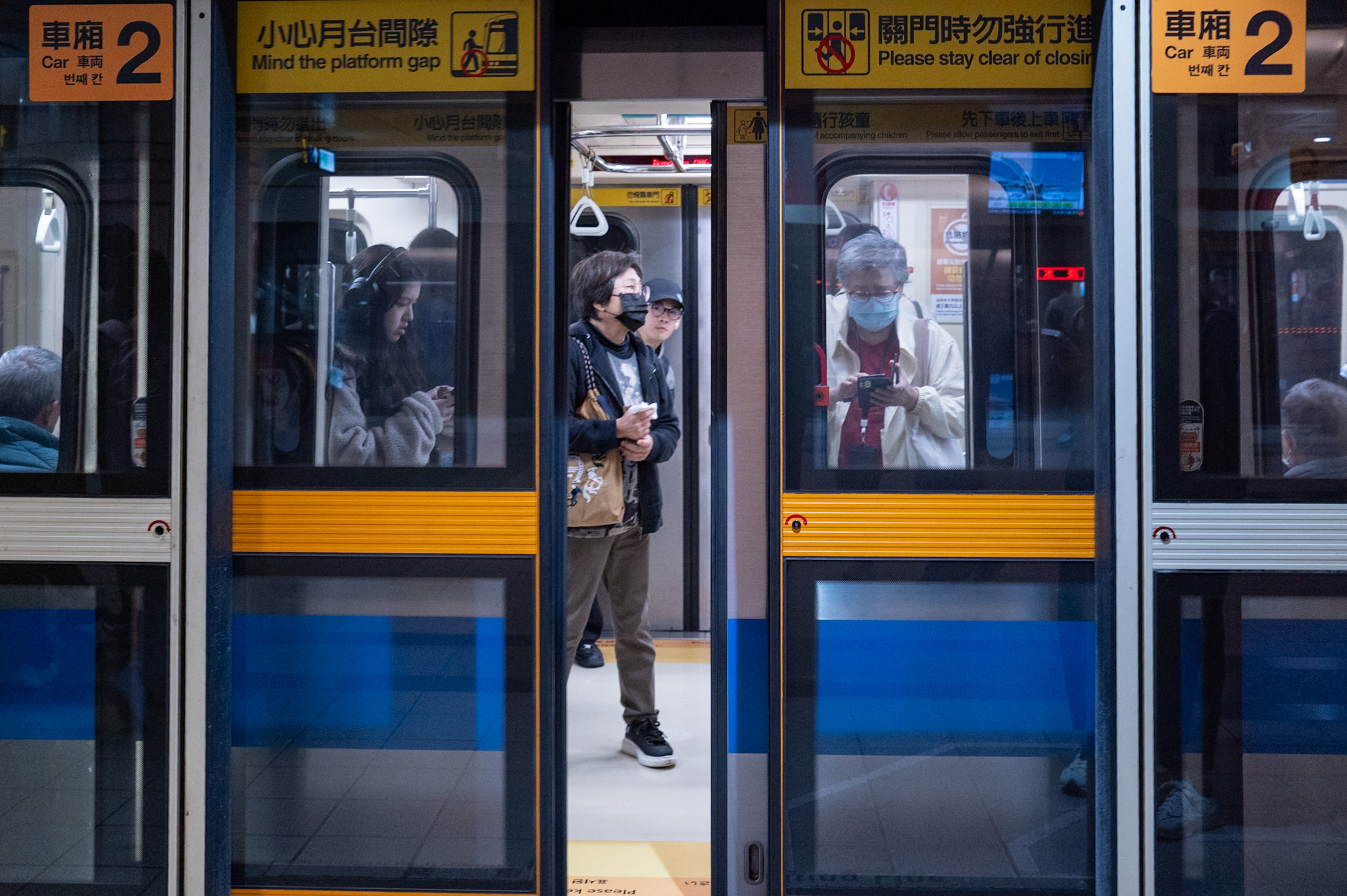
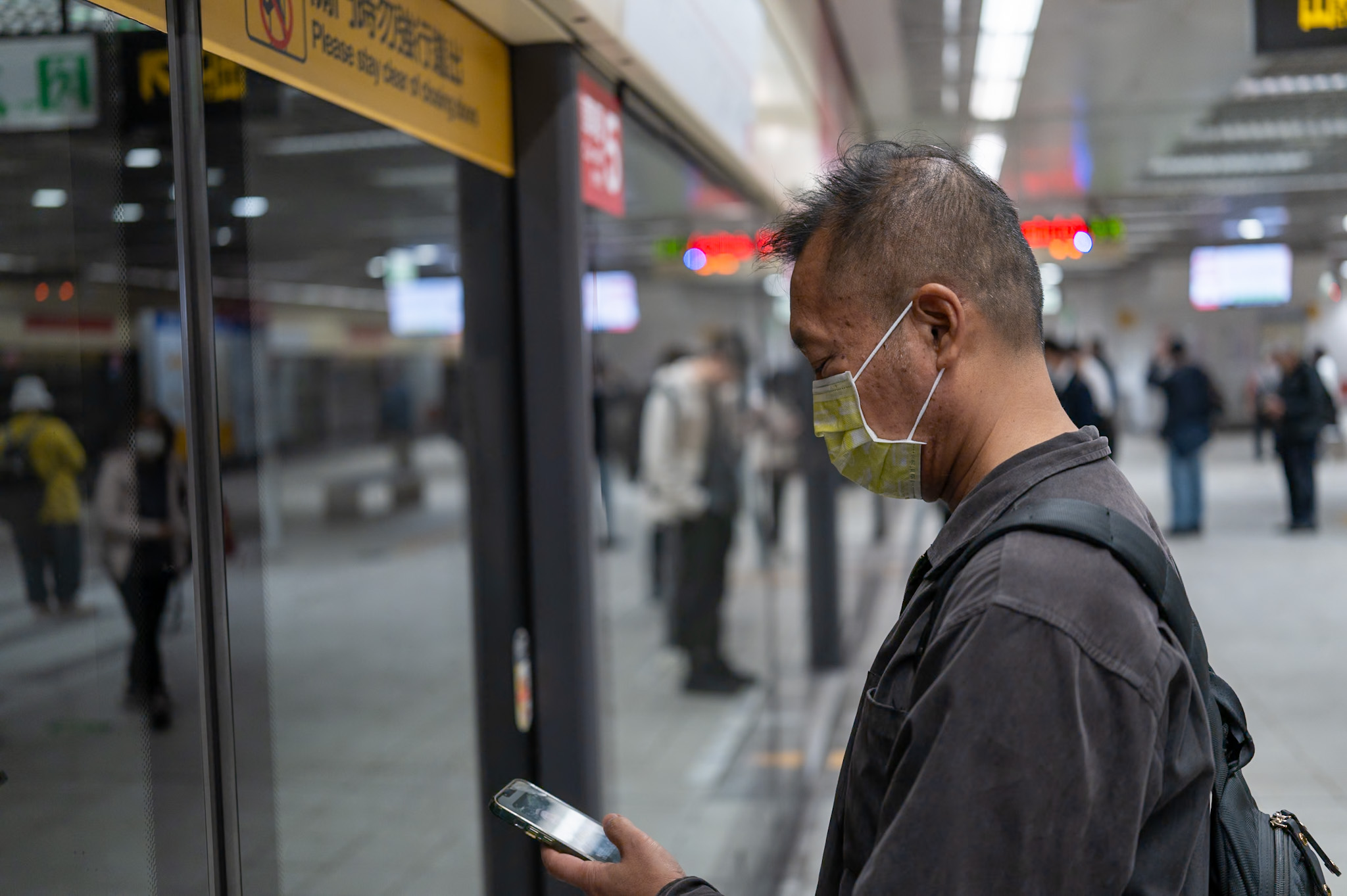
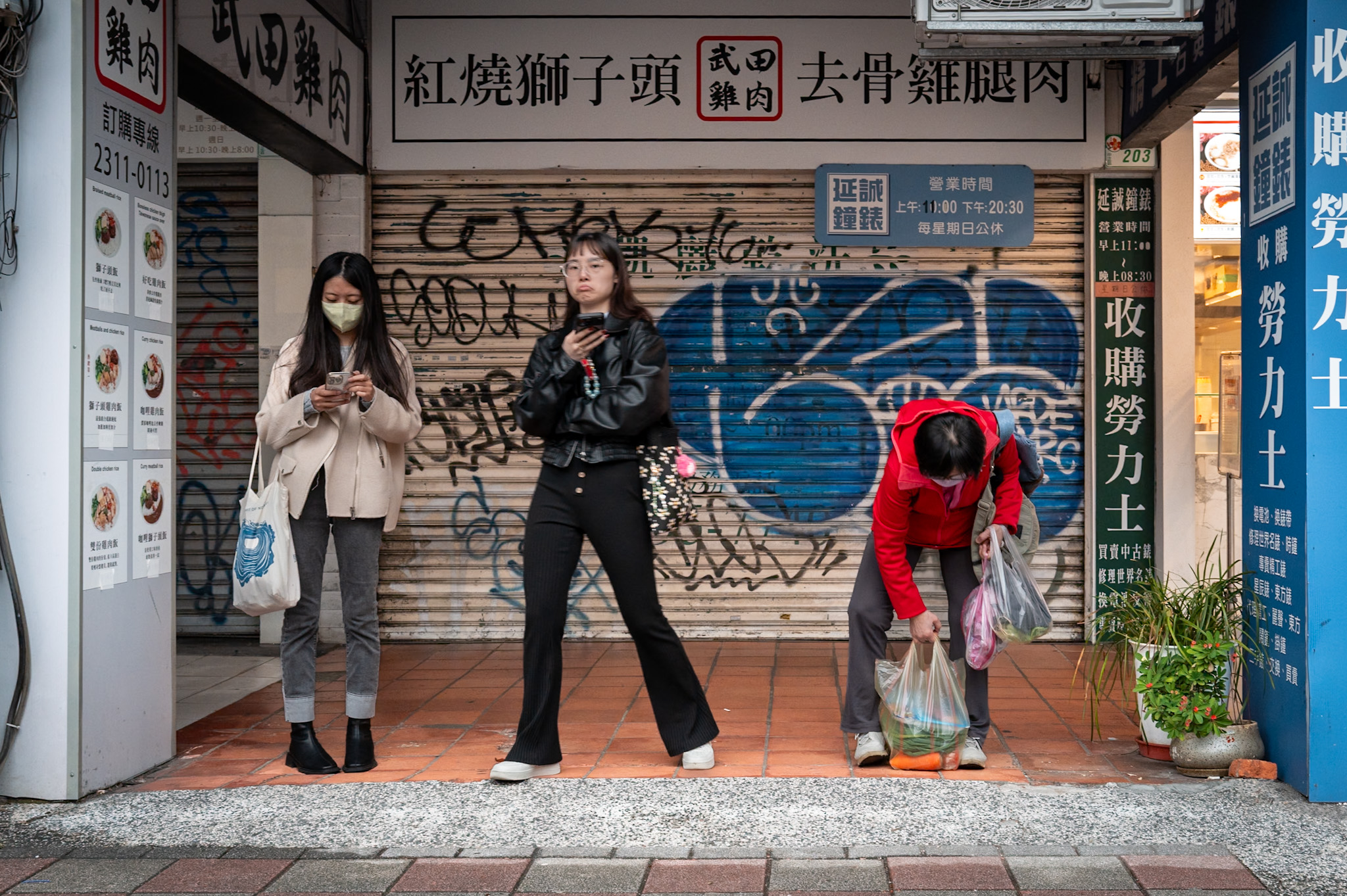
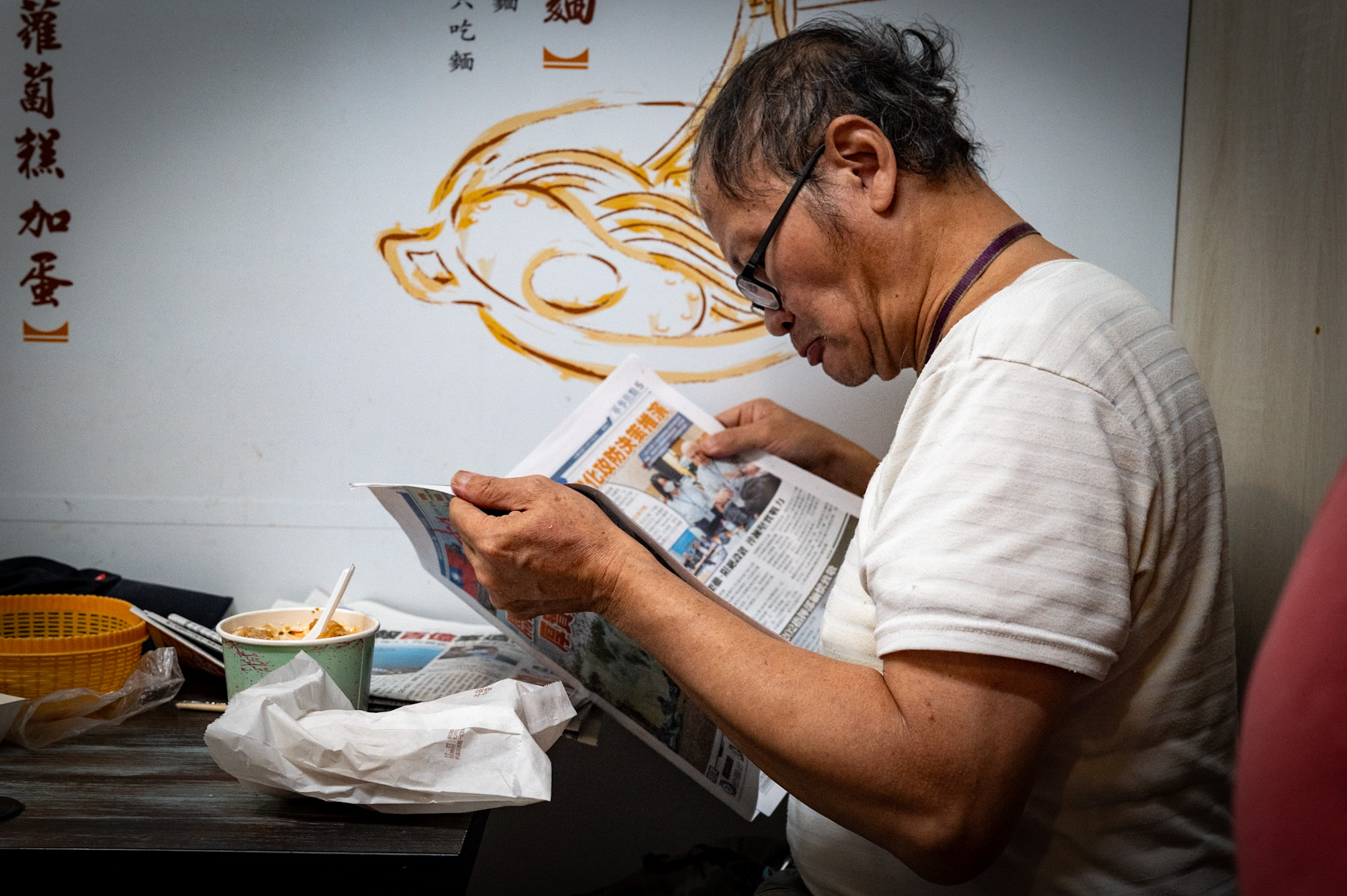
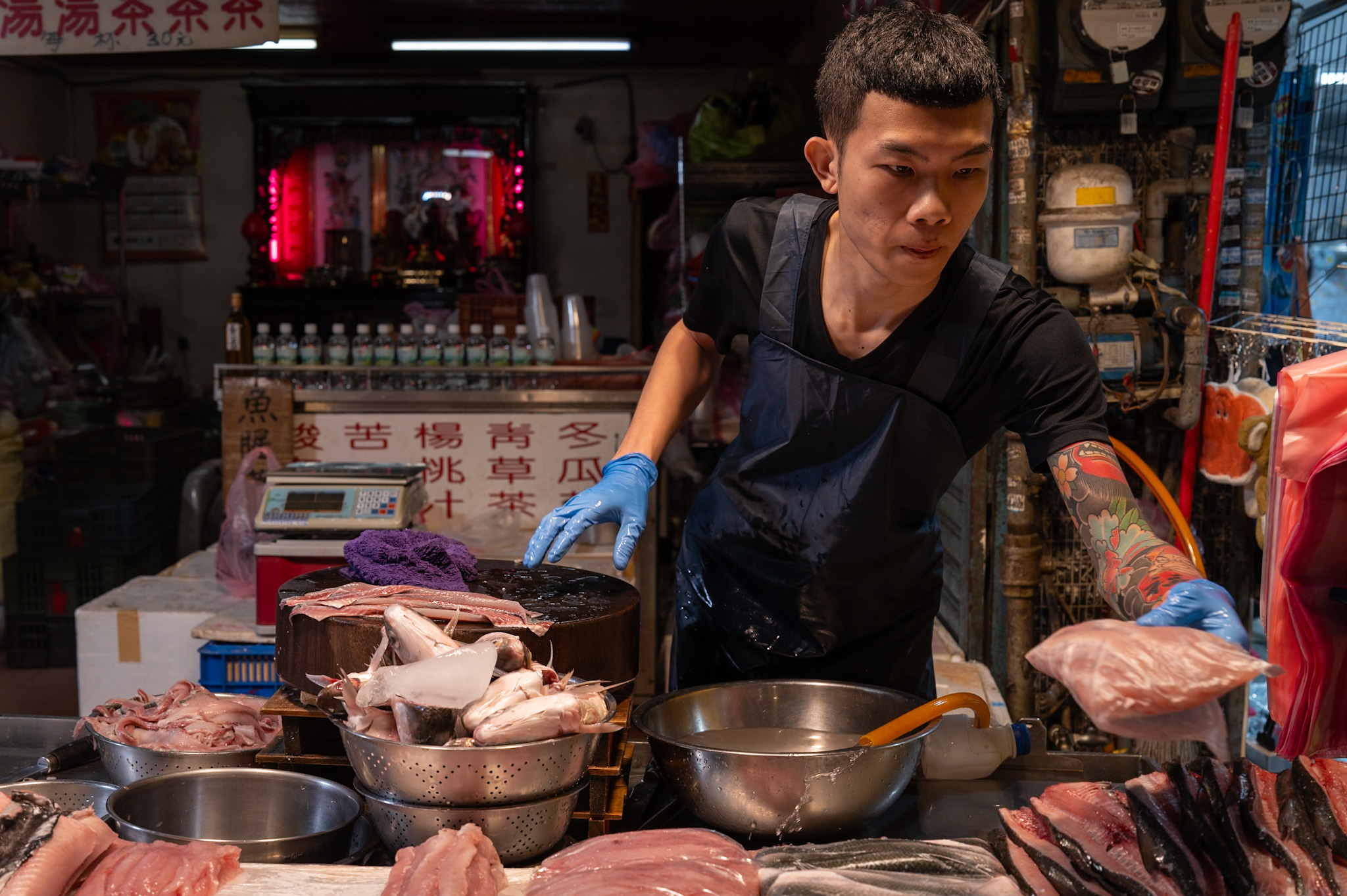
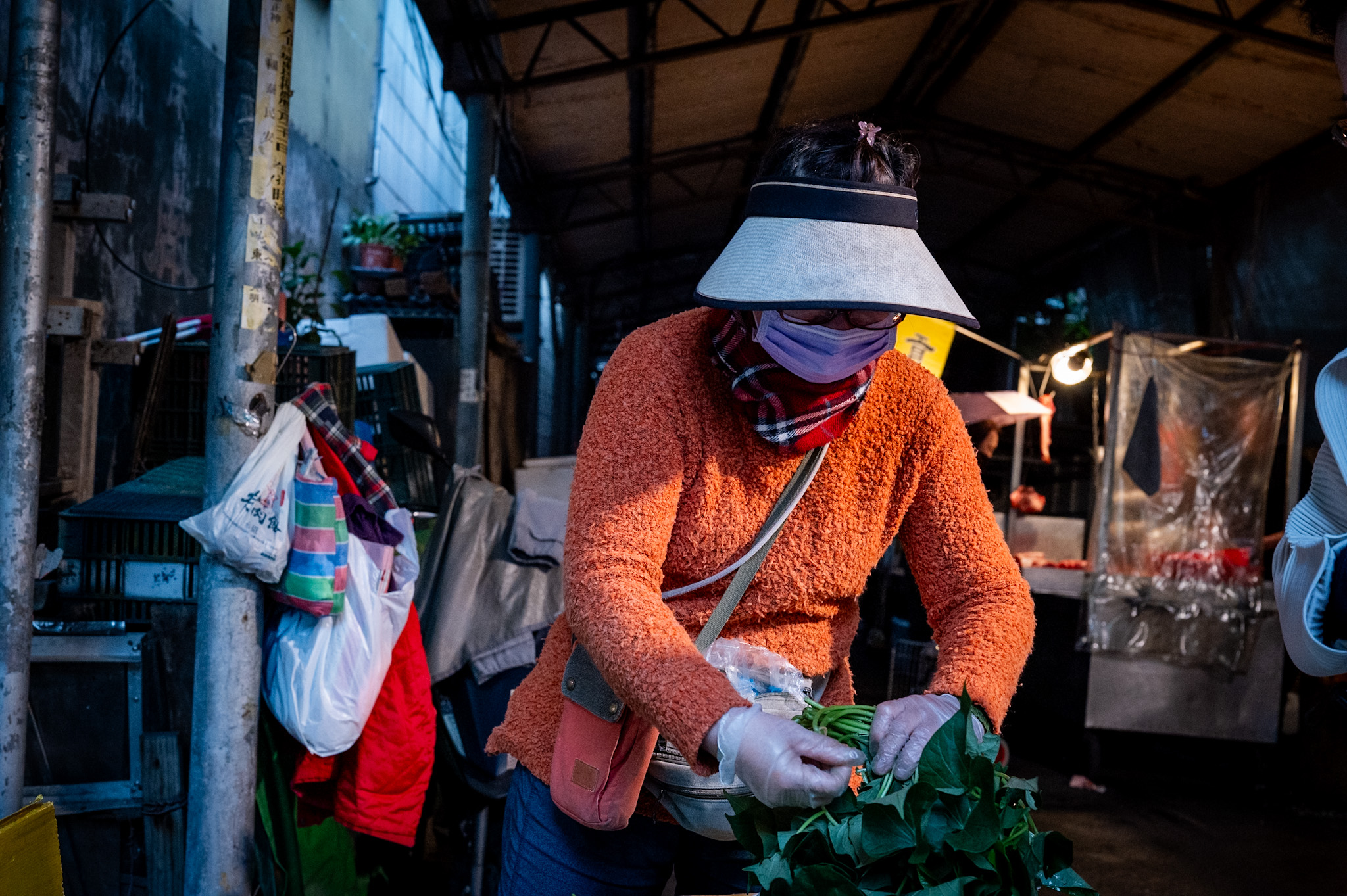
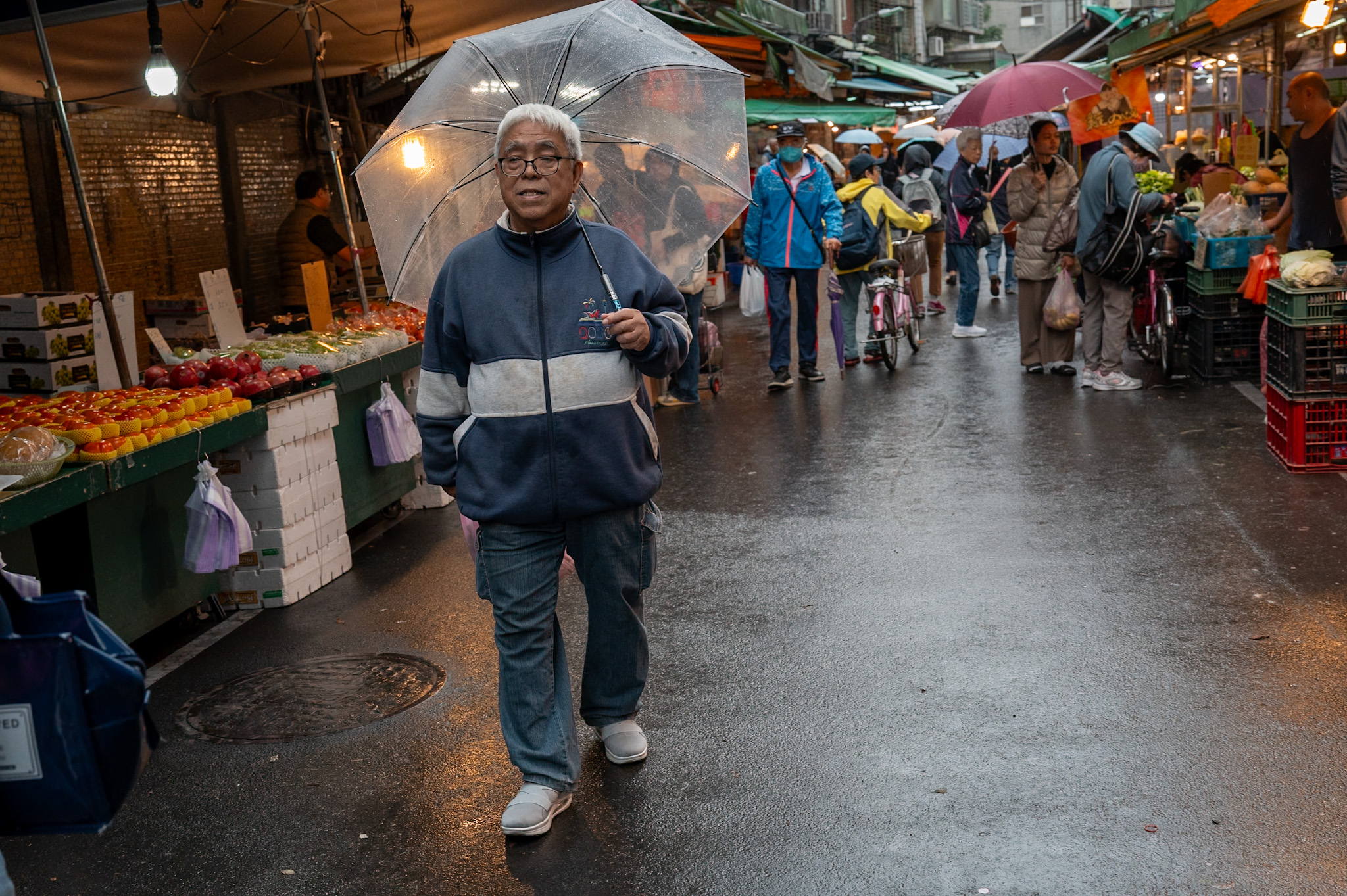
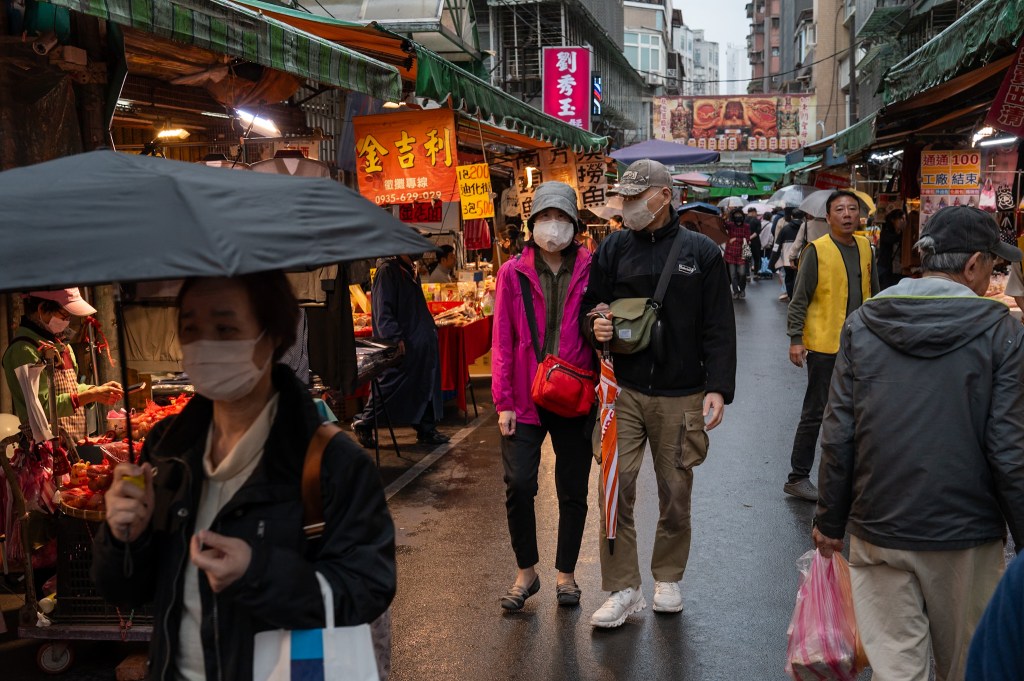
Photographs taken in Taipei last December, with a Leica Q3 43.

 the-quiet-report.com
Leave a reply to diamanta Cancel reply