 Earlier this morning I received a message from a friend, asking for some suggestions on spending a week with the Hmong people in Northern Viet-Nam, where I was trekking last February. After sending some tips and a few contacts in Sapa, a memory cell began knocking under the surface and finally emerged, bringing me back to early ‘60 in Indochina.
During the Vietnam War, a less-publicized but equally critical conflict took place in Laos, often referred to as the “Secret War.” The Central Intelligence Agency (CIA) played a significant role in this covert operation, involving the Hmong tribe as key allies. This complex relationship and clandestine effort had lasting impacts on both the Hmong people and the geopolitical landscape of Southeast Asia.
The Secret War in Laos occurred between 1961 and 1975, paralleling the Vietnam War. The geopolitical stakes were high, as the U.S. aimed to prevent the spread of communism in Southeast Asia. Laos, a small landlocked country bordered by Vietnam, Cambodia, Thailand, Myanmar, and China, became a crucial battleground due to its strategic location along the Ho Chi Minh Trail. This network of supply routes was essential for the North Vietnamese Army (NVA) to transport troops and materials into South Vietnam.
The CIA’s primary objective in Laos was to disrupt these supply lines and counter the influence of the Pathet Lao, a communist political movement closely aligned with North Vietnam. Direct military intervention was not feasible due to the 1962 Geneva Accords, which declared Laos neutral. Hence, the U.S. resorted to covert operations.
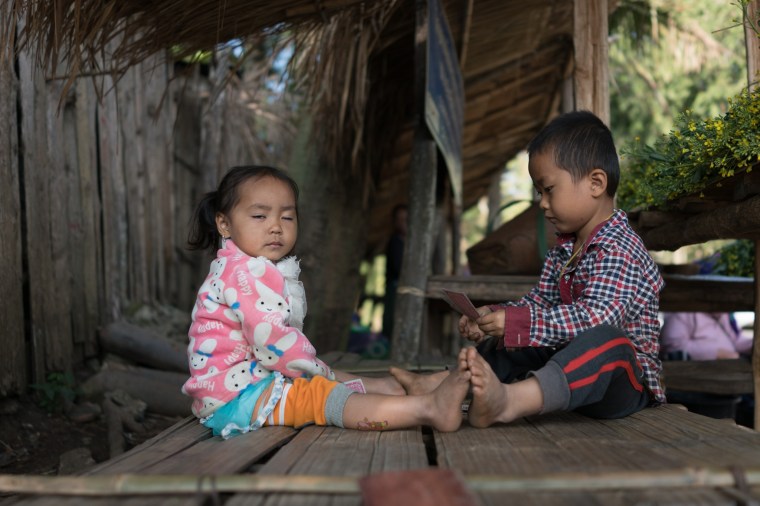
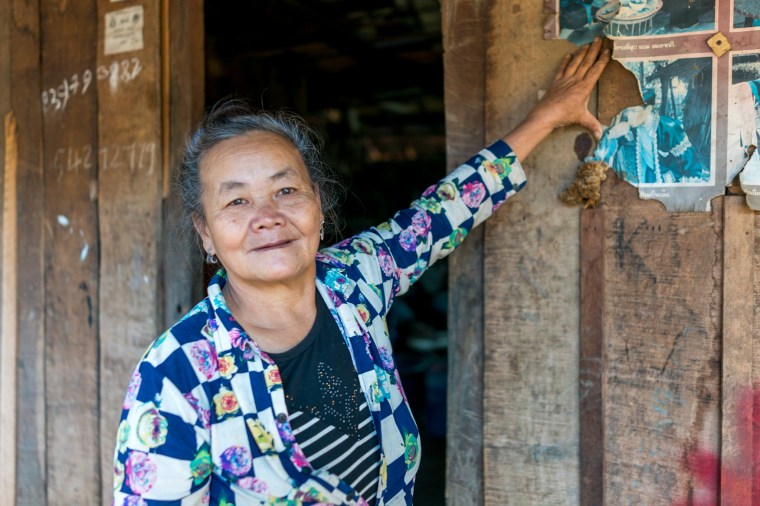
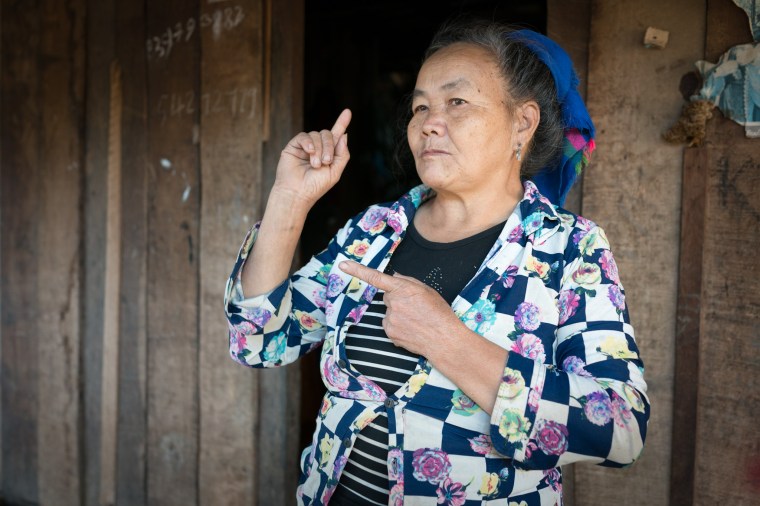
Aside from massive air-bombing actions in Laos (let me take this later), another key component was the Hmong tribe, an ethnic minority in Laos, becaming vital allies for the CIA. The Hmong lived primarily in the mountainous regions of northern Laos, an area critical for monitoring and disrupting the Ho Chi Minh Trail. Their knowledge of the terrain and guerrilla warfare skills made them ideal partners in the CIA’s covert operations. I had personally experienced the ability of Hmong experience in Viet-Nam earlier this year, leveraging a guide during my trekking in the Sapa region.
Back to history: CIA, through operatives like Bill Lair and Vang Pao, a charismatic Hmong military leader, recruited and trained Hmong soldiers. Vang Pao, already a respected leader among the Hmong, became the face of the Hmong resistance. He was instrumental in mobilizing thousands of Hmong men, women, and even children into a formidable fighting force.
The Hmong forces, trained and equipped by the CIA, engaged in various operations to counter the NVA and Pathet Lao, becoming crucial in the disruption of the Ho Chi Minh Trail, conducting ambushes, sabotage missions, and intelligence-gathering operations along the trail. Their efforts aimed to disrupt the flow of supplies and reinforcements to communist forces in South Vietnam. They protected key areas in northern Laos, including Long Tieng, which served as the CIA’s headquarters and a major base of operations. Long Tieng became known as “the most secret place on earth” due to its critical role in the war.
The Hmong worked closely with the U.S. Air Force to coordinate air strikes against communist positions. They provided ground intelligence and marked targets, significantly enhancing the effectiveness of U.S. bombing campaigns. Their involvement in the Secret War came at a tremendous cost: tens of thousands of Hmong soldiers and civilians perished in the conflict. The relentless bombing campaigns, both by the U.S. and retaliatory strikes by the NVA and Pathet Lao, devastated Hmong villages and farmlands, leading to widespread displacement and suffering.
The Secret War ended in 1975 with the fall of Saigon and the withdrawal of American forces from Vietnam. The Pathet Lao seized control of Laos, and the new communist government targeted the Hmong for their collaboration with the CIA. Thousands of Hmong were killed, and many more fled their homes, embarking on perilous journeys to refugee camps in Thailand and Viet-Nam: the war led to a diaspora, with many resettling in the United States, France, Australia, and other countries. The trauma of war and displacement continued to affect Hmong communities, but they also demonstrated remarkable resilience and adaptability in their new homelands.
The CIA’s involvement in Laos became a subject of controversy and debate. Critics argued that the U.S. had abandoned the Hmong after the war, failing to adequately support them in the face of persecution, and I have witness the memories during my trip among the tribes on the China border earlier this year.
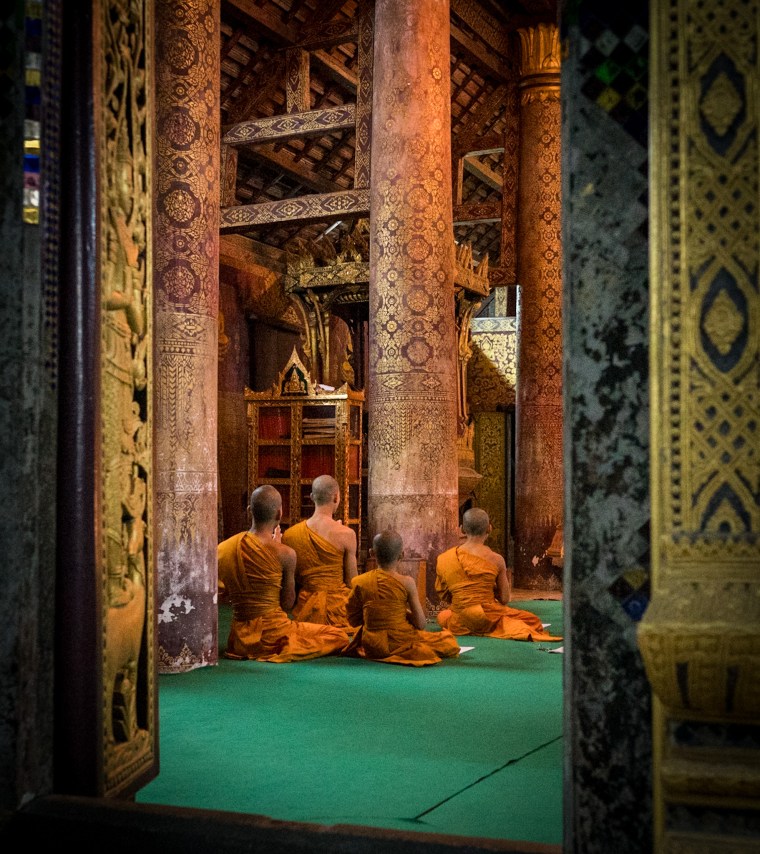
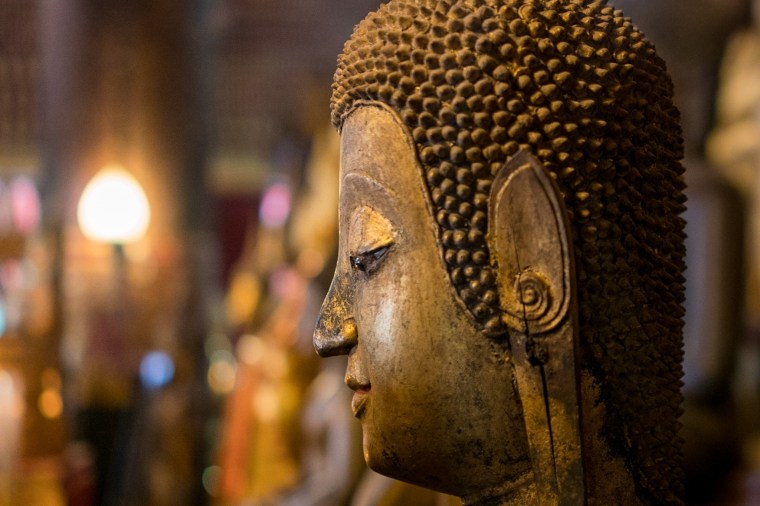
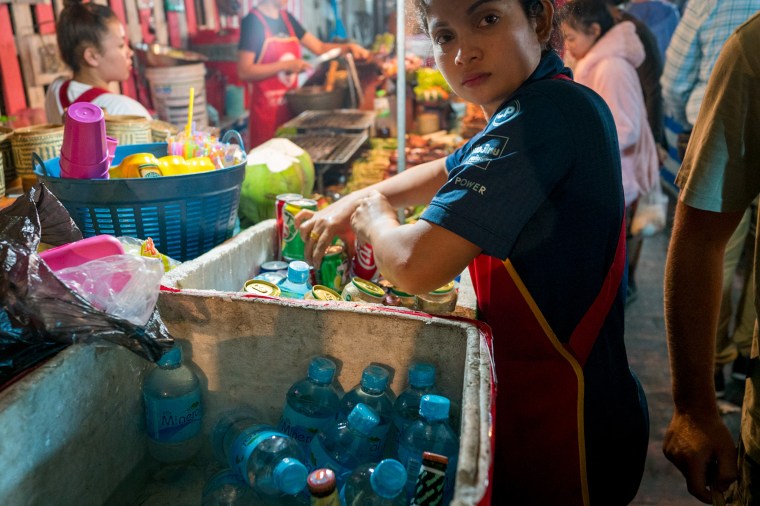
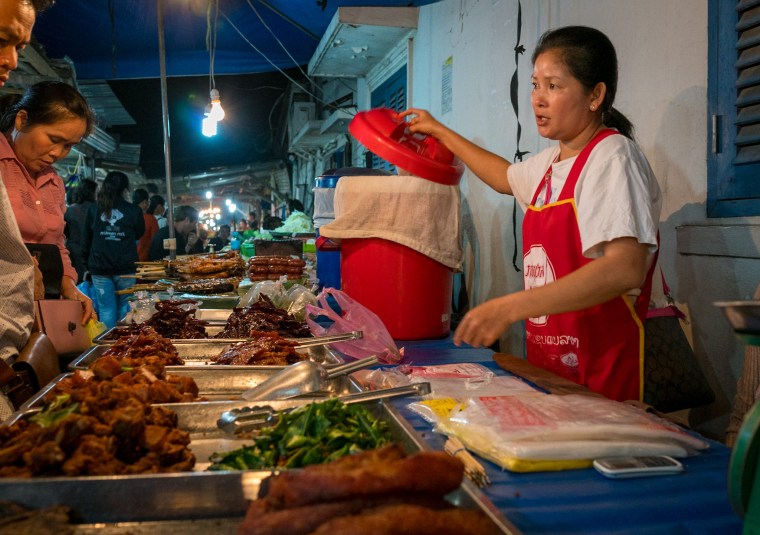
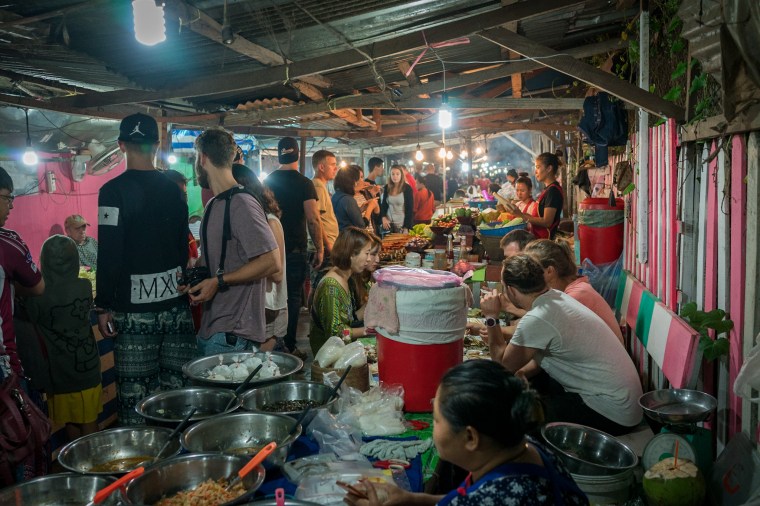
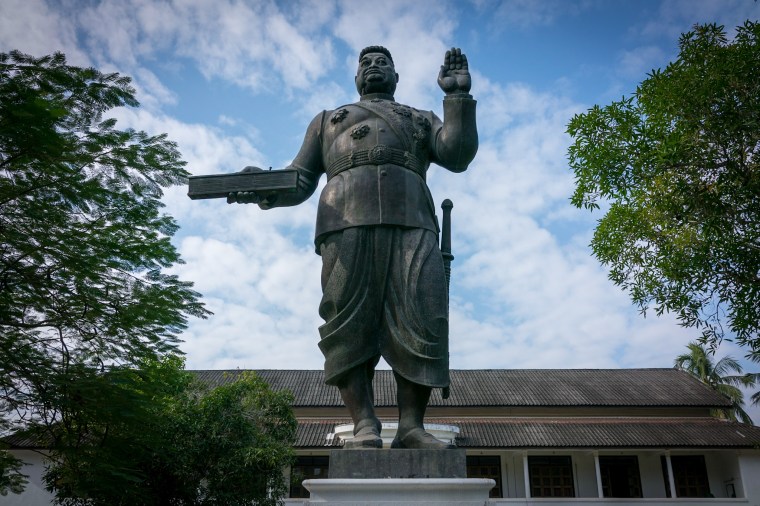
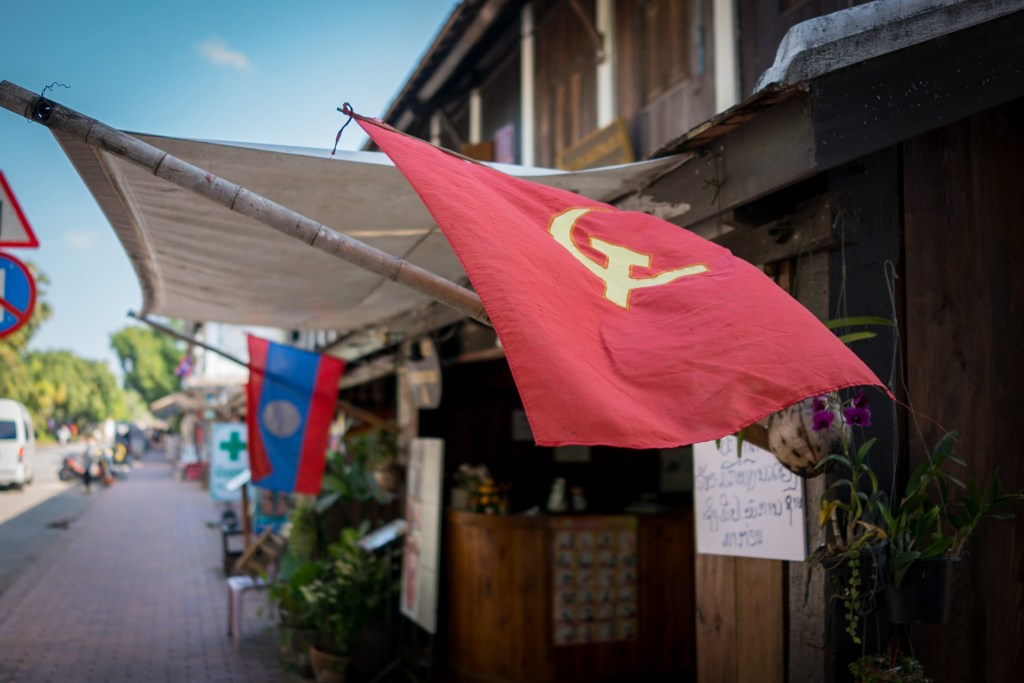
Let me close by addressing something on Laos bombing, with effect and consequences still very well visible during my last trip there in 2017 (when the photos have been taken)
The bombing of Laos by U.S. forces during the Vietnam War represents one of the most extensive and devastating aerial bombardment campaigns in history. Between 1964 and 1973, the U.S. conducted over 580,000 bombing missions in Laos, dropping more than two million tons of ordnance. This campaign, part of a larger strategy to disrupt North Vietnamese supply lines and combat communist forces, had profound and lasting impacts on Laos and its people.
As said before, the primary objective of the U.S. bombing campaign in Laos was to destroy the Ho Chi Minh Trail. This intricate network of paths and roads, running through Laos and Cambodia, was vital for North Vietnamese forces to transport troops, weapons, and supplies into South Vietnam. By targeting these routes, the U.S. aimed to weaken the North Vietnamese military capabilities and support the South Vietnamese government.
Additionally, the U.S. sought to counter the Pathet Lao, the communist movement in Laos allied with North Vietnam. By bombing Pathet Lao strongholds and supply lines, the U.S. hoped to bolster the Royal Lao Government and limit communist influence in the region. The bombing campaign in Laos was massive in scale. The U.S. dropped an average of one planeload of bombs every eight minutes, 24 hours a day, for nine years. This relentless bombardment made Laos, per capita, the most heavily bombed country in history.
Key areas targeted included the Plain of Jars, a region of significant strategic importance and heavy Pathet Lao presence, and the regions along the Ho Chi Minh Trail. The bombings included various types of ordnance, such as cluster bombs, napalm, and high-explosive bombs. Cluster bombs were particularly insidious, as many failed to detonate upon impact, leaving a deadly legacy of unexploded ordnance (UXO) that continues to pose significant risks to the population.
The human toll of the bombing campaign was immense. It is estimated that over 50,000 civilians were killed as a direct result of the bombings, with countless more injured and displaced. The relentless attacks destroyed villages, agricultural lands, and infrastructure, leading to widespread disruption of daily life and massive internal displacement. The environmental impact was equally devastating. Large swathes of forest and farmland were destroyed, and the unexploded ordnance left behind has rendered vast areas of land unusable. This has had long-term consequences for food security and economic development in Laos, as farmers are unable to safely cultivate their land.
The legacy of the U.S. bombing campaign in Laos is still felt today. Unexploded ordnance remains a significant threat, causing deaths and injuries long after the end of the war. Efforts to clear UXO have been ongoing for decades, but progress is slow due to the sheer volume of unexploded bombs and the challenging terrain.



 the-quiet-report.com
Leave a reply to Mauro Cancel reply