 Singapore’s Chinatown is a vibrant tapestry woven from the threads of migration, commerce, and cultural resilience. Its history stretches back to the island’s very beginnings, serving as a microcosm of Singapore’s evolution from a fledgling trading post to a global metropolis.
Even before Sir Stamford Raffles’ arrival in 1819, a small Chinese community resided in the area, cultivating crops like gambier and pepper. Recognizing the potential of a Chinese workforce, Raffles designated a specific zone for them in his 1822 town plan, aptly named the “Chinese Campong.” This became the foundation for what we know today as Chinatown.
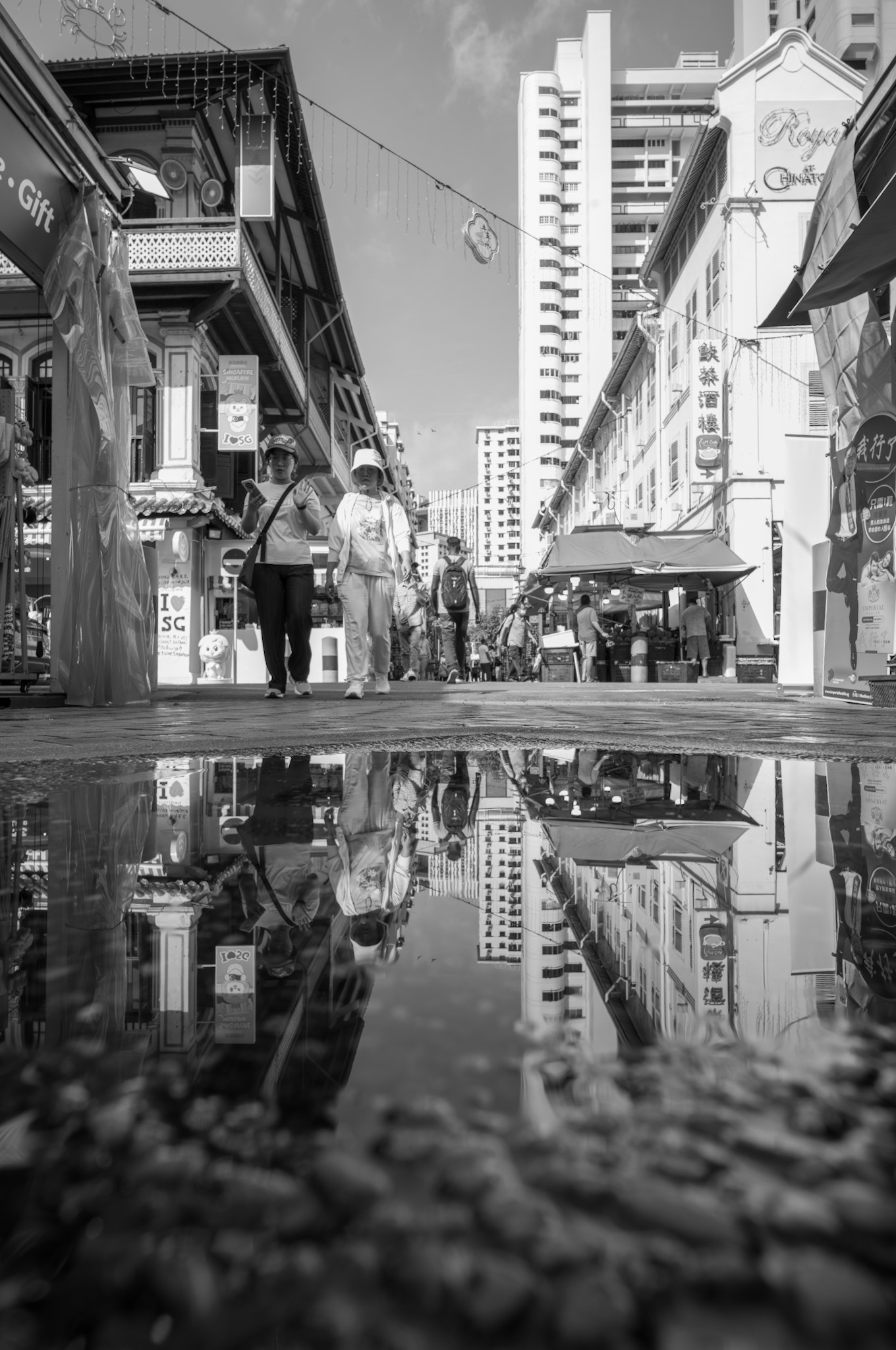
The establishment of Singapore as a free port in 1819 acted as a magnet, drawing a significant influx of Chinese immigrants. These newcomers, primarily from southern China, sought better opportunities in this land of promise. To facilitate administration, Raffles segregated various ethnic communities, with Chinatown becoming the heart of the Chinese population.
Chinatown’s physical development began in earnest in 1843. Land leases were granted, particularly around Pagoda Street,Smith Street, and the ever-important Telok Ayer Street, allowing for the construction of shophouses, a defining architectural feature of the district. These buildings, with their residences above and shops below, housed families and businesses alike, fostering a strong sense of community.
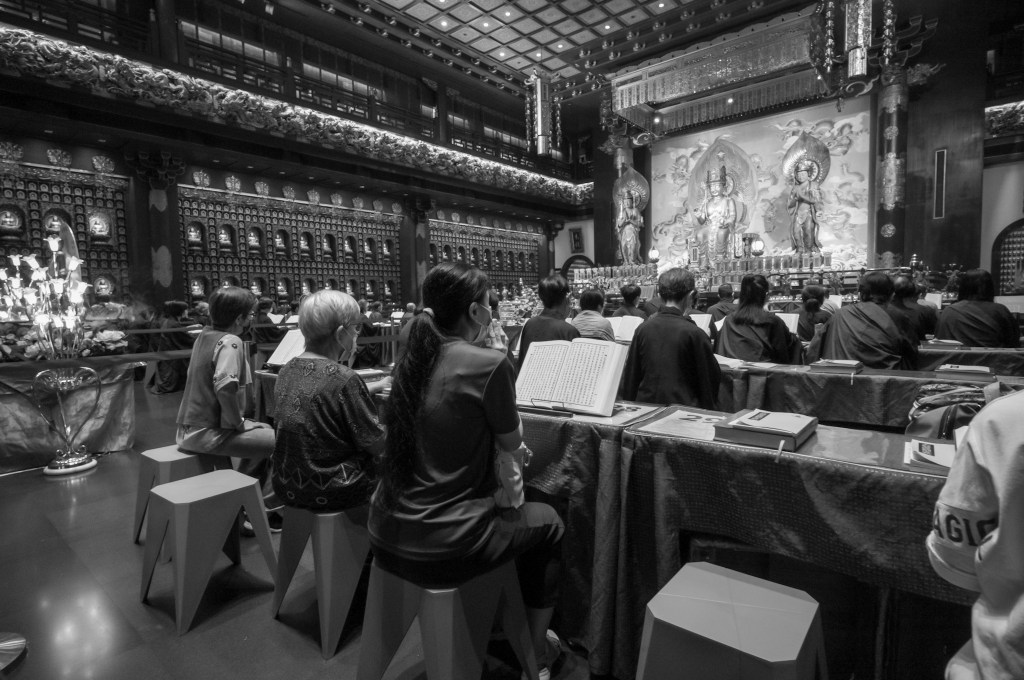
By the mid-19th century, Chinatown had become a bustling hub. It was a melting pot of dialects, cultures, and trades.Clan associations provided social support for new arrivals, while temples like the Telok Ayer Street Sri Mariamman Temple and the Buddha Tooth Relic Temple served as important spiritual centers. Businesses thrived, with everything from traditional medicine shops to food stalls lining the narrow streets.
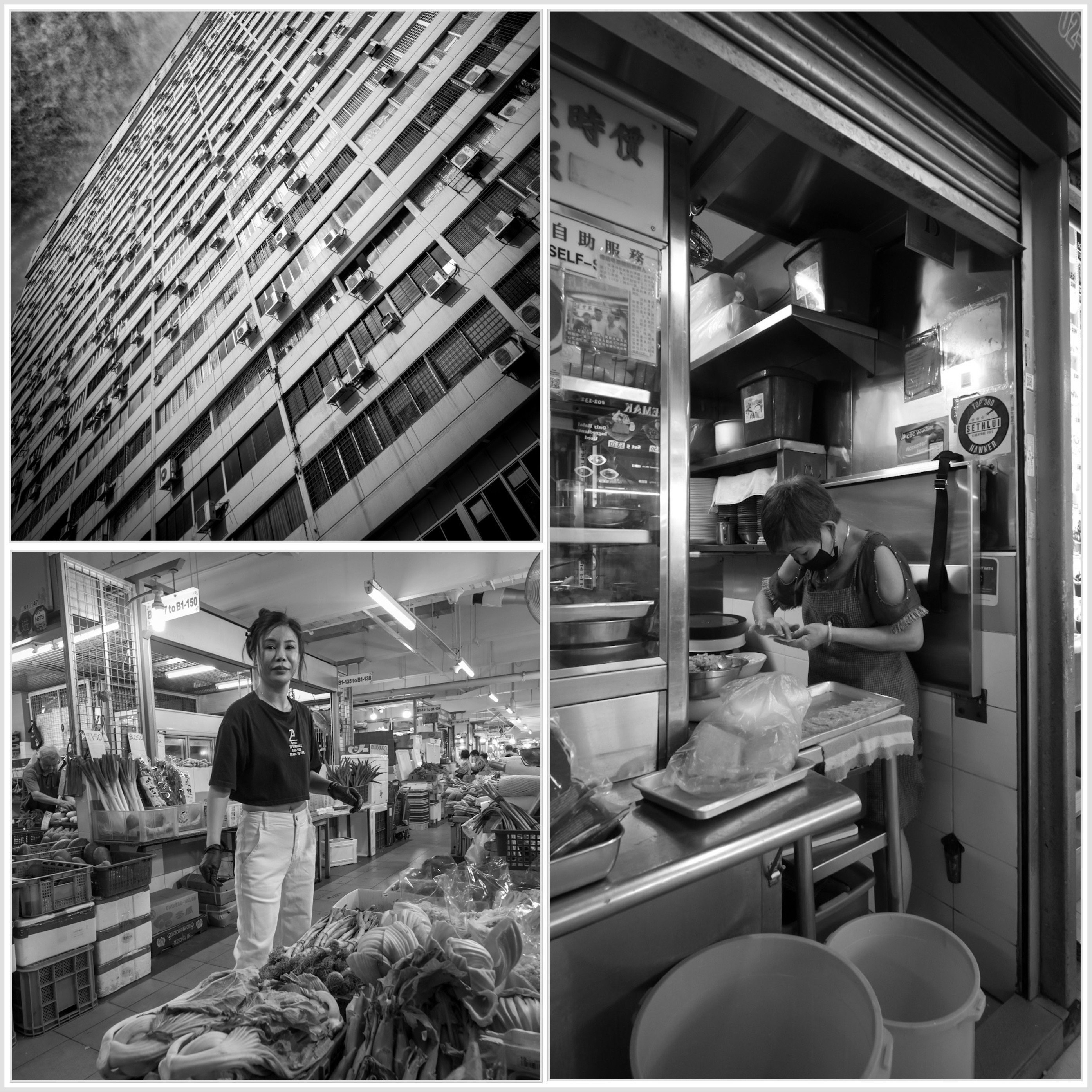
However, overcrowding and sanitation issues became pressing concerns. The dense living conditions and limited infrastructure presented challenges, highlighting the need for improvements. Despite the difficulties, Chinatown remained a vital center of commerce and cultural life.
The 20th century brought significant changes to Singapore’s landscape, including Chinatown. The government’s urban renewal programs in the 1960s saw the relocation of many residents to new public housing estates. While this addressed overcrowding, it also altered the social fabric of the community.
However, efforts were made to preserve the district’s heritage. Conservation projects focused on restoring shophouses and revitalizing streets. The establishment of the Singapore Tourism Board in 1964 and the subsequent opening of the Chinatown Heritage Centre in 2002 further underscored the importance of preserving Chinatown’s history for future generations.
Today, Chinatown is a fascinating blend of old and new. Traditional trades like calligraphy and tea appreciation coexist with trendy cafes and art galleries. The annual Chinese New Year celebrations transform the district into a sea of red and gold, attracting locals and tourists alike.
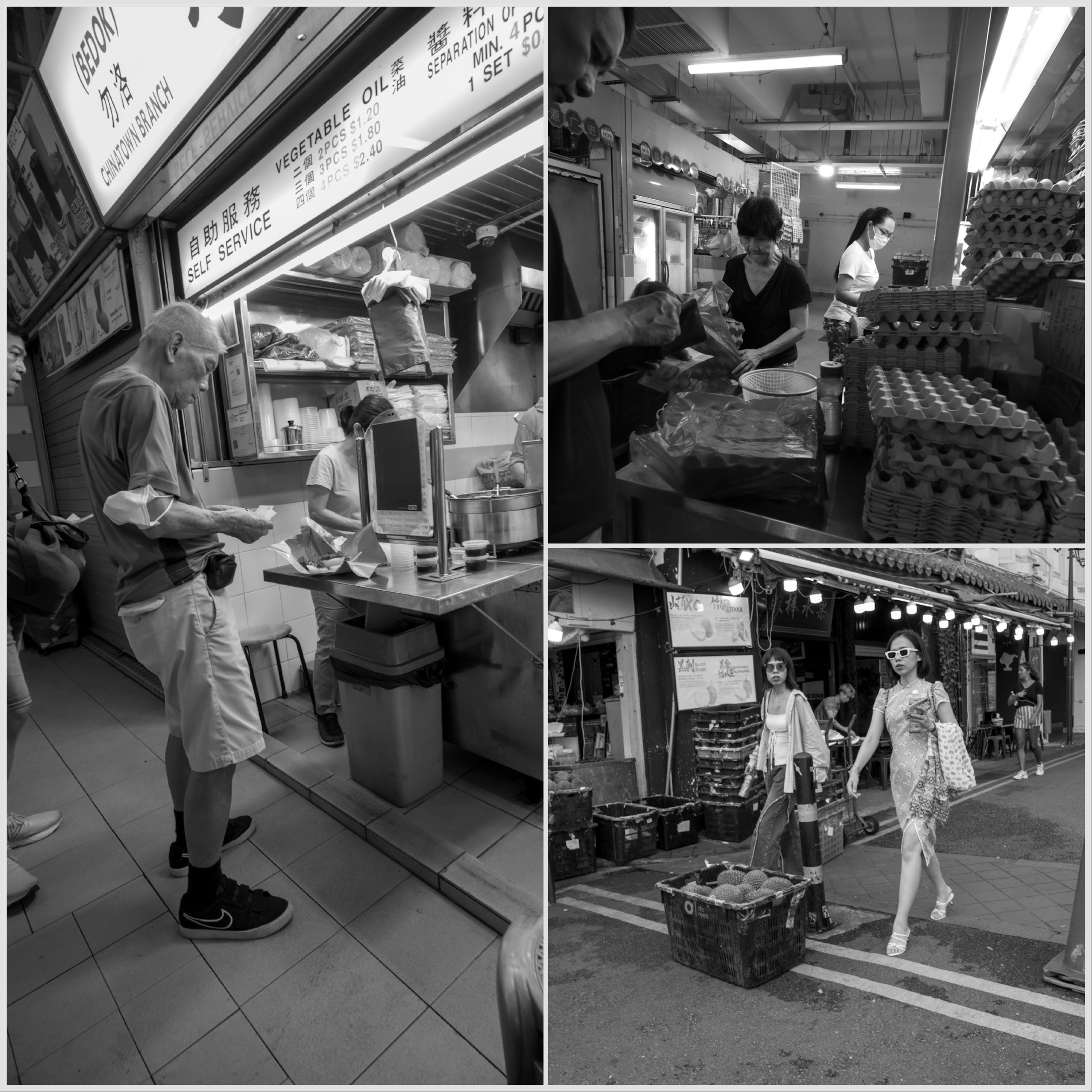
Looking ahead, the future of Singapore’s Chinatown lies in striking a balance between commercial dynamism and cultural preservation. While catering to tourism plays a significant role, ensuring the district remains a vibrant community for residents is equally important. Initiatives that support local businesses and traditional crafts can help maintain the unique character of the area.
Chinatown is a testament to the enduring spirit of its people. From its humble beginnings as a landing point for immigrants to its modern incarnation as a cultural and commercial hub, the district continues to evolve.As Singapore progresses, Chinatown serves as a vital link to the past, reminding us of the struggles and triumphs that shaped the nation’s rich tapestry.



 the-quiet-report.com
Leave a reply to Maurizio “Mau” Vagnozzi Cancel reply