This morning I was back “home”, where I spend my time in the last few years, in Singapore Chinatown. It was amazing to walk again thru the alley, and meet friends right on the road.
The Tailor of Pagoda Street, always wearing his bandana and spectacles was offering me a strong hug, and immediately after a comple of Tiger beers, regardless it was only 9am in the morning.
Auntie May, sitting as usual aside the dama players in front of the Buddha temple, took out of his bags the Chinese cookies she knows I love. The guy who owns the satay stall in the food court was inviting me for a few skewers with pork belly, once his fire will be running, later today.
It was good to feel at home, and I stopped in front of the Complex just to live again the vibrant atmosphere of the real Singapore.
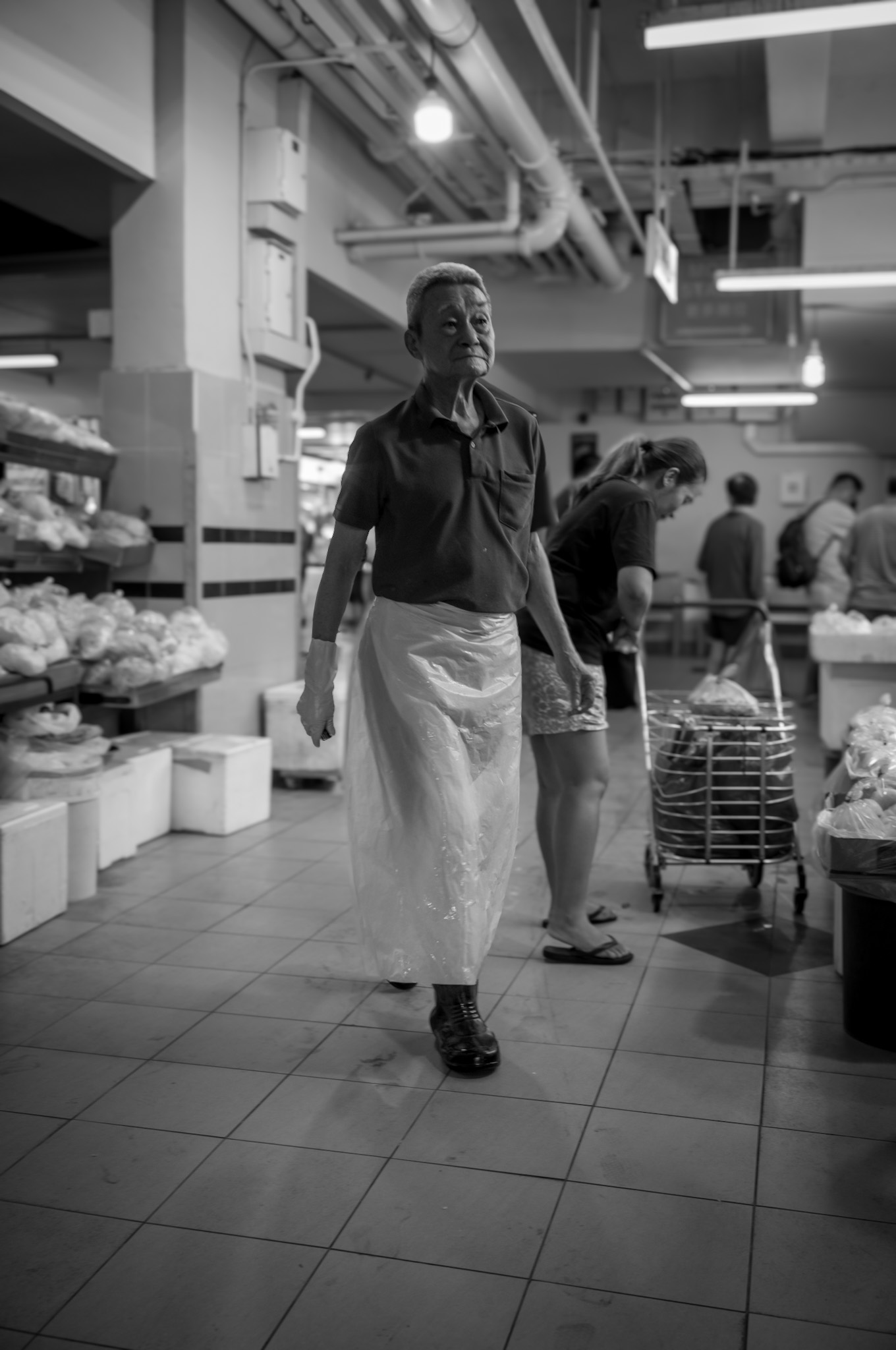
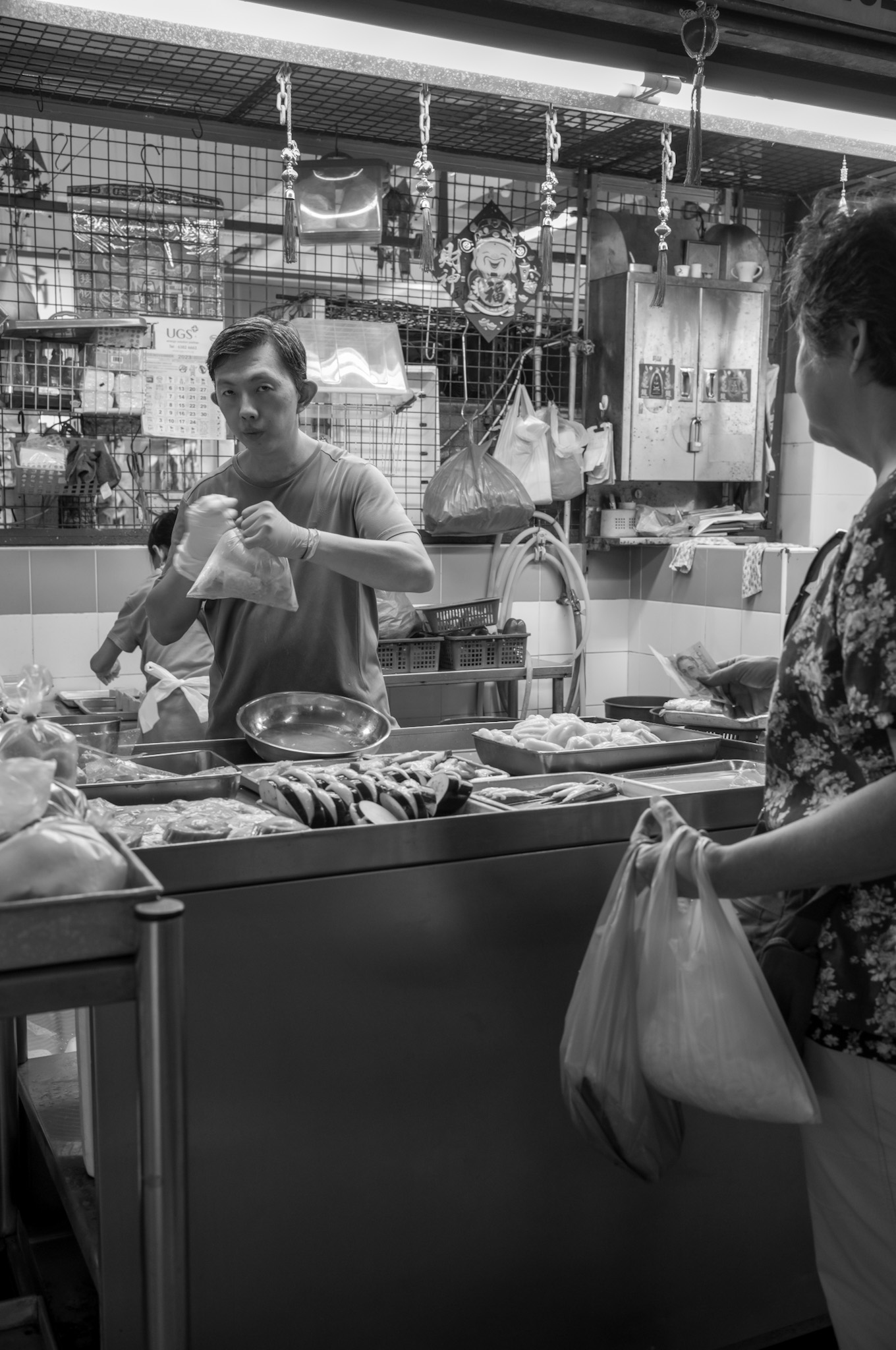
Singapore Chinatown Complex stands as a testament to the city-state’s rich cultural heritage, housing a myriad of experiences that reflect the fusion of tradition and modernity. Located in the heart of Chinatown, facing Buddha temple, this sprawling complex is a vibrant microcosm of Singapore’s multicultural identity.
On the first floor of the complex is the Food Centre, a culinary haven where hawkers dish out a diverse array of local and traditional Chinese delights. From succulent Hainanese chicken rice to aromatic char kway teow, the food center is a sensory delight for locals. The communal dining atmosphere adds a unique charm, fostering a shared experience of Singapore’s culinary heritage.
Below the food center, in the basement, the Chinatown Complex features a bustling wet market. Here, locals and chefs alike converge to explore stalls laden with fresh produce, seafood, and spices. The market’s authenticity lies in its ability to preserve traditional practices while adapting to the demands of a modern city. Seasoned vendors, their stalls brimming with colors and textures, contribute to the lively atmosphere that defines the complex.
The Signora Tedesca a Telemetro (my Leica M) was on my side, and together we decided to take the stairs down to the Wet Market, a place where I been shopping my grocery for years, together with the local elders.
Singapore’s Chinatown Wet Market is a vibrant tapestry of sights, sounds, and scents, encapsulating the city-state’s rich cultural diversity. Nestled within the historic enclave of Chinatown, this market is a sensory delight for locals and tourists alike.
As one navigates through the bustling lanes, the symphony of vendors haggling and the aromatic blend of spices create an immersive experience. Stalls adorned with fresh produce, seafood, and exotic spices showcase the culinary treasures that Singapore’s multicultural society has to offer. The market’s authenticity lies in its ability to preserve traditional practices while adapting to modern demands.
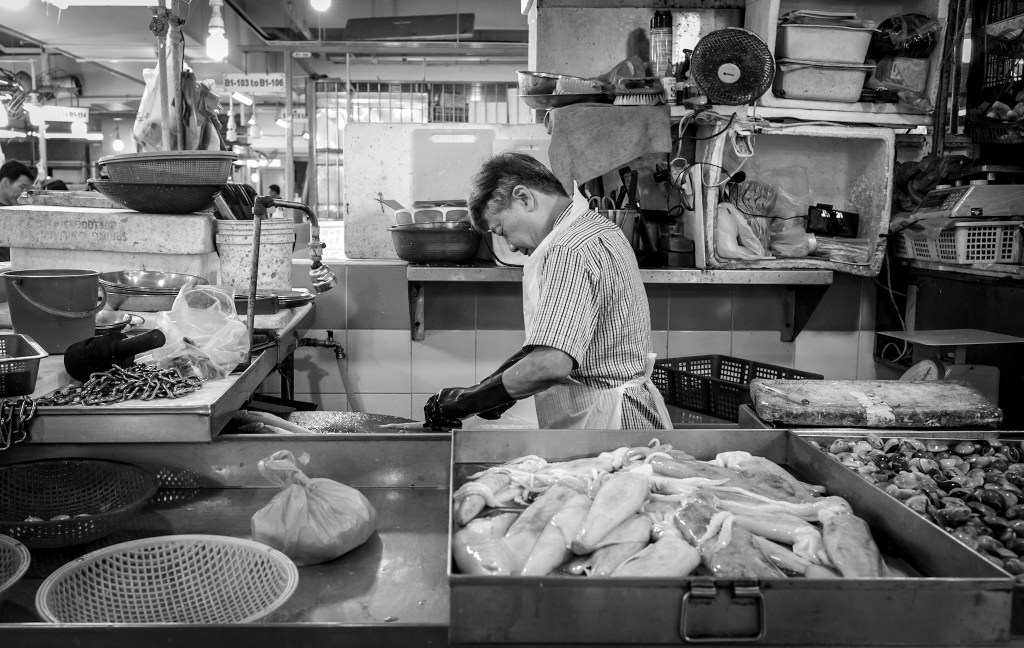
The strong artificial lights reflect off the glistening fish displays, their scales shimmering in an array of colors. The seafood section is a testament to Singapore’s proximity to the sea, offering a diverse selection from briny crabs to succulent prawns. The market’s authenticity is heightened by the seasoned fishmongers who expertly fillet and clean their catches, providing customers with the freshest ingredients for their meals.
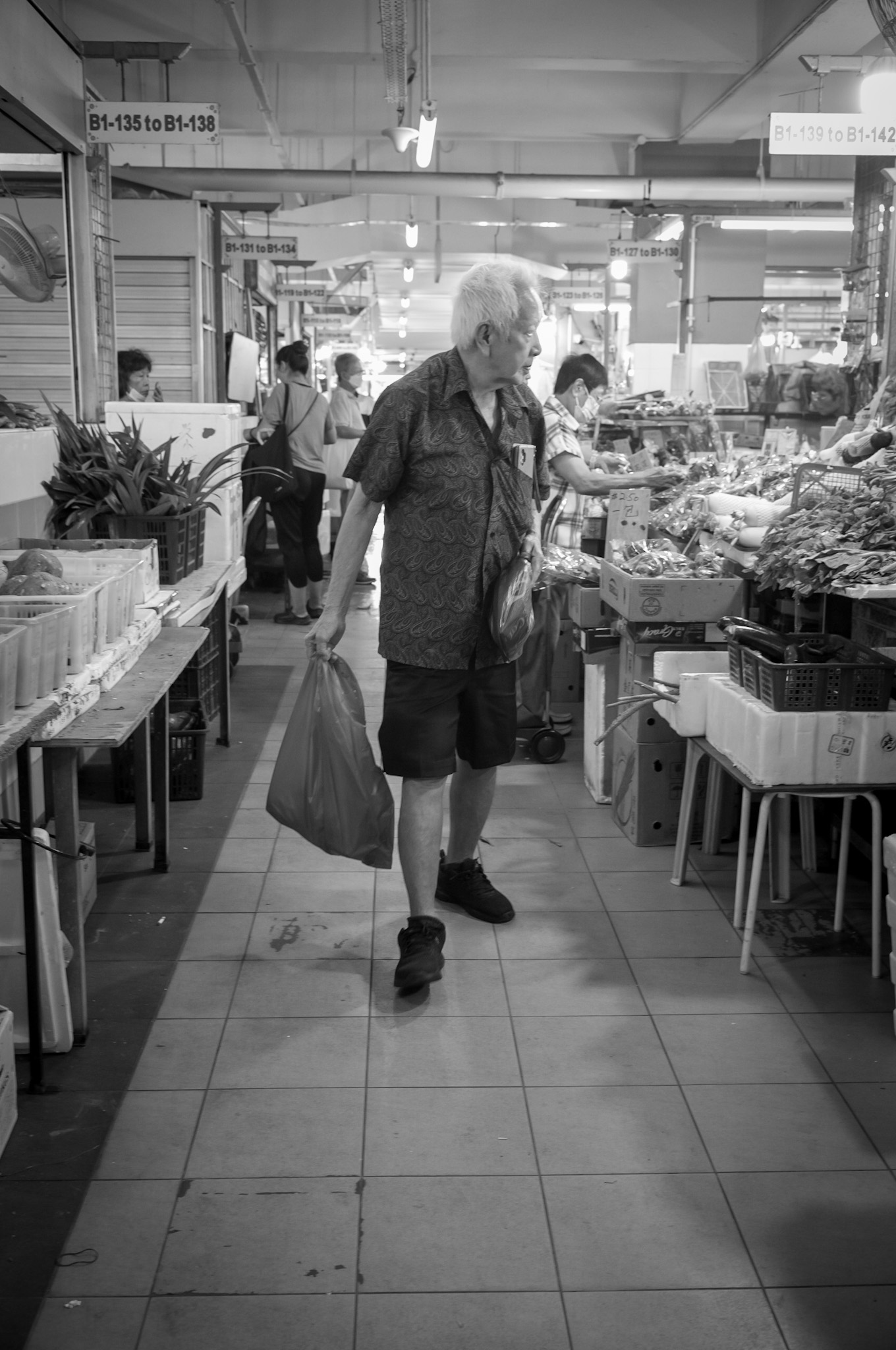
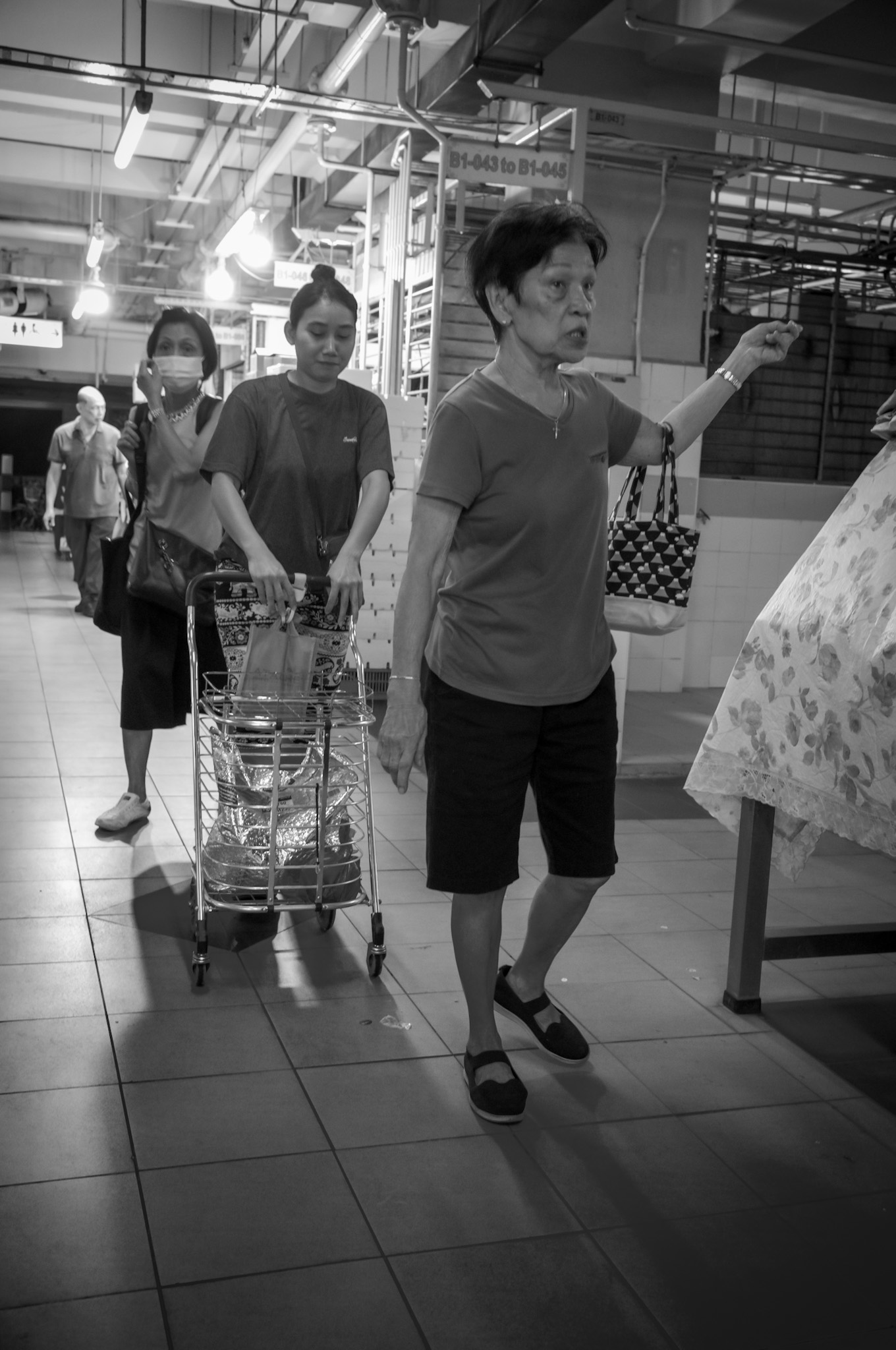
Venturing further into the market, one encounters vibrant arrays of tropical fruits and vegetables, meticulously arranged to entice passersby. The hustle and bustle of shoppers negotiating prices with animated vendors underscore the market’s role as a communal hub where relationships are forged over shared culinary interests.
Amidst the stalls, one can also find traditional Chinese medicinal herbs, dried goods, and spices, each with its unique fragrance and historical significance. The market seamlessly weaves together the past and present, offering a glimpse into Singapore’s cultural tapestry. It serves not only as a commercial center but also as a repository of heritage, connecting generations through the shared experience of culinary exploration.
The Chinatown Wet Market reflects Singapore’s commitment to sustainability and cleanliness. Rigorous hygiene standards are maintained to ensure the health and well-being of consumers. This dedication to quality has solidified the market’s reputation as a trusted source for fresh, high-quality produce.
Let me share a bit more on the wet markets here.
The history of wet markets in Singapore is a fascinating narrative that intertwines with the city-state’s evolution from a humble trading post to a global economic powerhouse. Wet markets, characterized by the sale of fresh produce, meat, and seafood, have been integral to Singaporean life, reflecting the nation’s multicultural identity and economic resilience.
The roots of wet markets in Singapore trace back to the early 19th century when the island was a bustling trading hub under British colonial rule. Local markets began to emerge around areas where different communities settled, catering to the diverse culinary needs of the growing population. These markets, often situated near water sources for practical reasons, gained the moniker “wet” due to the frequent cleaning of floors and washing of produce.
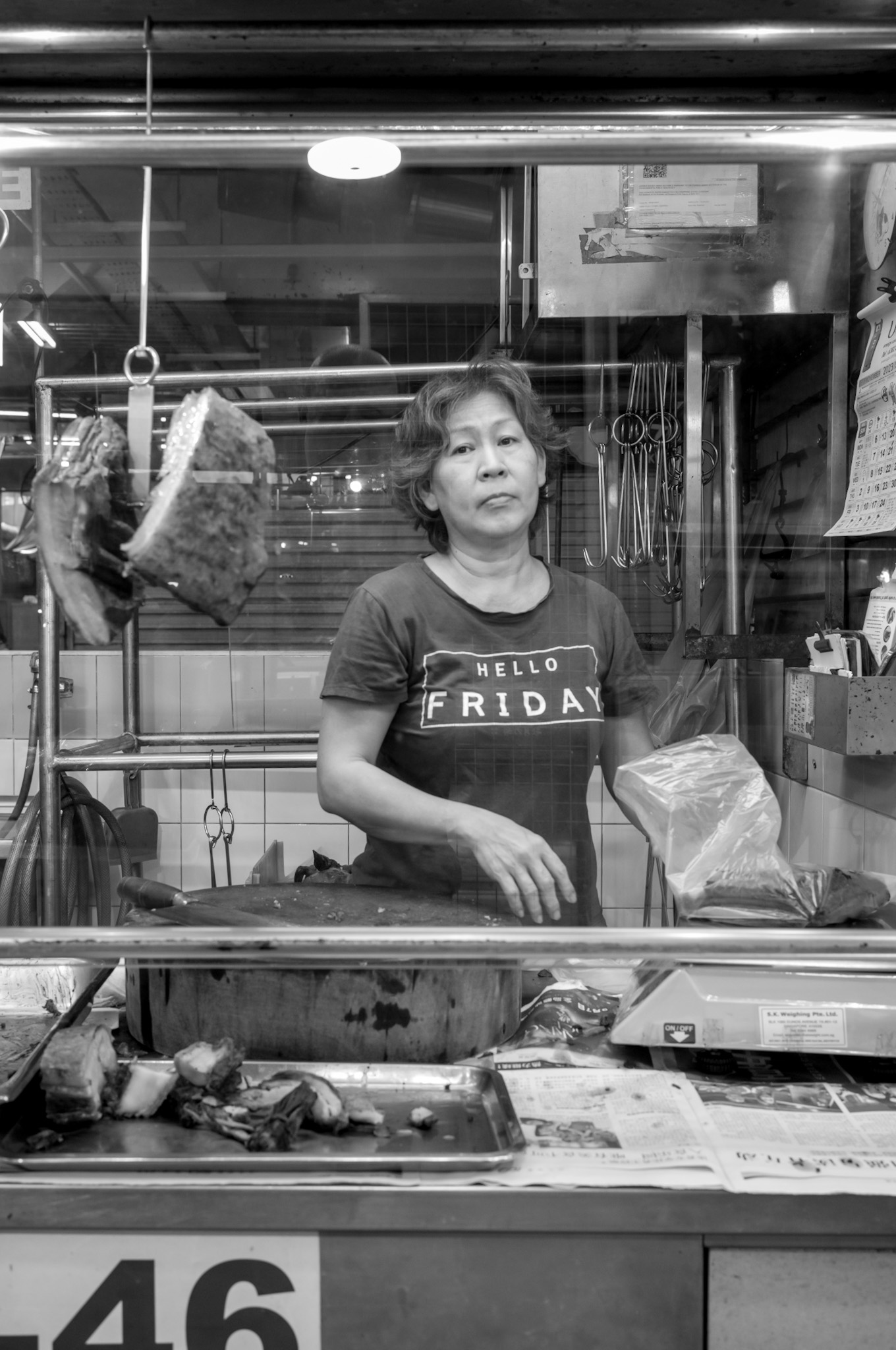
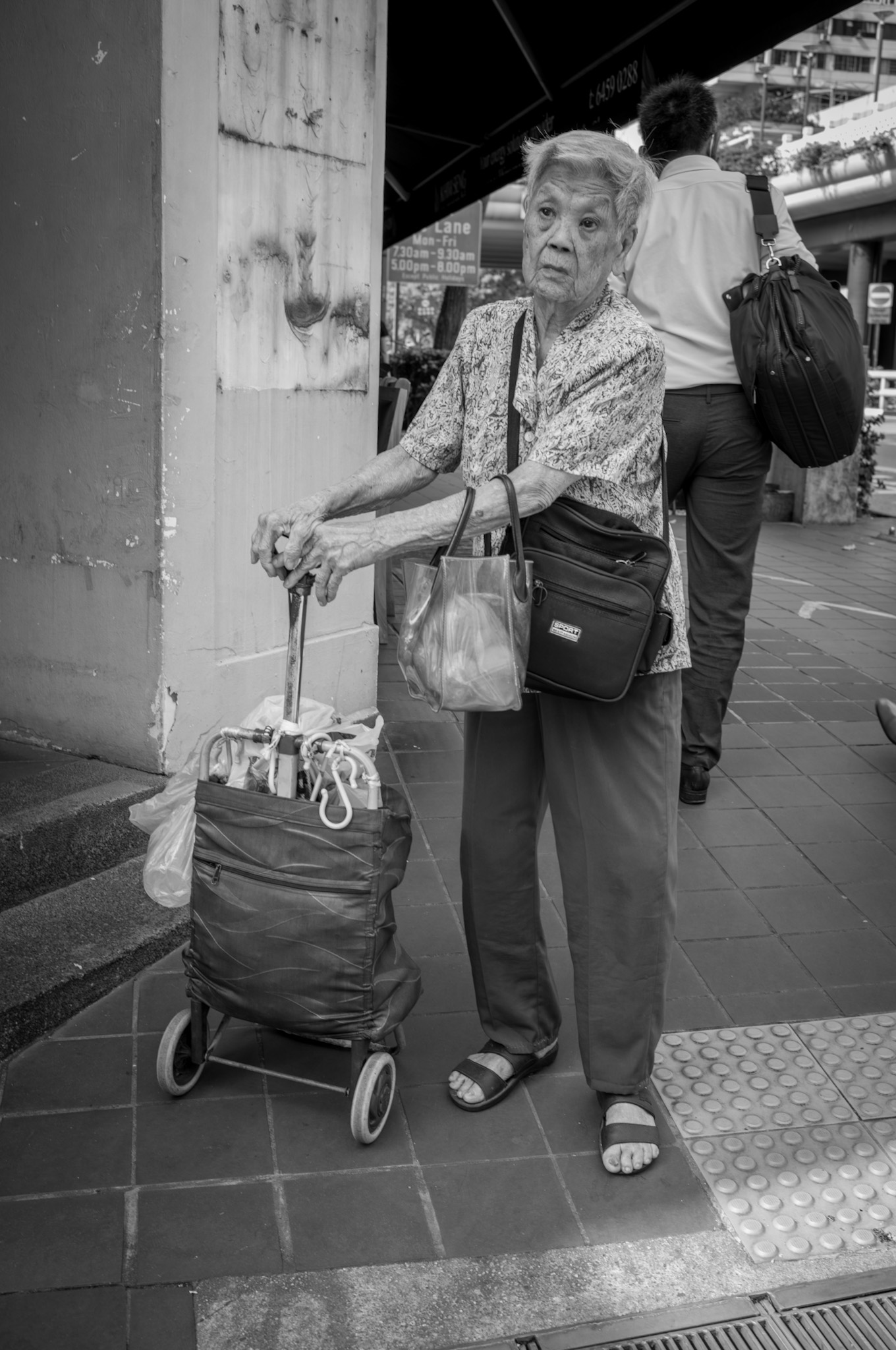
During the early years, these markets were informal, open-air setups where local farmers, fishermen, and traders gathered to sell their goods. The exchanges were vibrant, reflecting the blend of Chinese, Malay, Indian, and other cultural influences. As Singapore underwent urbanization and modernization in the mid-20th century, wet markets transformed to accommodate the changing landscape.
The 1960s saw the establishment of purpose-built wet markets, equipped with proper facilities to ensure hygiene and sanitation. Government initiatives aimed to centralize markets, making them more organized and accessible. These efforts were part of a broader strategy to improve public health and urban planning.
Despite modernization, wet markets retained their cultural significance. They continued to serve as vital hubs where communities converged, sharing culinary traditions and fostering a sense of belonging. The markets became microcosms of Singapore’s multicultural society, showcasing the nation’s ability to adapt and embrace diversity.
In recent decades, wet markets faced challenges from supermarkets and modern grocery stores. However, their resilience lies in the unique experience they offer—fresh produce, personalized service, and a connection to heritage. The Singapore government recognized their cultural importance and implemented measures to ensure their sustainability.
This said, and Singapore Government is seriously committed to maintain the heritage of the Country, my sad feeling is the markets will disappear pretty soon.
Walking around the lanes, I noticed a number of stalls and shop being permanently closed or vacated. Much less client than a few years back. The market is mostly a place where elders cater to elders, and the last generation of people used to cook their food at home is disappearing. The following generation is more inclined to the food court, while the current one loves the lazy and easy home delivery.
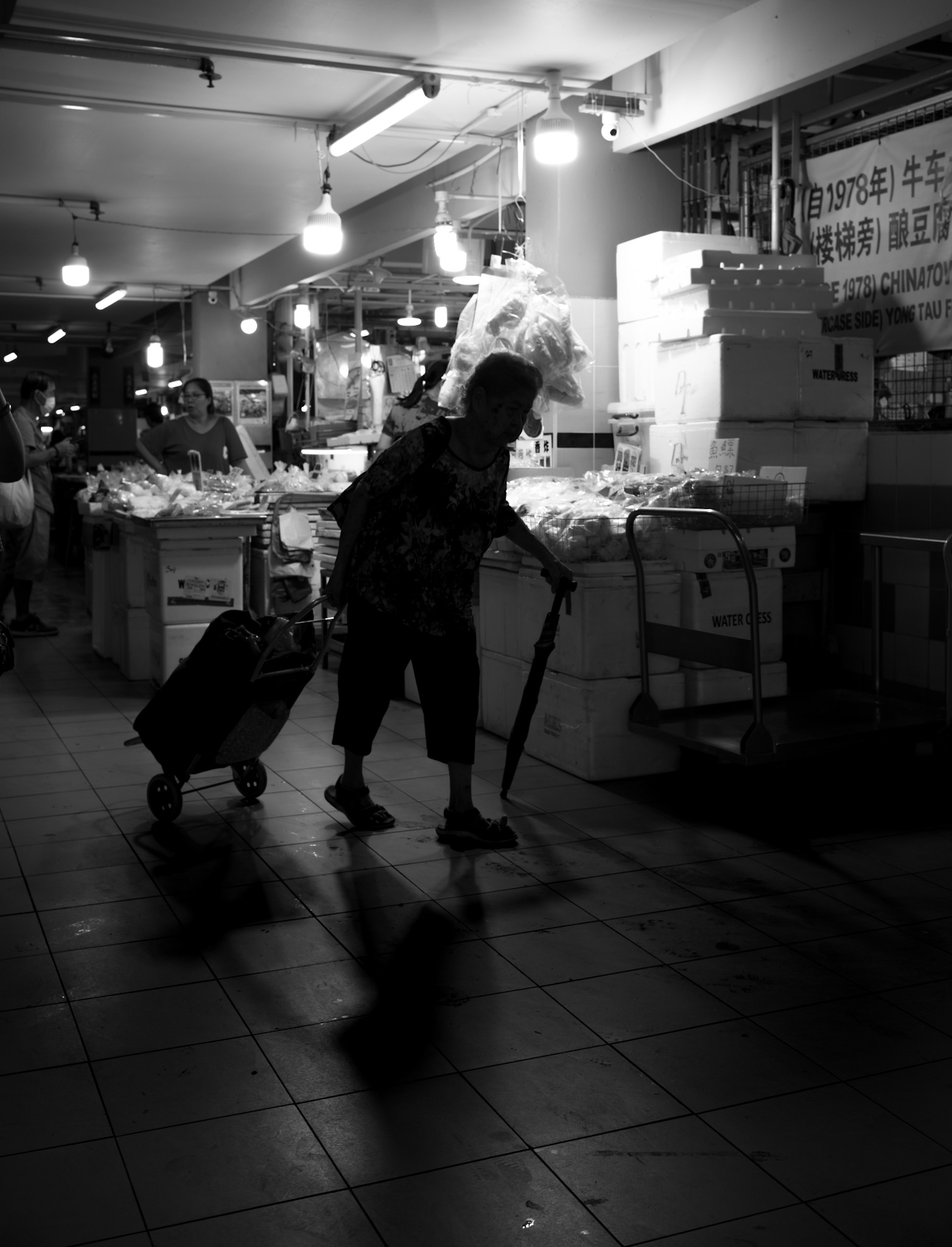
I am considering myself privileged to have seen this amazing place among the several times I’ve been or have lived in Singapore since 1985: memories are in my eyes, in my photos, but mostly in my hearth.



 the-quiet-report.com
Leave a reply to Maurizio “Mau” Vagnozzi Cancel reply