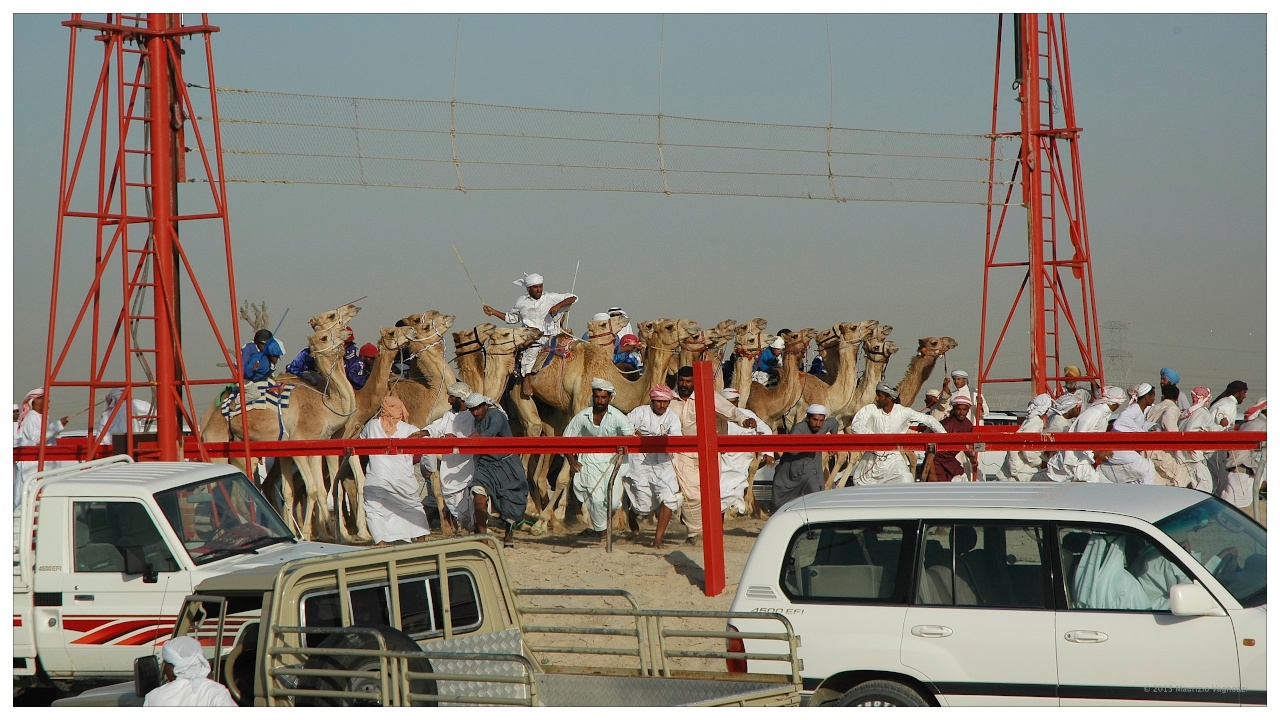
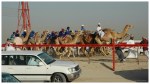
Ancora oggi la consuetudine di usare dei bambini come fantini nelle corse di cammelli negli stati del Golfo Persico è fortemente radicata, malgrado alcuni tentativi legislativi in UAE nel 2002, e in Qatar nel 2009.
Le stime di organizzazioni umanitarie considerano che tra i 5,000 e i 40,000 bambini siano tuttora impiegati: l’impossibilità di stime precise è dovuta alla difficoltà di raggiungere alcune aree rurali e i campi, chiamati “ousbah” dove i bambini vengono tenuti.
I bambini provengono per la maggior parte dal Bangladesh, dal Pakistan e dai paesi dell’East Africa. Spesso sono venduti dalle stesse famiglie, e “contrabbandati” alla stregua di merce. Il Rapporto sul Traffico di Esseri Umani del US Departiment of State riporta:
“These children live in an oppressive environment and endure harsh living conditions. They work long hours in temperatures exceeding 100 degrees Fahrenheit, live in unsanitary conditions, receive little food, and are deprived of sleep so that they do not gain weight and increase the load on the camels they race. They are trained and kept under the watchful eyes of handlers, who employ abusive control tactics, including threats and beatings. Some are reportedly abused sexually. Many have been seriously injured and some have been trampled to death by the camels. Those who survive the harsh conditions are disposed of once they reach their teenage years. Having gained no productive skills or education, scarred with physical and psychological trauma that can last a lifetime, these children face dim prospects. They often end up leading destitute lives. Trafficked child camel jockeys are robbed of their childhoods—and of their future.”
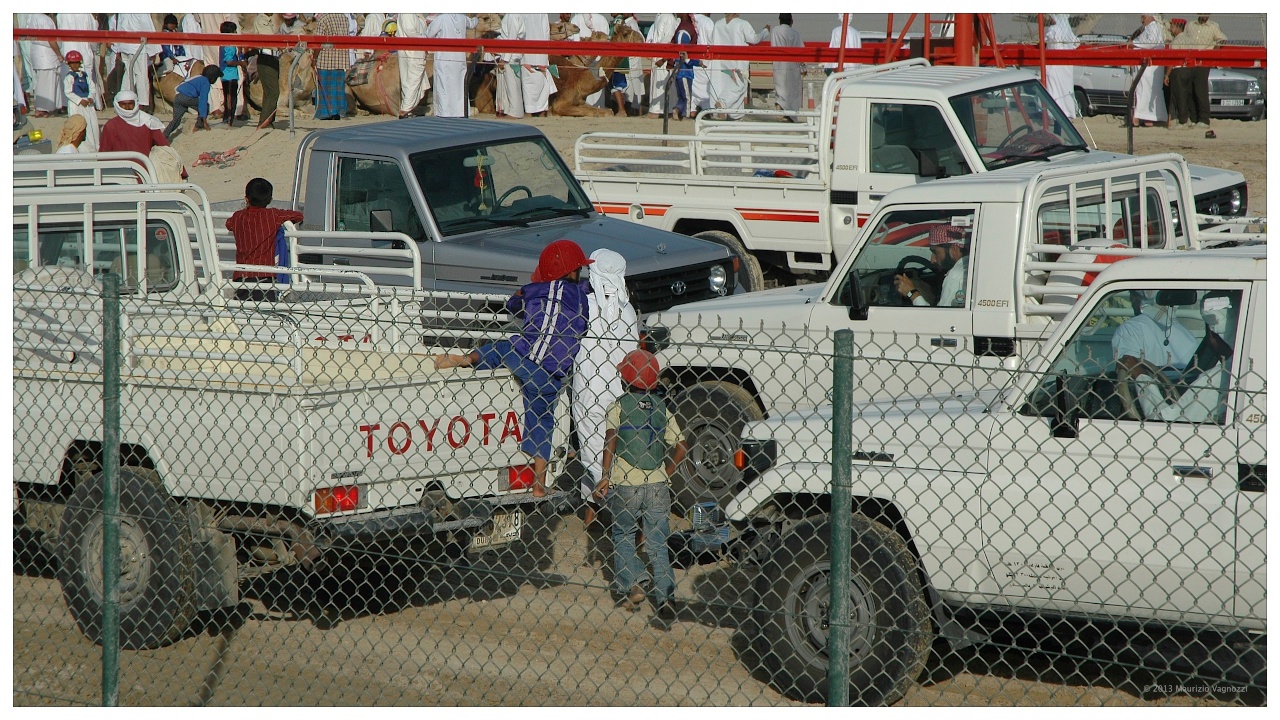
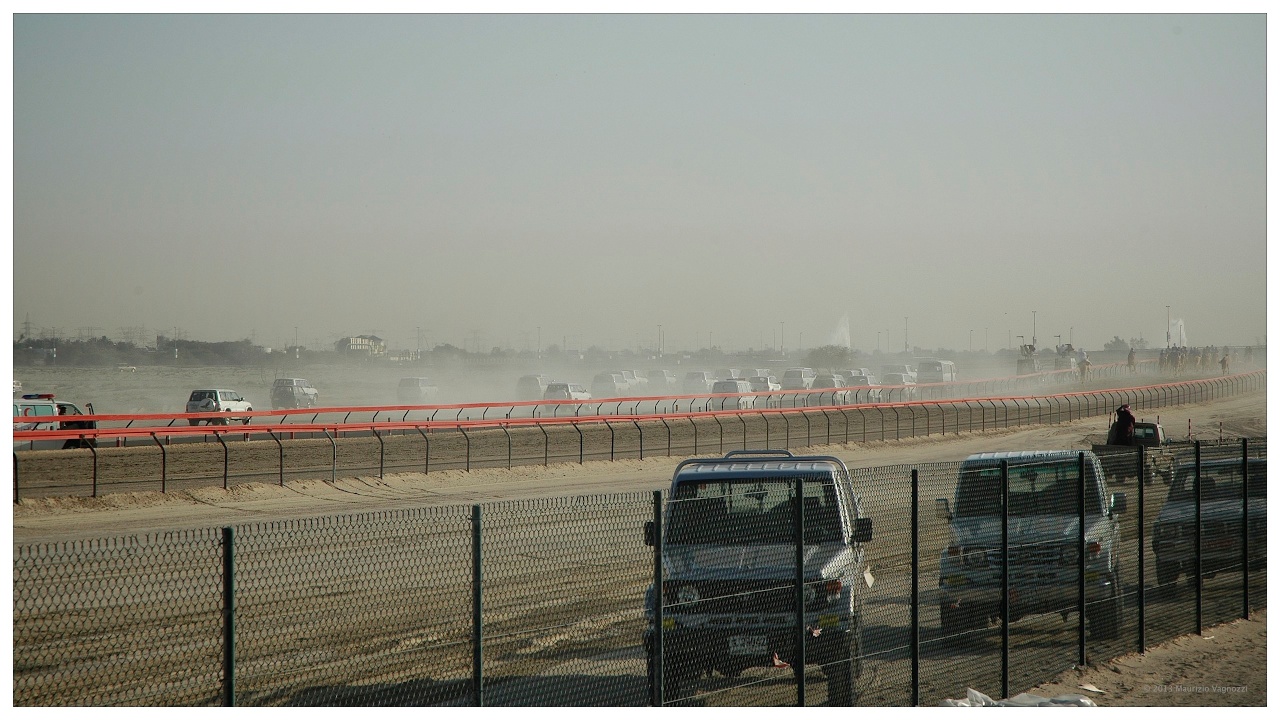
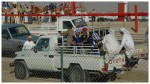
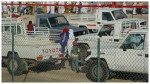
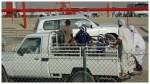
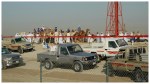
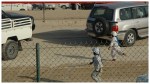
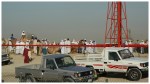
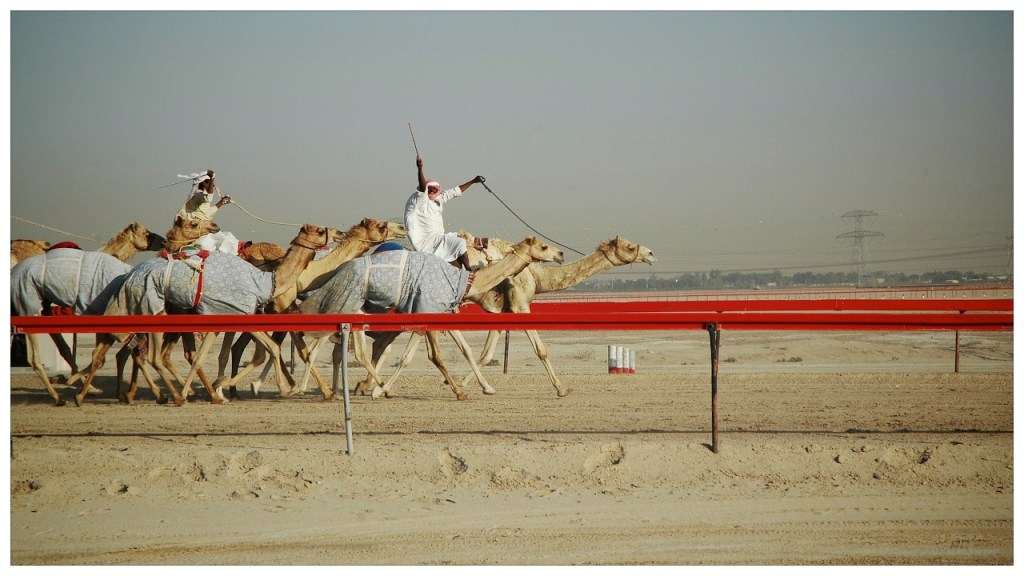
Nel Novembre del 2005 ho scattato queste immagini ….


 the-quiet-report.com
Leave a reply to ste Cancel reply