 In the glass and steel canyons of Seoul, prosperity still feels tangible. Cafés are full, subways hum with precision, and digital screens pulse with the confidence of a country that, within two generations, vaulted from war-torn poverty to membership in the OECD. Yet beneath the luminous skyline, South Korea stands at a profound socio-economic crossroads. Growth has slowed, demographics are turning harsh, and the model that powered its ascent is under strain.
The Growth Machine Under Pressure
For decades, South Korea’s economy rode on exports, technology and industrial concentration. Giants such as Samsung Electronics and Hyundai Motor Company symbolized a state-guided capitalism that married scale with speed. Semiconductors, cars, shipbuilding and petrochemicals propelled the country into the ranks of advanced economies.
But that model now faces structural headwinds. The semiconductor cycle has become more volatile, entangled in geopolitical tensions between Washington and Beijing. South Korea, heavily dependent on exports to China and the United States, finds itself navigating an increasingly fragmented global trade order. Supply chains are being re-wired, subsidies are reshaping industrial geography, and strategic technologies are politicized. For Seoul, the challenge is not merely cyclical recovery but strategic repositioning.
At home, productivity growth has softened. Small and medium-sized enterprises lag behind conglomerates in innovation and wages, reinforcing a dual economy. Youth unemployment, though not catastrophic, masks underemployment and fierce competition for stable corporate or public sector jobs. The term “Hell Joseon,” once popular among disillusioned young Koreans, captured the anxiety of a generation facing high housing prices, intense academic pressure and limited social mobility.
The Demographic Cliff
If economics is the visible concern, demography is the silent emergency. South Korea’s fertility rate has fallen to the lowest in the world—well below one child per woman. The implications are stark: a shrinking workforce, a rapidly aging population and mounting fiscal pressure on pensions and healthcare.
Walk through a neighborhood park in Busan or a quiet street in provincial towns, and the shift is visible. More elderly than children. Schools closing. Rural areas hollowing out. The country that once worried about overpopulation now confronts demographic contraction.
Policy responses—cash incentives for childbirth, housing subsidies, expanded parental leave—have so far failed to reverse the trend. The issue runs deeper than financial support; it touches work culture, gender inequality and the cost of urban life. South Korean women remain among the most educated in the world, yet workplace expectations and uneven domestic burdens discourage family formation. Unless structural reforms address work-life balance and gender equity, demographic decline may persist.
Inequality and Real Estate
The housing market crystallizes broader tensions. In Seoul, apartment prices surged dramatically in recent years, becoming both a symbol of wealth accumulation and a barrier to entry for younger generations. Real estate has functioned as a store of value in a low-interest environment, amplifying wealth disparities between homeowners and renters.
Government efforts to cool speculation have oscillated between tightening and easing regulations, reflecting political sensitivity. Housing affordability is not merely an economic issue; it shapes fertility decisions, social cohesion and political trust. When property becomes the main ladder of upward mobility, inequality calcifies.
Innovation and Soft Power
Yet it would be premature to cast South Korea in decline. The country retains formidable strengths: high educational attainment, digital infrastructure and global cultural influence. From K-pop to film and streaming dramas, Korean soft power has reshaped global entertainment markets. Cultural exports generate revenue but, more importantly, project a modern, creative identity that transcends traditional manufacturing.
The policy debate increasingly centers on upgrading from industrial prowess to innovation ecosystems—biotechnology, artificial intelligence, green energy and advanced materials. Public and private investment in R&D remains among the highest in the world as a share of GDP. The question is whether this investment can generate broad-based opportunities rather than deepen concentration around existing conglomerates.
Geopolitics and Security
Overlaying economic and demographic concerns is an enduring security tension with North Korea. Periodic missile tests and diplomatic stalemates remind South Koreans that geopolitical risk is not theoretical. Defense spending remains robust, and alliances—particularly with the United States—shape strategic choices. Meanwhile, balancing relations with China, a crucial trading partner, requires diplomatic finesse.
In an era of U.S.–China rivalry, South Korea’s export-oriented model must adapt to a world less hospitable to globalization. Industrial policy is returning globally; Seoul is both a beneficiary and a participant. The challenge lies in maintaining openness while safeguarding technological sovereignty.
Three broad scenarios suggest themselves.
In a reformist scenario, structural labor reforms, gender equality measures and targeted immigration partially offset demographic decline. Investment in green and digital sectors broadens the economic base beyond semiconductors. Housing supply expands, easing generational resentment. Growth stabilizes at modest but sustainable levels.
In a stagnation scenario, demographic contraction accelerates while productivity gains fail to compensate. Fiscal burdens rise, inequality deepens and political polarization intensifies. South Korea remains wealthy but less dynamic, its global influence steady yet constrained.
In a transformative scenario, crisis becomes catalyst. Faced with demographic urgency, policymakers embrace more radical measures: significant immigration reform, automation at scale, and reconfiguration of urban planning toward family-friendly design. Corporate governance evolves, allowing smaller firms to flourish alongside conglomerates. Social norms around work and gender shift decisively.
South Korea’s history argues against complacency. Few nations have demonstrated such capacity for reinvention. The same society that rebuilt from rubble and pioneered high-speed broadband may yet redefine what a post-industrial, aging democracy can look like.
For now, the skyline of Seoul still gleams. But the true test lies not in the brightness of its towers, but in whether the foundations—demographic, social and economic—can be strengthened for the decades ahead.
As I’m boarding a flight right now, THE QUIET REPORT will take a short break for the next few weeks.
Long story short, I’m off to South Korea. Main destinations are Gyeonjgu, Busan and Seoul — crossing the Country by train, hand in hand with a couple of Leica cameras, documenting sensations and memories. Hold your horses, and stay tuned for more!
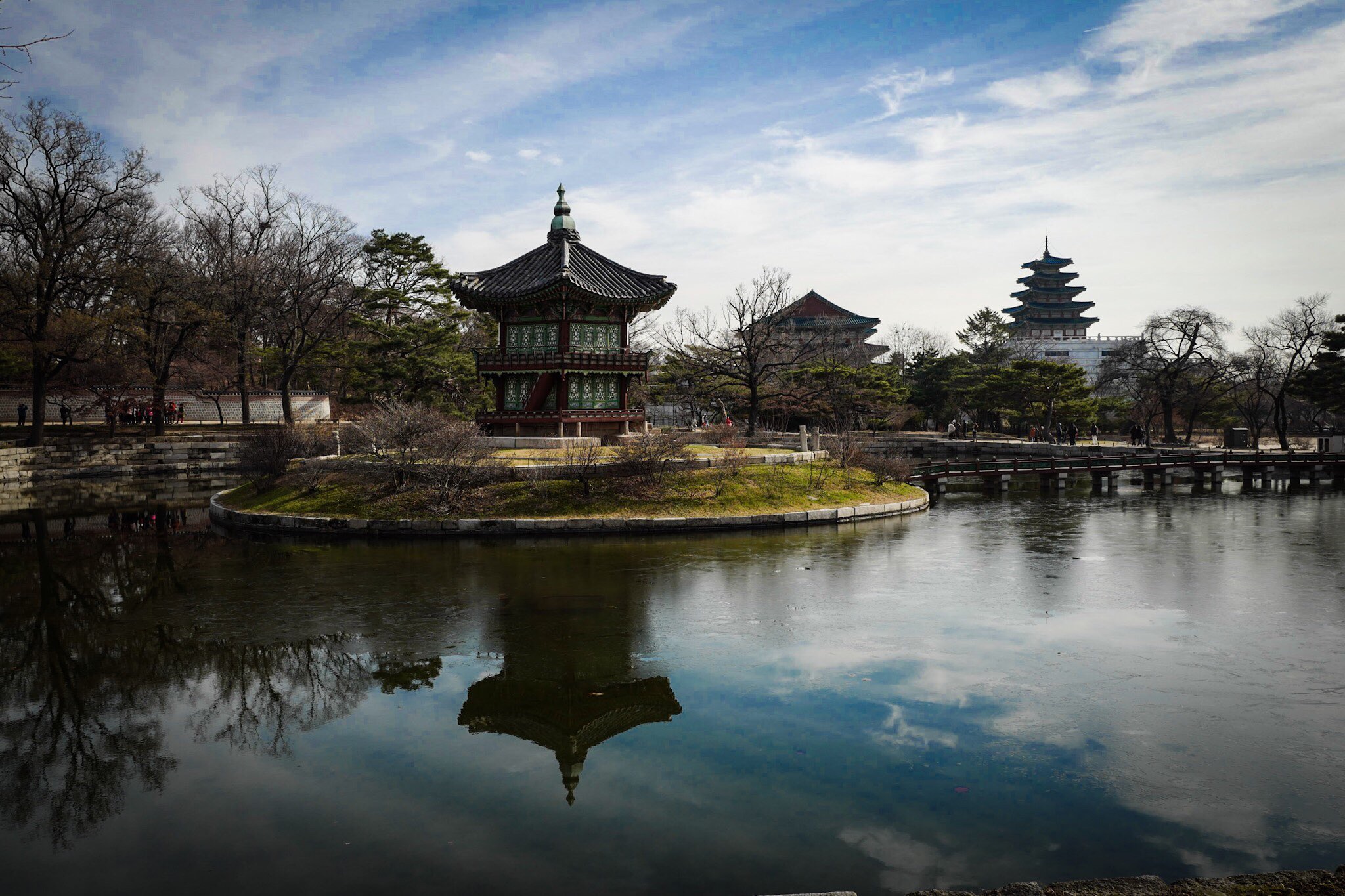
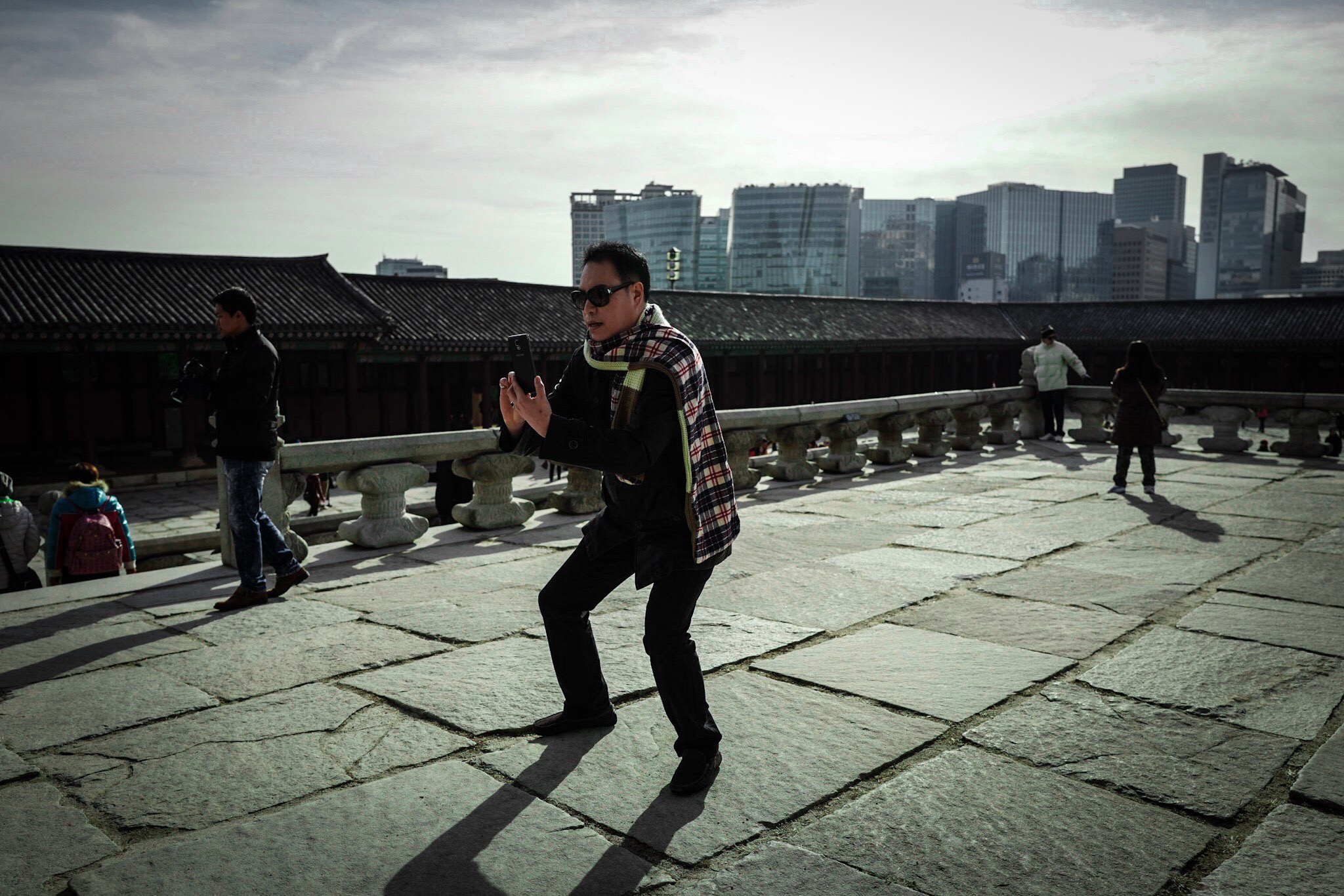
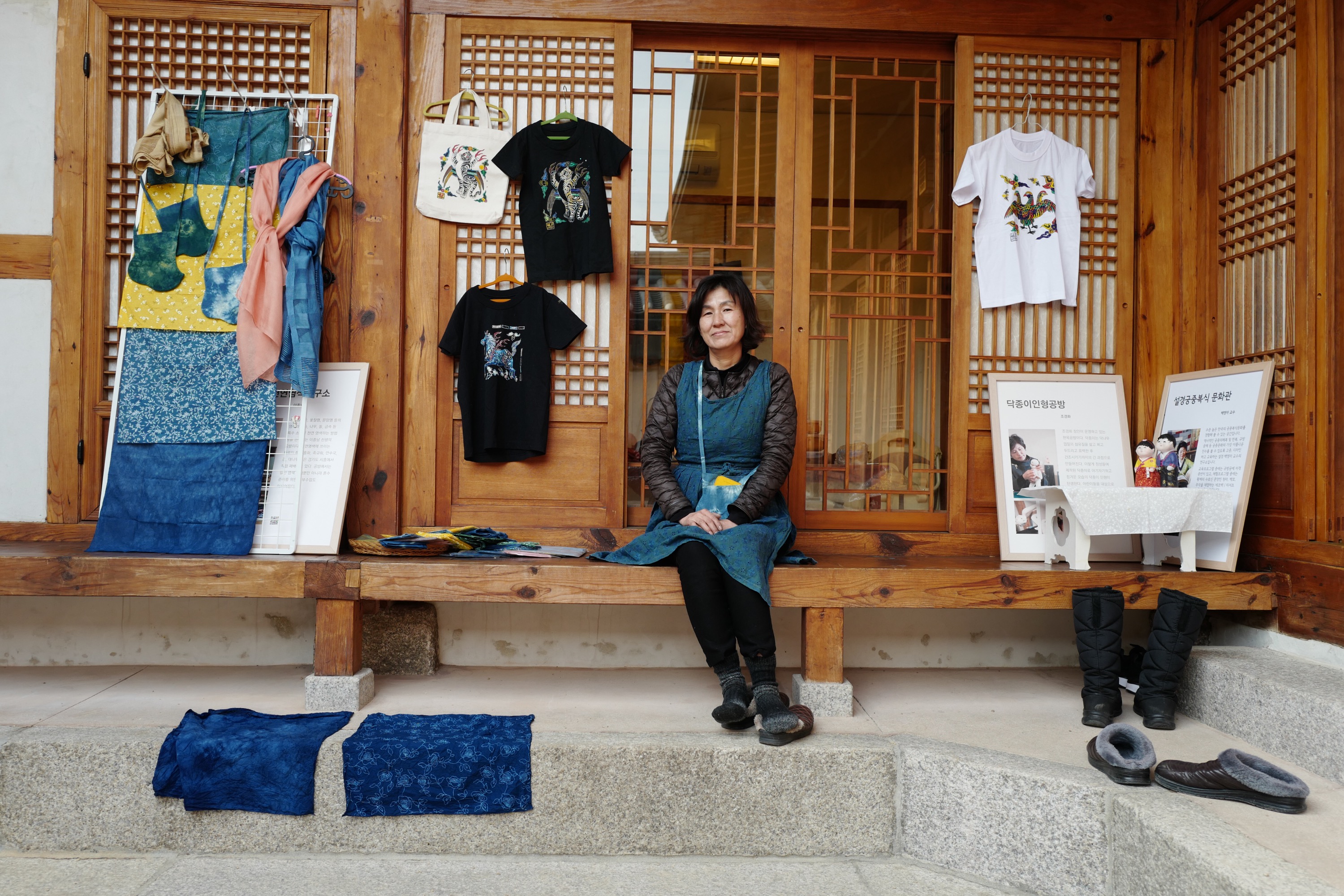
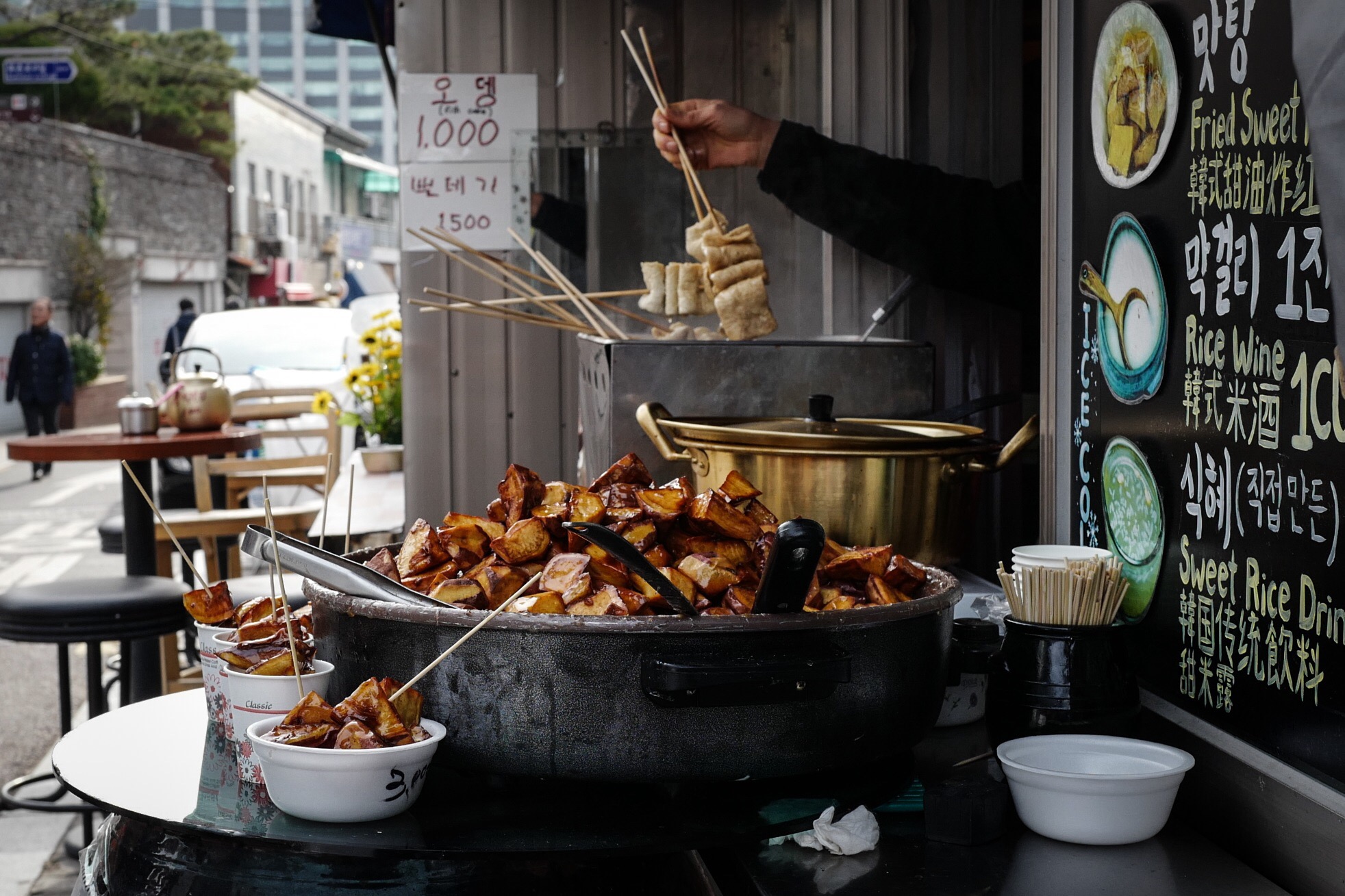
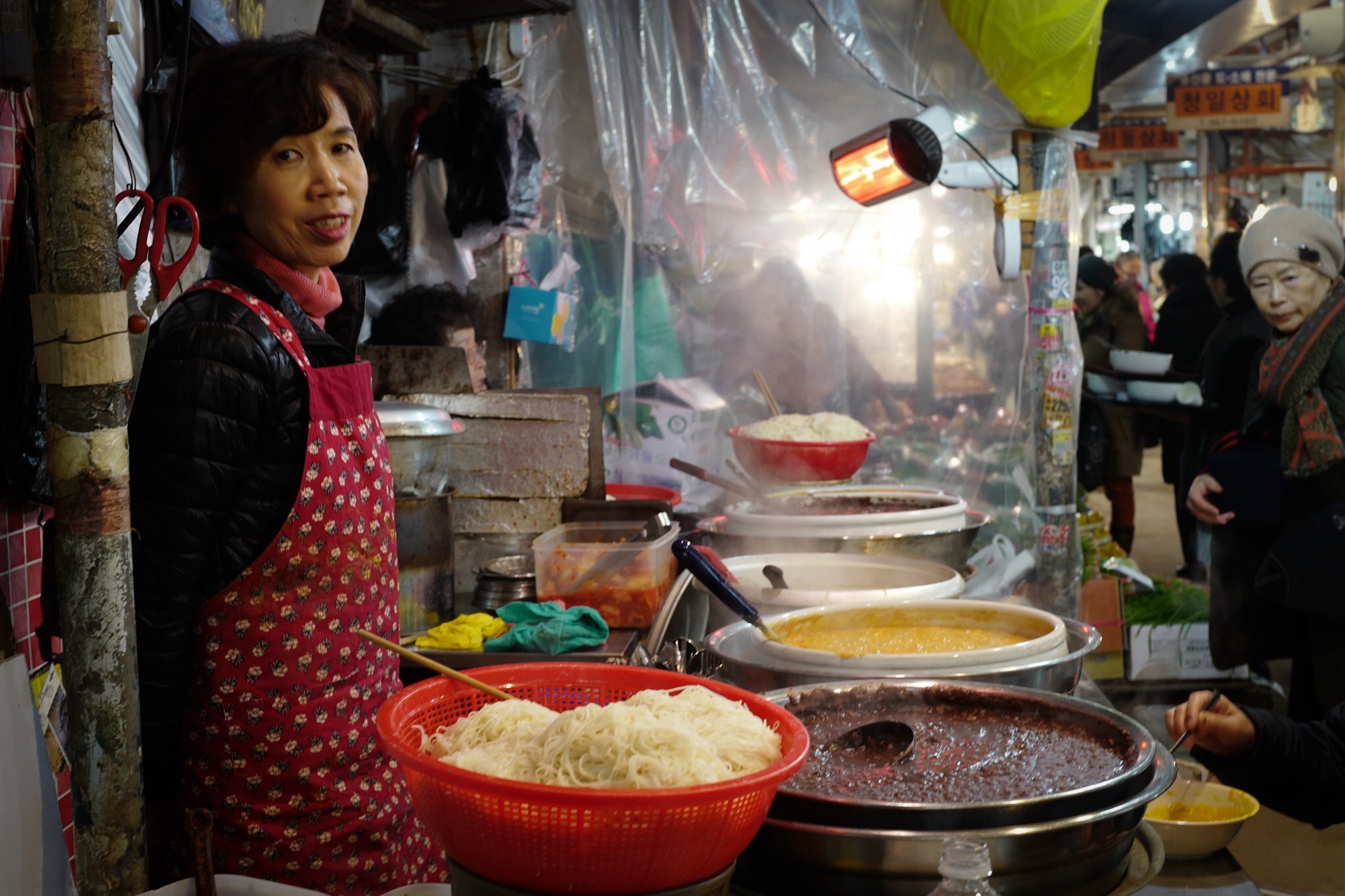
Photos in this article were taken in Seoul during December 2015.


 the-quiet-report.com
Leave a comment