 The news arrives wrapped in numbers. Japan is aging fast. South Korea follows. Taiwan is not far behind. Charts slope upward. Ratios invert. Headlines speak of crises, burdens, unsustainable futures. I read them, nod, and then put them away. Because none of this explains what I see when I walk.
What I see are objects.
In Japan, the morning begins with a rhythm slower than before, but not hesitant. An old man crosses the street pulling a trolley that seems almost weightless, its wheels larger than necessary, its handle angled just right. It does not scrape, does not wobble. It glides. Someone thought about this. Someone designed it for hands that no longer want to fight gravity.
In South Korea, near a market entrance, a woman unfolds a stool no higher than her calf. She sits, stands, sits again. The stool opens and closes with one practiced motion, like a reflex learned long ago. It is not furniture. It is an extension of the body. The city has made room for pauses.

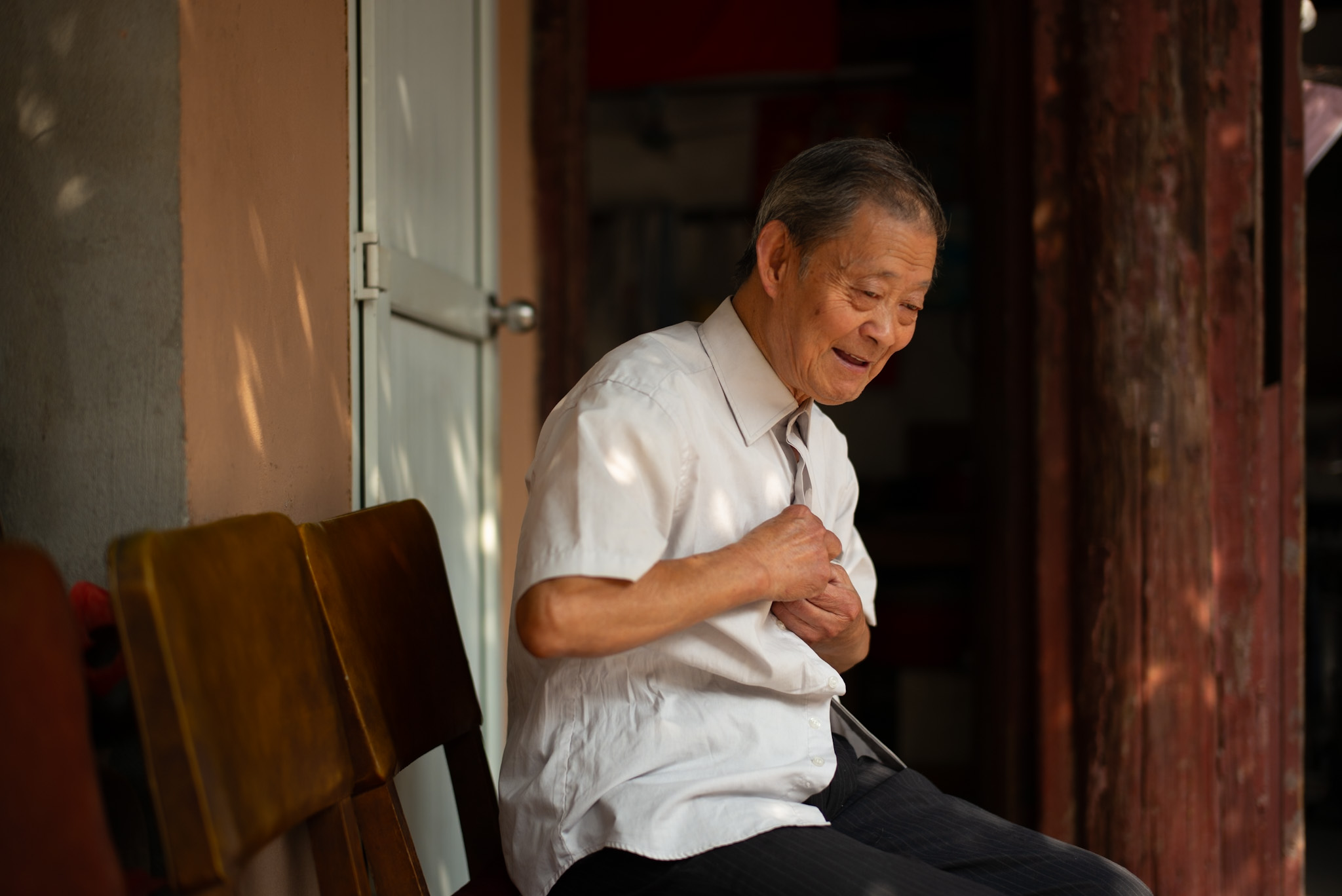
In Taiwan, outside a temple, old men gather not on benches but on low plastic chairs, the kind you can lift with two fingers. They arrange them in a loose semicircle, then adjust the angle, a few centimeters at a time, until conversation aligns with comfort. No one rushes. The chairs wait as patiently as their owners.
This is how aging reveals itself in Asia—not as absence, but as adaptation.
You begin to notice walking rhythms. Short steps. Deliberate stops. The choreography of crossing a street when acceleration is no longer an option. Traffic lights seem just a bit more generous here, or maybe drivers have learned to read the pace of bodies ahead of them. Movement bends, rather than breaks.
The city listens.
What fascinates me is how little of this is spoken. There are no banners announcing care, no campaigns explaining accommodation. Instead, the adjustments sink into the material world. Handles become softer. Wheels grow larger. Seats become lighter. Edges round themselves off.
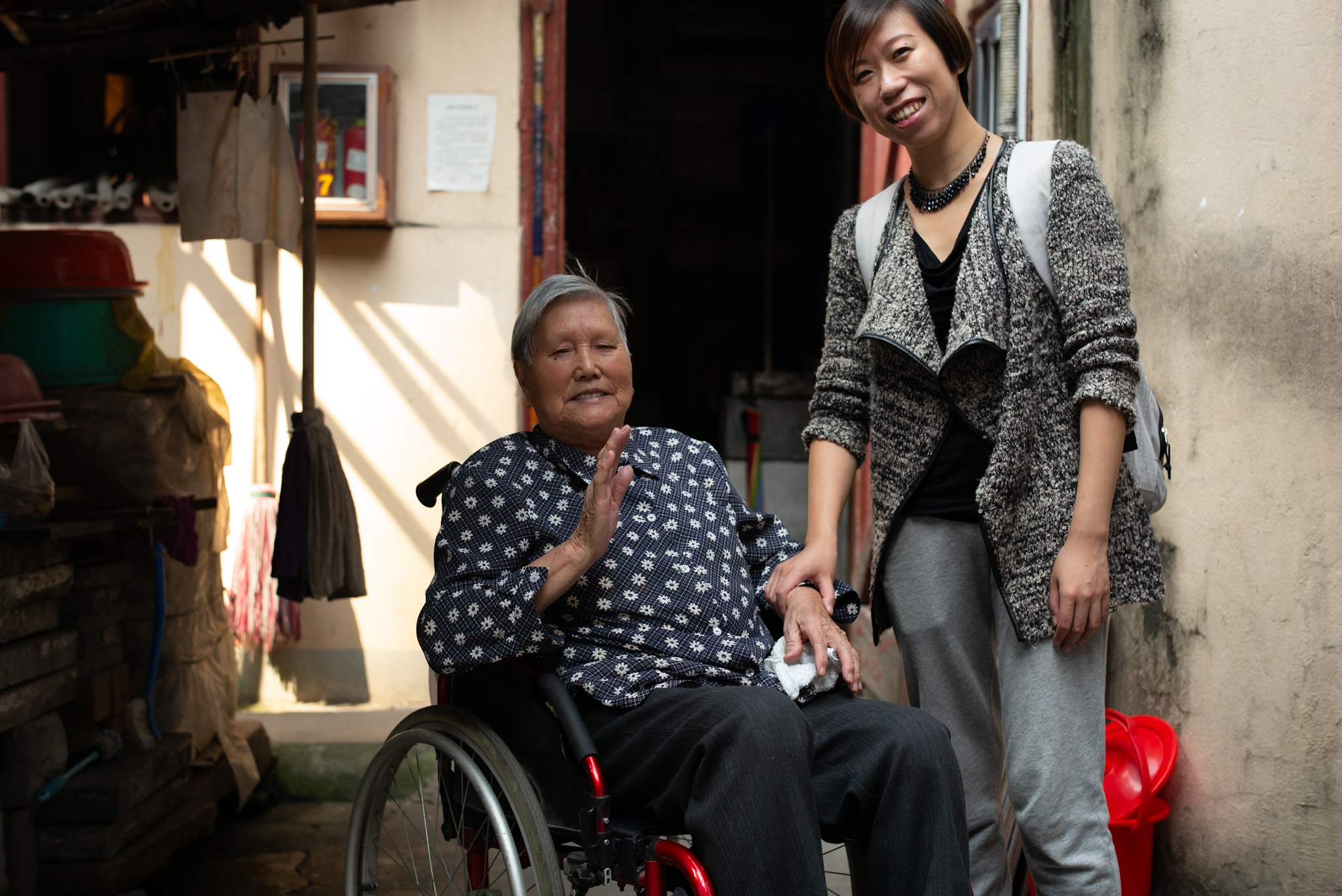
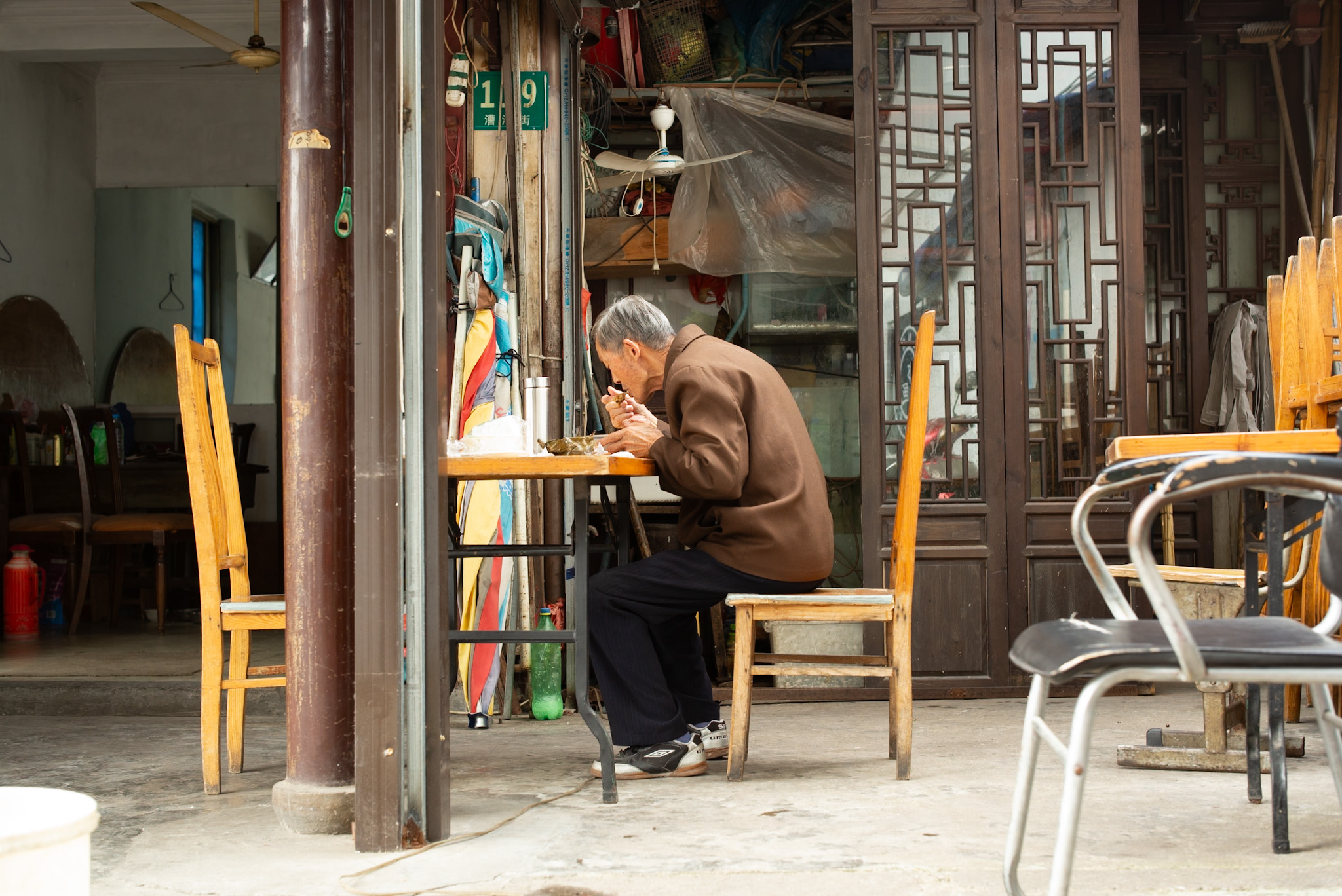
A folding chair leans against a wall, waiting. A trolley rests beside a doorway, its metal frame scarred by years of service. These are not symbols of decline. They are tools of continuity.
In places where youth once dominated the visual language—advertising, fashion, speed—another grammar is emerging. It is quieter. It privileges endurance over performance. Objects are no longer designed to impress, but to accompany.
In Japan, convenience stores stock magnifying glasses near the counter. Not prominently. Just there. In South Korea, markets offer handcarts that fold inward, becoming compact enough to slide beside a refrigerator at home. In Taiwan, temples place stools near incense burners, acknowledging that devotion, too, requires rest.
None of this appears in demographic reports.

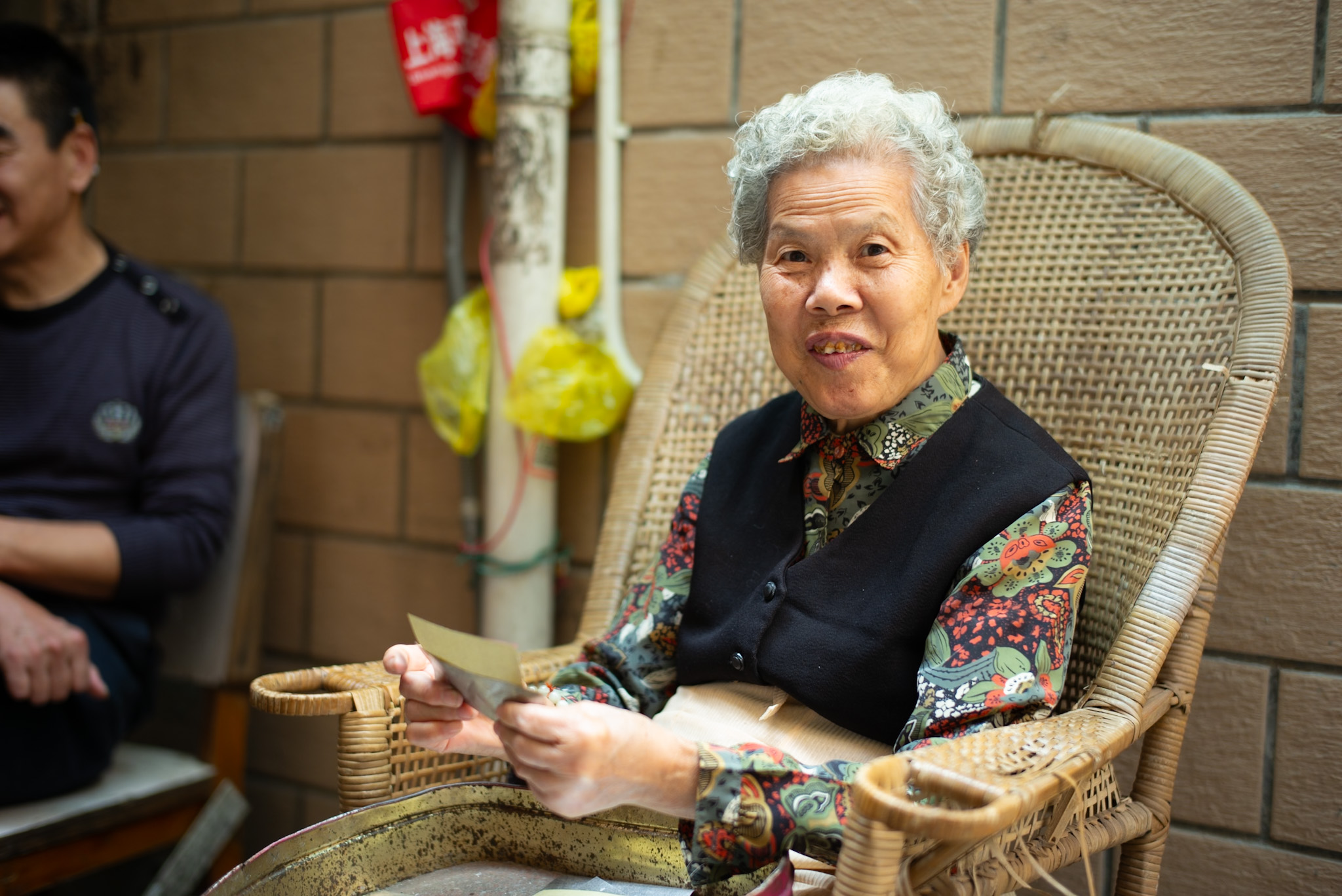
What appears instead is the myth that aging societies slow down. On the ground, I see something else: societies becoming more precise. Less wasteful with movement. Less tolerant of excess effort. The city learns to economize energy, not money.
Old hands know exactly how much strength they have left. They do not spend it carelessly.
This knowledge shapes design in ways younger societies rarely consider. A trolley is not judged by how much it can carry, but by how gently it moves when half-full. A chair is not evaluated by its look, but by how easily it forgives a bad knee. A street is not successful because it is fast, but because it allows hesitation without punishment.
Watching this, I realize how much of modern urban life is built for the wrong bodies. Fast bodies. Strong bodies. Temporary bodies. Asia’s aging cities are quietly correcting that mistake.
There is dignity in this correction.
The old do not disappear from the street. They remain visible, central, present. They occupy space not by demanding it, but by shaping it through use. Their objects leave traces: worn handles, smoothed edges, repaired joints. Evidence of persistence.
The news will continue to speak of aging as a problem to be solved. But the streets tell a different story. They tell of hands that have learned to negotiate weight, time, and balance. Of cities that respond not with alarm, but with design.
In the end, aging is not just a demographic shift. It is a change in touch. And if you pay attention—really pay attention—you can feel it in the way a trolley rolls, a chair unfolds, a step finds the ground.
Photos: Shanghai and vicinity, 2014, Leica M Type240 and a vintage 35mm Summilux.



 the-quiet-report.com
Leave a comment