 The news arrives as a whisper disguised as data. China is flirting with deflation, economists say. Consumption is weak. Households are cautious. Prices of non-essential goods slip downward. The vocabulary is familiar, abstract, safe. It lives comfortably in spreadsheets.
I leave it there and walk into a market.
At first glance, everything seems normal. Stalls are open. Lights are on. Vegetables are arranged with care. Fish lie on ice. Nothing looks broken. But the market sounds different. Or rather, it doesn’t.
There is no shouting.
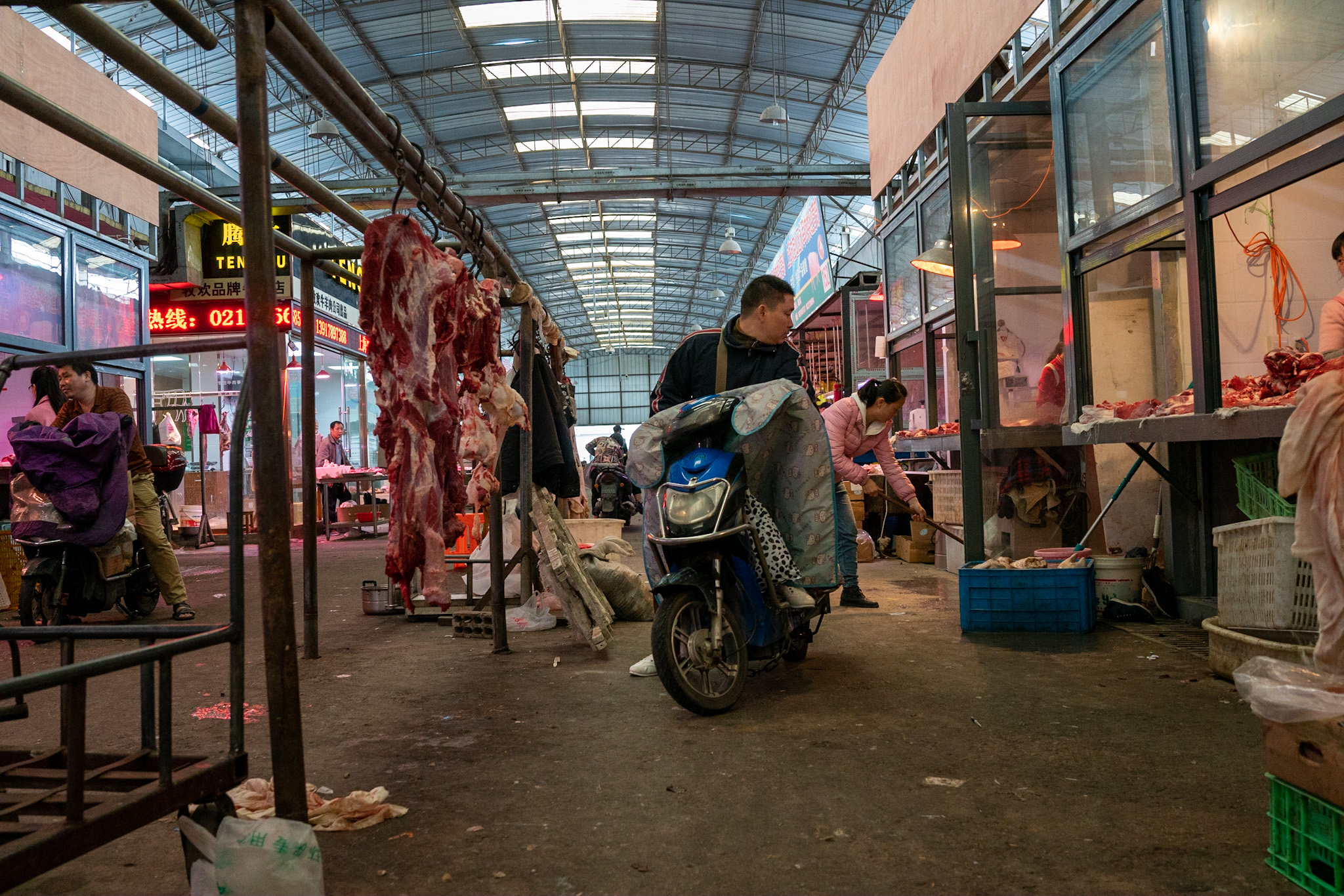
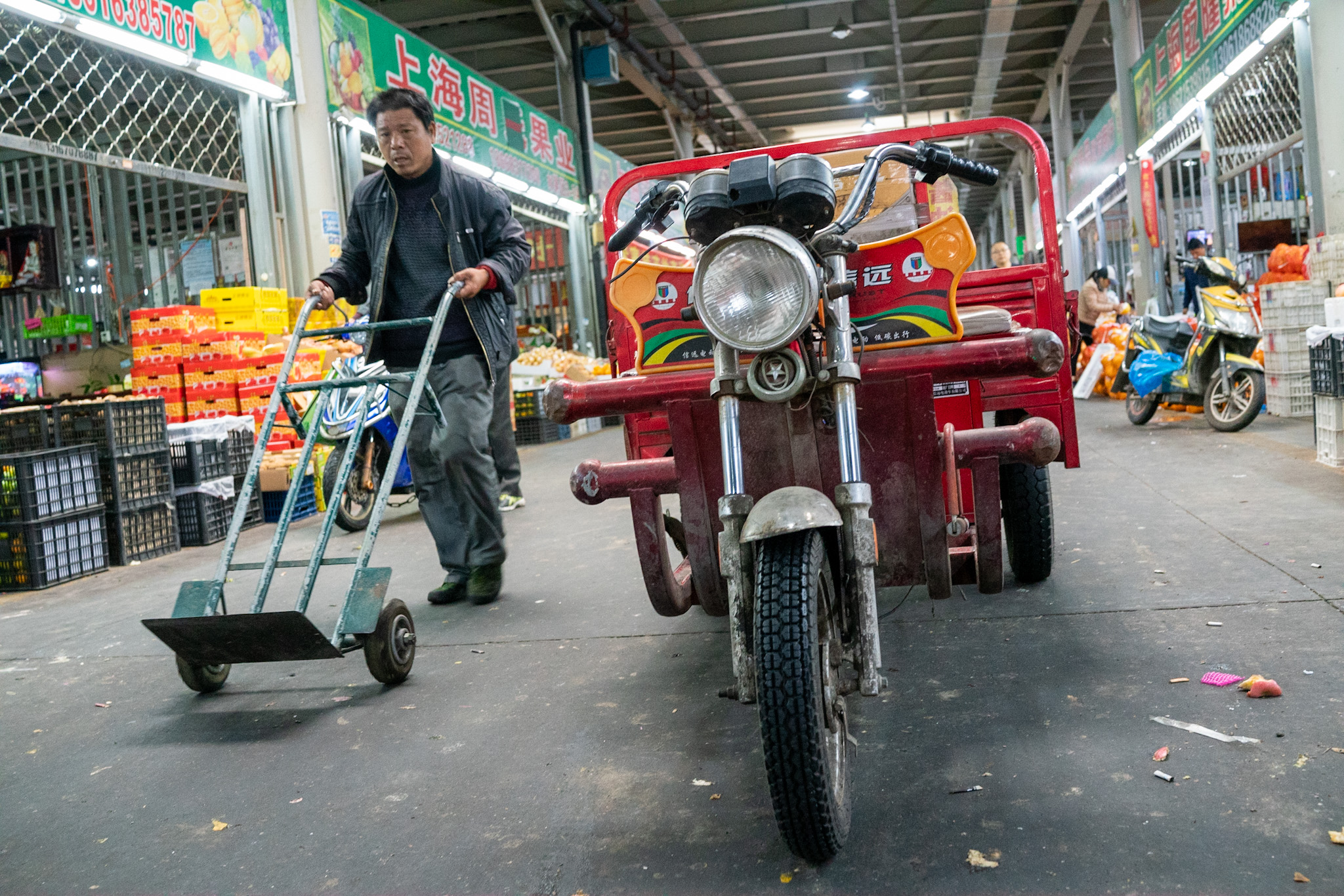
In the past, the market announced itself before you saw it. Vendors called out prices, jokes, invitations. Voices overlapped, competed, filled the air with urgency. Today, they sit. They wait. Some scroll on their phones. Others watch the flow of people with the patience of fishermen staring at still water.
Deflation, here, is not a fall in prices. It is a pause in gestures.
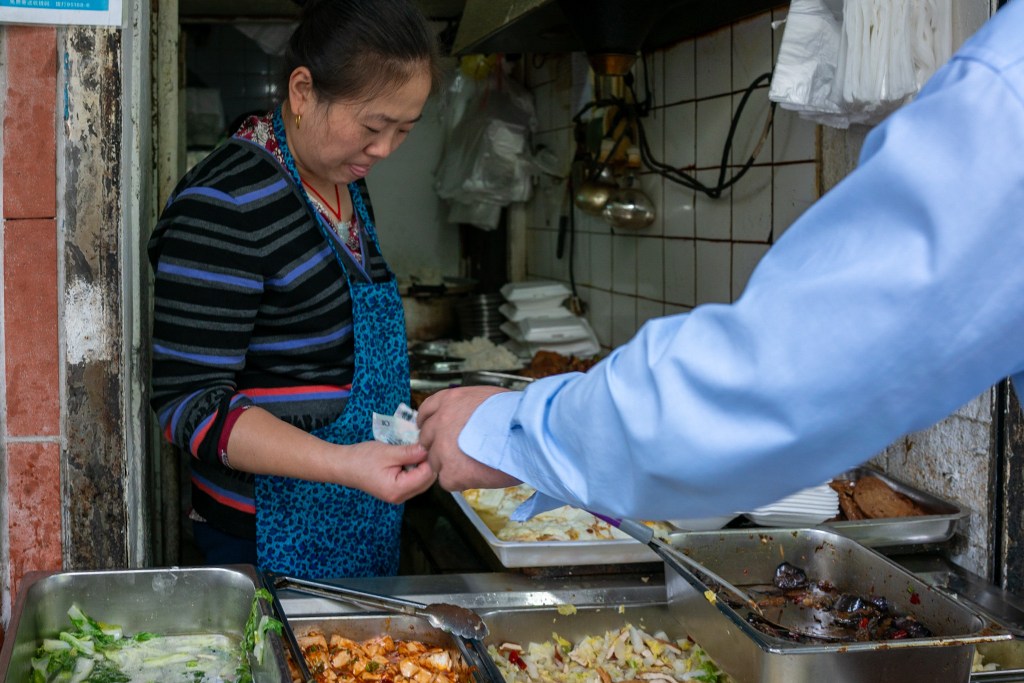
You notice it in the portions. A woman asks for pork, not by weight, but by amount. The vendor cuts a piece slightly smaller than yesterday’s without comment. No negotiation follows. Both sides understand. What matters is not value, but restraint.
Non-essential goods are present, but they behave as if they are optional. Clothes hang untouched, colors fading slightly under fluorescent lights. Household items gather dust at the edges of the stall, pushed back to make room for necessities that move more reliably: rice, oil, greens. The hierarchy of needs has tightened.
What is missing is not merchandise. It is impulse.
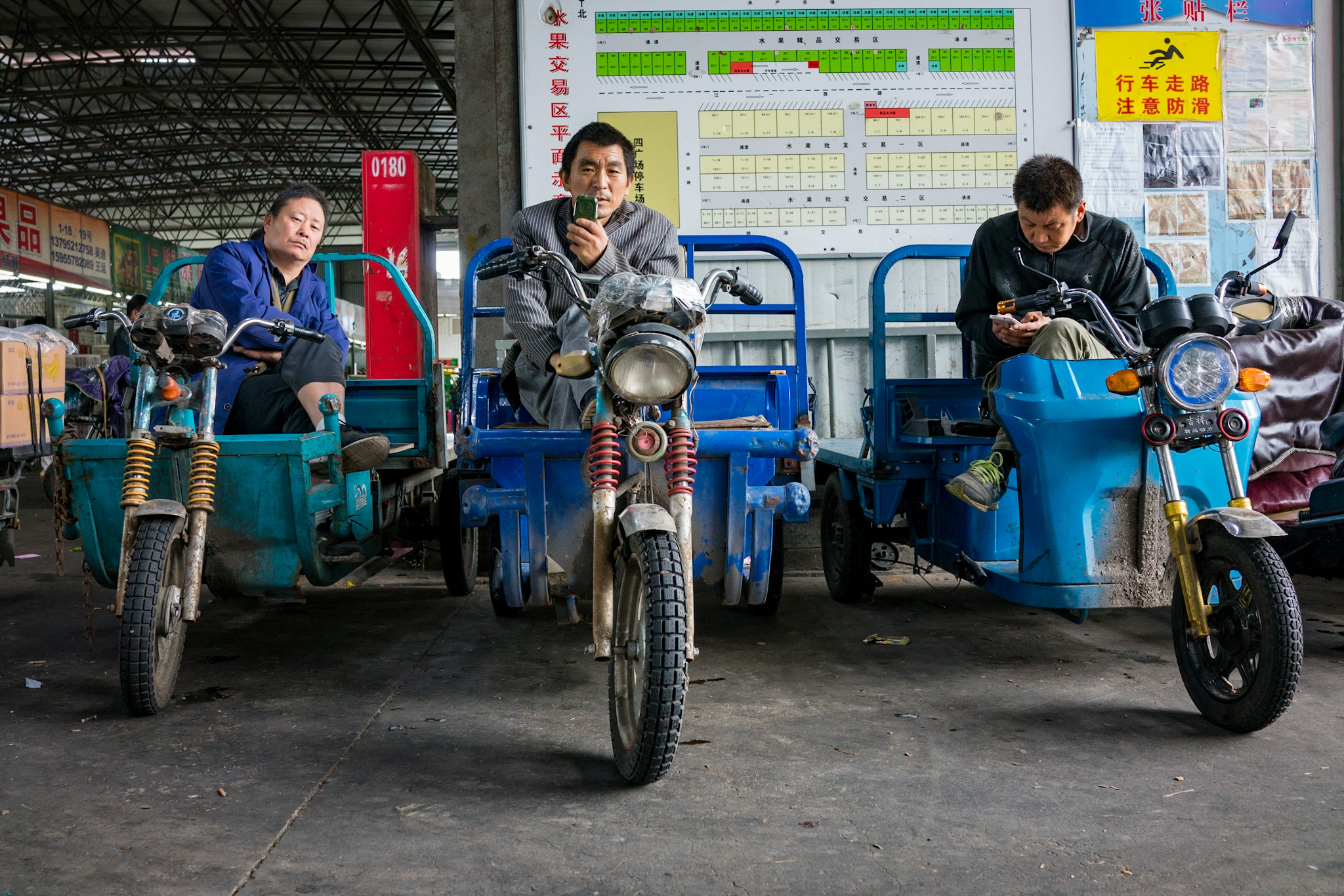
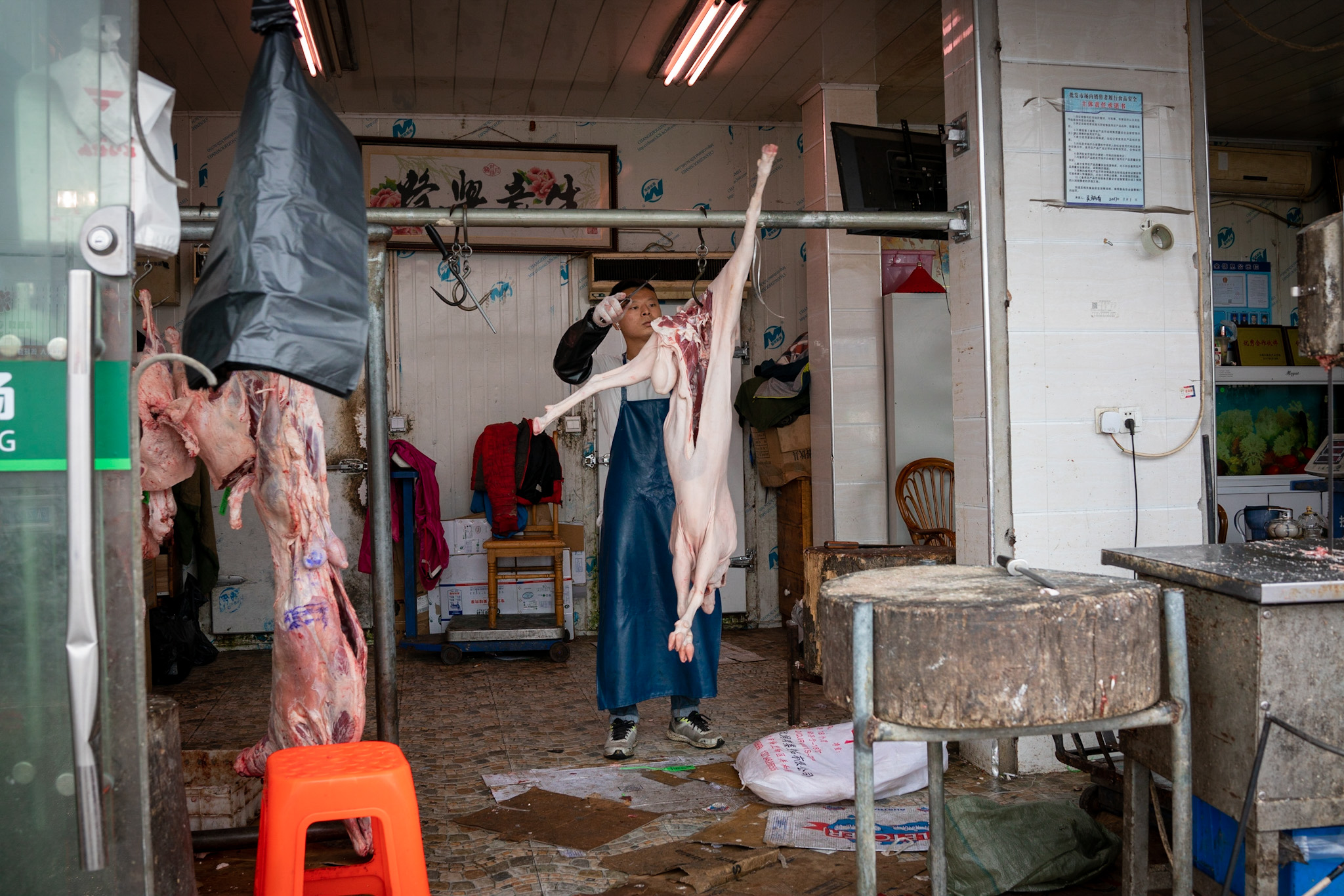
In another aisle, a vendor who once specialized in snacks now sells only two kinds instead of six. He tells no story. He does not promote. He has learned that enthusiasm costs energy, and energy must be conserved. He will open tomorrow. That is success enough.
Markets are excellent listeners. They absorb moods long before they register trends. When people are optimistic, they linger. They browse. They buy things they did not plan to. When caution takes over, movement becomes linear. People arrive with lists, leave without detours.
Today, the paths are straight.
Deflation, economists tell us, is dangerous because it encourages waiting. Why buy now if prices will be lower tomorrow? In the market, waiting has already arrived. Not as strategy, but as instinct. People buy what they need and nothing more. The future is held at arm’s length.
Vendors adapt quietly. They reduce variety. They shorten opening hours. Some remove stools that once invited conversation. Standing discourages lingering. Efficiency replaces warmth, not out of cruelty, but necessity.
What strikes me most is the absence of panic. There is no drama. No collapse. Just an economy exhaling.
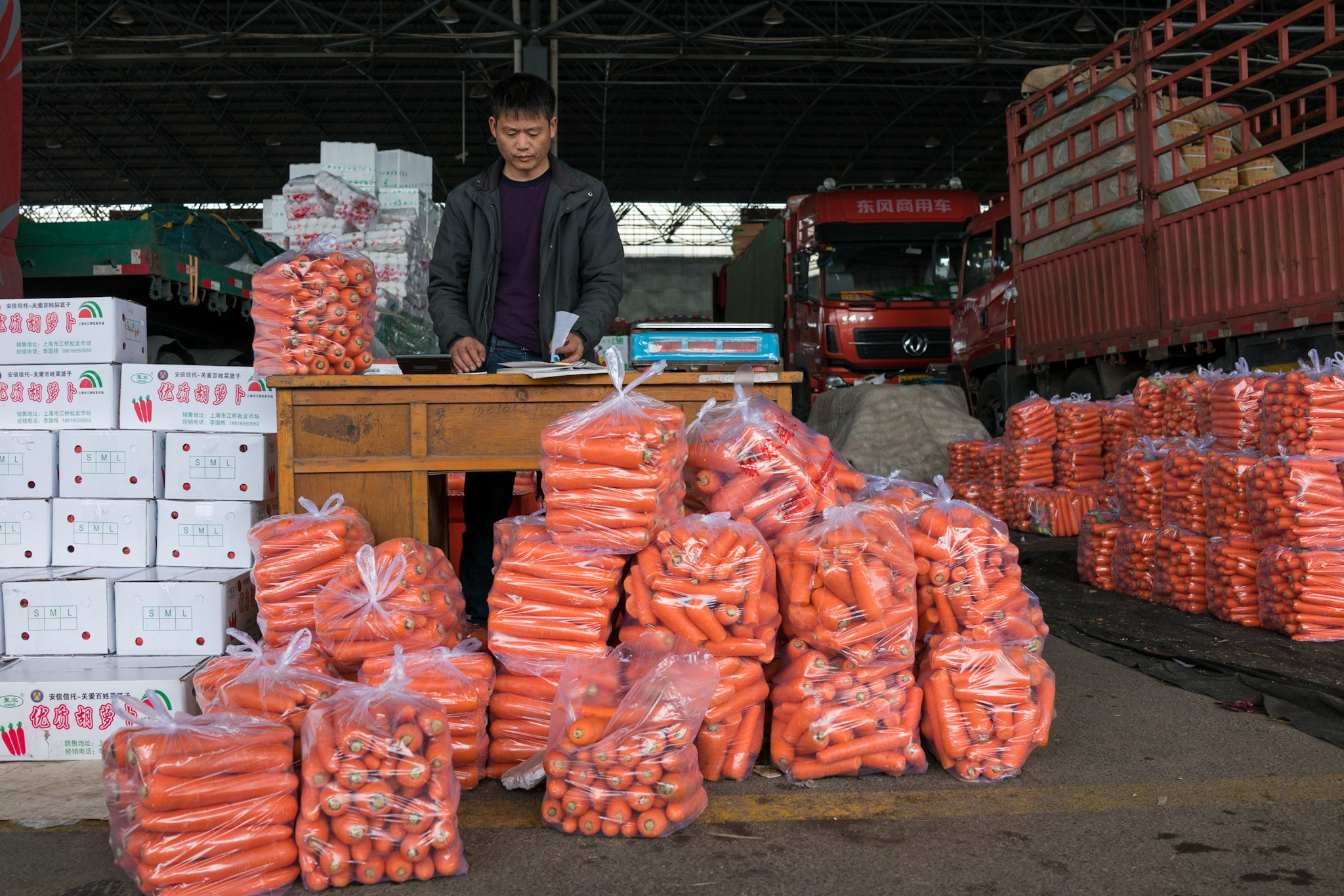

China has lived through louder moments. Booms that roared, crashes that shook cities overnight. Deflation does not roar. It settles. It lowers the ceiling of expectations. It teaches everyone to make themselves smaller.
In a fish section, tanks bubble softly. Fewer species than before. Less movement. The fish are alive, but subdued. A metaphor too obvious to ignore. Life continues, but with caution.
The vendor meets my eyes, then looks away. He is not trying to sell me anything. He is waiting for someone who already knows what they want.
This is the sound of deflation: the space between transactions.
Not the fall of prices, but the thinning of noise. The disappearance of persuasion. The market still functions, but it no longer performs. It has stopped asking for attention.
Later, outside, delivery scooters idle with engines off. Riders chat instead of rushing. Time stretches. When movement resumes, it does so without urgency.
Walking away, I realize how misleading it is to discuss deflation as an anomaly, a technical phase to be corrected. On the street, it feels like a social adjustment. A collective decision to conserve, to wait, to hold back.
The GDP will report this eventually, in percentages and revisions. But the market has already spoken. It has lowered its voice. And if you listen closely, you hear not collapse, but restraint—an economy learning to live more quietly.
Photos from a visit to Shanghai markets in late 2017. Sony RX1R2
 the-quiet-report.com
Leave a comment