 Vietnam is booming. This is the sentence that opens every briefing, every investor deck, every newspaper column written at a distance. Growth rates climb. Foreign capital arrives. Factories multiply along highways that did not exist a decade ago. Vietnam, we are told, has found its moment, and I stand on a pavement where that moment splits in two.
On one side of the road, a bus unloads workers in identical jackets, logos stitched on the chest. A supplier to Samsung, or to someone who supplies Samsung—this is how the story usually goes. The factory gate opens and closes with mechanical certainty. ID cards flash. Time is counted in shifts. Productivity hums.
On the other side, a woman sets down a pot of soup.

She has no logo. No gate. No schedule beyond the day itself. She arranges her plastic stools carefully, spacing them just far enough to allow knees to bend without colliding. The pot releases steam that carries the smell of fish sauce, herbs, something sweet. She is not part of Vietnam’s miracle. She is Vietnam.
The two economies face each other across a strip of asphalt no wider than a truck. They share the same air, the same dust, the same heat. They do not meet.
The factory side speaks in volumes and forecasts. It has security guards, loading bays, laminated signs in English and Korean. Trucks arrive in sequences planned weeks in advance. Containers come and go. The world is abstracted into parts and schedules. What is produced here will travel far, acquiring value with every border crossed.
The soup will not travel at all.
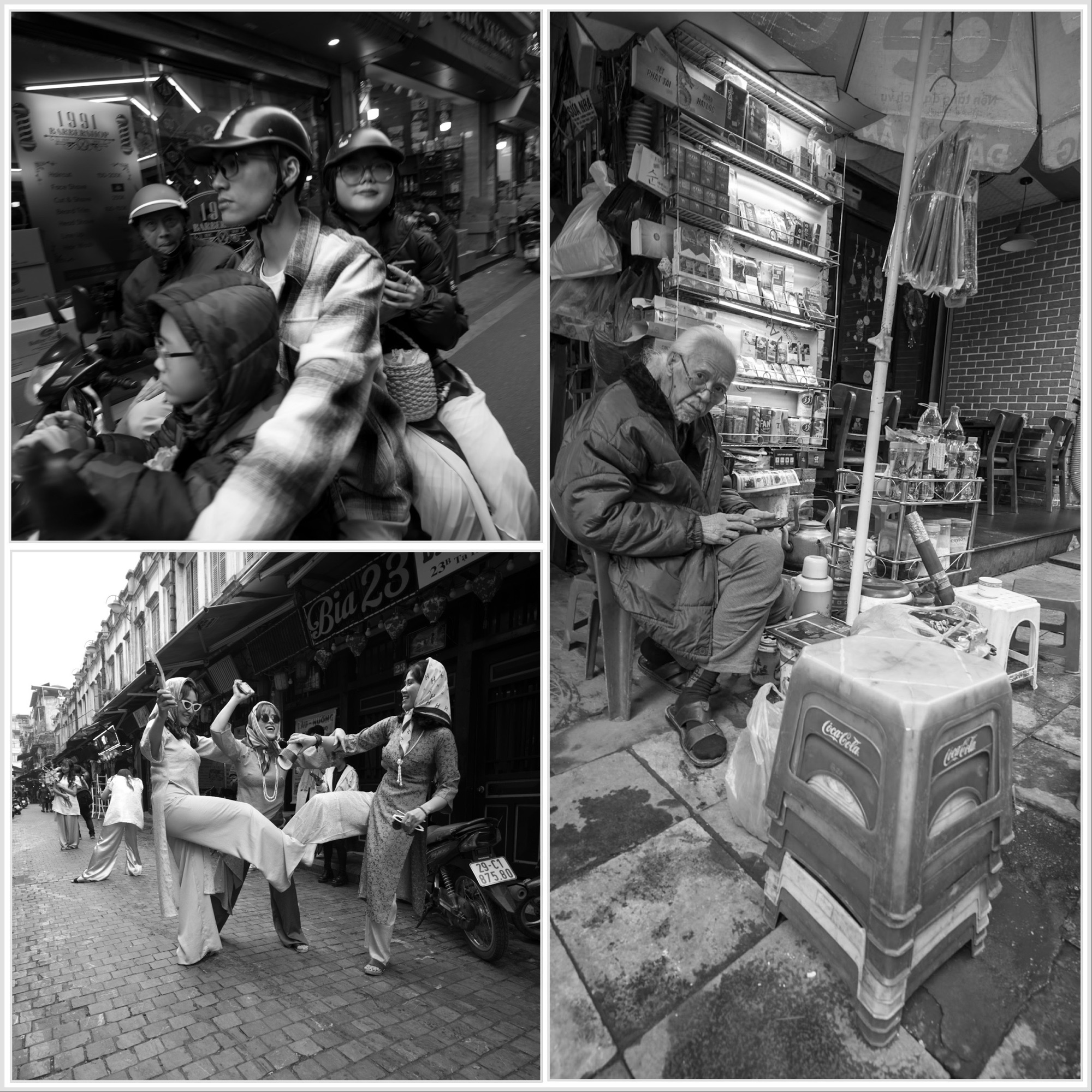
It will be eaten within meters of where it was made. It exists only for the duration of hunger. When the pot is empty, the economy collapses neatly into itself. No leftovers. No inventory. No growth.
This is the unevenness of Vietnam’s boom, but not in the way charts suggest. It is uneven in texture, in visibility, in dignity.
The woman selling soup is not poor in the way foreign observers expect. She is busy. Efficient. Exact. She knows her customers by posture before they speak. She adjusts portion sizes with an instinct no algorithm can replicate. Her margin is thin by design. She is not building capital. She is maintaining balance.
Across the road, value is accumulated invisibly. Salaries are transferred electronically. Bonuses appear once a year. The work is clean, repetitive, abstract. Workers exit the gate carrying nothing they made with their hands.
At lunchtime, some of them cross the road.
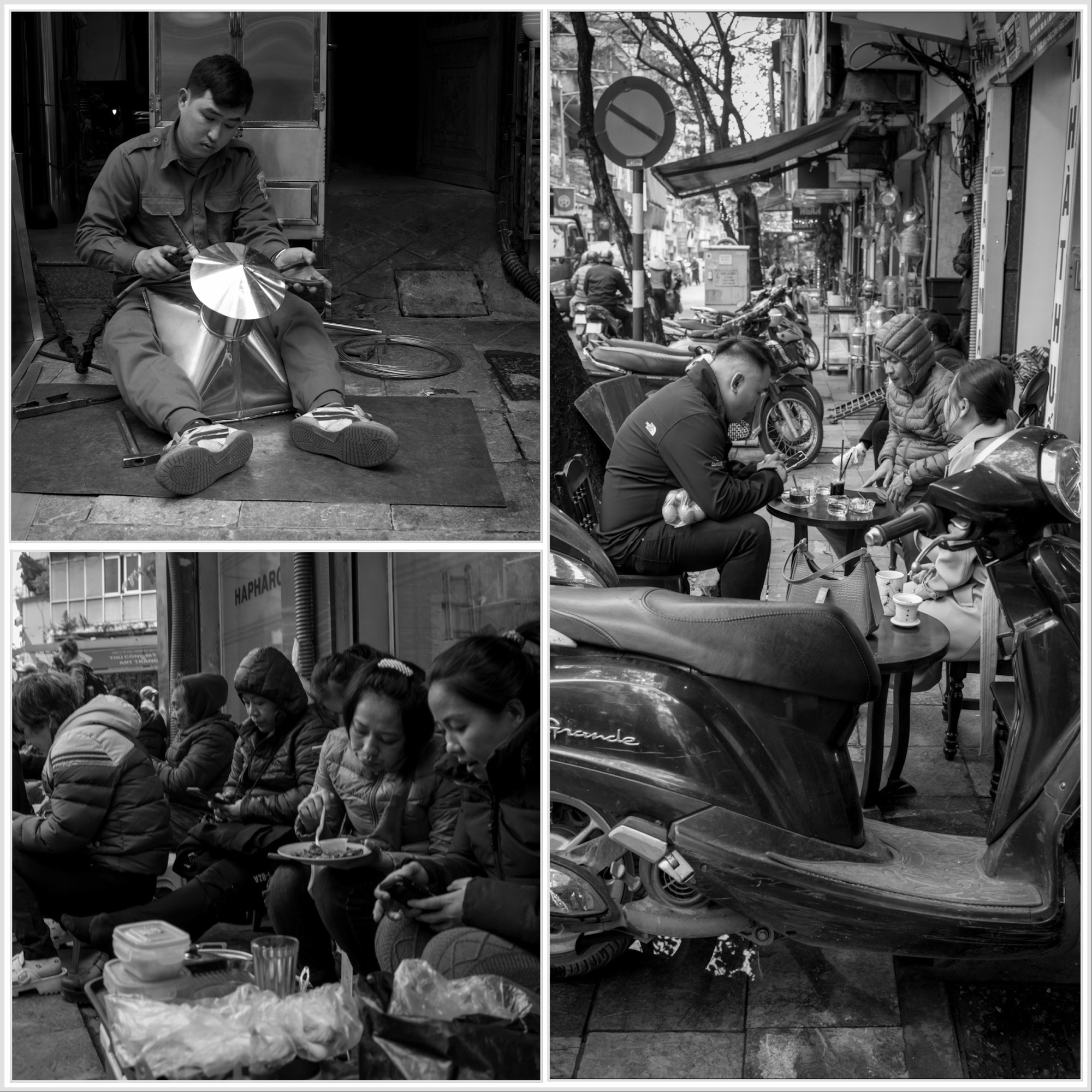
They sit on the low stools. They eat the soup. For twenty minutes, the universes overlap. Then they separate again.
What fascinates me is how little resentment exists between them. No slogans. No protest. No romanticization either. Each side understands its role with a clarity that outsiders often lack. The factory offers stability without intimacy. The street offers intimacy without security.
Vietnam has learned to host both without forcing them to reconcile.
The pavement becomes the border. Not marked, not guarded, but felt. On one side, the posture of labor is upright, forward-looking. On the other, it is folded, grounded, adaptive. The same body learns to switch between them daily.
This is not a transitional phase. It is a permanent arrangement.
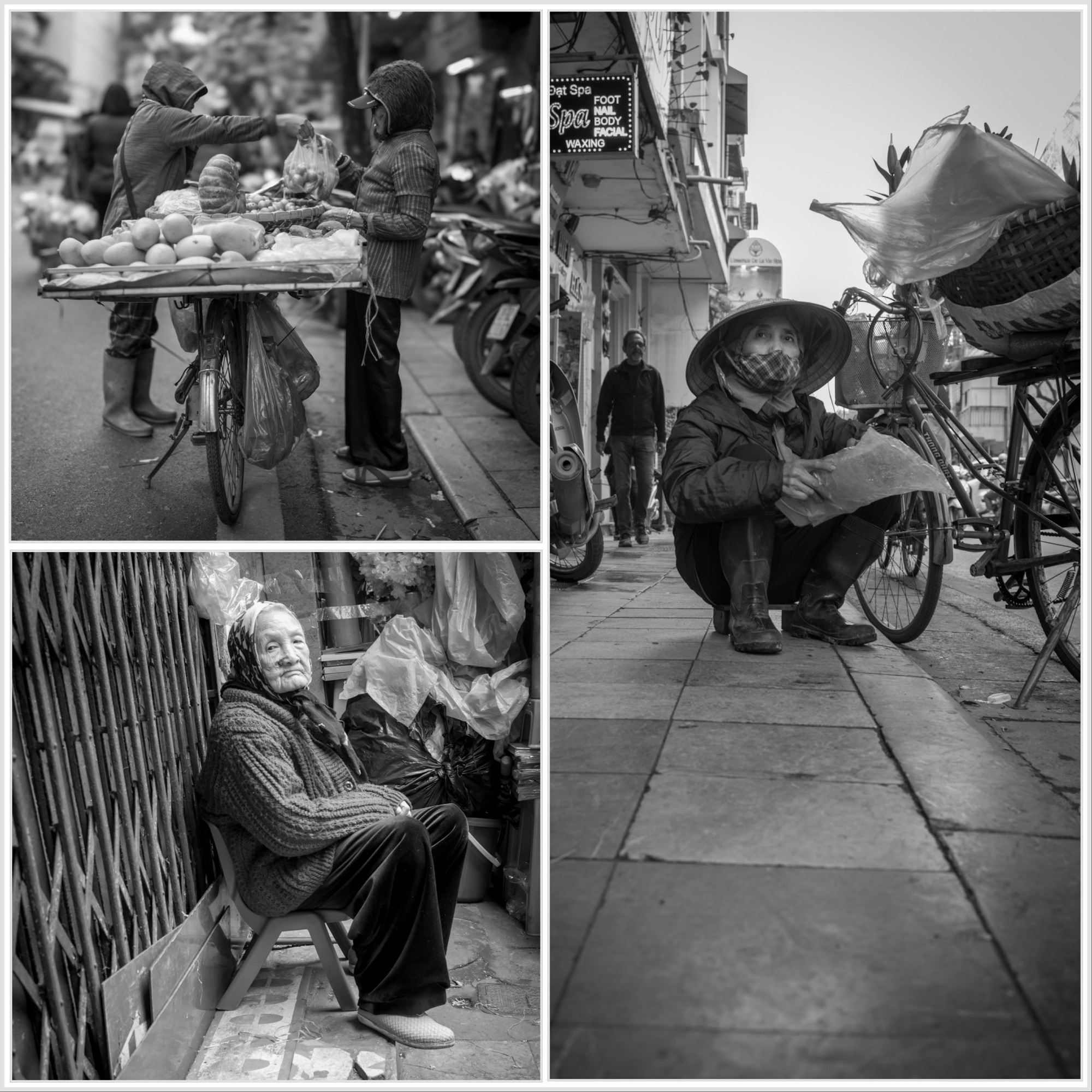
The mistake is to assume that one will replace the other. That the soup will disappear once wages rise. That informality is a relic waiting to be erased by development. In Vietnam, the street economy does not compete with industry. It complements it by absorbing what formal systems cannot: flexibility, immediacy, care.
Factories produce for export. The street produces for survival, and survival is not an interim goal. It is an equilibrium.
As evening approaches, the factory gate closes. Workers disperse. The woman packs her stools, pours the remaining broth into a smaller container, wipes the pot clean. The pavement empties. Nothing remains to document the day’s economy except a faint stain where the soup once boiled.
The miracle will be reported elsewhere, in numbers and announcements. Here, it leaves no trace.
Standing between these two worlds, I realize that Vietnam is not one economy racing toward the future. It is two economies moving at different speeds, on the same ground, careful not to trip over each other.
Parallel universes, sharing a pavement.
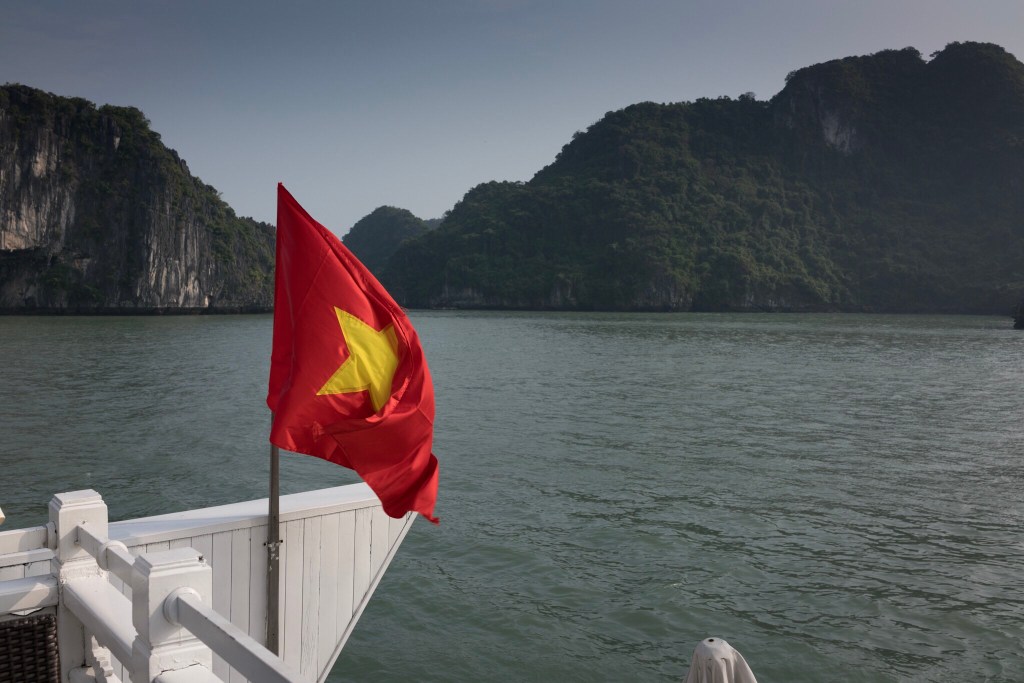
Photos from my long backpacking trip to Northern Vietnam, in January and February 2024. Leica M11 Monochrom in my hand.

 the-quiet-report.com
Leave a comment