In Bangkok, the sidewalk is not a leftover. It is not a margin, nor a problem waiting to be solved by regulation or concrete. It is the system itself.
Western urban planning tends to treat sidewalks as neutral corridors: spaces for circulation, designed to move bodies efficiently from point A to point B. In Bangkok, sidewalks do something else entirely. They cook, store, sell, feed, wait, negotiate, and disappear. They are kitchens at dawn, warehouses at noon, dining rooms by evening, and social infrastructure at night. To call this “informal” is to miss the point. This is not disorder. It is adaptation.
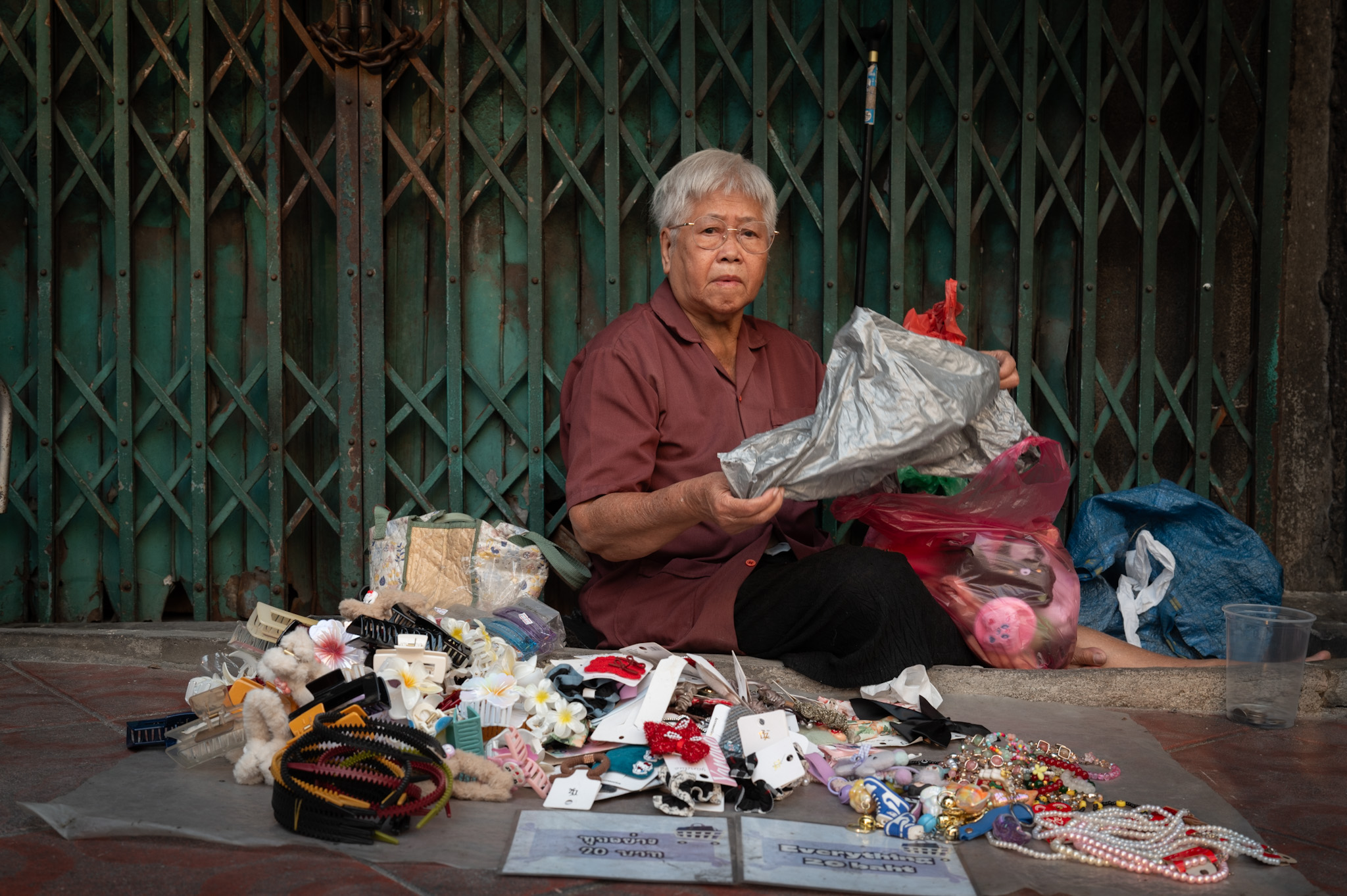
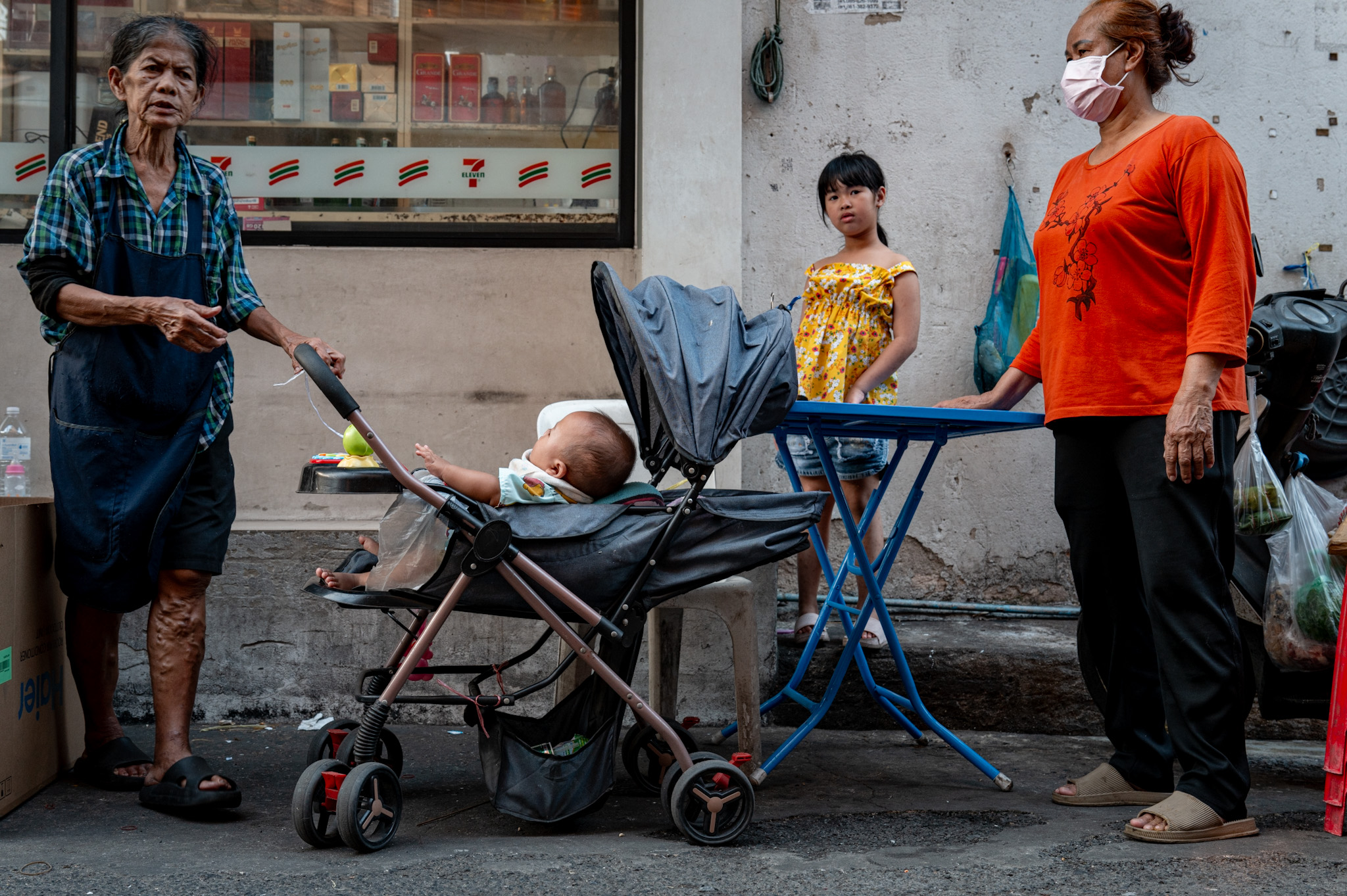
Walk along Yaowarat in the early morning and the sidewalk is logistics. Sacks of vegetables stacked against shutters, boxes of noodles, crates of ice. Delivery trucks stop briefly, unload quickly, vanish. There is no loading bay, no backstage. The street absorbs the function. By mid-morning, the same stretch becomes a preparation space: chopping boards appear, gas canisters are rolled in, tables unfold. Nothing is permanent, yet everything is precisely timed.
By lunchtime, the sidewalk turns into a dining room. Plastic stools colonize every available square meter. People eat facing traffic, walls, each other, or nothing in particular. The meal is public, exposed, unremarkable. No reservations, no menus to browse. You sit because there is space, you eat because you are hungry, you leave because someone else needs the stool. Efficiency here is not measured in square footage but in turnover and trust.
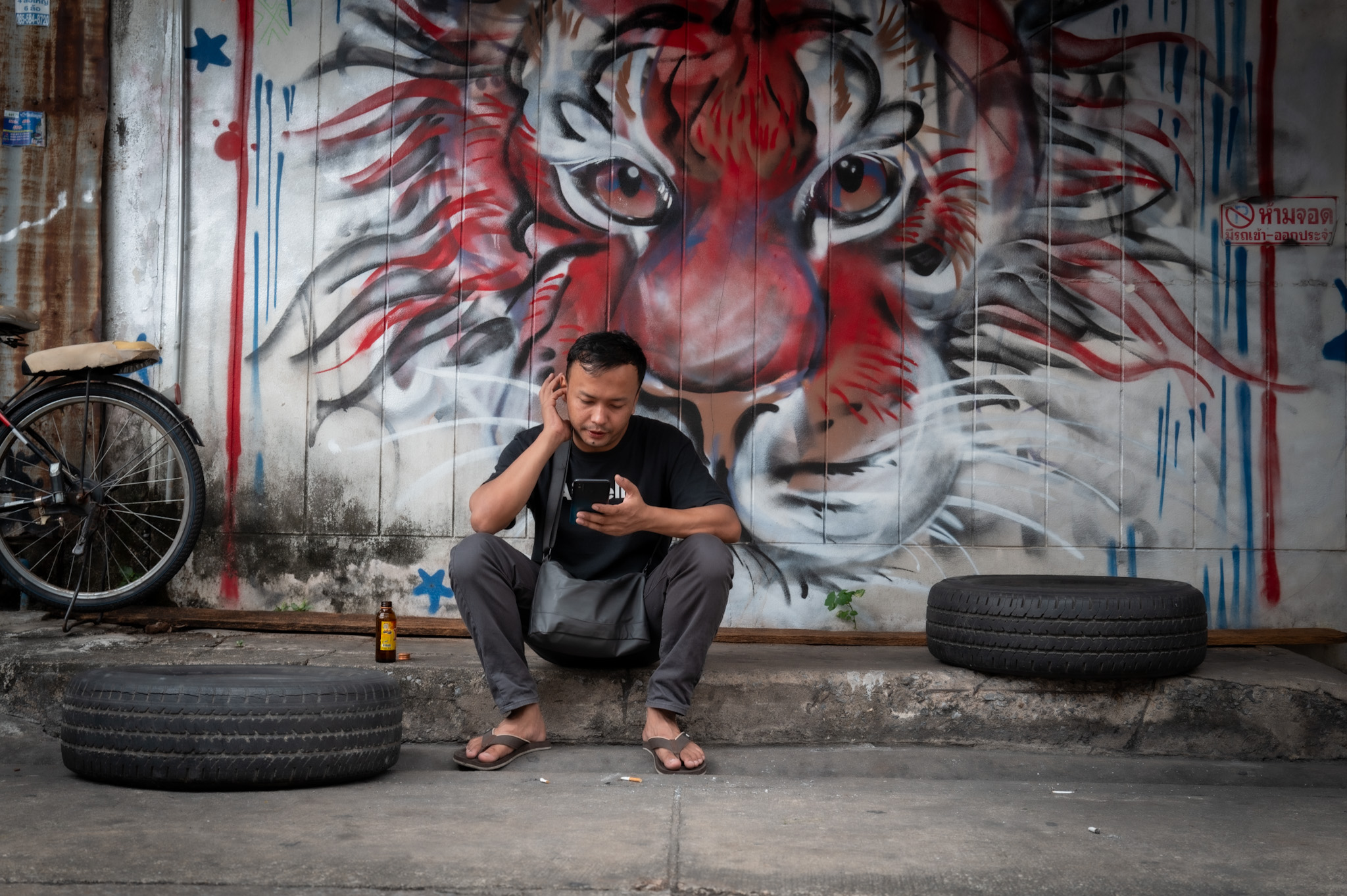
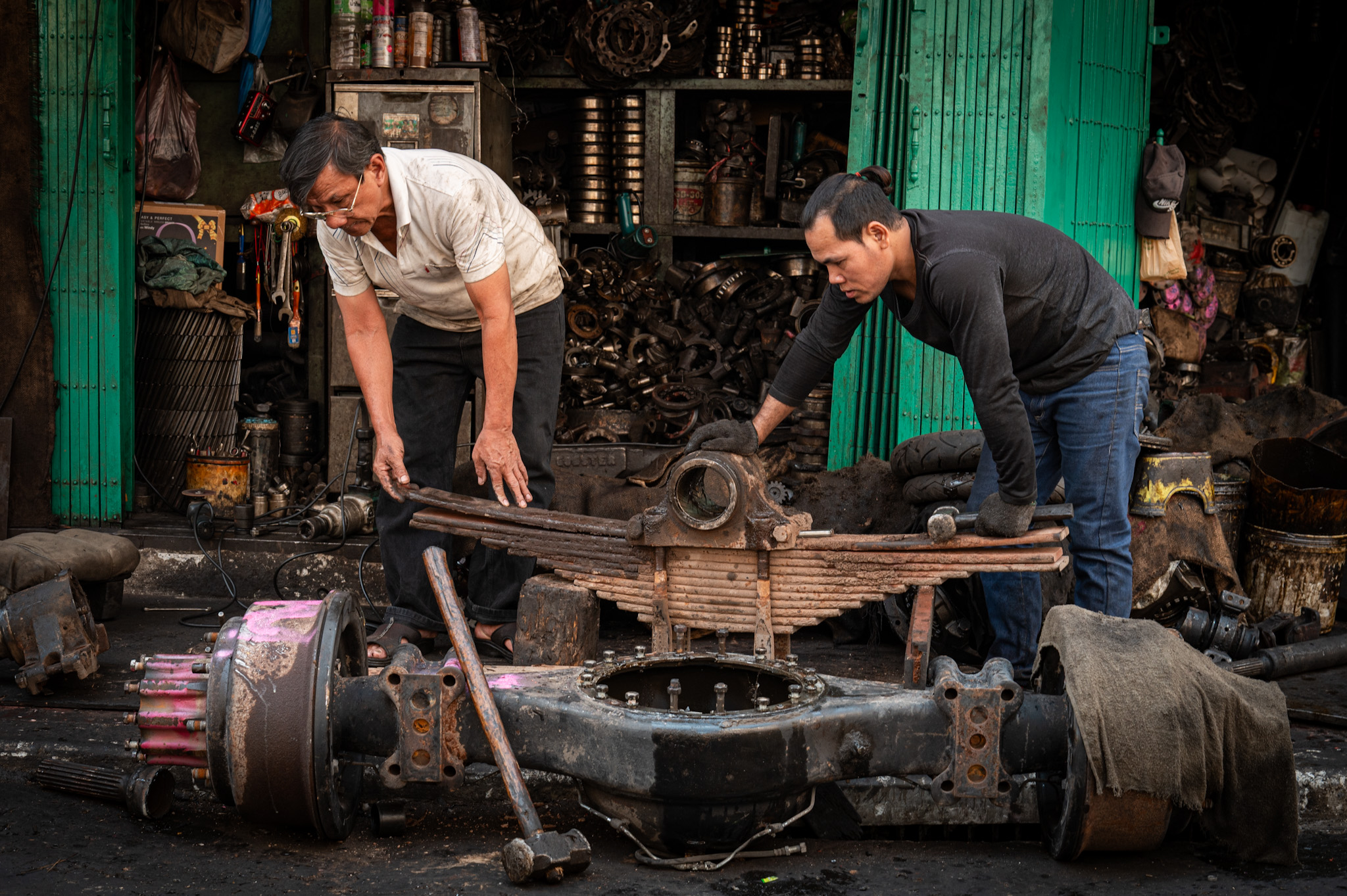
In the afternoon heat, the sidewalk slows down. It becomes storage again, shade, waiting room. Vendors nap beside their carts. Motorbike taxi drivers gather, talk, scroll, wait for the next ride. Social life does not retreat indoors; it compresses. Space is shared by default, not by exception.
What Western planners consistently misunderstand is that sidewalks in cities like Bangkok are not failures of zoning, they are solutions to it. The rigid separation of functions so beloved in Western planning (residential here, commercial there, logistics elsewhere) assumes space is abundant and predictable. Bangkok operates under different constraints: density, heat, informality, and economic necessity. The sidewalk absorbs these pressures because it is flexible.
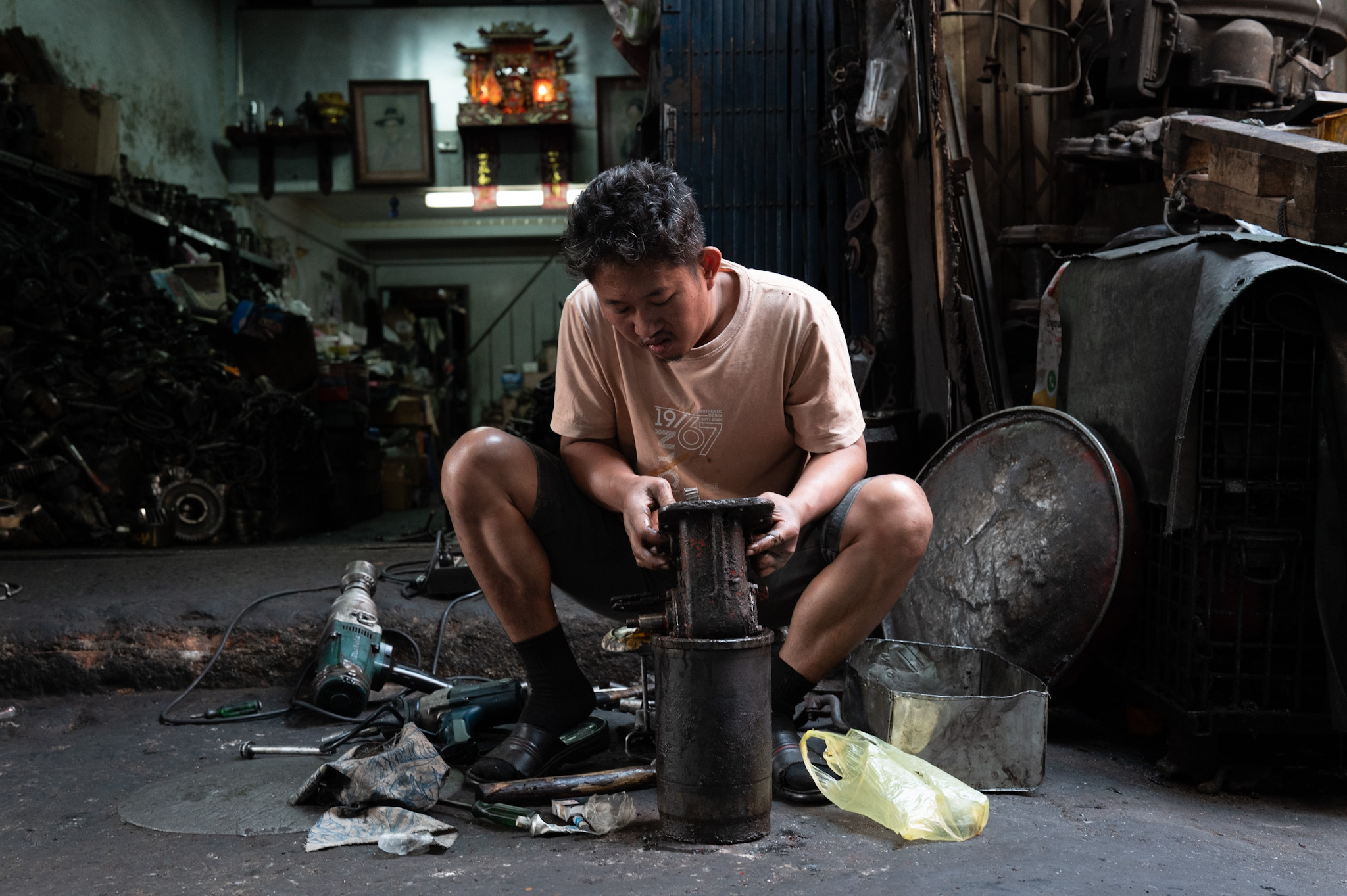

Attempts to “clean up” Bangkok’s sidewalks periodically resurface. Vendors are removed in the name of order, hygiene, or modernity. What disappears is not chaos but resilience. When you remove the carts, you do not just remove food; you remove livelihoods, micro-economies, and social glue. The city does not become more efficient, it becomes brittle.
Sidewalks here are governed by unwritten rules. Who sets up where. Who yields space at certain hours. How much obstruction is tolerated. These rules are negotiated daily, not codified once. It is a living system, responsive to weather, demand, and human behavior. Bangkok teaches a harder lesson: cities are not diagrams. They are practices. The sidewalk works because it is allowed to be many things at once. It is not optimized; it is inhabited.
To understand Bangkok, you do not need a master plan. You need to walk.
Photos from my walks in Bangkok this week, hand in hand with a Leica Q343.


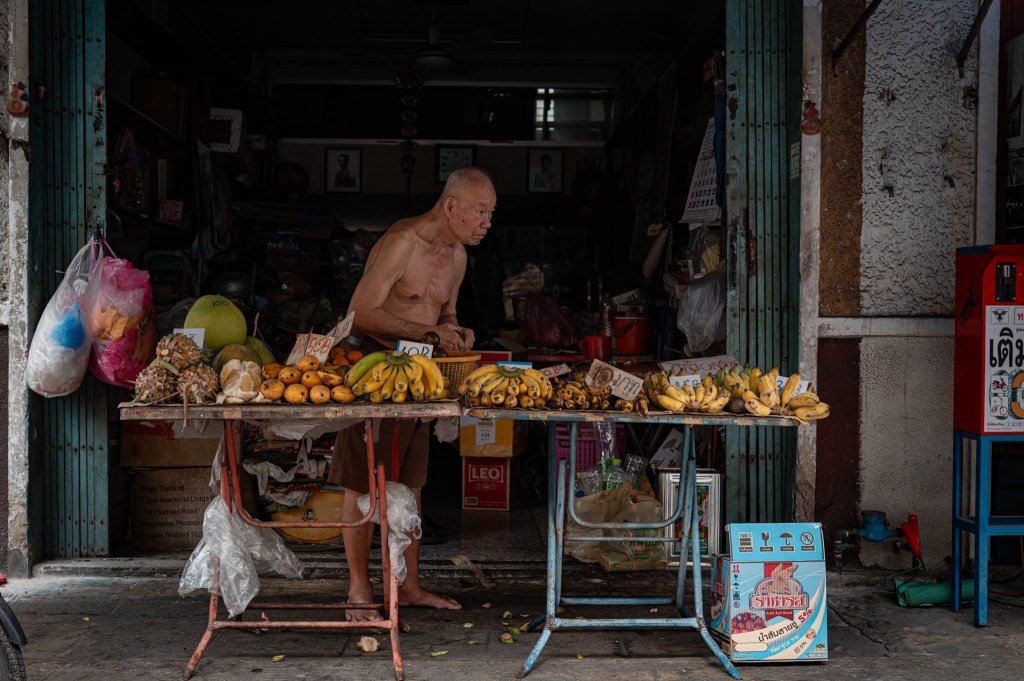
 the-quiet-report.com
Leave a comment