 In recent months, the upper echelons of China’s military have undergone a quiet but unmistakable convulsion. Senior officers of the People’s Liberation Army have disappeared from public view, been removed from key posts, or abruptly retired under opaque circumstances. Official explanations, when they exist at all, are framed in familiar language: corruption, discipline, loyalty to the Party. Yet the scale and sensitivity of the purge suggest something far larger than an anti-graft campaign. What is unfolding is best understood as Xi Jinping’s most consequential reassertion of control over the armed forces since he came to power more than a decade ago: it’s like a silent war on his own generals has been fought.
The PLA has always been more than a military. It is the ultimate guarantor of Communist Party rule, a political institution as much as a fighting force. For Xi, whose authority rests on an increasingly personalized model of governance, any ambiguity within that institution represents existential risk. The recent removals—particularly among officers linked to the Rocket Force, China’s strategic missile arm—have struck at the heart of deterrence, command-and-control, and succession planning. That is precisely why they matter.
Officially, the narrative is corruption. Several senior figures are accused of graft related to procurement, promotions, or construction contracts. Such practices are not new; corruption has long been endemic within the PLA, fueled by decades of opaque budgets and patronage networks. Xi has used anti-corruption drives since 2012 to dismantle rival power bases, most famously during the downfall of generals Xu Caihou and Guo Boxiong. But the current purge differs in tone and timing. It targets not retired elders but serving officers in technologically sensitive domains—missiles, space, cyber, and logistics—at a moment when China is projecting confidence abroad and emphasizing military readiness at home.
One hypothesis is institutional insecurity. Despite massive investments, modernization, and rhetorical emphasis on “fighting and winning wars,” the PLA remains largely untested in combat. Xi may have concluded that corruption is not merely a moral failing but a strategic vulnerability—one that undermines deterrence, readiness, and credibility in a potential crisis over Taiwan. In this reading, the purge is a preemptive strike against complacency and incompetence, intended to signal that loyalty and professionalism are now indivisible.
A second explanation lies in political loyalty. Xi’s China is defined by an intolerance for ambiguity. As power becomes more centralized, the margin for informal autonomy shrinks. Military leaders with deep institutional ties, independent patronage networks, or opaque foreign contacts may be perceived—fairly or not—as latent threats. The Rocket Force, in particular, commands assets whose very existence shapes global strategic stability. Absolute political reliability, not merely technical competence, is the currency Xi demands. The purge, then, is less about past wrongdoing than about future obedience.
A third possibility is more unsettling: internal intelligence failure. If corruption investigations are revealing systemic distortions in procurement, readiness reporting, or weapons reliability, the leadership may be confronting a reality gap between official capability and actual performance. In authoritarian systems, bad news travels slowly upward. The sudden intensity of the crackdown could suggest that Xi is discovering—perhaps belatedly—that the PLA he presides over is not the force he believed it to be.
What, then, are the implications?
In the short term, the purge is likely to slow decision-making and encourage risk aversion within the officer corps. When senior commanders disappear without explanation, caution becomes rational. Initiative declines. Innovation stalls. Promotions reward political safety over operational creativity. This may paradoxically weaken the PLA’s effectiveness even as it tightens Party control.
In the medium term, Xi is likely to accelerate personalized command structures, embedding ideological oversight deeper into military planning and doctrine. Political commissars will gain influence; loyalty tests will proliferate. The PLA may become more reliable as a political instrument, even if less flexible as a fighting force.
In the long run, however, the consequences extend beyond China’s borders. Foreign militaries will struggle to interpret Chinese signals when internal churn obscures continuity. Deterrence depends on clarity; purges breed opacity. If commanders fear missteps more than failure, crisis management becomes brittle.
Xi’s purge of the generals is not a sign of weakness in the conventional sense. It reflects confidence that the system will absorb shock, that dissent can be managed, and that loyalty can be enforced. But it also reveals anxiety—about control, competence, and truth within an institution meant to secure the Party’s future.
In China today, even the guns must be reminded who holds them.
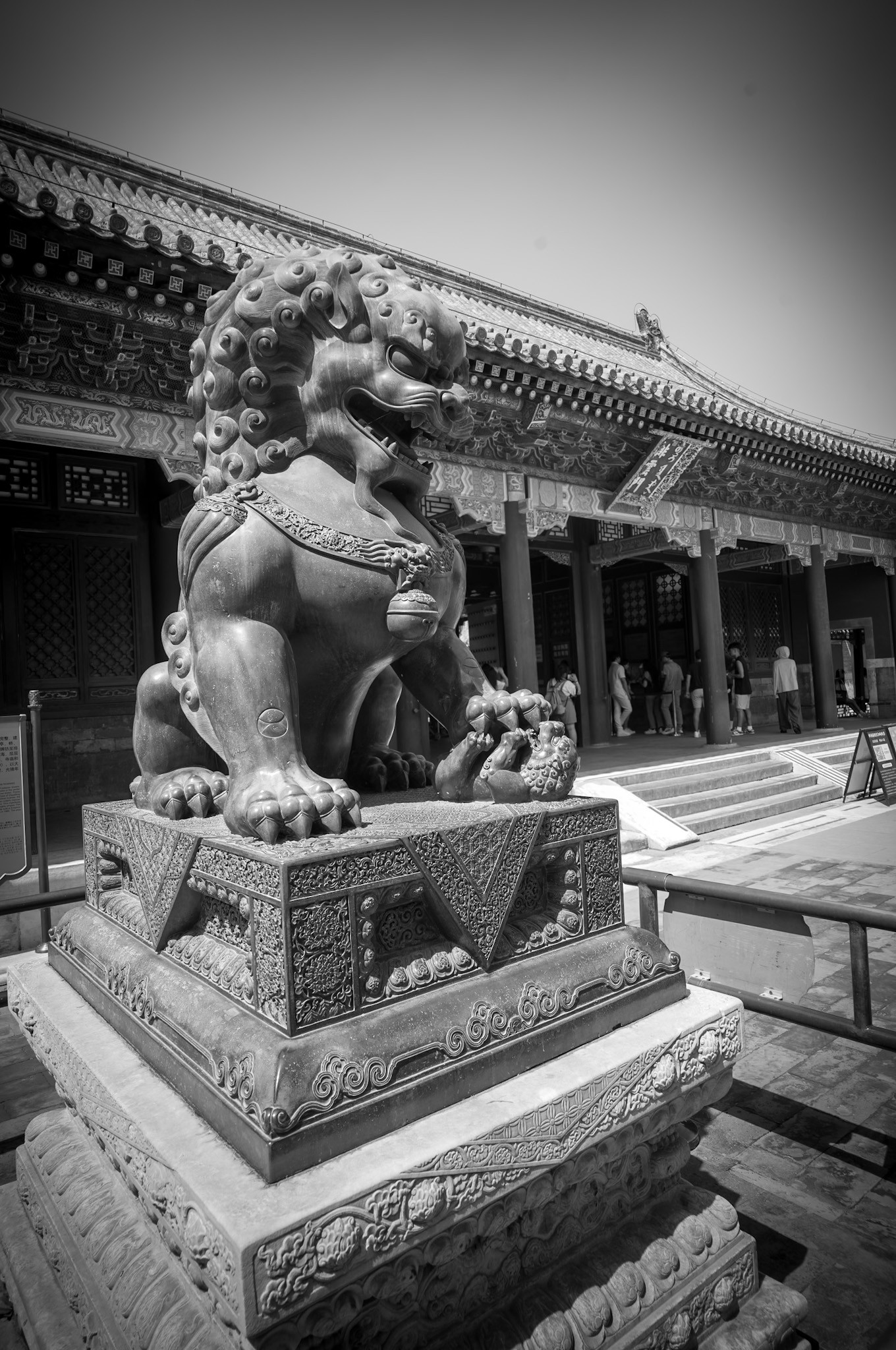
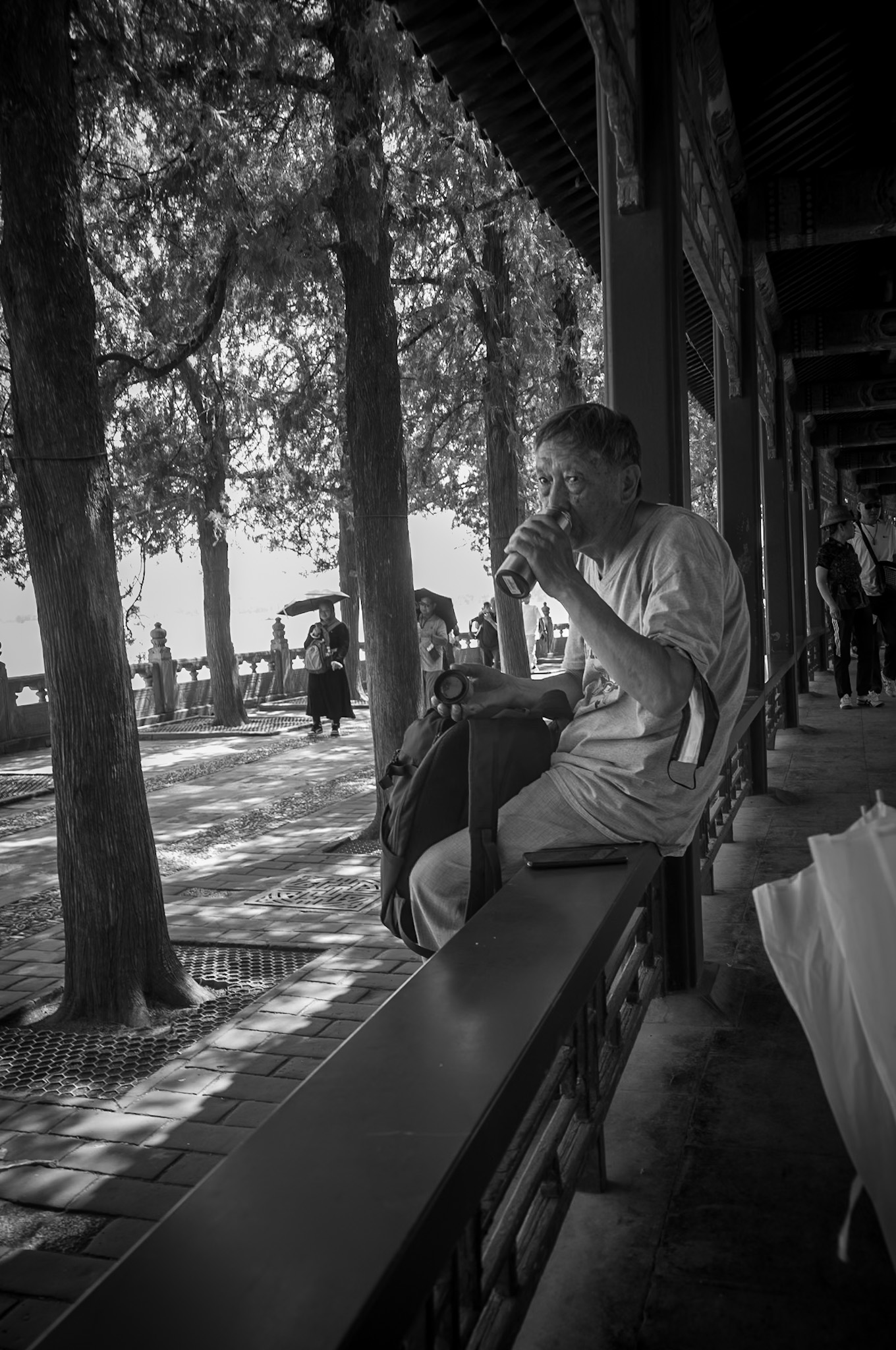
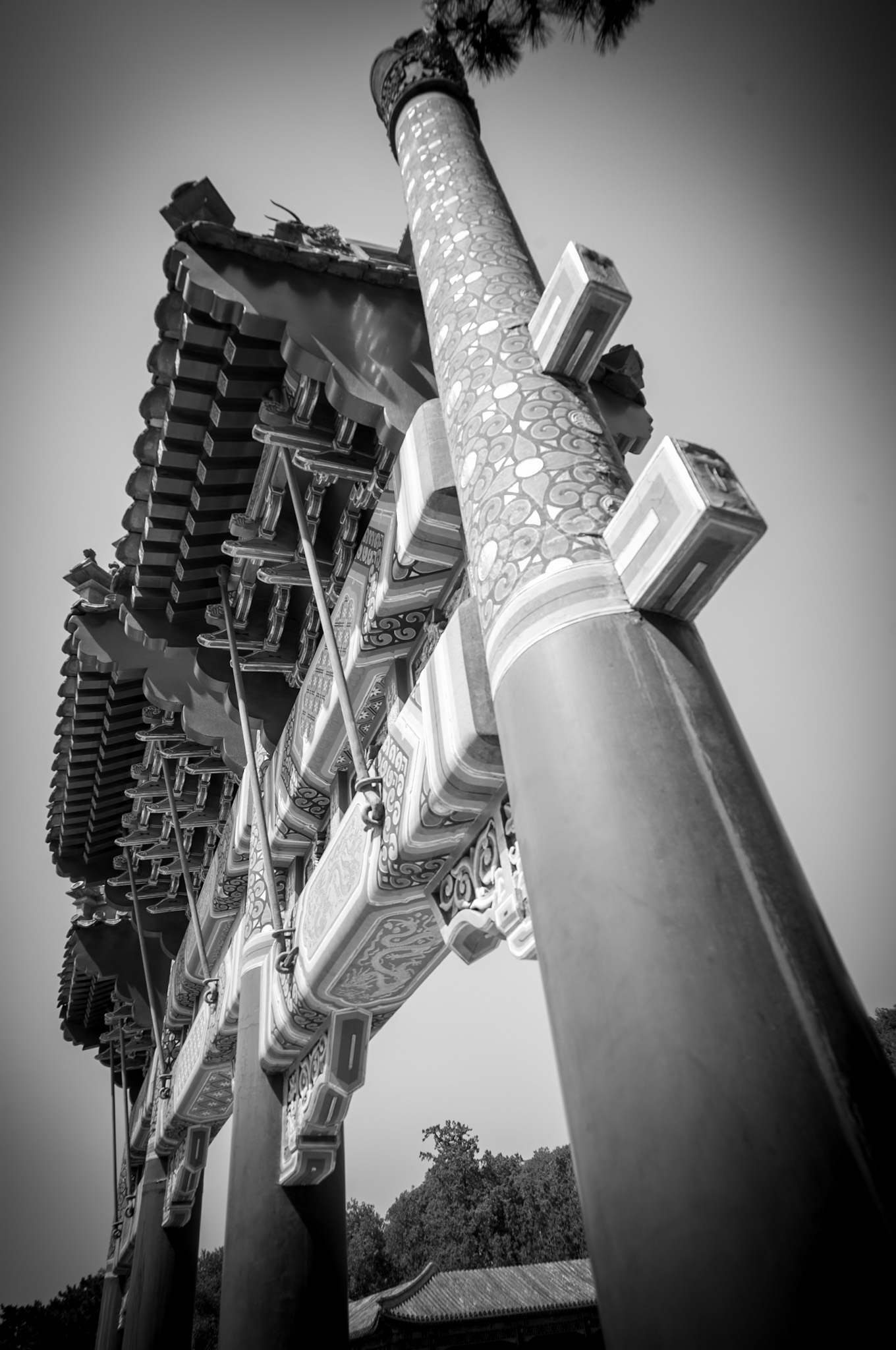
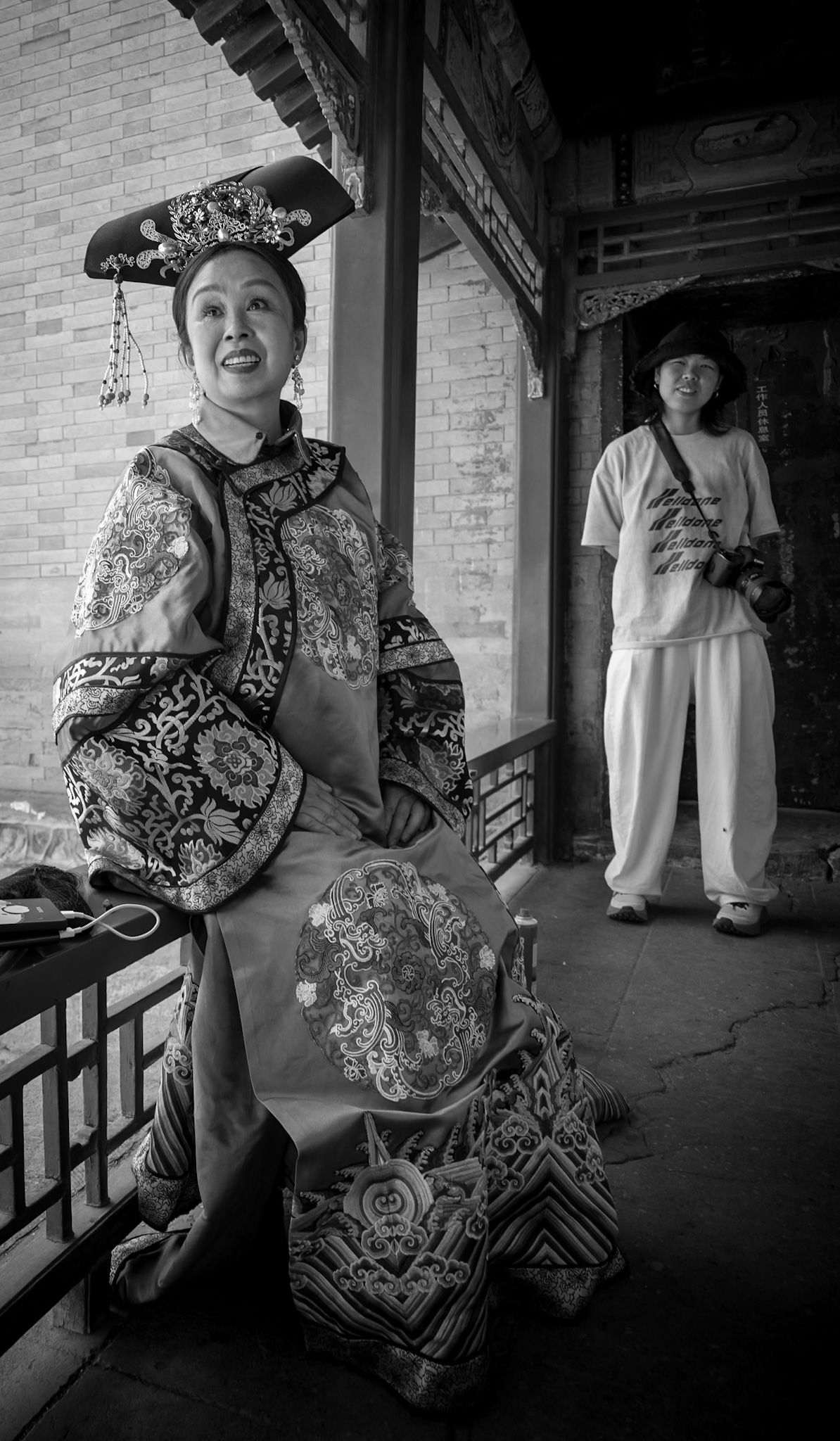
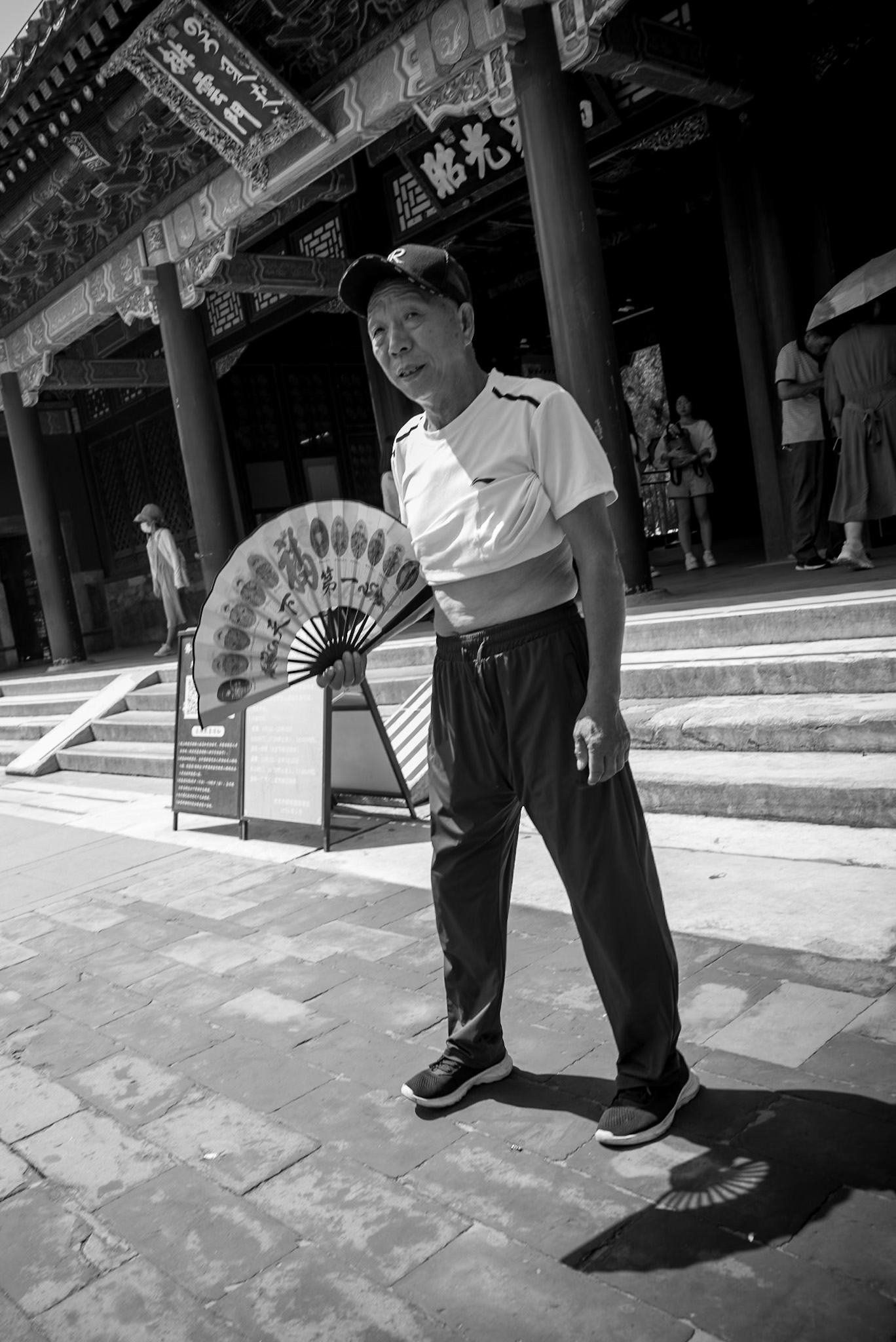
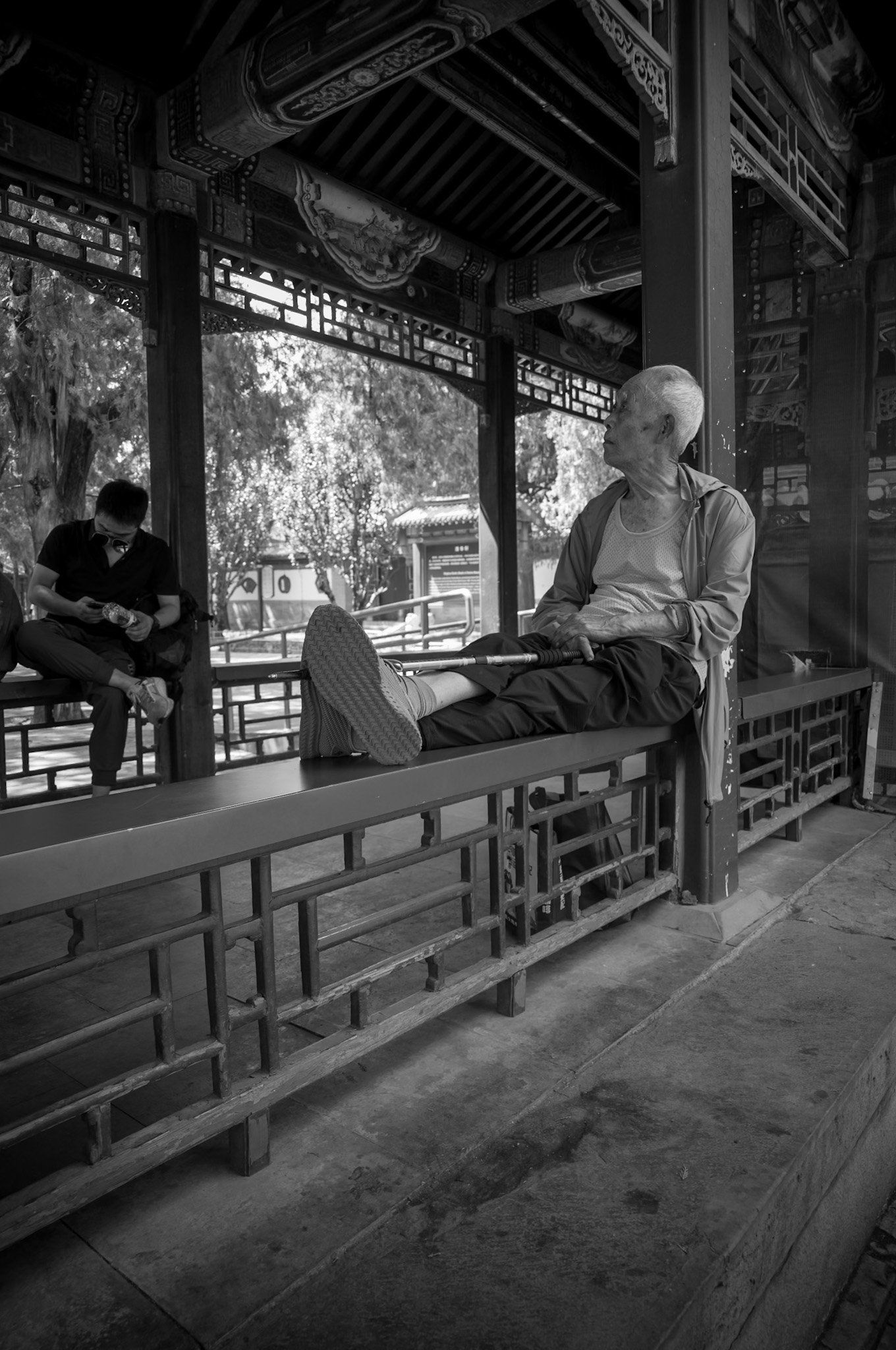
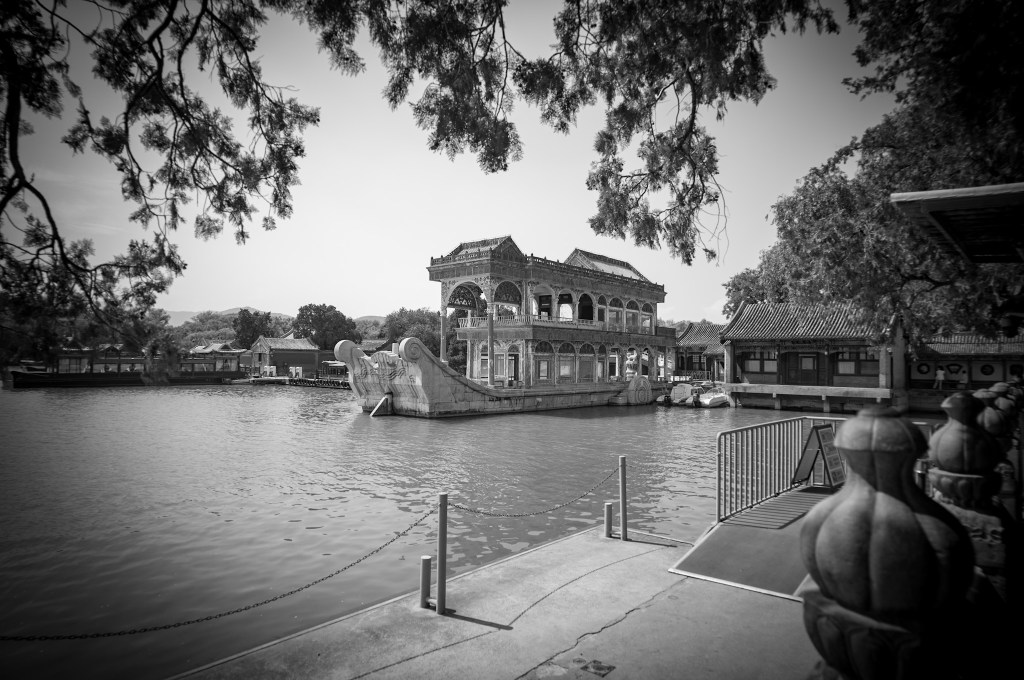
At Beijing’s Summer Palace, time does not advance—it drifts. Water carries silence across Kunming Lake, roofs dissolve into mist, and power disguises itself as landscape. This was not a place to rule, but a place to breathe after ruling: politics left at the gate, thoughts slowed to the pace of walking.
I was drifting around here a couple of years ago, hand in hand with my Leica M11 Monochrom, and a vintage 21mm Super Angulon.
 the-quiet-report.com
Leave a comment