 “Argue, the middle powers must act together, because if we’re not at the table, we’re on the menu.” [Mark Carney’s speech in Davos Jan. 21st, 2026]
At Davos, amid the familiar choreography of panels, private meetings, and carefully neutral language, Mark Carney’s speech cut through with an unusual sense of urgency. No longer speaking as a central banker insulated by technocratic caution, but as a statesman-in-the-making, Carney articulated a vision of global leadership that openly challenges the drift toward unilateral power politics—most notably the increasingly overpowering approach adopted by the current US administration.
Carney’s intervention was not framed as anti-American. It was more unsettling than that: it was a reminder that global governance is quietly breaking down, not because institutions have failed, but because powerful actors are choosing to bypass them. In this context, Carney’s warning sounded less like rhetoric and more like a strategic diagnosis.
The line that echoed most strongly across the Davos hall was stark and memorable: “If you’re not at the table, you are on the menu.”

Carney used the phrase to describe the new reality facing nations that assume disengagement, neutrality, or strategic ambiguity will protect them. In an era defined by economic coercion, technological dominance, and geopolitical bargaining, absence from decision-making forums is no longer a defensive position. It is an invitation to be acted upon.
What makes this expression particularly powerful in Carney’s hands is how he reframed it. The “table” is not merely where power is exercised; it is where responsibility must be assumed. Being present means helping to shape rules on trade, finance, climate transition, artificial intelligence, and security. Being absent means accepting outcomes designed by others—often with little regard for those excluded.
Carney’s critique of the current global trajectory was unmistakable. He described a world where economic tools are increasingly weaponized, alliances are treated as transactional, and global challenges are addressed through dominance rather than coordination. Without naming Washington directly, the message was clear: when the world’s largest economy behaves as though cooperation is optional and rules are disposable, instability becomes systemic.
The danger, Carney argued, is not only for smaller or middle powers. It is for the global system itself. Supply chains fracture. Financial volatility increases. Climate commitments weaken. Trust—once lost—proves extraordinarily difficult to rebuild. In such an environment, even the strongest nations eventually find themselves constrained by the chaos they helped unleash.
Against this backdrop, Carney called for a renewed commitment to collective leadership. Not leadership based on size or coercion, but leadership rooted in credibility, coordination, and long-term thinking. His appeal was directed especially at middle powers—countries with enough weight to influence outcomes, but not enough to dominate them alone. Canada, Europe, parts of Asia, and other aligned economies, he suggested, must stop behaving like spectators waiting for permission to act.

The speech also carried a subtle but important moral dimension. Carney warned that opting out of global responsibility is itself a choice—one that shifts costs onto others, often the most vulnerable. Climate inaction, financial instability, and fragmented regulation do not remain contained within national borders. They spill outward, punishing those with the least capacity to adapt.
In this sense, “if you’re not at the table, you are on the menu” becomes a broader ethical statement. It is not only nations that risk being consumed, but values: fairness, sustainability, and shared prosperity. When power alone dictates outcomes, these principles are the first casualties.
Carney concluded by urging nations to reclaim multilateralism not as nostalgia, but as strategy. Institutions may be flawed, slow, and politically inconvenient—but abandoning them in favor of raw leverage is not realism. It is abdication.
In Davos, the audience heard many speeches about uncertainty. Carney’s stood out because it named the cause—and demanded a response. The menu is already being written. The question he posed to the world was simple and uncomfortable: who is willing to sit down, collaborate, and lead—and who will discover too late that silence is not safety, but consent.
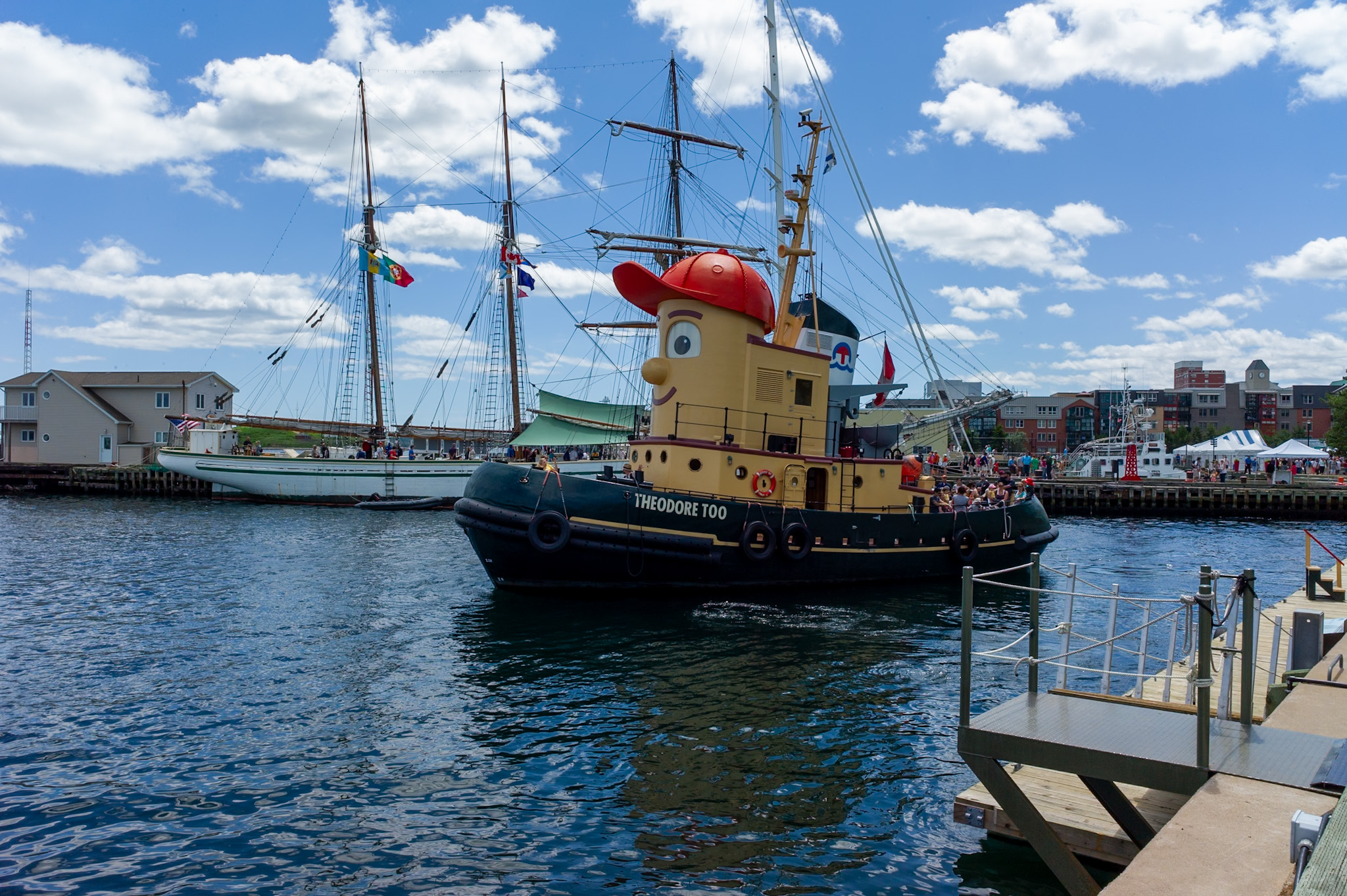
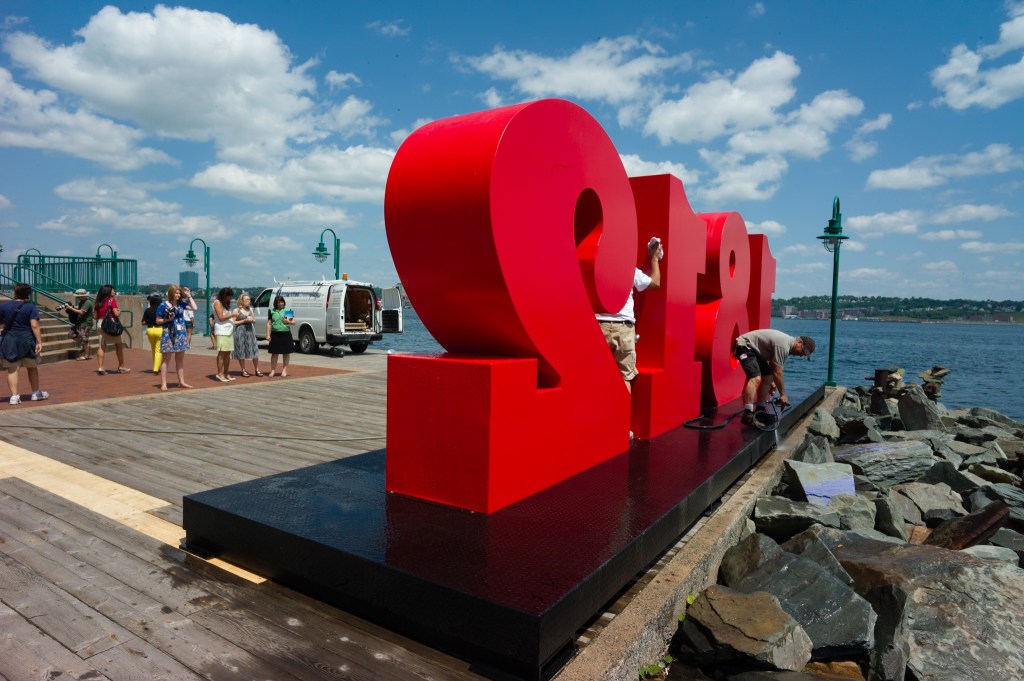
About fifteen years ago, I was in Halifax, on a trip that took me around that part of Canada. The photographs were taken with a Leica M9 and a 21 mm Elmarit.


 the-quiet-report.com
Leave a comment