 Japan is facing an unprecedented rise in human–bear encounters, a trend that has turned a long-standing coexistence into a national concern. Over the past year, bear sightings have surged across northern and central regions, from Hokkaido down through Tohoku and into mountain communities of Honshu. What was once a seasonal rural worry has evolved into a wider public-safety debate, exposing the pressures of demographic change, climate variation, and a fragile ecosystem under strain.
At the centre of the problem are two native species: the Asiatic black bear, common in the wooded mountains of Honshu and Shikoku, and the Ussuri brown bear, found mainly in Hokkaido. Both species have been edging closer to human settlements in search of food. This autumn, the situation reached a critical point: acorns and beechnuts—vital staples for bears preparing for hibernation—were scarce in several prefectures. As a result, bears descended into farmland and semi-urban zones, raiding persimmon orchards, tearing open vegetable patches, and even entering school grounds.
Officials have recorded the highest number of bear-related injuries in decades, with several fatal attacks reported in remote villages. Local governments, long accustomed to occasional encounters, now face continuous calls for intervention. Traps and patrols have been increased, and in some cases hunters have been authorised to cull aggressive animals. But the debate is increasingly emotional: environmental groups argue that killing bears addresses symptoms, not causes.
Behind the immediate crisis lies a deeper structural issue—Japan’s shrinking and ageing countryside. Rural depopulation has left vast tracts of farmland abandoned, forests unmanaged, and buffer zones between wildlife and humans weakened. Elderly residents, often living alone, are more vulnerable to encounters and less able to maintain traditional deterrent practices such as clearing undergrowth or managing compost and crop waste. As young people move to cities, the subtle knowledge once used to coexist with wildlife has faded.
Climate change has added another layer. Warmer autumns and irregular rainfall have disrupted the fruiting cycles of oak and beech forests. In some years, “mast failure” has been so severe that bears cannot build sufficient fat reserves to survive hibernation, pushing them to roam widely in search of calories. The pattern is particularly visible in Tohoku, where several prefectures reported record-breaking numbers of bears descending to lowland towns.
The government is now attempting a more coordinated response. The Ministry of the Environment has proposed new funding for early-warning systems, including AI-enabled cameras that notify residents when a bear is approaching. Some communities are experimenting with electric fencing around vulnerable farmlands, while foresters are considering long-term woodland management to restore natural food sources. Education campaigns encourage hikers and villagers to carry bells, avoid walking alone at dusk, and secure household garbage.
Yet the dilemma remains: how to protect both humans and a species that is, in places, ecologically stressed. Bears have become a symbol of the tensions shaping contemporary Japan—a country balancing modernity with a rapidly changing natural landscape. Unless rural revitalisation, climate adaptation, and conservation are pursued together, encounters between humans and bears will continue to rise, turning an environmental challenge into a long-term societal one.
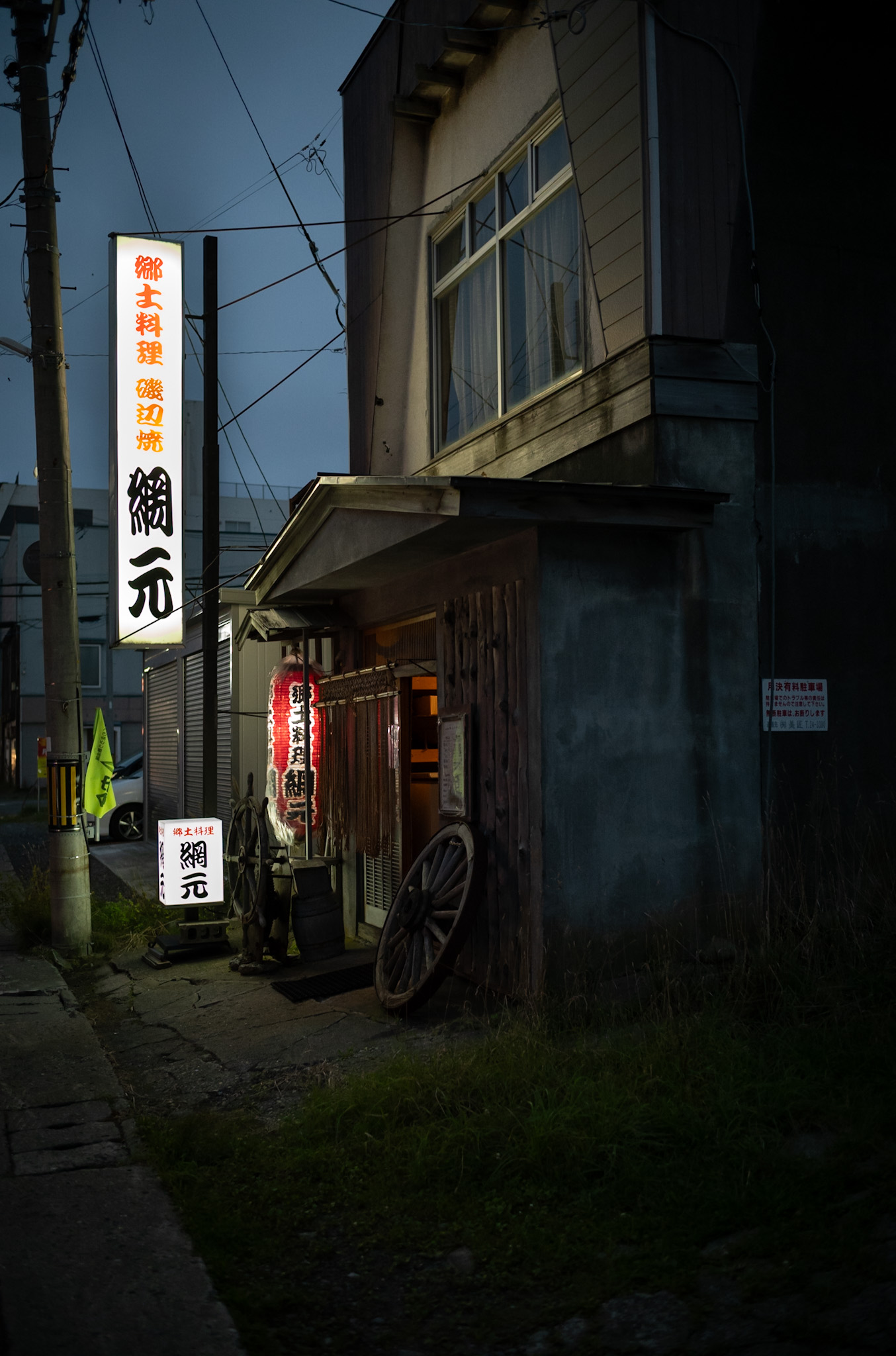
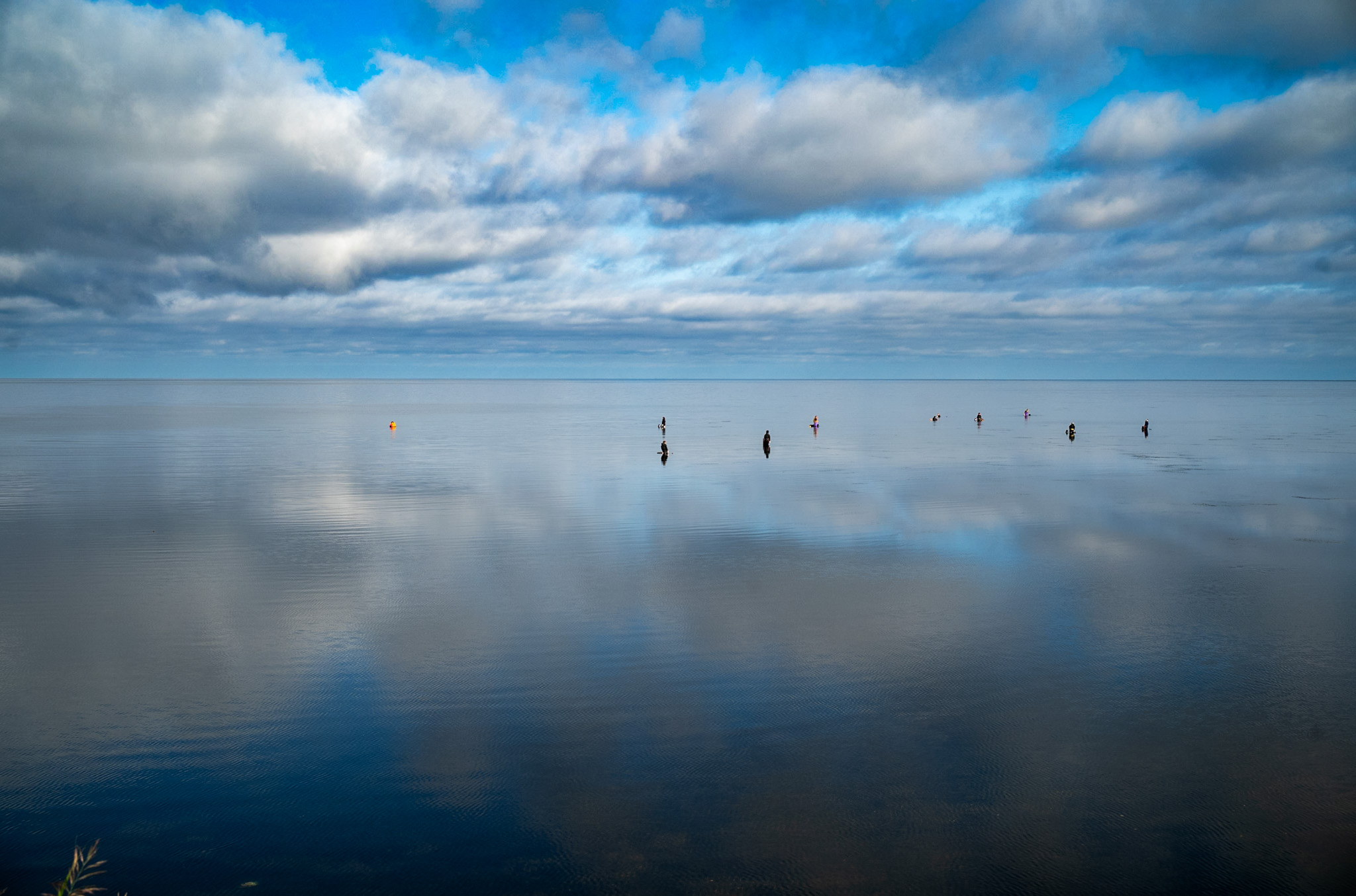
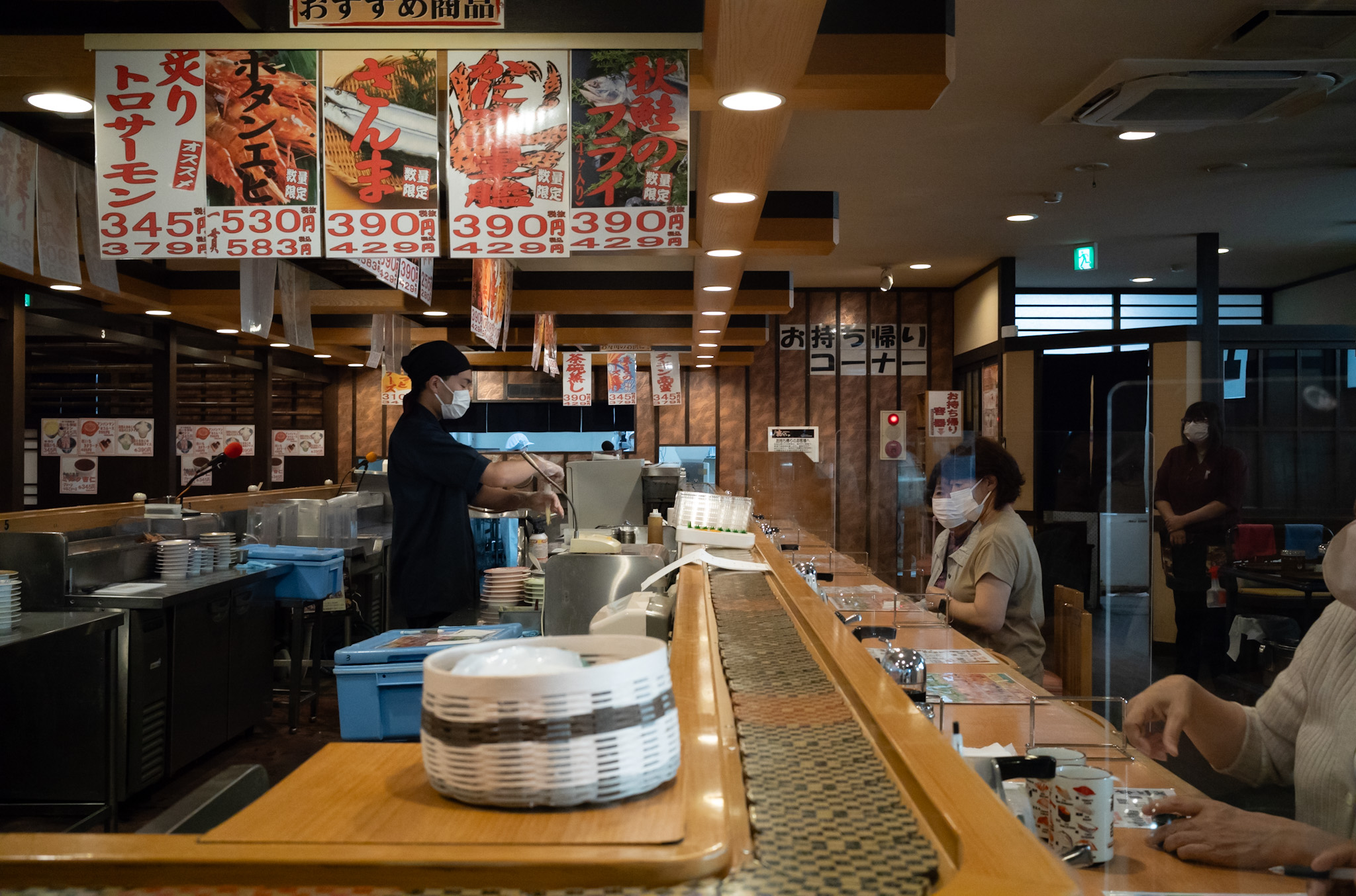
In late 2023 I was backpacking in Wakkanai, Hokkaido Island (Japan), as one of the very first visitors of that remote land, where natural isolation has been even boosted by pandemic.
Wakkanai feels like standing at the edge of intention. The road ends, the sea opens, and the wind reminds you how small you are. Loneliness here is not dramatic—it is factual, almost geographic.
Isolation strips life down to essentials: light, cold, horizon. And yet, in this exposed quiet, peace settles in. Nature dictates the tempo, and by surrendering to it, balance returns—simple, austere, and deeply human.
Leica M10-R with 35mm Summilux.



 the-quiet-report.com
Leave a comment