 There is a particular silence in Europe’s great reading rooms: the soft drag of felt on oak, the dry breath of paper, the little rituals of control—gloves, pencils, request slips, waiting. Libraries are built on trust disguised as procedure. And that is exactly what made the “Pushkin heist” so effective: it didn’t storm the front door. It walked in, sat down, and asked politely.
Between spring 2022 and late 2023, rare editions of Russian classics—especially Alexander Pushkin—began disappearing from public collections across Europe. Not one sensational burglary, but a pattern: carefully selected nineteenth-century volumes, the kind of books that live behind forms and permissions rather than locks. By the time investigators joined the dots, at least 170 historical books had been stolen across multiple countries, with losses estimated around €2.5 million—a number that, for curators, is almost beside the point. These were cultural organs, removed from the body without immediate bleeding.
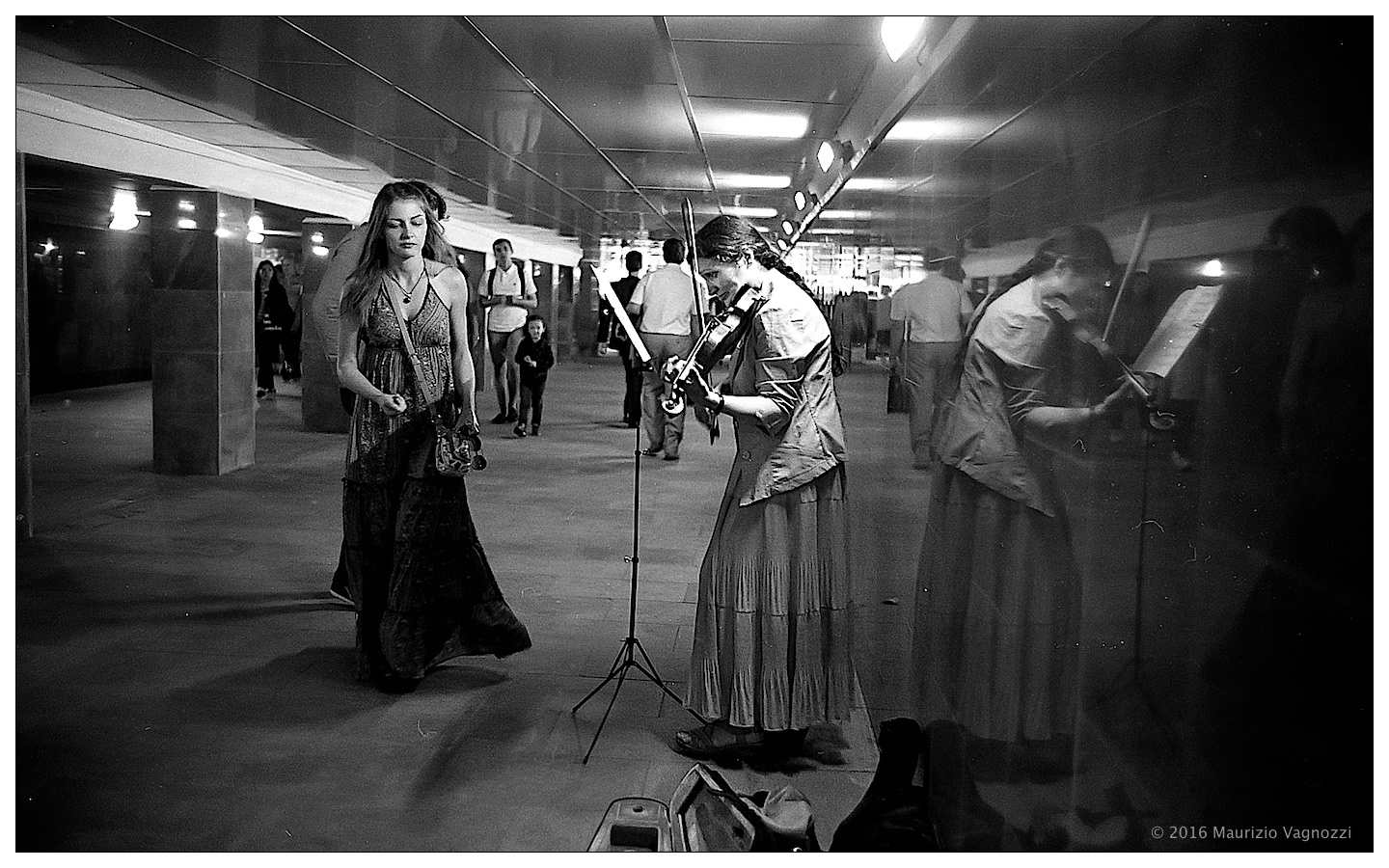
The method reads like a low-tech confidence trick, which is precisely why it worked. According to Europol and Eurojust, the suspects often used fake identities and forged documents, presenting themselves as researchers or legitimate readers. They would request the originals—Pushkin, but also Gogol and Lermontov—study them, sometimes photograph them, and then, in the most chilling detail, swap them with forgeries. The replacement copies didn’t need to fool a specialist forever; they only needed to pass the quick, tired glance that says “the book is here” and moves on.

In April 2024, European authorities announced what looked like a turning point: an international crackdown, supported by Eurojust and Europol, targeting an organised crime group alleged to be behind the thefts. Nine Georgian nationals were reported arrested in connection with the case, with cooperation stretching from the Baltics to Western Europe and into Georgia itself. The heist, in other words, had a logistics map—people, passports, travel rhythms—more than a single mastermind with a trench coat.
Yet the story didn’t end with arrests. In May 2025, the National Library of the Netherlands (KB) disclosed that six nineteenth-century Pushkin volumes had been stolen from its collection in 2023—publicly appealing for help after the investigation stalled. The detail matters: institutions sometimes keep quiet while police work, but silence is also the thief’s ally. One library’s secrecy is another library’s vulnerability, because the pattern is the warning system.

France, too, felt the tremor early. Reports around the Bibliothèque nationale de France described missing Pushkin originals and the uneasy realization that something targeted—almost curated—was underway. The thefts carried not only financial weight but political shadow: Russian cultural heritage, disappearing in wartime Europe, heading—possibly—toward a market where provenance can be laundered by ideology and distance.
That’s the uncomfortable question at the center of this affair: why Pushkin? why now? In a normal rare-book ecosystem, first editions are trophies: private collectors, dealers, auction houses, discreet acquisitions. But the Pushkin heist happened in a moment when Russia’s invasion of Ukraine reshaped everything—borders, narratives, sanctions, and the meaning of “Russian culture” abroad. One theory is simply market logic: Pushkin is a pillar, the “sun” of Russian literature, and there is money in pillars. Another theory is more unsettling: that a “patriotic” demand exists inside Russia for cultural icons returning home by any means—stolen books recast as rescued relics.
Investigations and reporting have pointed to books resurfacing in Russian auction circles—a classic endgame for stolen art and antiquities: move fast, sell quietly, disperse inventory, dissolve the trail. But the deeper mystery remains: who commissioned it? A loose criminal network can steal. It takes a different kind of customer to decide which Pushkin, which Gogol, which library, which year, and to pay for replicas that buy time.
In the end, the Pushkin heist isn’t just about theft. It’s about how Europe protects memory when memory sits on shelves. Libraries are not banks; they’re civic temples designed for access. Their security is built to deter the casual opportunist, not the patient professional who understands routines, staffing gaps, the psychology of service, the fatigue of forms.
Maybe that is the saddest detail: these books were not taken from private vaults but from public trust. Pushkin, who wrote so much about fate, exile, and the cost of desire, would recognize the irony. The thief doesn’t need to defeat the library. He only needs the library to keep being what it is: open, polite, and certain that culture—like a book on a shelf—will still be there tomorrow.
Photos: Moscow in 2016, Leica M7 with Summilux 35mm, Kodak Tmax 400



 the-quiet-report.com
Leave a comment