 The bicycle is one of the rare human inventions that feels complete. Not finished, perhaps—materials evolve, gears multiply, frames lighten—but conceptually complete. Two wheels, a frame, a chain, and a simple transfer of human energy into motion. No combustion. No secrecy. No magic. Just mechanics, exposed and honest.
Its story begins not with speed, but with restraint. In the early 19th century, when horses were scarce and roads unreliable, the first bicycles were little more than balance machines. The Karl Drais Laufmaschine of 1817 had no pedals, no chain—only the radical idea that balance could replace brute force. It was inefficient, awkward, and revolutionary. It introduced the central insight that still defines the bicycle today: stability through motion.
From there, progress followed a curious path. The penny-farthing, with its absurdly large front wheel, chased speed by brute geometry. It worked—but at a cost measured in broken bones. True efficiency arrived only when engineering began to favor transmission rather than spectacle. The chain drive, equal-sized wheels, and pneumatic tires transformed the bicycle from a curiosity into a tool. Not a toy for the brave, but a machine for the many.
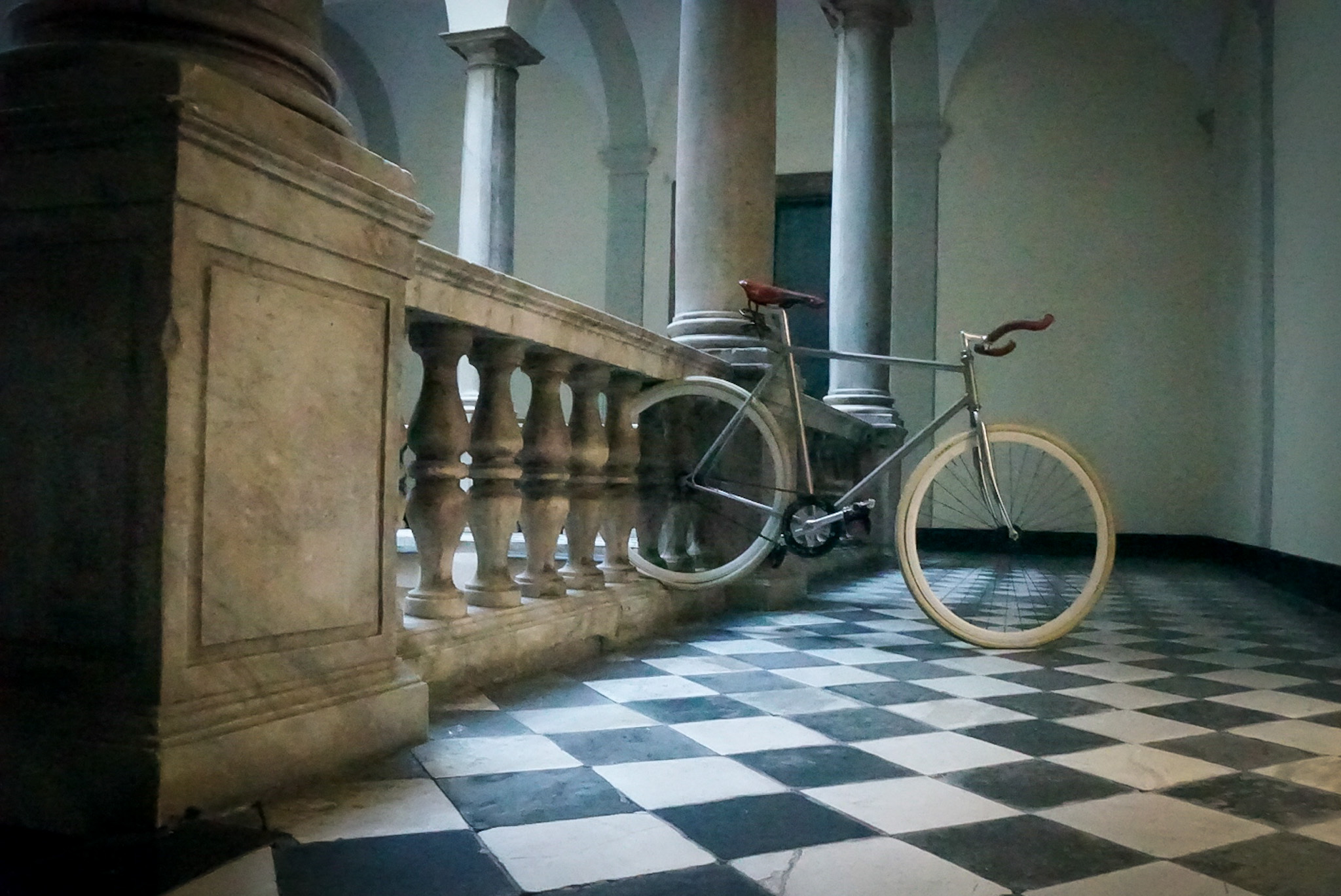

At its mechanical heart, the bicycle remains astonishingly efficient. In terms of energy conversion, it outperforms almost every other form of transport ever devised. A human on a bicycle can travel farther per unit of energy than any animal or machine of comparable scale. This is not marketing language; it is physics. Rolling resistance is low. Friction losses are minimal. Power transfer is direct and visible. When something breaks, you can usually see why.
That visibility matters. The bicycle does not hide its complexity behind plastic panels or sealed systems. Its efficiency is legible. You can understand it by looking at it, by touching it, by riding it. The rider is not separated from the machine but integrated into it. Legs become pistons. Lungs become fuel pumps. Balance becomes an active dialogue between body and physics. There is no abstraction layer.
This simplicity is not just elegant—it is resilient. A bicycle can be repaired with minimal tools, often with improvised solutions. A broken chain can be rejoined. A bent wheel can still roll. Parts are modular, interchangeable, forgiving. This is why bicycles survive where other technologies fail. Not because they are primitive, but because they are optimally simple.
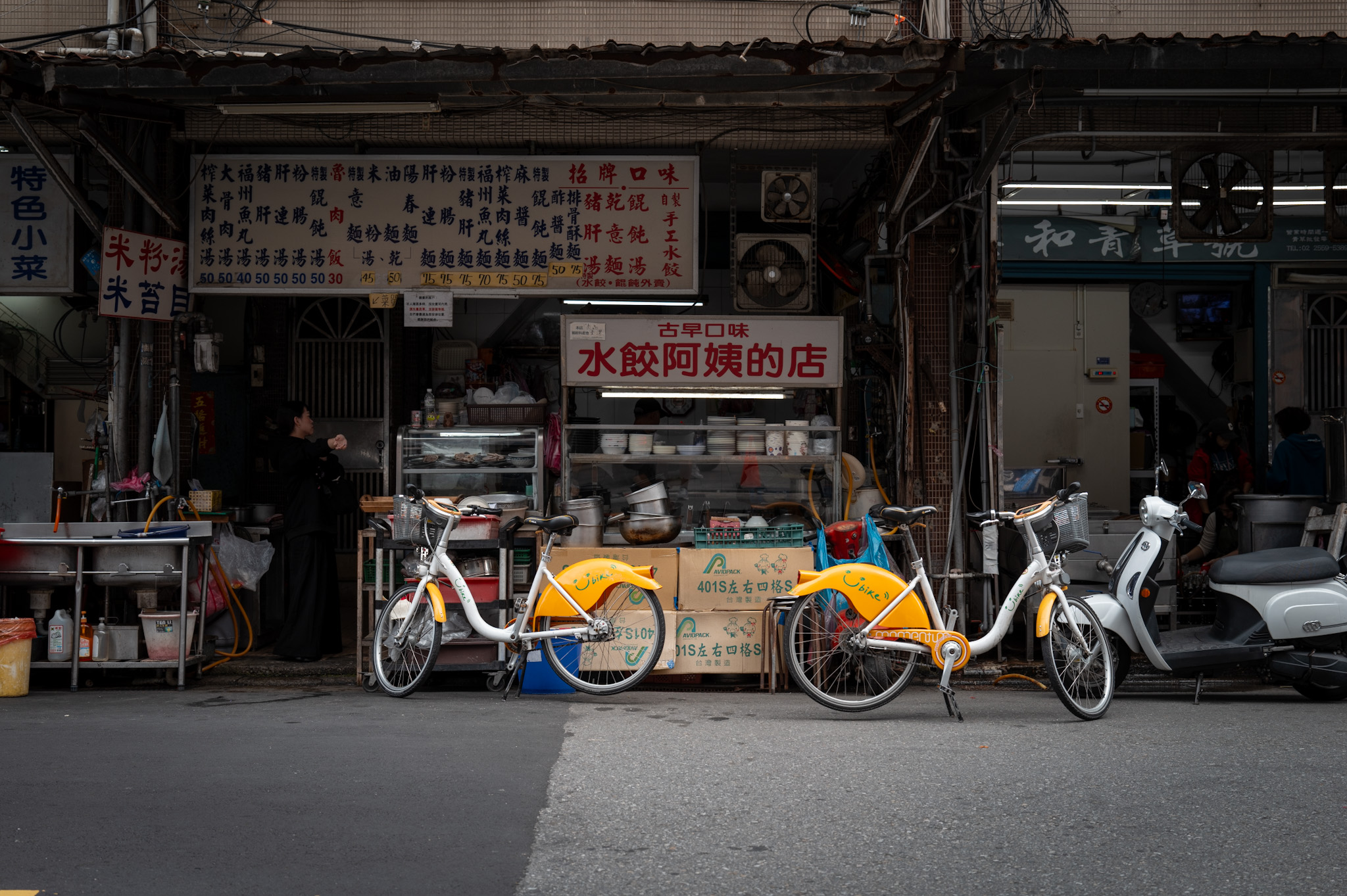
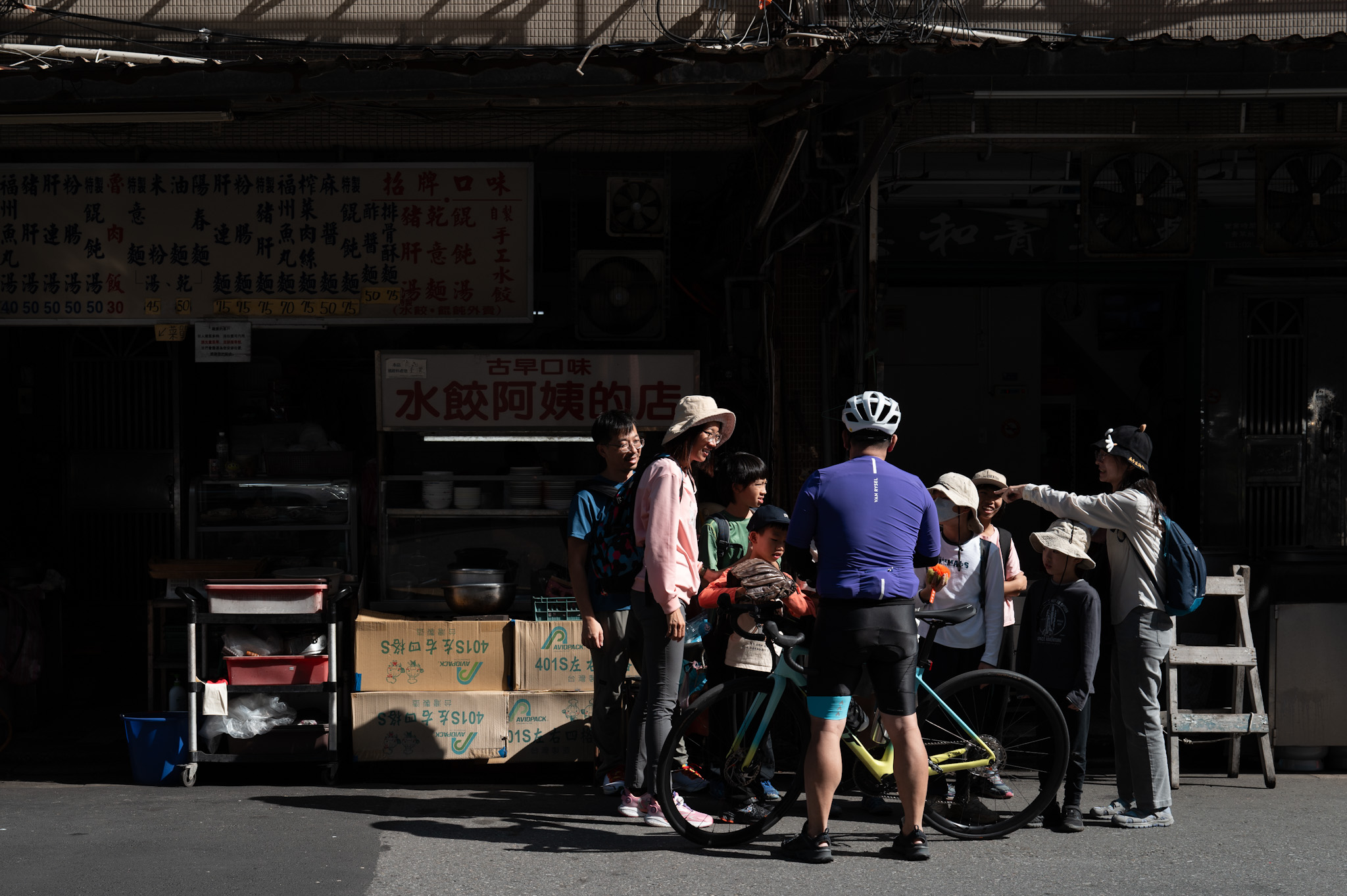
That optimal simplicity explains the bicycle’s quiet economic power, especially in developing countries. Long before development agencies discovered “sustainable mobility,” bicycles were already doing the work. In rural Africa and South Asia, bicycles extend the radius of daily life. They turn hours of walking into minutes of riding. They connect farms to markets, villages to clinics, workers to jobs.
In logistics, their role is often underestimated. Small-scale distribution—milk, bread, water, tools, phone charging, medical supplies—moves on two wheels in places where roads are poor and fuel expensive. Cargo bicycles, often modified locally, carry loads that would otherwise require animals or motorbikes. They do so without fuel dependency, without spare parts imported from abroad, without training programs or licensing regimes.
This has measurable economic effects. Access to transport increases productivity. Time saved becomes labor or education. Goods reach markets fresher and more frequently. In many micro-economies, the bicycle is not a lifestyle choice but a productivity multiplier. It compresses geography.
What is striking is that this role emerges without centralized planning. The bicycle does not need infrastructure megaprojects to be useful. A path is enough. A road is optional. It adapts to informal systems with ease because it is, itself, informal. It does not impose a model; it fits into existing ones.
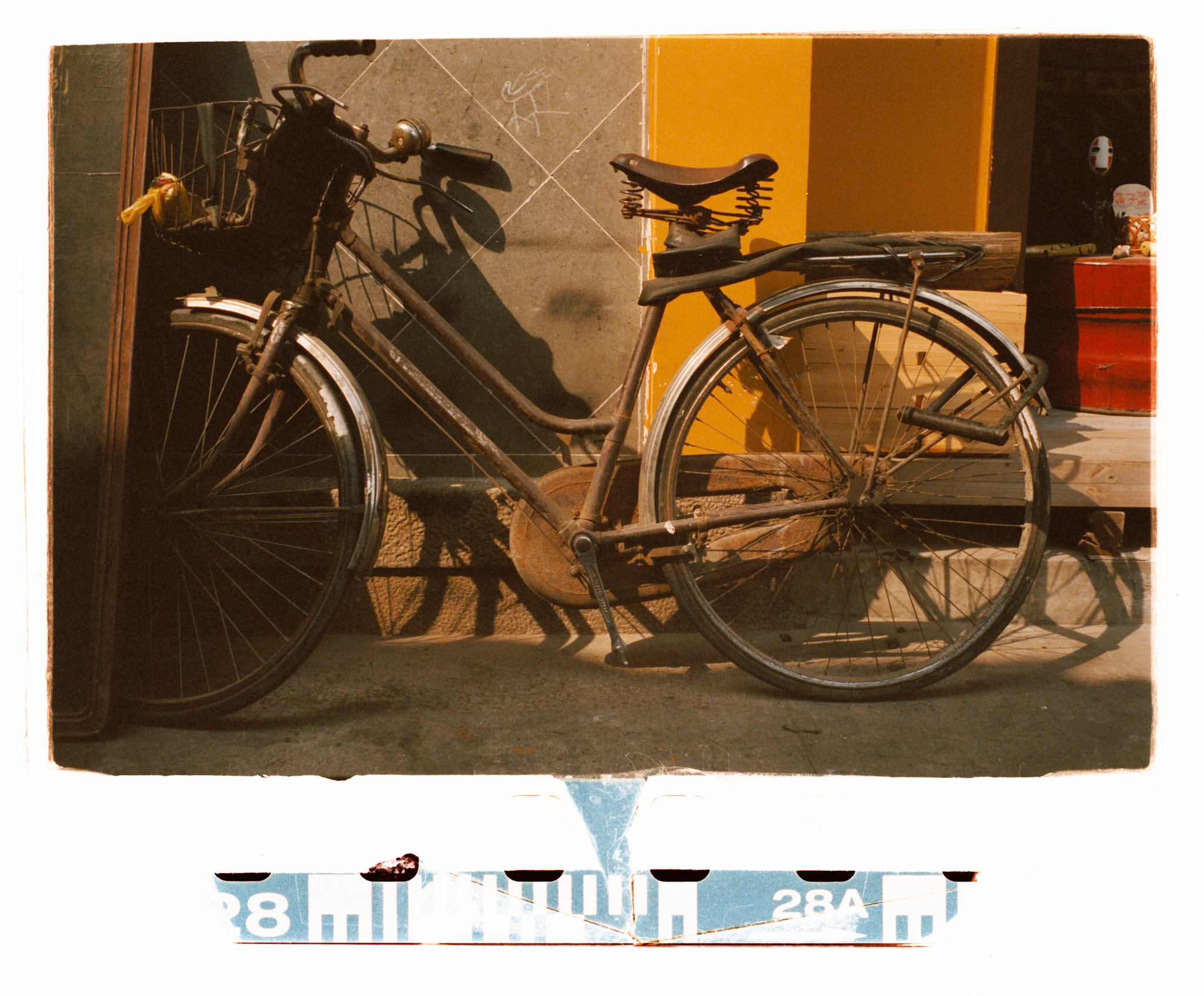
In wealthy societies, the bicycle is often rediscovered as an ethical statement—green, slow, human-scaled. In poorer ones, it never needed rediscovery. It was always there, doing its work quietly. The same mechanical efficiency that appeals to urban commuters in Amsterdam or Copenhagen is what allows a delivery rider in Lagos or Dhaka to move goods through traffic and mud alike.
The bicycle’s story, then, is not one of technological escalation but of restraint. It reached a point of sufficiency early and stayed there. Innovations since—derailleurs, disc brakes, electric assistance—add layers, but they do not change the core truth. The bicycle works because it does not try to do too much.
In an age obsessed with complexity, the bicycle remains a reminder that progress is not always additive. Sometimes, the most powerful machines are those that stop just short of excess. Two wheels. A chain. A human in motion. Enough.
My earliest memories of cycling take me back to childhood, when my father gave me my first “racing” bicycle at the age of four. It had a hard, heavy steel frame, no gears, but a wonderfully sporty handlebar. I still carry the scars from countless falls, and that old helmet made of leather strips often saved me from far worse consequences.
Since then, I have been riding for almost 65 years, often carrying a folding Brompton with me on my travels, moving through Asian cities powered only by my calves. I (temporarily) stopped riding at the end of March last year after a knee injury, but now the commitment is to start again — to rediscover balance in motion, to enjoy myself, and to live life on two wheels once more.
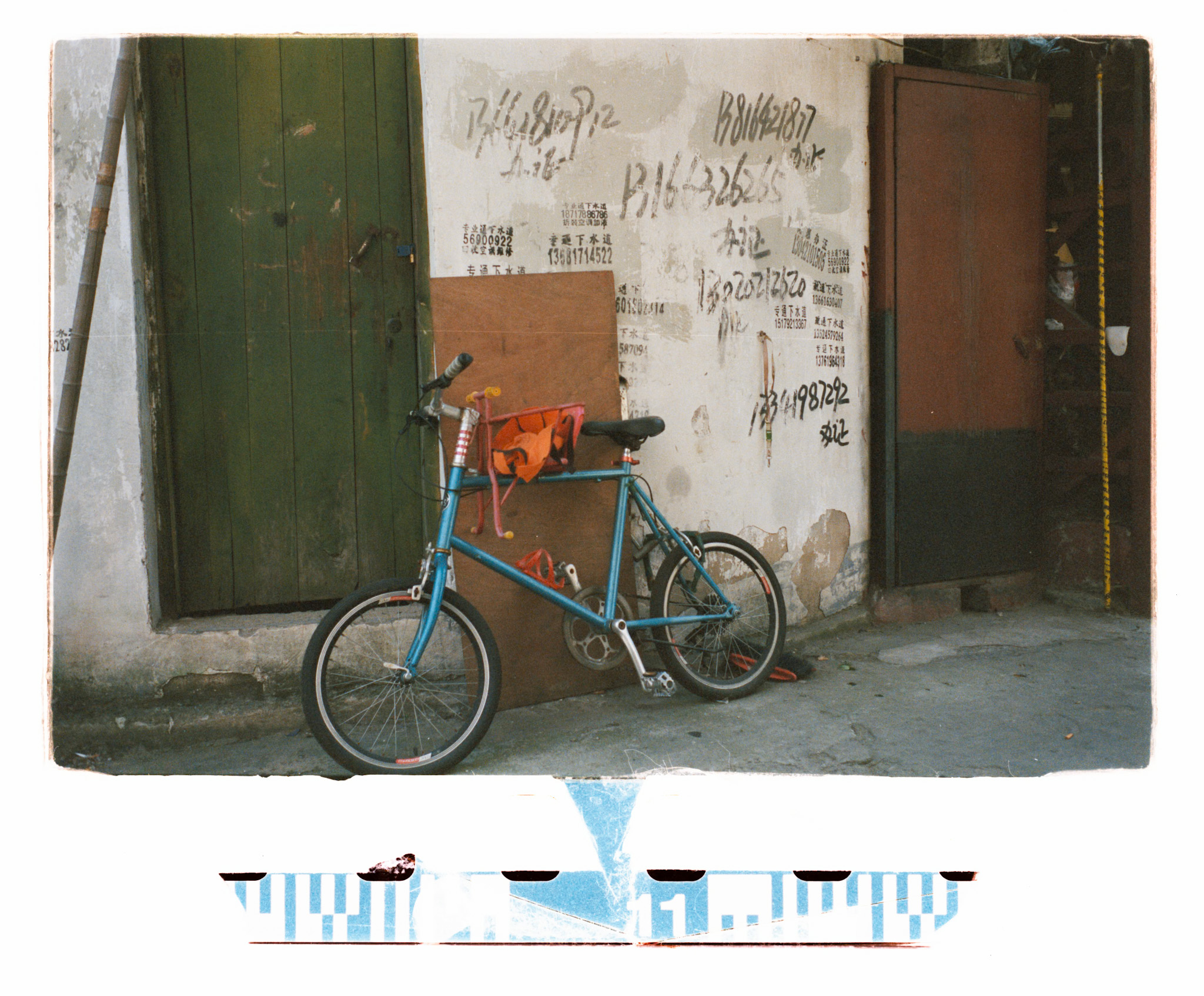
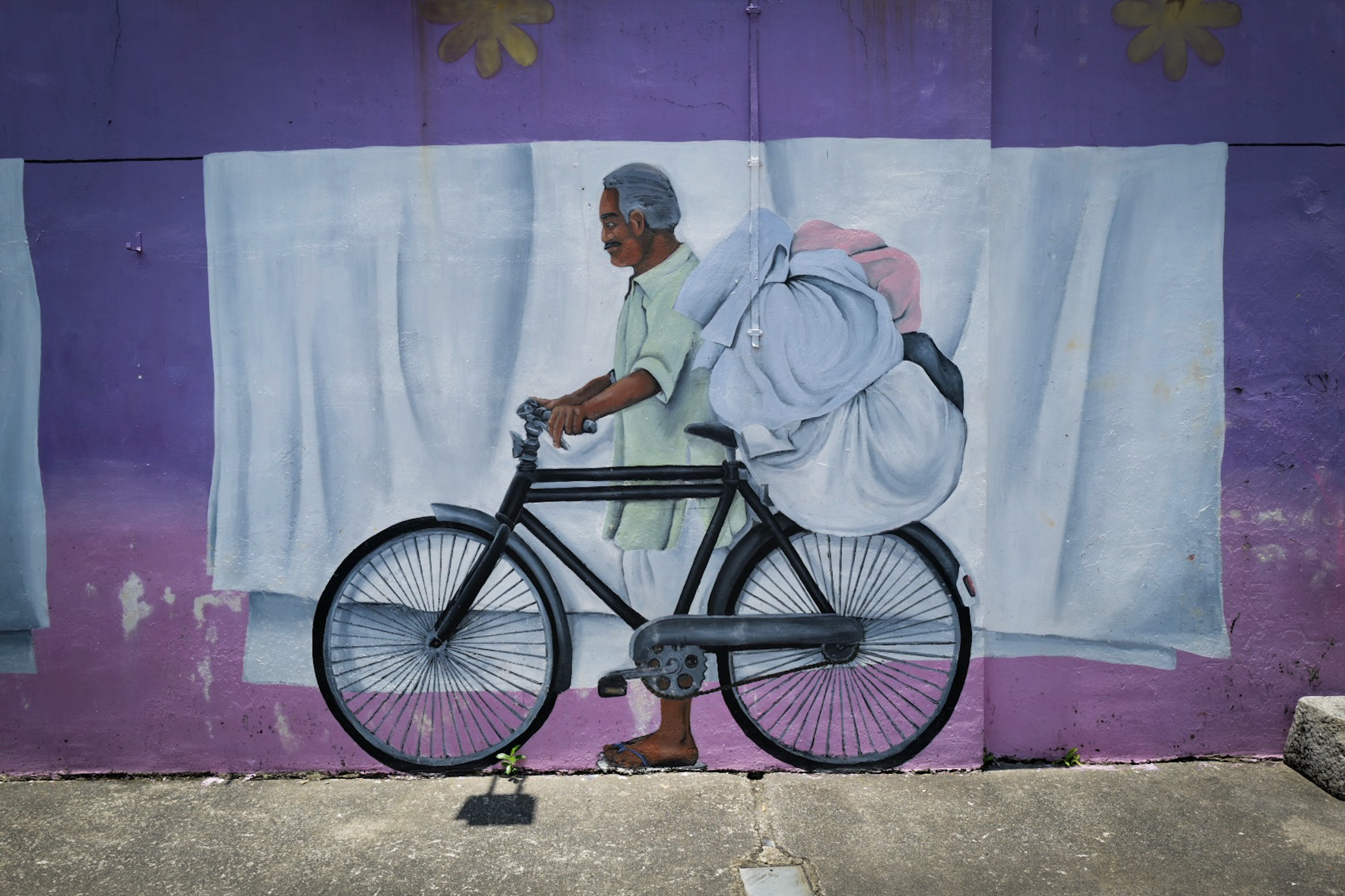
Photographs of bicycles from around the world: Taipei, Genoa, Shanghai, Singapore, and more.

 the-quiet-report.com
Leave a comment