 There’s something oddly poetic in the idea that the world’s most successful company makes a product we rarely notice. YKK — three letters stamped on billions of zippers — is one of those quiet presences that connect our daily lives more than we imagine. Jackets, jeans, backpacks, camera bags, tents: they all close with the small, perfect click of a YKK zip.
Founded in Tokyo in 1934 by Tadao Yoshida, the company built its reputation not on style or branding, but on precision. For Yoshida, quality was a moral act — he believed that “no one prospers without rendering benefit to others.” It’s an old Japanese idea, part ethics, part philosophy, that still drives the company’s way of doing business.
Today YKK produces more than ten billion zippers every year. If you placed them end to end, they’d stretch for over three million kilometres — long enough to wrap around the Earth seventy times. The company holds roughly 40 percent of the world market by value, an astonishing dominance for something so small and overlooked.
The secret is vertical integration: YKK makes everything in-house — from the machines that cut the metal teeth to the thread that holds the tape. They control every step, every fraction of a millimetre. It’s the kind of quiet, obsessive craftsmanship that belongs to a culture where even the simplest object deserves perfection.
And now, after nearly a century of small, incremental improvements, YKK is reinventing the zipper again. The new AiryString® tapeless zip removes the traditional fabric tape, making the fastening lighter, more flexible and less wasteful. It reduces dye use, simplifies sewing, and aligns beautifully with the industry’s new obsession — sustainability.
They’ve also been experimenting with a self-closing, motorized version — a zip that moves on its own, designed first for industrial applications like tents or membranes. It sounds like science fiction, but YKK’s engineers speak about it with quiet seriousness, as if progress in such a humble object was inevitable.
I like that. In a world rushing to reinvent everything with screens, algorithms and noise, YKK stays faithful to something tangible — small teeth interlocking, fabric sliding, a simple sound that means closure and safety.
But even for them, challenges are mounting. Low-cost Chinese competitors are eroding the middle market. New materials and fast-fashion cycles demand cheaper, faster production. And innovation, however elegant, only works if the industry is ready to adopt it. The AiryString® zip might find its way first into outdoor gear or high-end fashion — not yet in your next pair of jeans.
Still, there’s something inspiring in this quiet persistence. A century after its birth, YKK continues to remind us that progress doesn’t always shout. Sometimes it’s a gentle movement between two lines of teeth, an invisible piece of engineering that keeps the world — quite literally — together.
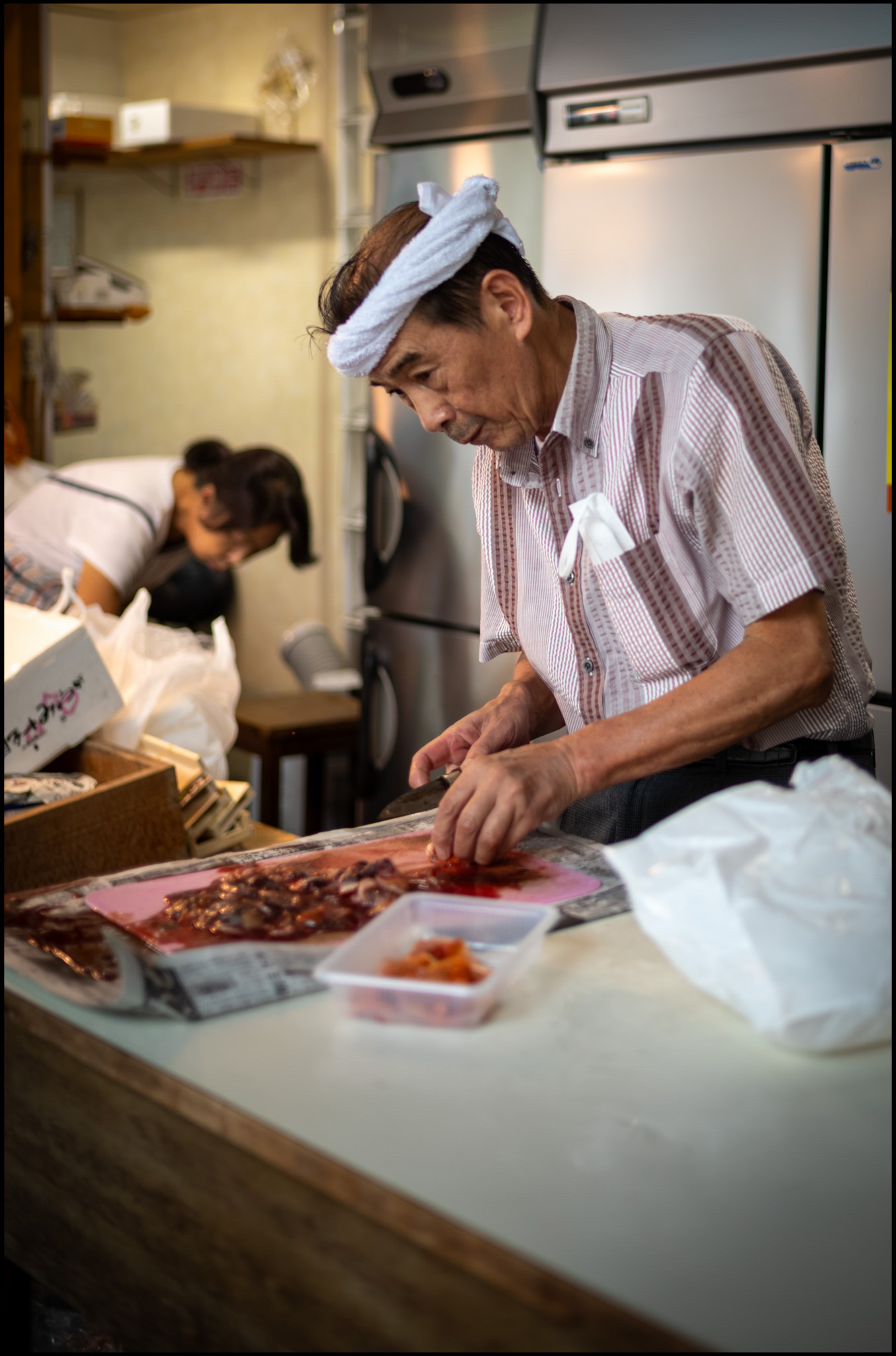
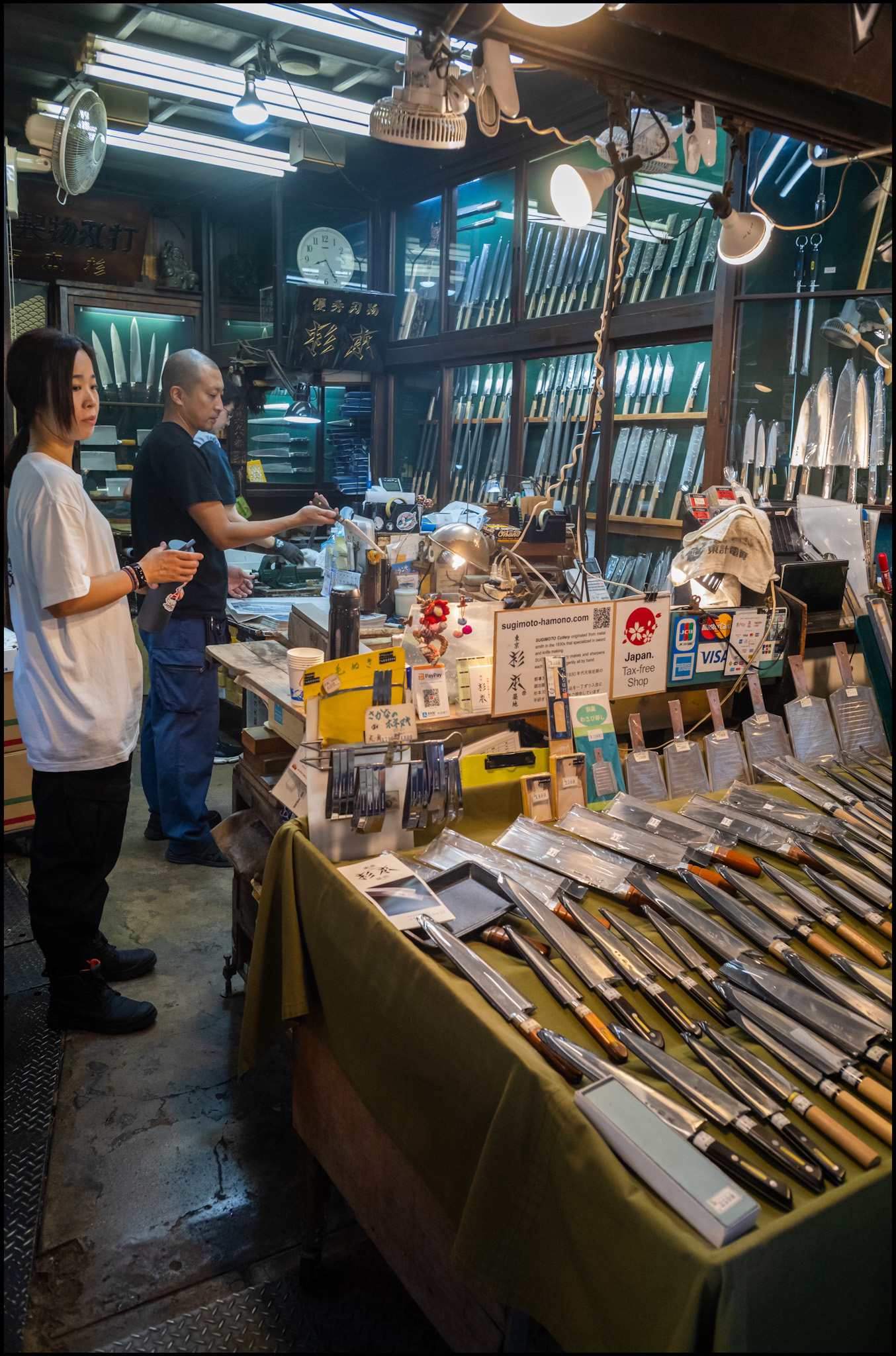
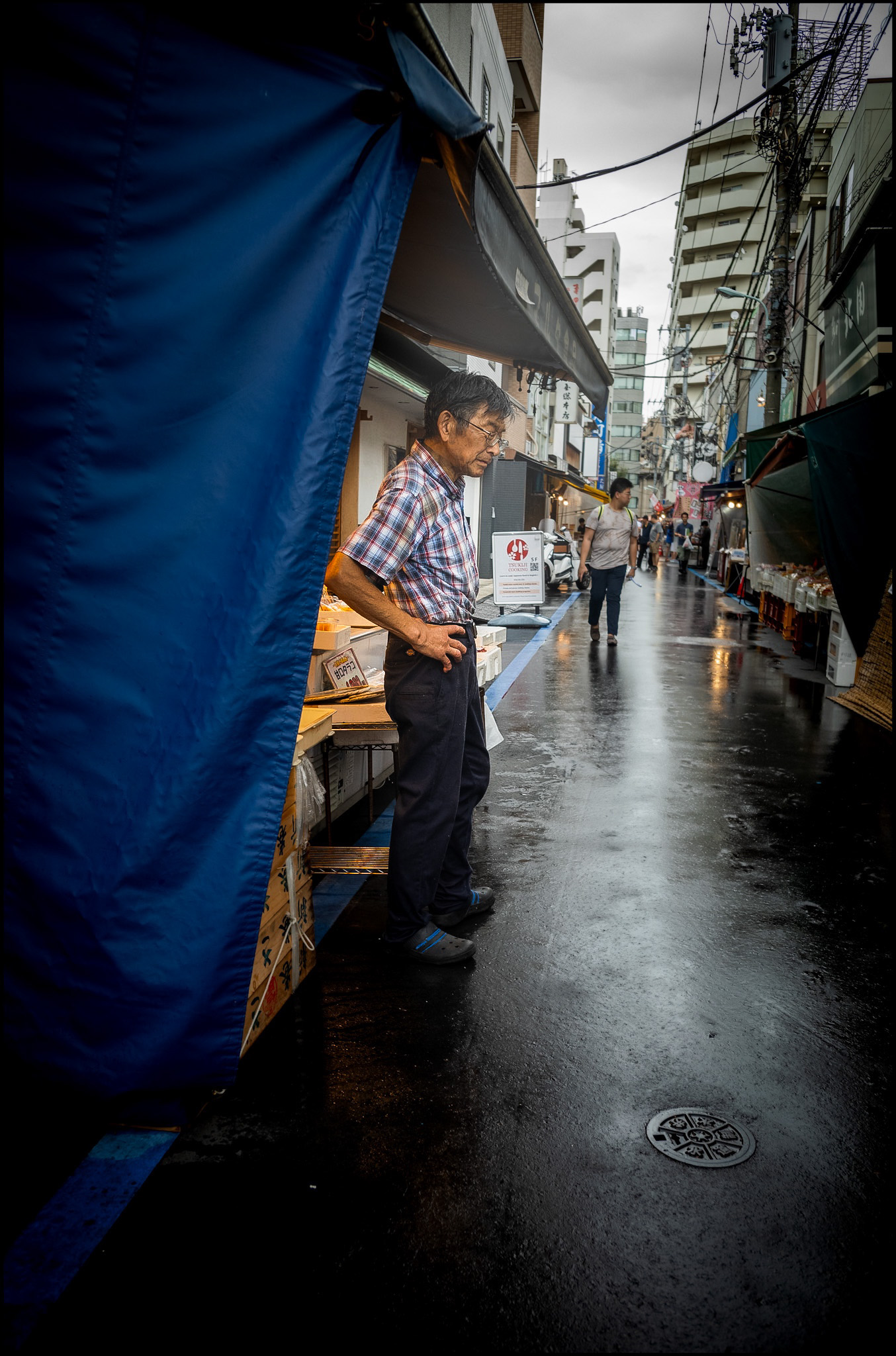
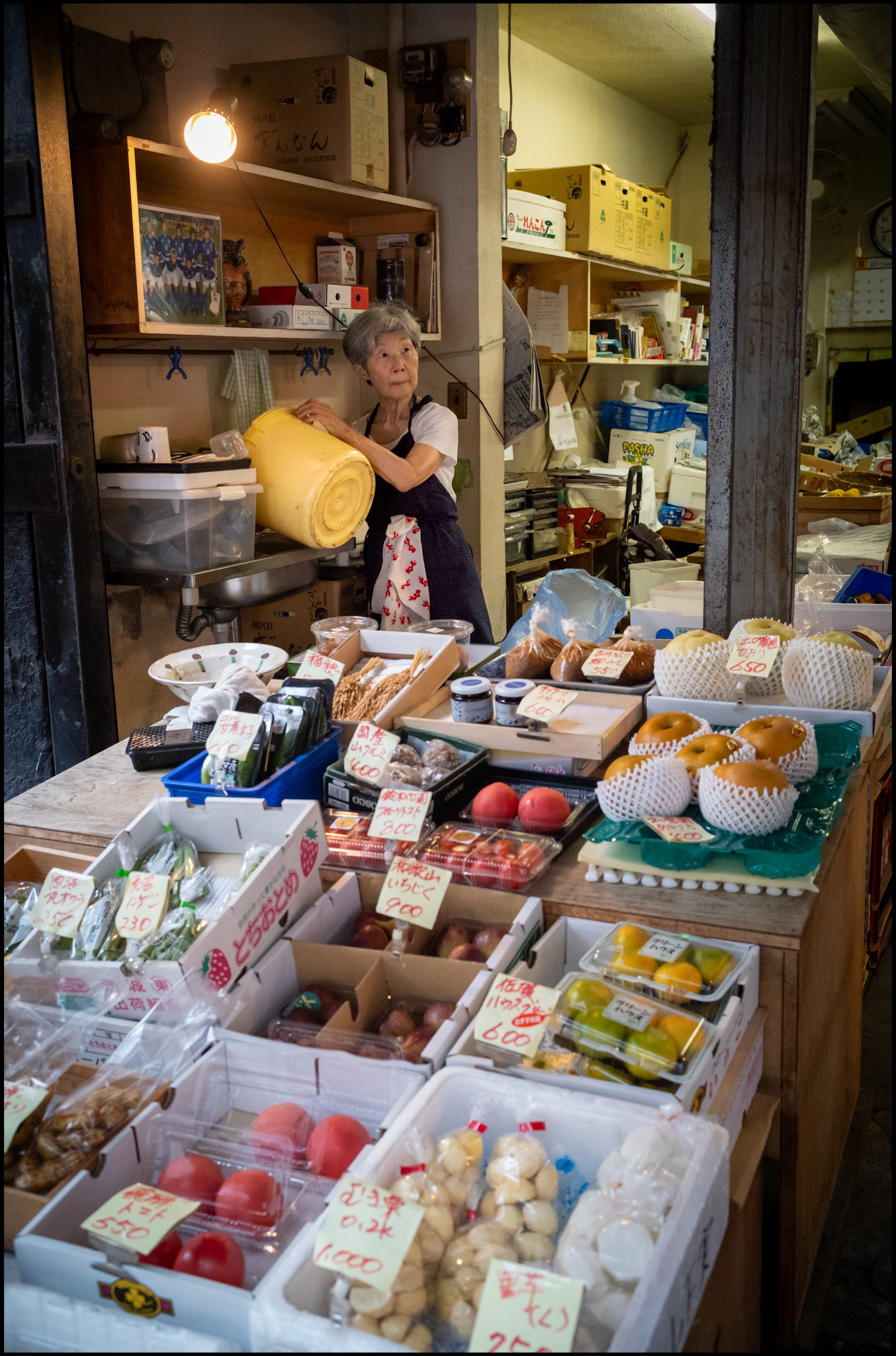
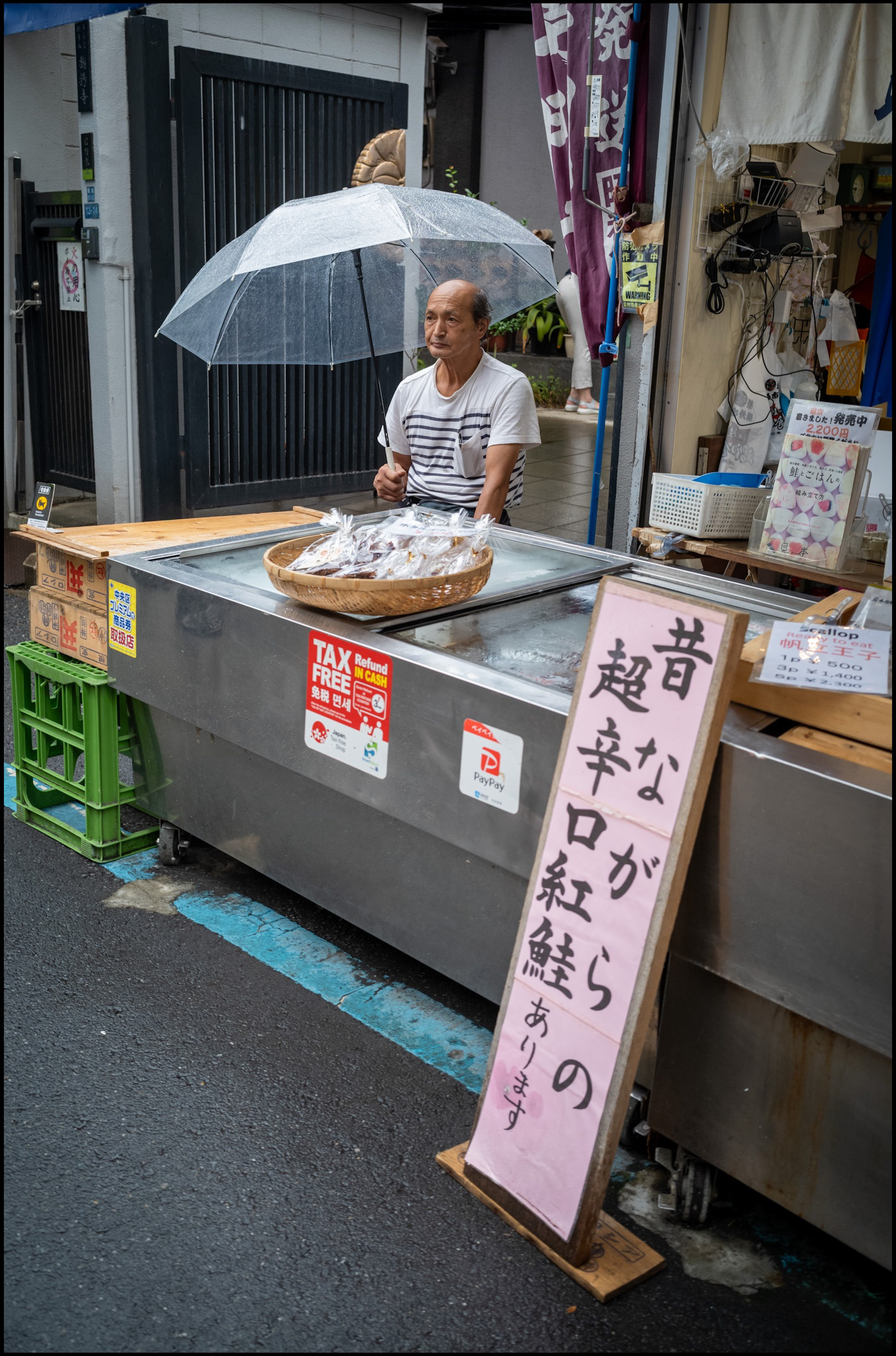
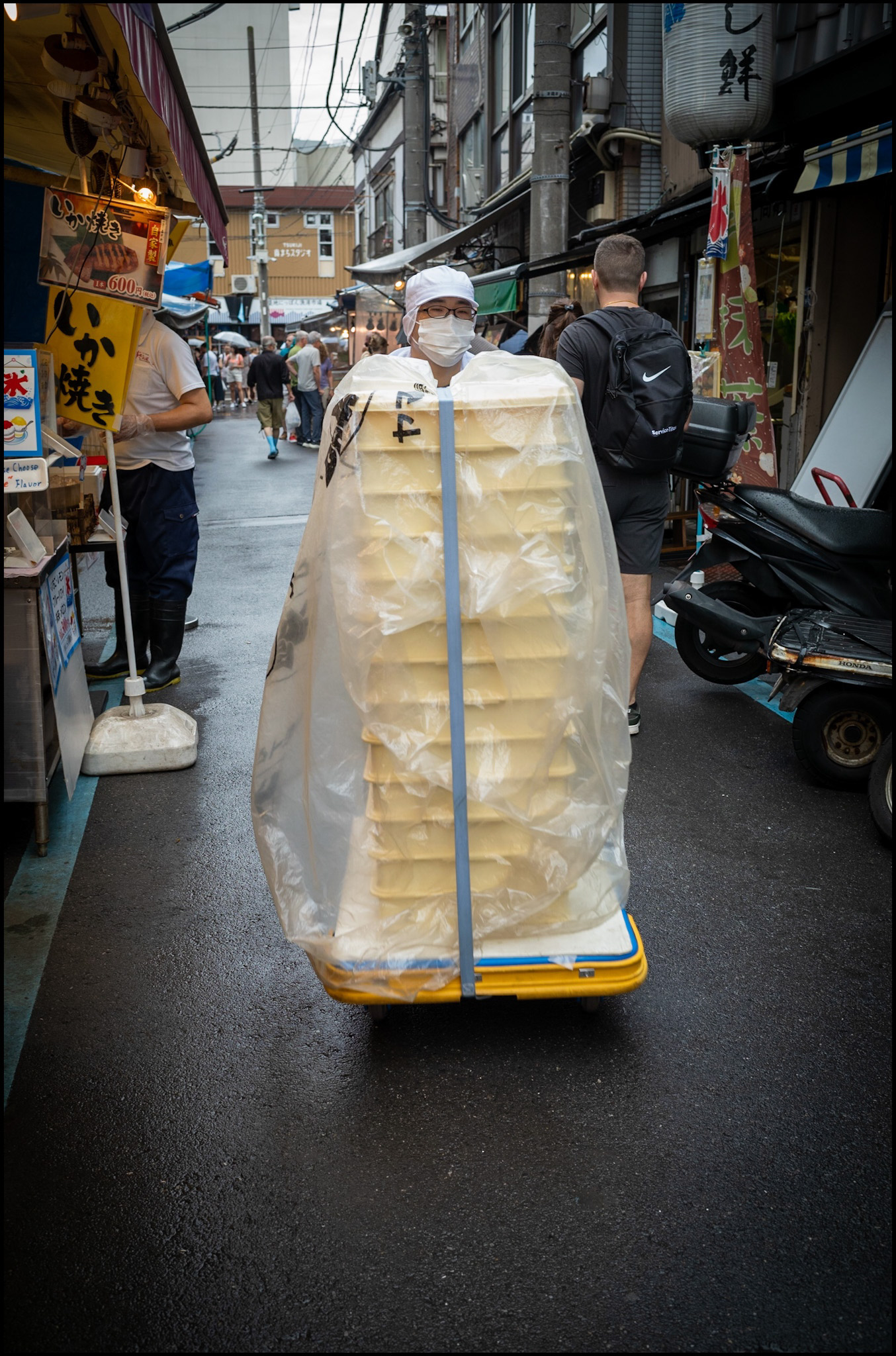
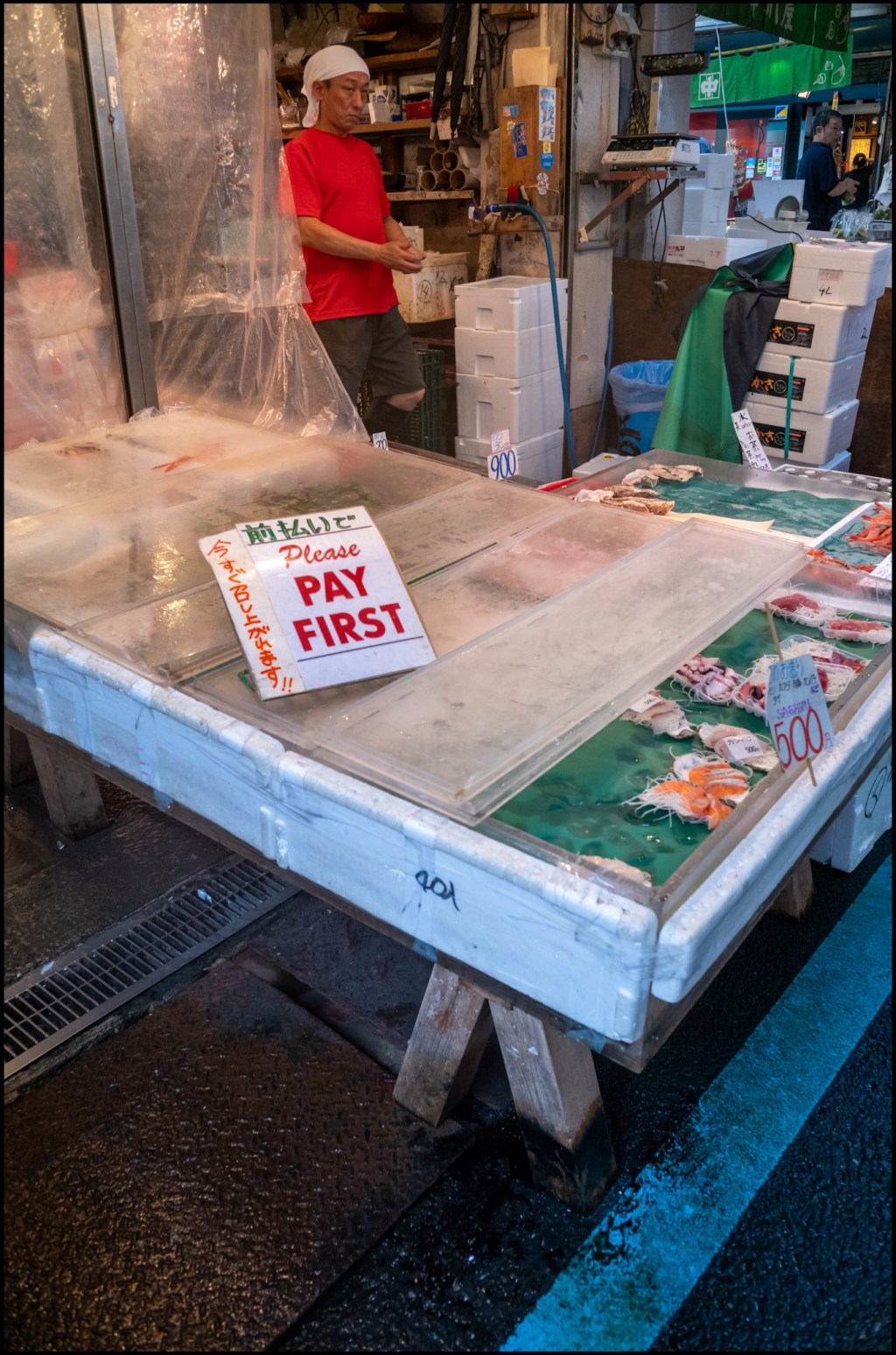
Tsukiji Market is no longer the beating wholesale heart it once was, yet its alleys still breathe a Tokyo that resists disappearing. Before sunrise, cooks, vendors and early wanderers cross paths in a ritual that feels timeless: knives sliding through tuna, steam drifting from tamago stalls, bicycles weaving between crates of melting ice.
I move slowly with my camera, letting the chaos settle into small, intimate scenes — a vendor laughing, a bowl of ramen warming cold hands, the quiet pride of those who have worked here for generations. Tsukiji today is nostalgia in motion, a market surviving in stories and light: I was trying to capture that light with my Leica M10R in hand (September 2023).

 the-quiet-report.com
Leave a comment