 In the heart of Bangkok lies Talat Noi, a historic district with an eclectic blend of cultures, antique charm, and vibrant energy. Tucked along the Chao Phraya River, Talat Noi is not only known for its Chinese heritage, traditional temples, and food stalls, but also for something unusual: scrapyards. These scrapyards have shaped the identity of this neighborhood for decades, serving as a testament to the industrious spirit of its residents. In a city where rapid urban development is common, the scrapyards of Talat Noi stand out as relics of a bygone era and continue to function as both thriving businesses and cultural landmarks.
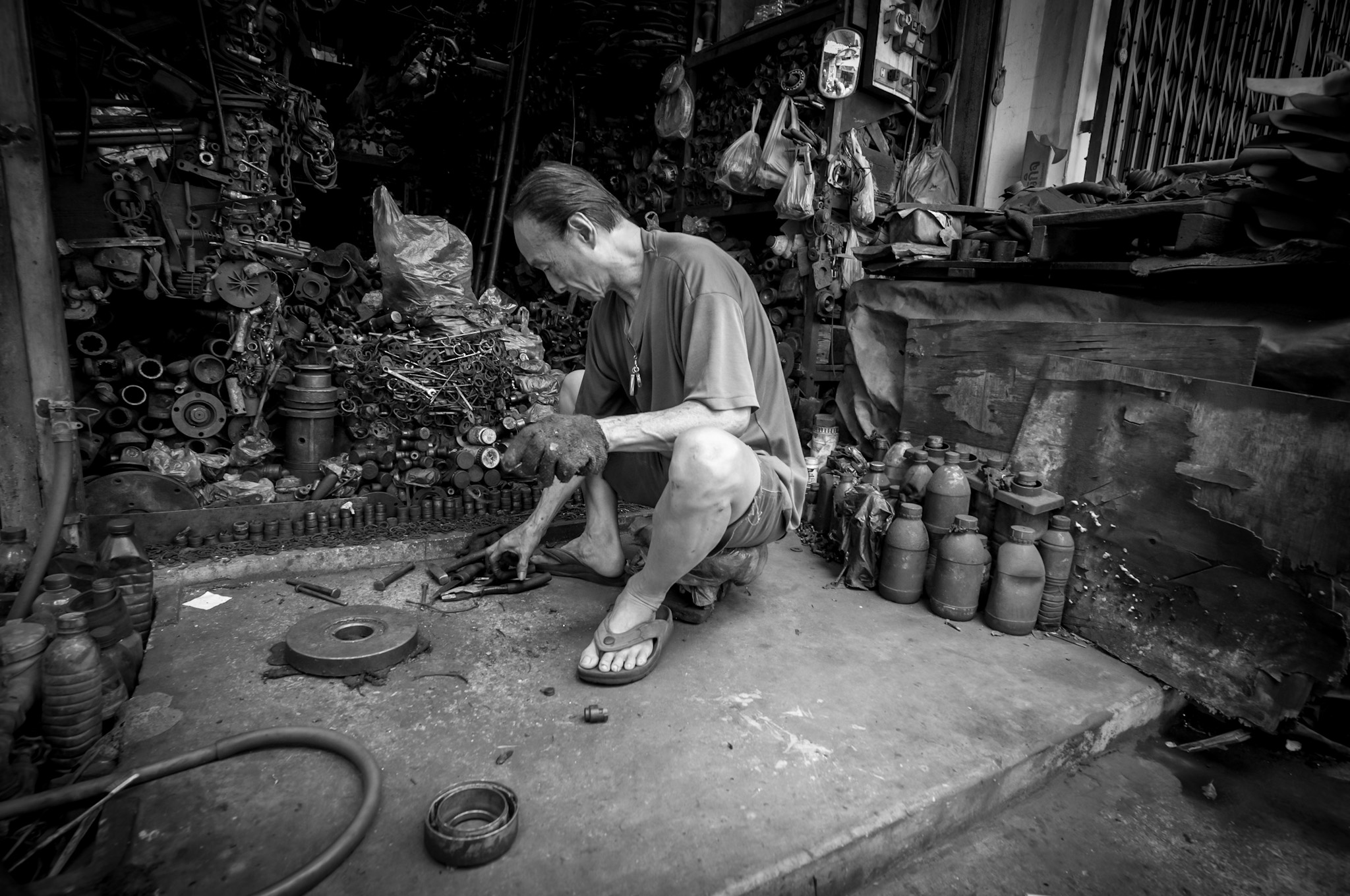
Talat Noi’s story is closely tied to Bangkok’s early Chinese immigrant communities. During the 18th and 19th centuries, the area became a bustling hub for Chinese settlers, many of whom worked in trade, shipping, and small-scale industries. Over time, the community developed a distinctive character, with family-run businesses thriving in narrow alleyways, some of which included metalworking, machinery repairs, and recycling.
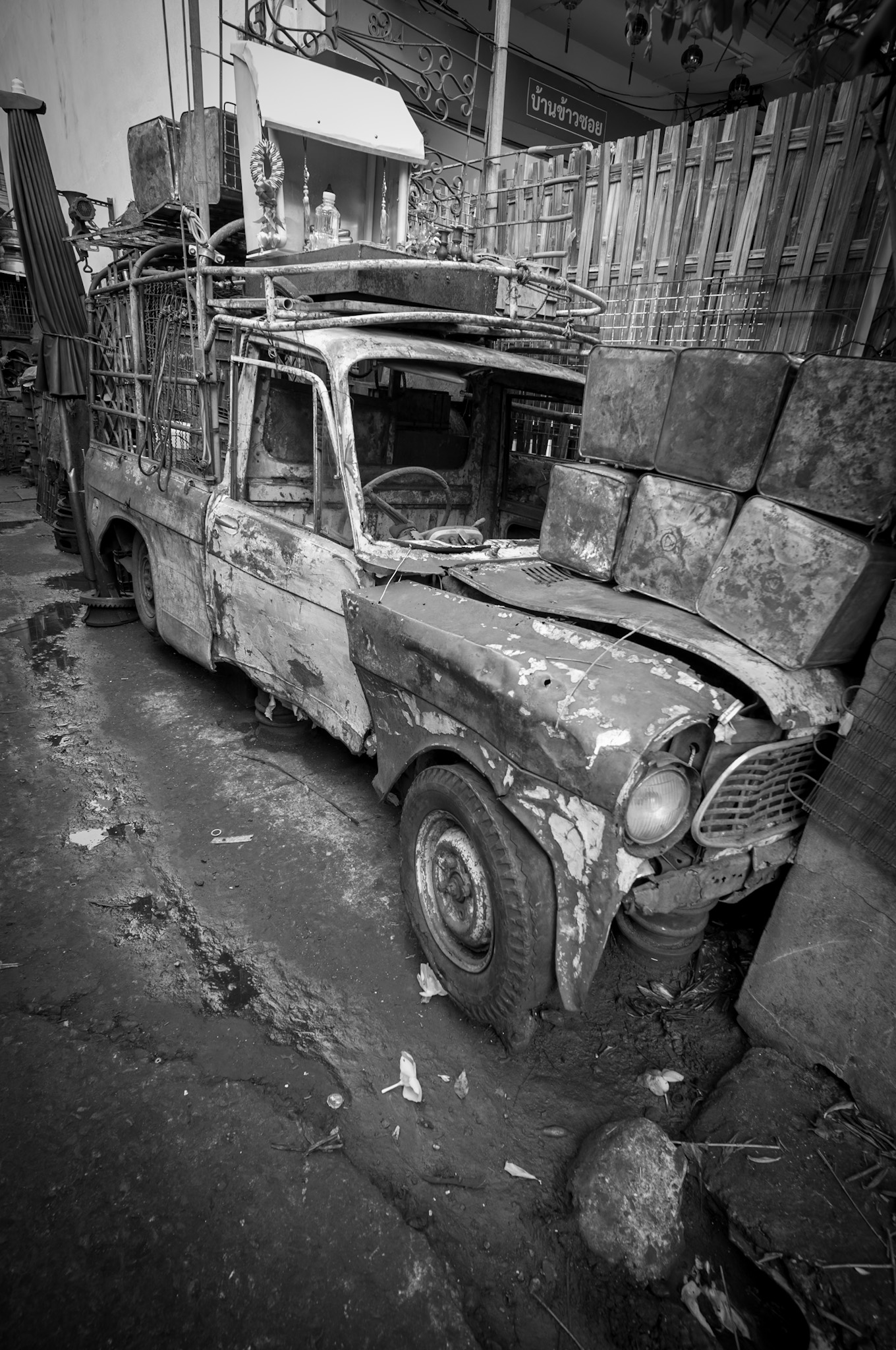
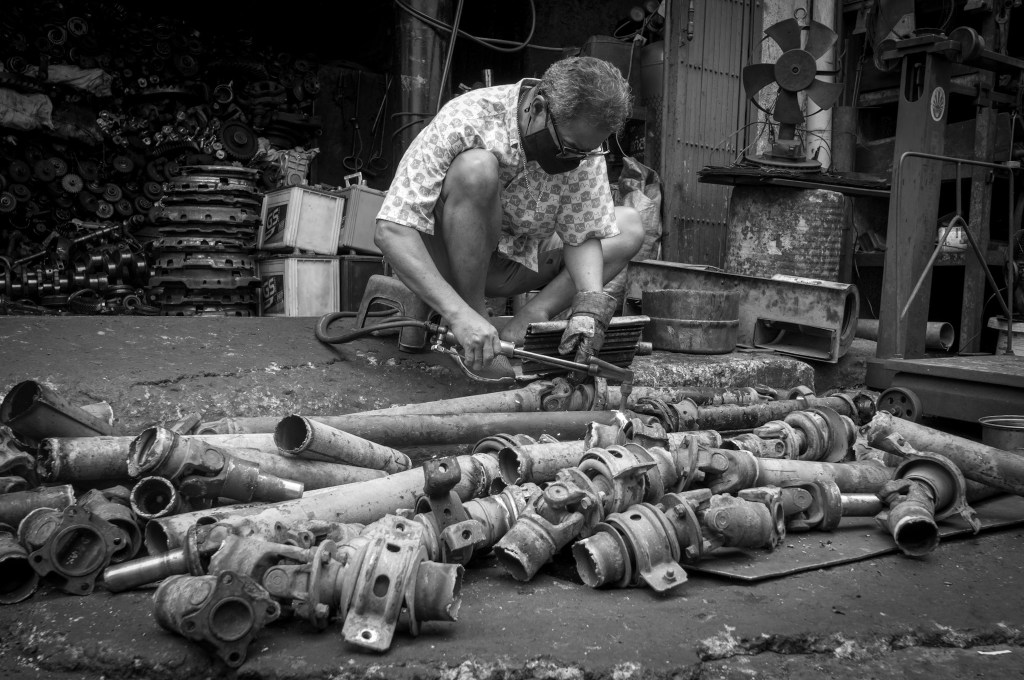
As Bangkok evolved into a modern metropolis, Talat Noi retained much of its old-world charm. Visitors can walk along narrow alleys with traditional shophouses, street-side shrines, and ornate Chinese temples. However, one of the most striking features is the presence of scrapyards filled with piles of rusted engines, spare parts, and industrial equipment—seemingly chaotic but organized with a peculiar sense of order. These scrapyards not only reflect the economic activities of the area but also encapsulate the resilience and ingenuity of its residents.
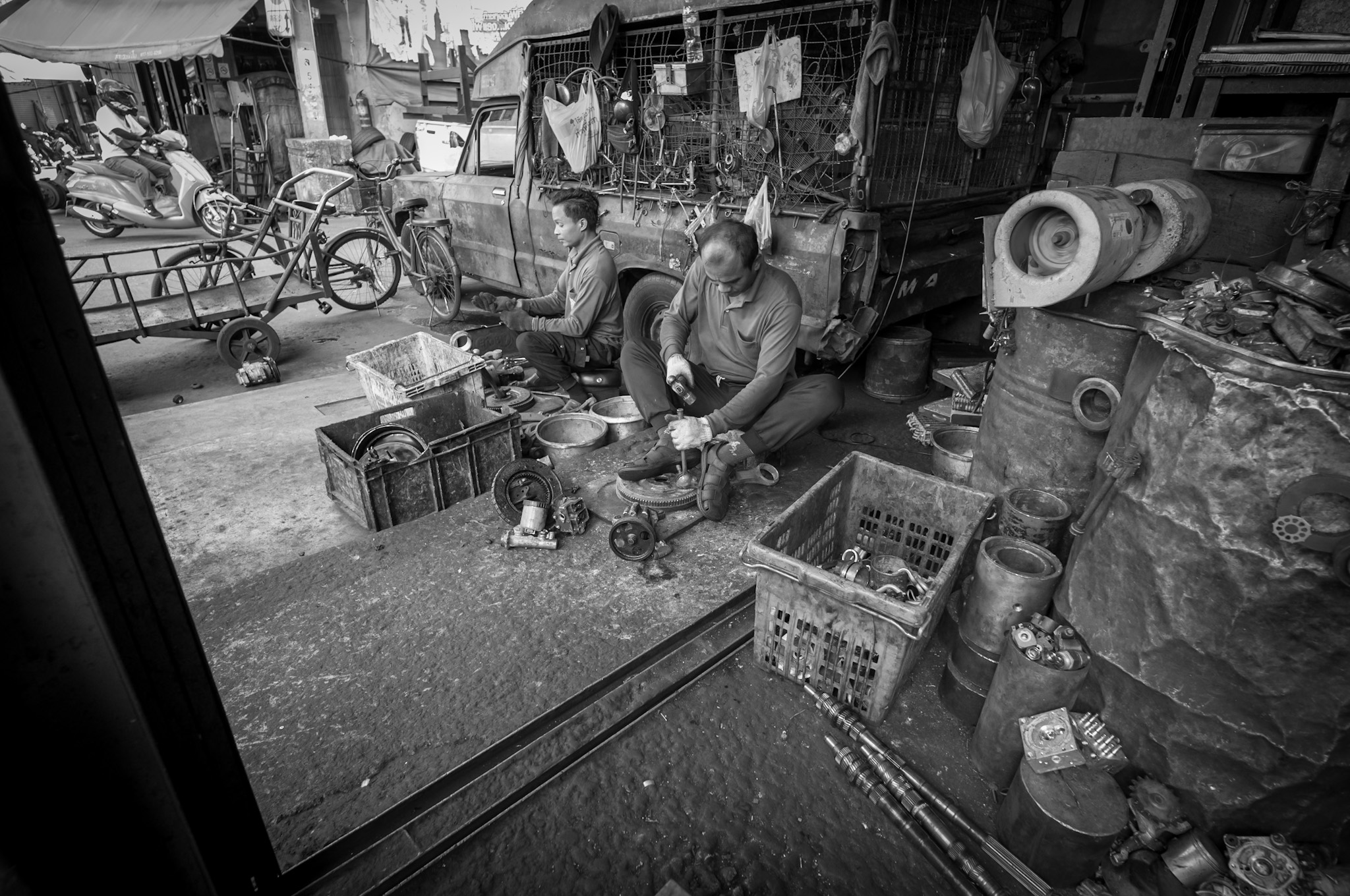
The scrapyards in Talat Noi are more than just places where old machinery comes to rest. They serve as dynamic hubs of recycling, reuse, and resourcefulness. In these yards, one can find parts from old cars, trucks, ships, and industrial machines. While some pieces are used for repairs, others are dismantled for raw materials like copper, steel, and aluminum. This process contributes to Bangkok’s circular economy, reducing waste and promoting sustainable practices in an understated yet effective manner.
Much of the activity revolves around salvaging valuable components from obsolete machinery. Local mechanics, restorers, and artisans scour the scrapyards for parts they need, knowing that some of the items found here are hard to come by elsewhere. In particular, enthusiasts seeking vintage engines and rare components for classic cars or motorcycles frequent these yards. The idea of “waste not, want not” is deeply ingrained in the way these scrapyards operate. Every screw, gear, and motor has the potential to find new life.
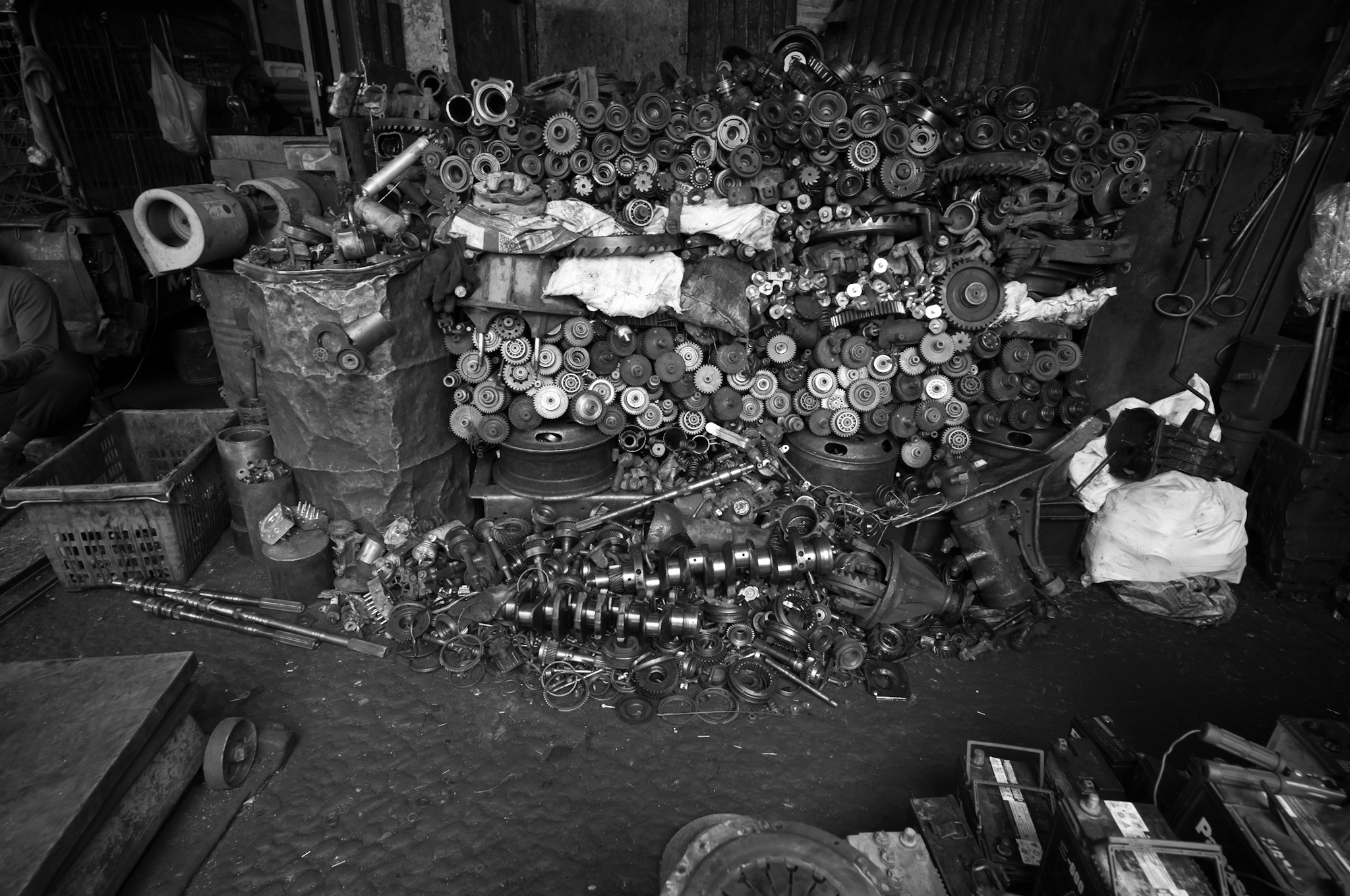
Walking through Talat Noi’s scrapyards is a sensory experience. Piles of rusted metal tower above onlookers, with cables, gears, and mechanical parts spilling into the alleys. The air is thick with the scent of old grease and metal dust, a smell that hints at both decay and potential. The soundscape is equally distinct—scraping metal, the clatter of dismantling tools, and occasional conversations in Teochew or Thai between workers.
Despite the apparent disarray, these scrapyards are highly organized according to an internal logic known only to the owners and workers. One section might be dedicated to car engines, another to ship components, while yet another holds electronic waste. The workers, many of whom are second- or third-generation scrap dealers, can locate specific parts amid the clutter with remarkable precision. This blend of chaos and expertise reflects the culture of Talat Noi—where disorder meets efficiency in a harmonious dance.
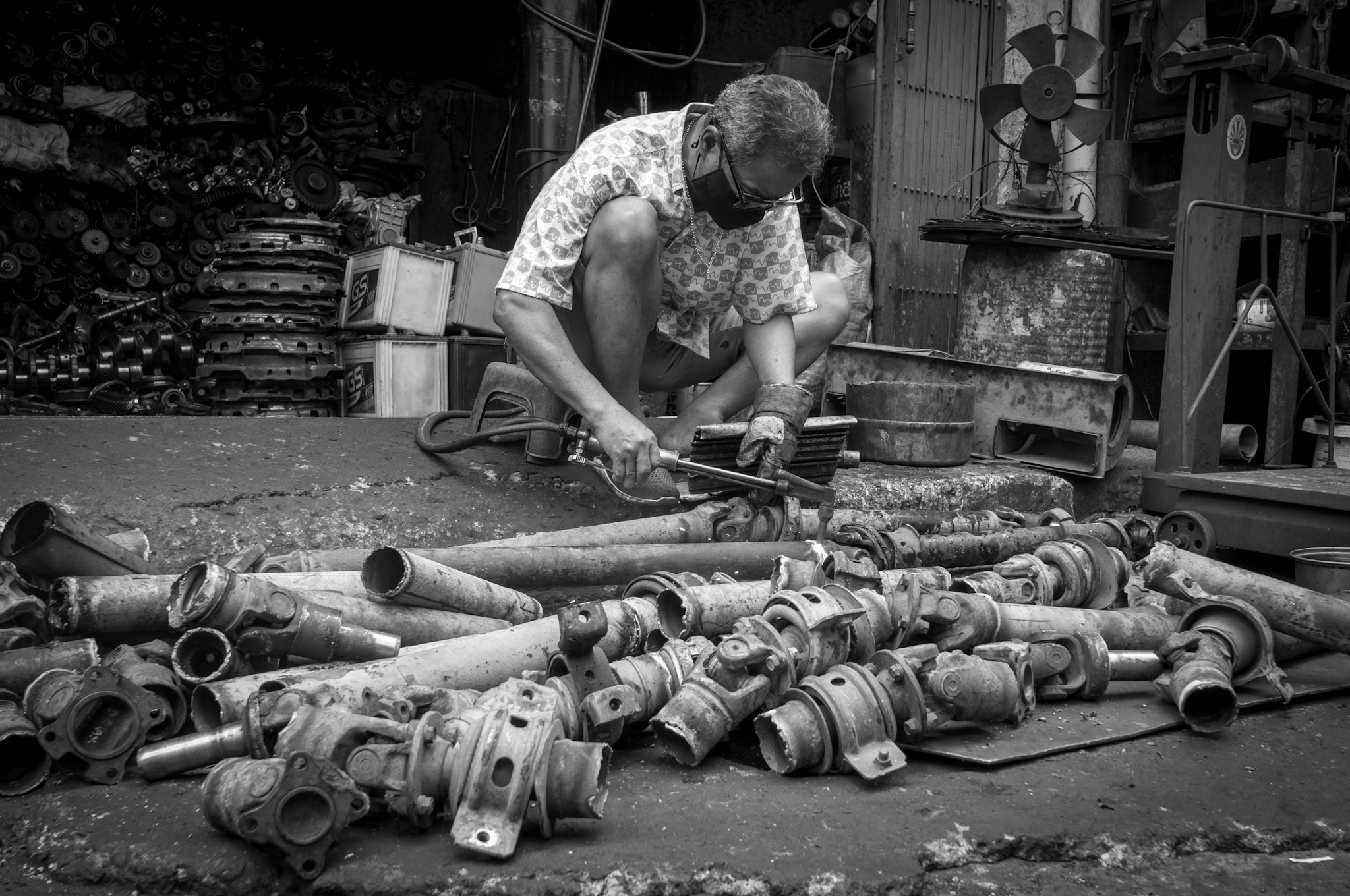
Many of the scrapyards in Talat Noi are family-run operations, passed down through generations. This continuity has helped maintain a sense of community in the neighborhood. Business owners share more than just knowledge of the trade; they pass down cultural values, stories, and a deep connection to the neighborhood’s history. Even as Bangkok’s skyline evolves and gentrification encroaches on historic neighborhoods, these scrapyards remain resilient, anchored by tradition and familial bonds.
The scrapyards also embody the close-knit nature of Talat Noi’s community. Relationships between businesses, residents, and customers are built on trust and mutual respect. Mechanics and restorers know which scrapyard will have the parts they need, and scrapyard owners, in turn, maintain networks with suppliers, buyers, and fellow dealers. This interdependence strengthens the sense of belonging among Talat Noi’s residents.
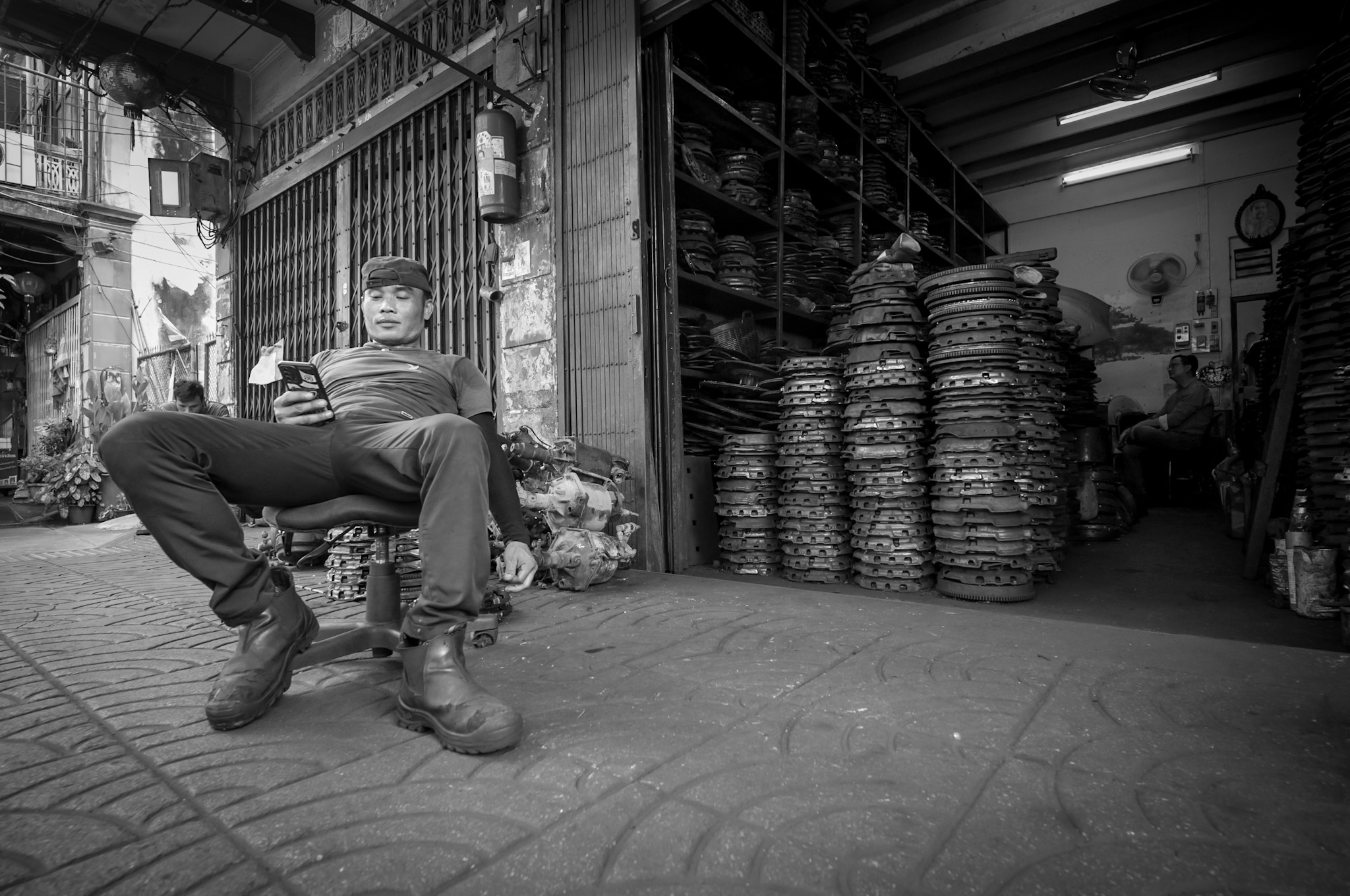
In recent years, Talat Noi’s scrapyards have attracted more than just mechanics and businesspeople—they have also become a source of inspiration for artists, photographers, and tourists. The juxtaposition of old machinery against the backdrop of colorful shophouses and murals provides a visually striking setting. Photographers are particularly drawn to the textures, patterns, and rusted hues of the scrapyards, which tell stories of time, use, and decay.
Street artists have also found a canvas in Talat Noi, using walls and facades around the scrapyards to create murals that reflect the neighborhood’s industrial heritage and Chinese roots. These murals, combined with the scrapyards’ raw aesthetic, have turned Talat Noi into an open-air gallery, attracting visitors who come not just to shop or repair but also to admire the fusion of art and industry.
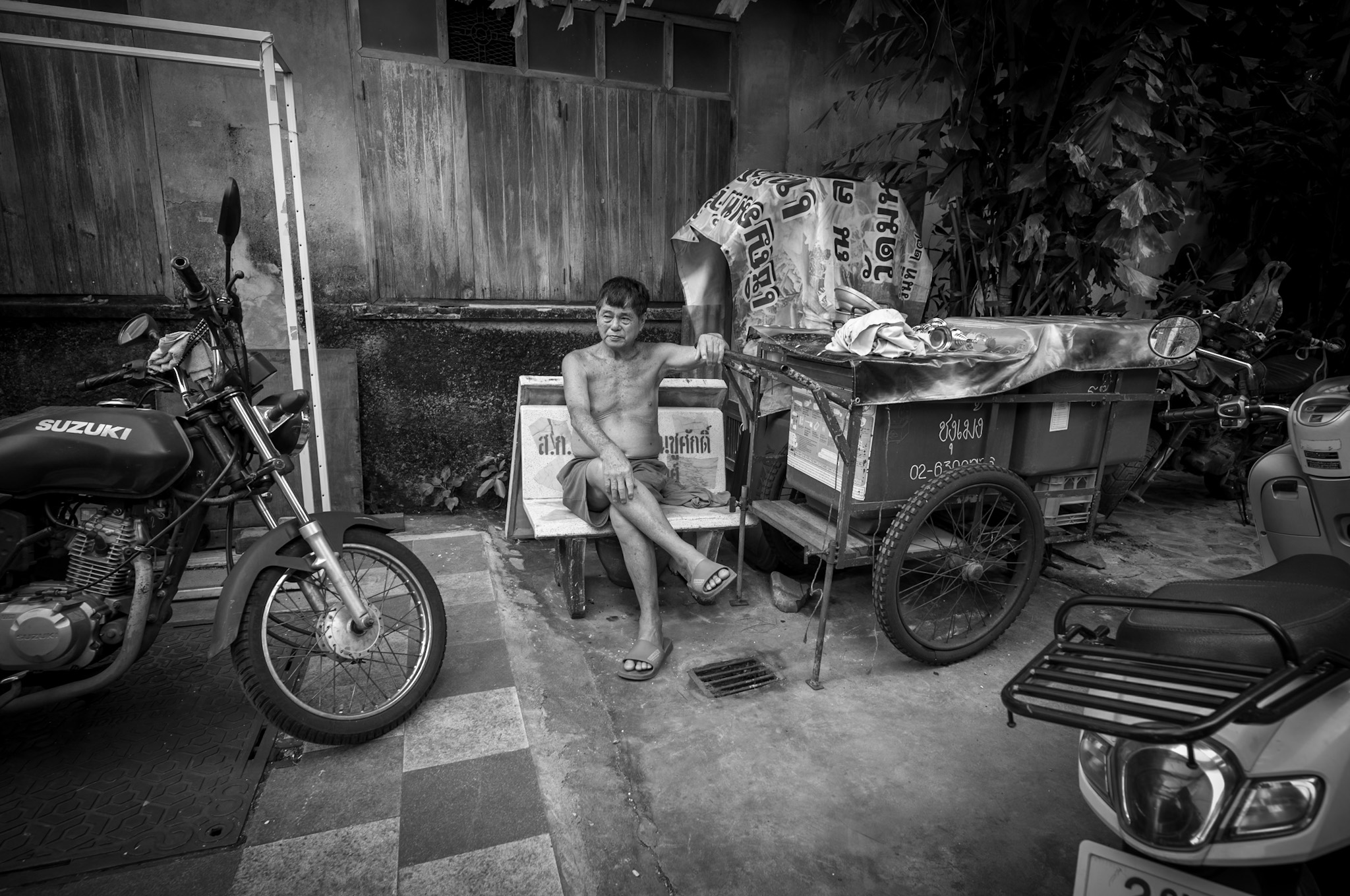
Despite their cultural and economic significance, the scrapyards of Talat Noi face challenges. As Bangkok continues to develop, the pressure to modernize and make way for new infrastructure projects grows. Some scrapyards have already been forced to relocate or close due to rising property prices and urban redevelopment initiatives. Gentrification also poses a threat to the neighborhood’s character, as trendy cafes, boutique hotels, and art spaces move in, catering to a new demographic of visitors.
However, there are also efforts to preserve Talat Noi’s heritage. Community groups, conservationists, and local businesses have advocated for sustainable development that respects the area’s history. By promoting Talat Noi as a cultural destination, these stakeholders hope to strike a balance between progress and preservation. Some scrapyard owners have also adapted to changing times by incorporating elements of tourism into their business models, offering guided tours and collaborating with artists.
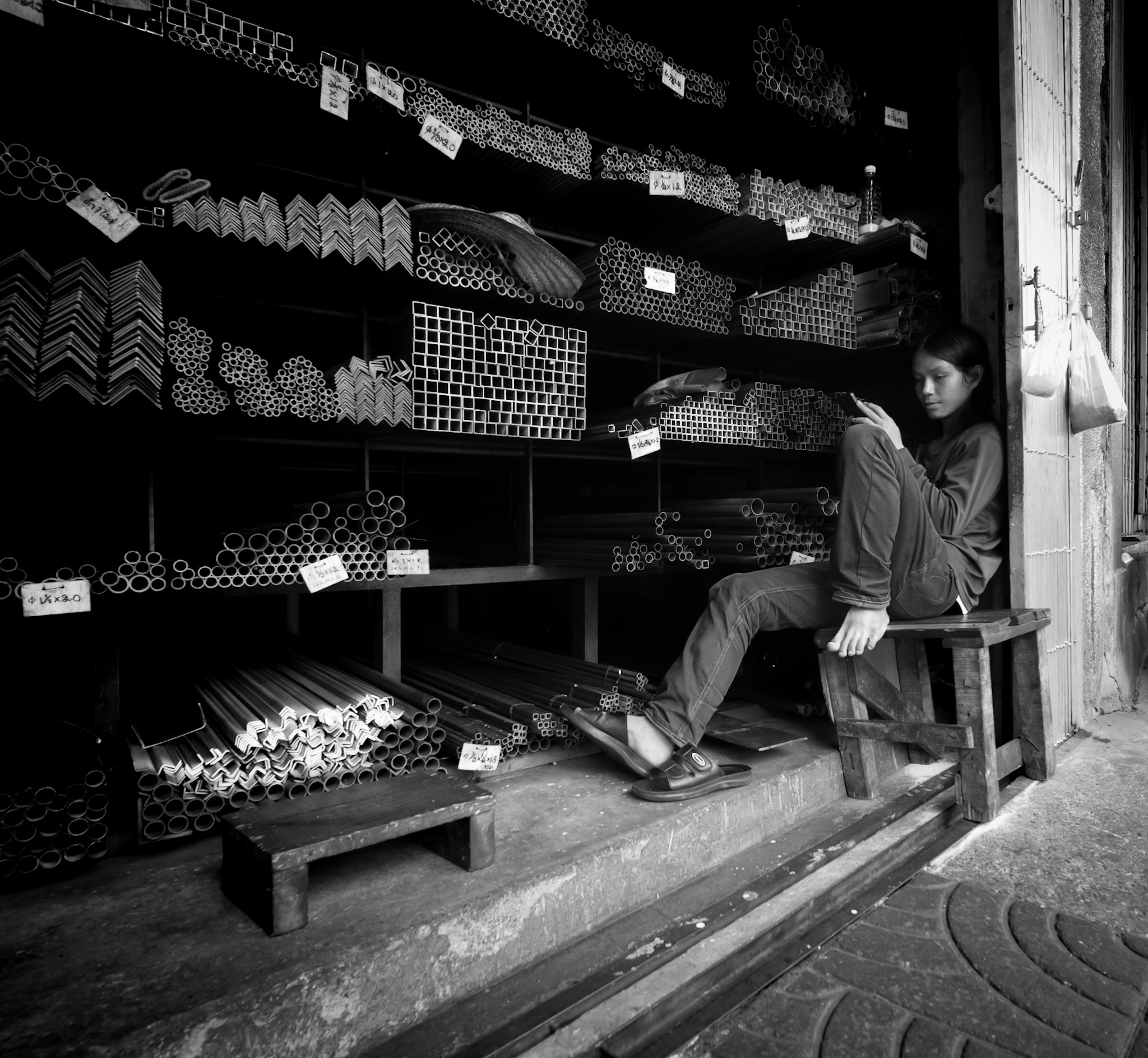
The scrapyards of Talat Noi are more than just repositories of old metal—they are living archives of Bangkok’s industrial past and vital contributors to its present economy. In a city that constantly reinvents itself, these scrapyards serve as reminders of the importance of tradition, resourcefulness, and community. Whether viewed through the lens of industry, culture, or art, the scrapyards offer a unique perspective on the intersection of heritage and modernity.
As Talat Noi navigates the challenges of urbanization and gentrification, its scrapyards remain symbols of resilience. They reflect not only the neighborhood’s history but also its ability to adapt and thrive in the face of change. For those who explore Talat Noi, the scrapyards offer a glimpse into a world where discarded objects are given new life, and where every piece of scrap holds a story waiting to be told.

 the-quiet-report.com
Leave a comment