The Oltrepò Pavese, nestled in the Lombardy region of northern Italy, is a region steeped in viticultural history. Among its many treasures, the cultivation of Pinot Noir stands out as a significant achievement, placing this area on the global map of fine wine production. Although more commonly associated with regions like Burgundy in France, Pinot Noir has found a unique expression in Oltrepò Pavese, shaped by the region’s distinctive climate, geography, and winemaking traditions.
Oltrepò Pavese, meaning “beyond the Po River” in Italian, is a hilly area that covers about 1600 square kilometers. Historically, it has been a crossroads for trade and culture, with viticulture dating back to the Roman era. The region’s strategic location and favorable climate have made it an important center for wine production for centuries.
The introduction of Pinot Noir to Oltrepò Pavese is relatively recent compared to the region’s ancient winemaking traditions. It was during the late 19th and early 20th centuries that the grape was brought to the area by local winemakers seeking to diversify their offerings. The cool climate, influenced by the proximity to the Alps and the Po River, proved ideal for Pinot Noir, a variety known for its sensitivity to environmental conditions.
The Terroir: Climate and Soil
Oltrepò Pavese’s terroir is one of its greatest assets, contributing to the unique characteristics of its Pinot Noir. The region’s landscape is dominated by rolling hills that range between 200 to 700 meters above sea level. This variation in altitude creates diverse microclimates, each offering different growing conditions for the vines.
The climate is classified as continental, with hot summers and cold winters, but it is tempered by the influence of the nearby Po River and the Apennine Mountains. These geographic features help moderate temperatures, reducing the risk of frost in spring and excessive heat in summer, both of which are crucial for growing Pinot Noir, a grape variety that is notoriously difficult to cultivate.
The soil in Oltrepò Pavese is another key factor in the success of Pinot Noir. The region is characterized by a mix of calcareous clay, limestone, and marl soils, which are ideal for viticulture. These soils provide good drainage, forcing the vines to dig deep into the earth, which in turn enhances the complexity and minerality of the wines. The balance of nutrients and moisture in the soil helps produce grapes with high acidity, a hallmark of quality Pinot Noir.
Viticulture and Winemaking Practices
Growing Pinot Noir in Oltrepò Pavese requires meticulous care. The grape’s thin skin makes it susceptible to diseases like mildew and rot, so vineyard management practices must be rigorous. Many producers in the region have adopted sustainable or organic farming methods to maintain the health of their vineyards and the surrounding environment. These practices include careful canopy management to ensure adequate air circulation, precise control of irrigation to avoid water stress, and selective harvesting to ensure only the best grapes are used.
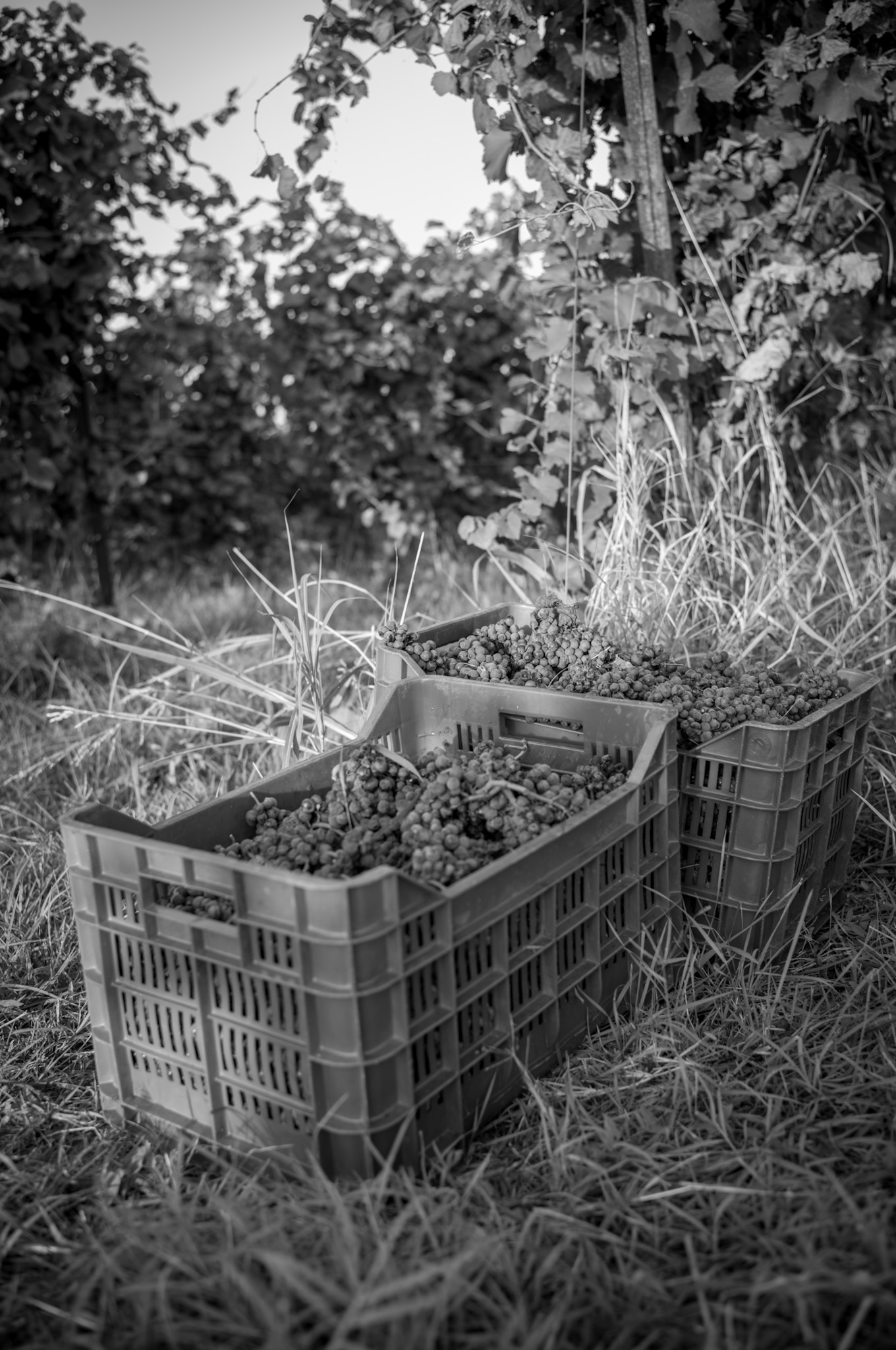
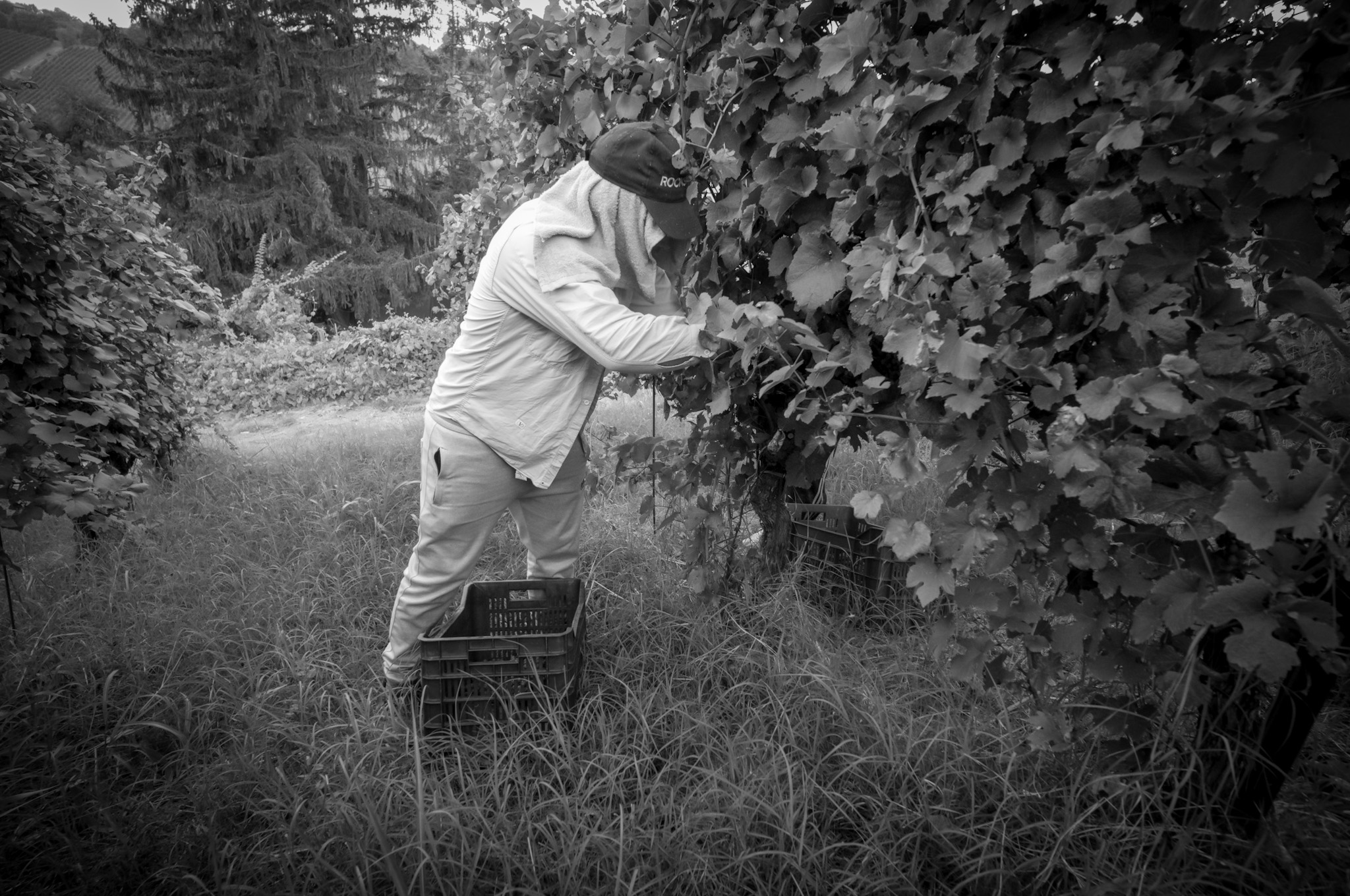
Winemaking in Oltrepò Pavese combines traditional techniques with modern innovations. After hand-harvesting, the grapes undergo a gentle pressing to extract the juice without breaking the seeds, which can impart unwanted bitterness. Fermentation typically takes place in stainless steel tanks to preserve the grape’s delicate aromas and flavors, though some producers also use oak barrels to add complexity and structure to the wine.
A key aspect of winemaking in Oltrepò Pavese is the emphasis on minimal intervention. Many winemakers prefer to let the wine express the terroir naturally, using indigenous yeasts for fermentation and avoiding excessive manipulation during the aging process. This approach results in wines that are true to the region, showcasing the purity of the fruit and the unique characteristics of the land.
The Character of Oltrepò Pavese Pinot Noir
Pinot Noir from Oltrepò Pavese is distinguished by its elegance, balance, and complexity. The wines typically exhibit a vibrant ruby color and a bouquet that can include red berries, cherries, violets, and earthy notes. On the palate, Oltrepò Pavese Pinot Noirs are known for their bright acidity, silky tannins, and a delicate structure that makes them both versatile and age-worthy.
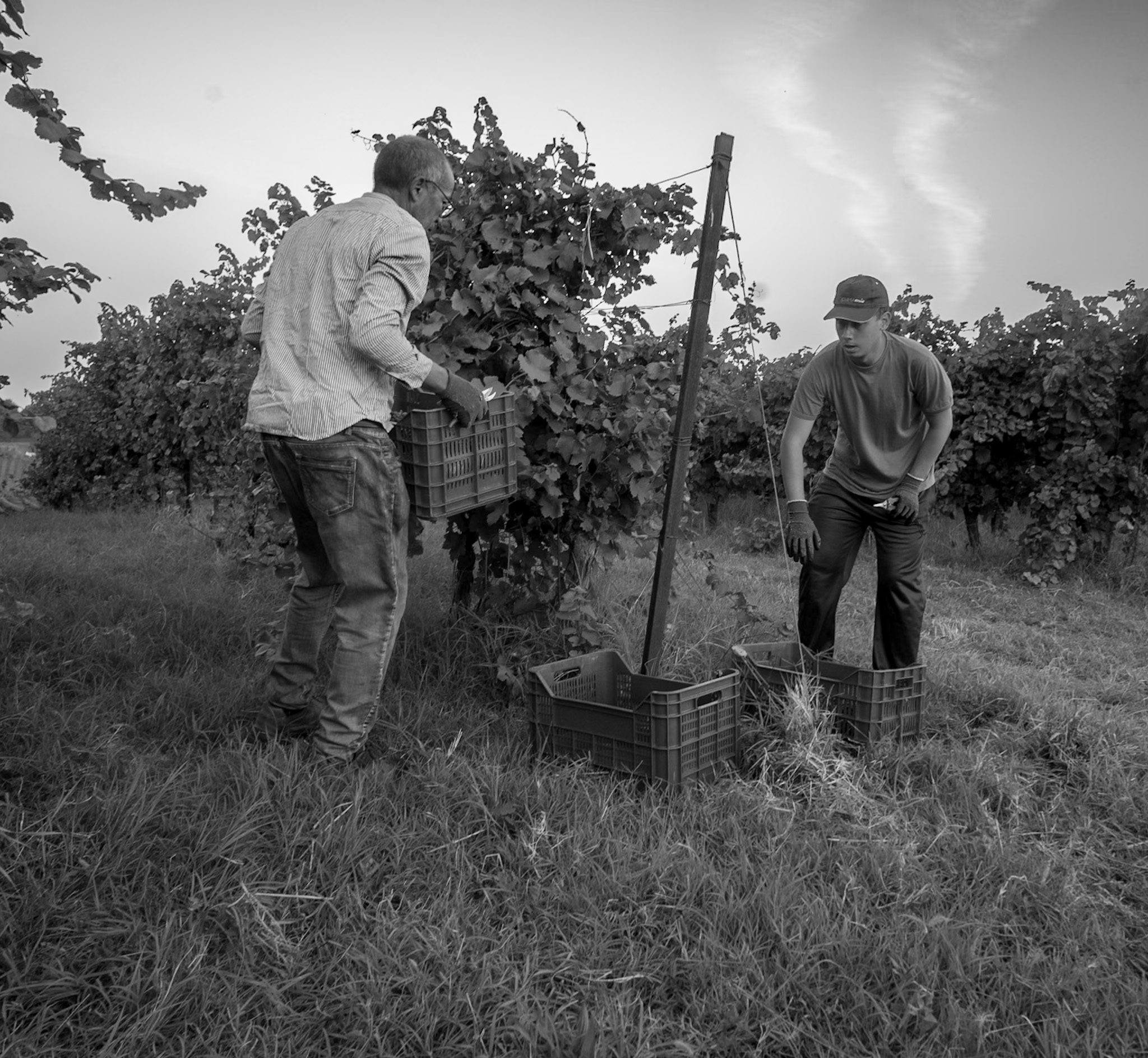
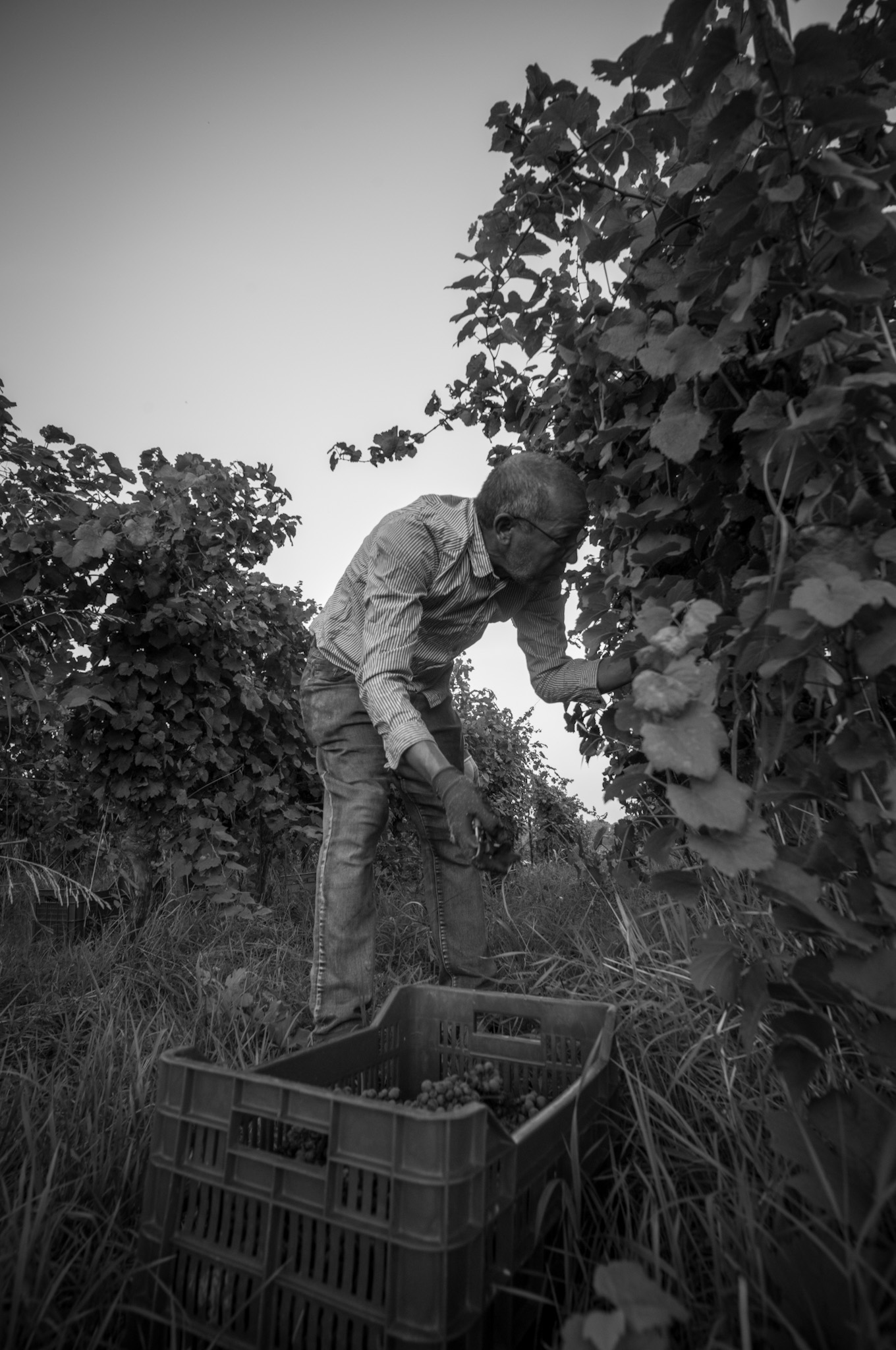
One of the defining features of Pinot Noir from this region is its minerality, a direct reflection of the limestone-rich soils. This minerality, combined with the natural acidity of the grapes, gives the wines a refreshing crispness and a long, satisfying finish. Depending on the specific vineyard site and winemaking techniques, Oltrepò Pavese Pinot Noirs can range from light and aromatic to more full-bodied and complex, but they always retain a sense of finesse and precision.
Sparkling Wines: The Spumante Tradition
While still Pinot Noir wines are highly prized in Oltrepò Pavese, the grape also plays a crucial role in the region’s sparkling wine production. Oltrepò Pavese is one of Italy’s premier regions for Metodo Classico sparkling wines (the traditional method used in Champagne), and Pinot Noir is a key component of these wines.
The sparkling wines from Oltrepò Pavese, particularly those labeled as Oltrepò Pavese Metodo Classico DOCG, are often dominated by Pinot Noir, sometimes in a blanc de noirs style, where the wine is made entirely from red grapes but vinified as a white wine. These sparkling wines are characterized by fine bubbles, crisp acidity, and complex flavors that range from fresh citrus and green apple to richer notes of brioche and toasted almonds, depending on the aging process.
The Future of Oltrepò Pavese Pinot Noir
The reputation of Oltrepò Pavese Pinot Noir is steadily growing, both within Italy and internationally. As more wine enthusiasts discover the quality and character of these wines, the region is gaining recognition as one of Italy’s premier Pinot Noir-producing areas. The commitment to quality and the emphasis on terroir-driven wines are helping to elevate the profile of Oltrepò Pavese on the world stage.
Challenges remain, of course. The region’s producers must continue to innovate and adapt to changing climate conditions while maintaining the delicate balance between tradition and modernity. However, with its rich history, ideal terroir, and passionate winemakers, Oltrepò Pavese is well-positioned to thrive as a center of excellence for Pinot Noir.
Today at Tenuta Mazzolino
Pinot Noir in the Oltrepò Pavese region is more than just a grape variety; it’s a reflection of the land, the climate, and the people who have cultivated it for generations. The wines produced here are a testament to the region’s unique terroir and the skill of its winemakers. Whether in the form of elegant still wines or refined sparkling wines, Oltrepò Pavese Pinot Noir offers a distinctive and captivating experience that is increasingly being recognized and celebrated by wine lovers around the world. As the region continues to develop and refine its winemaking practices, there is no doubt that Oltrepò Pavese will become even more prominent in the global wine landscape, particularly for those who appreciate the nuances and complexities of fine Pinot Noir.
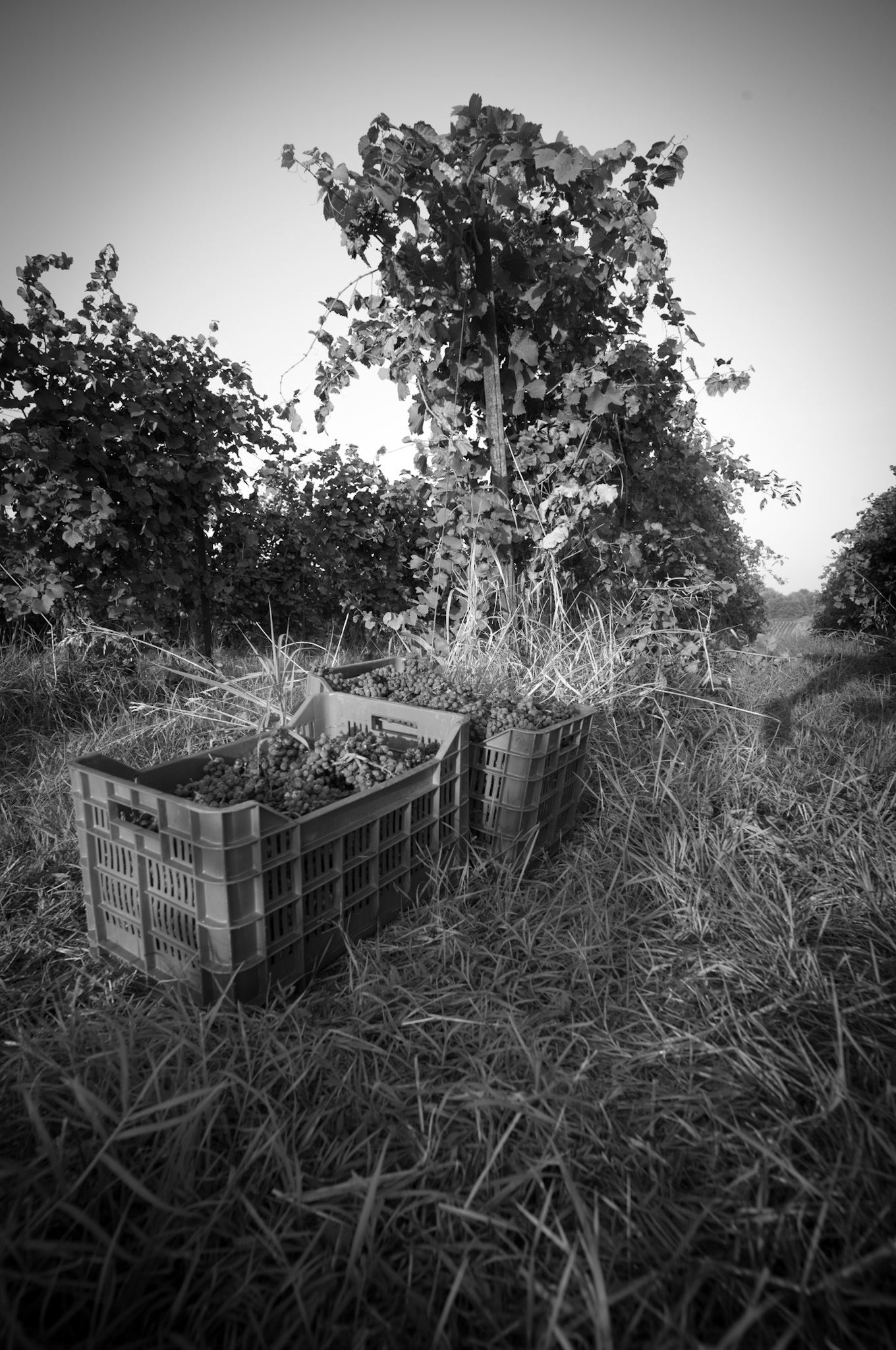
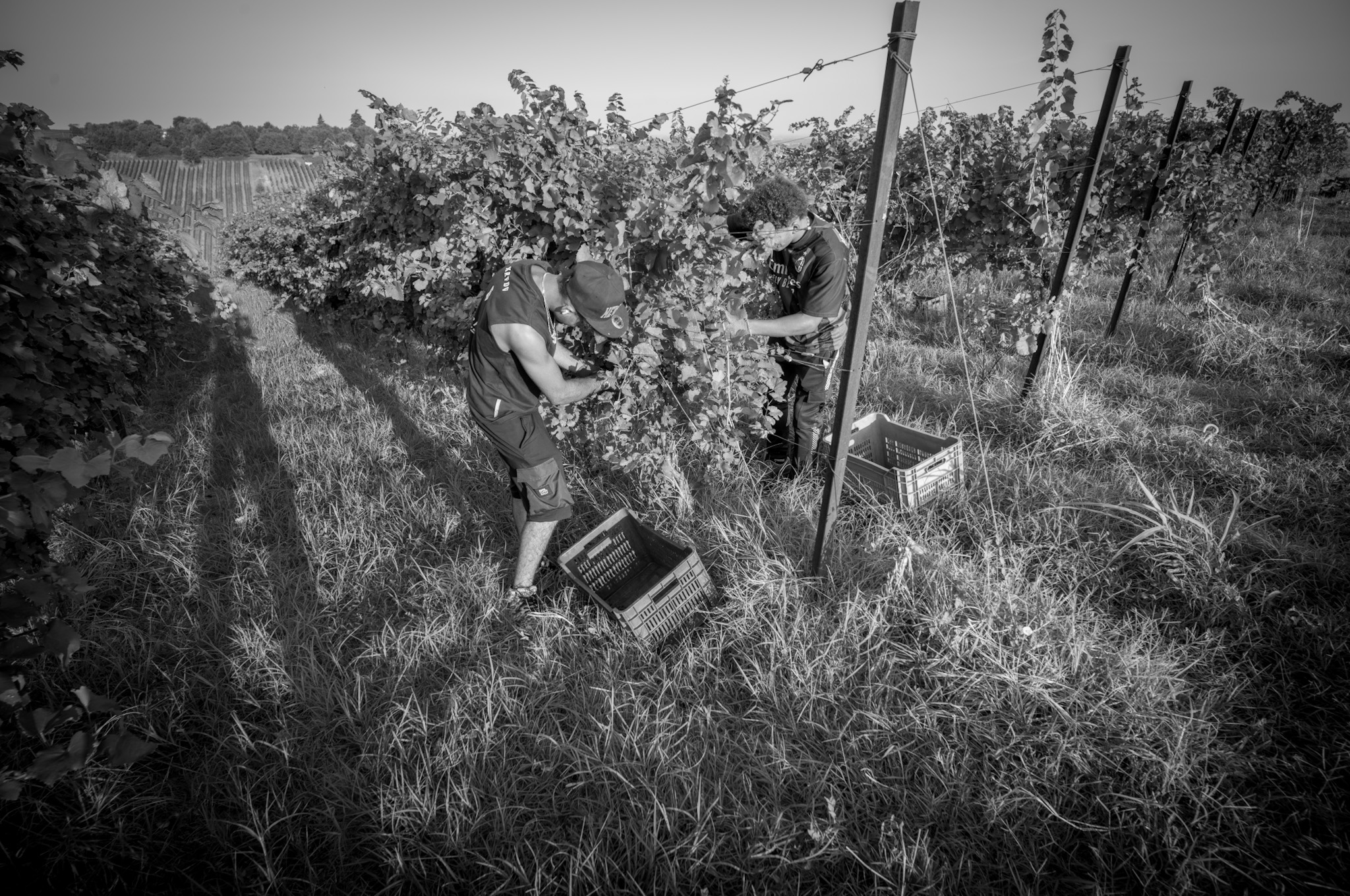
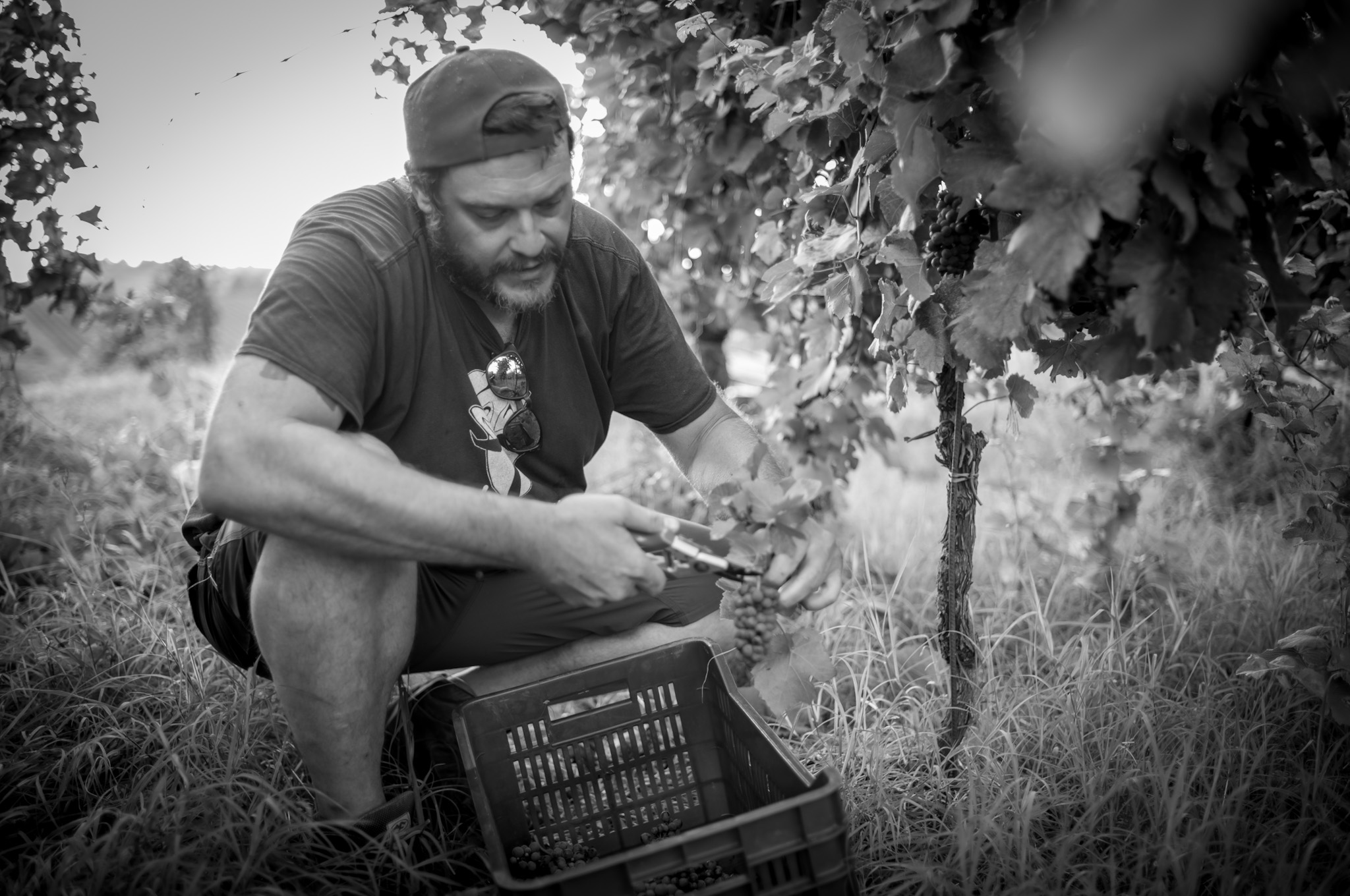
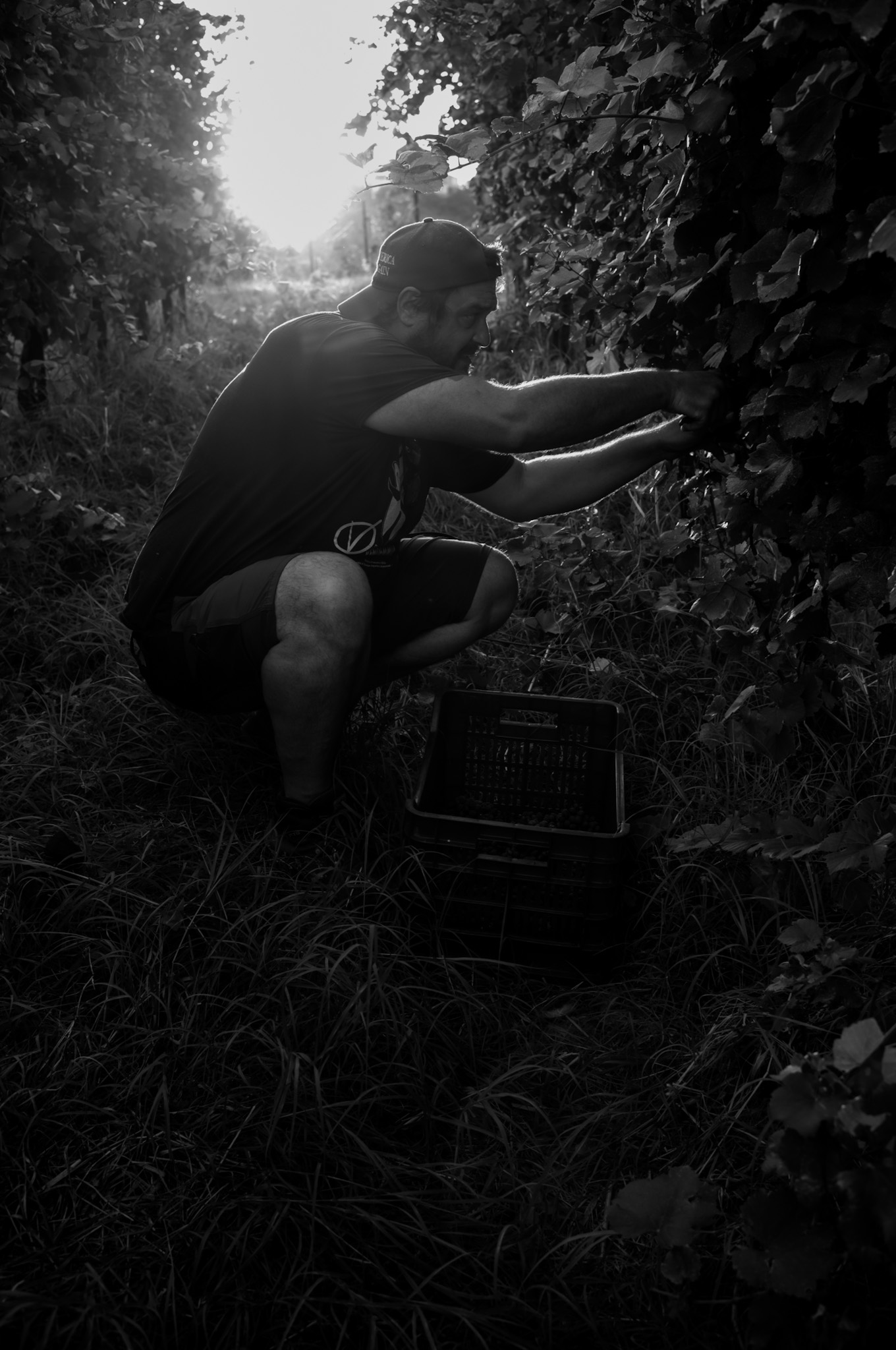
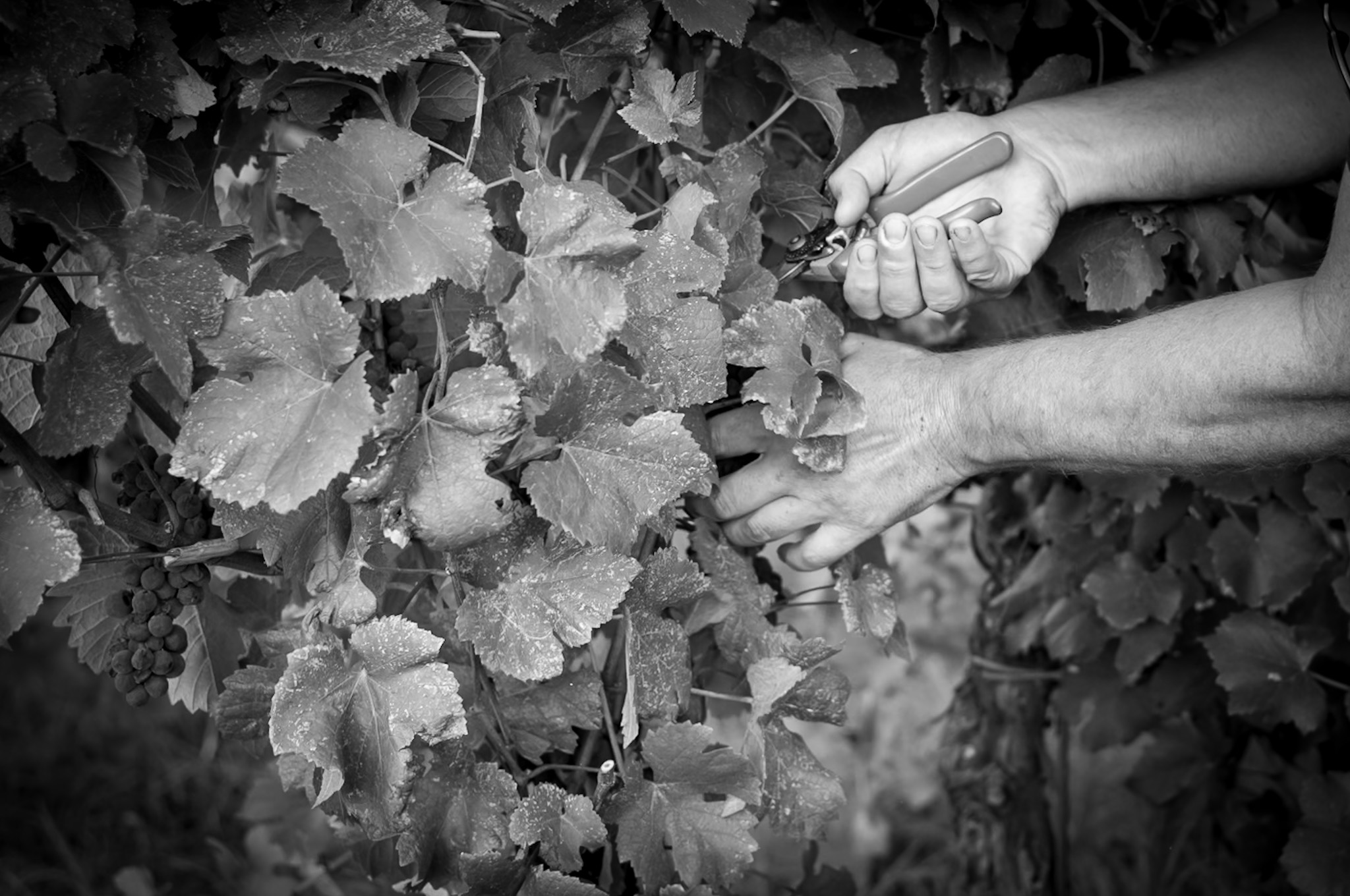
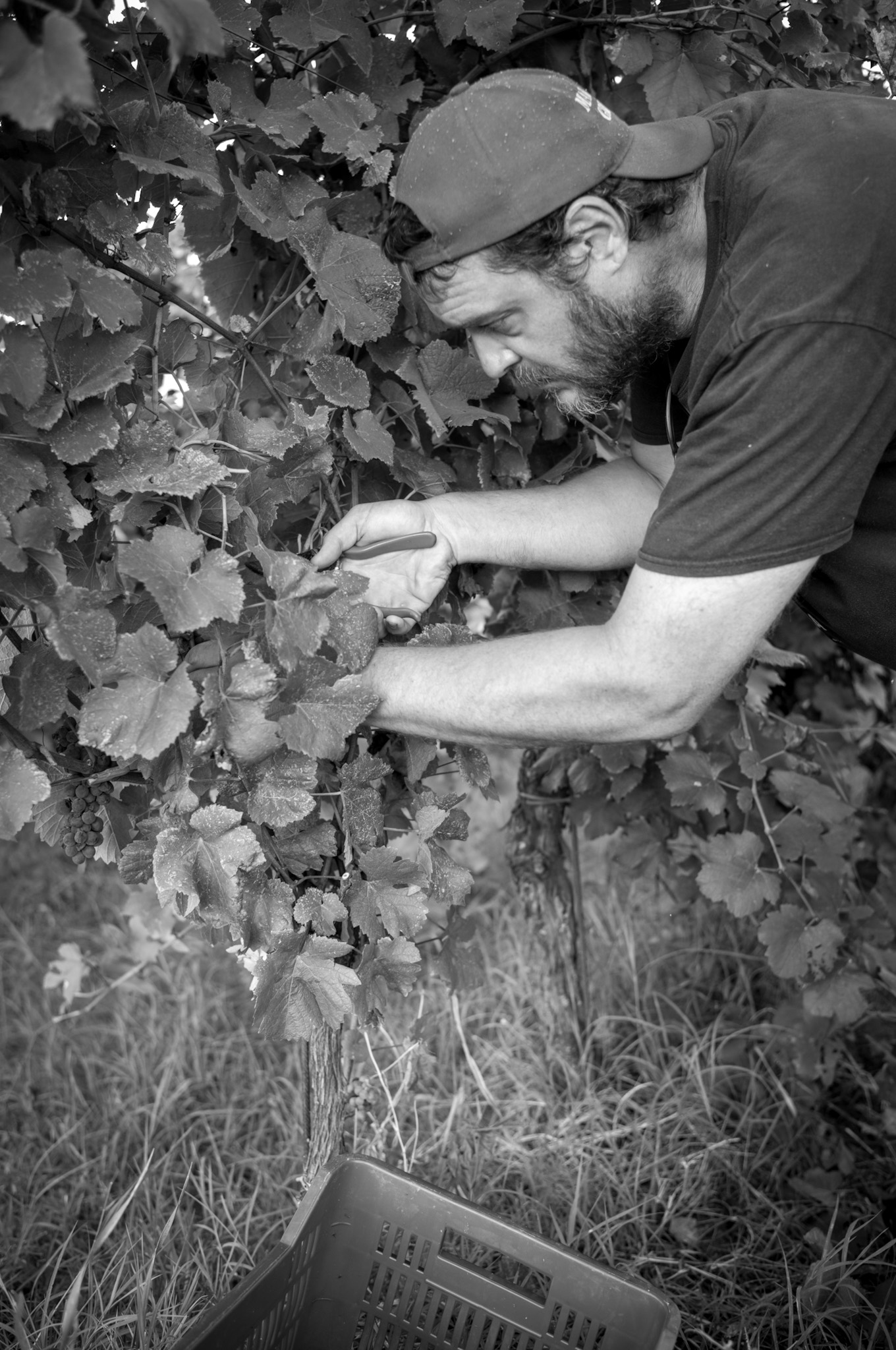
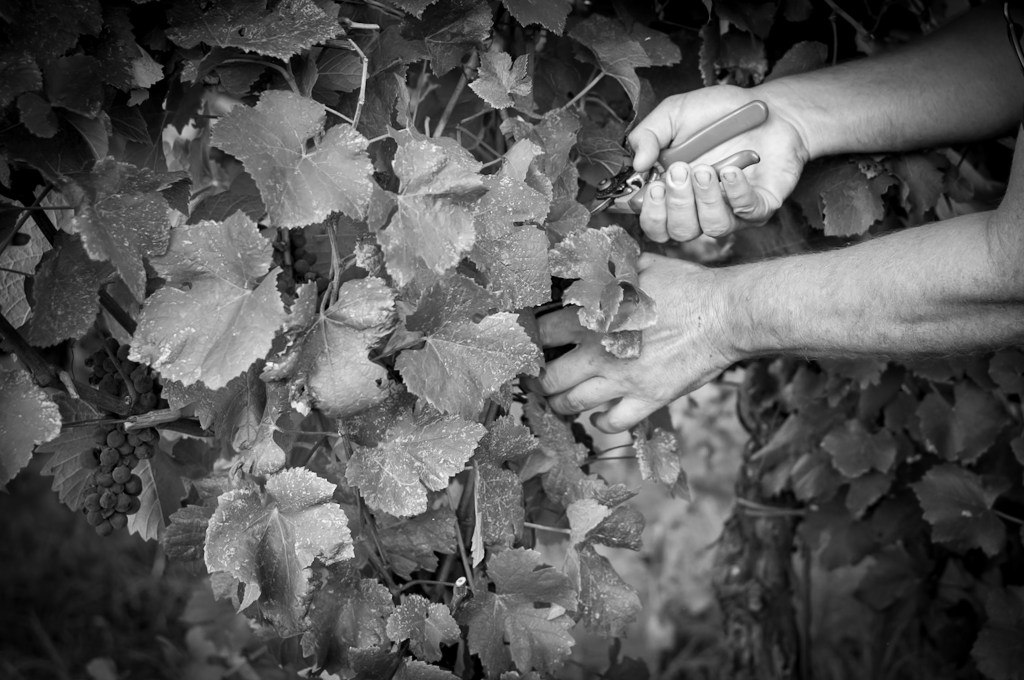
This early morning I was given the privilege to follow (with my Leica Monochrom) the harvesting of the grapes that will become Terrazze Alte wine, produced by Tenuta Mazzolino.

 the-quiet-report.com
Leave a comment