 The period of the Khmer Rouge in Cambodia is one of the darkest chapters in the country’s history. From 1975 to 1979, the Khmer Rouge regime, led by Pol Pot, orchestrated a brutal campaign of social engineering that resulted in the deaths of an estimated 1.7 to 2 million people. This period left deep scars on the nation and significantly impacted its cultural and social fabric.
The Khmer Rouge emerged from the Cambodian communist movement, influenced by Marxist-Leninist ideology and Maoist principles. Following years of civil war and political instability, the Khmer Rouge seized power on April 17, 1975, overthrowing the government of the Khmer Republic. The regime immediately began implementing radical policies aimed at transforming Cambodia into a classless agrarian society.
Under the Khmer Rouge, Cambodia was renamed Democratic Kampuchea. The regime sought to eliminate all perceived enemies of their revolution, including intellectuals, professionals, religious figures, and ethnic minorities. Cities were evacuated, and the entire population was forced into rural labor camps to work in agriculture under inhumane conditions. Money, private property, and traditional institutions were abolished, and the killing fields came as a brutal reality.
The term “Killing Fields” refers to the sites where mass executions and burials took place across Cambodia. The regime’s policy of systematic extermination targeted anyone suspected of being an enemy, including former government officials, educated individuals, and even those with foreign connections or affiliations. The Tuol Sleng Genocide Museum in Phnom Penh, formerly a high school turned into Security Prison 21 (S-21), is one of the most notorious sites where detainees were tortured before being sent to the Killing Fields of Choeung Ek for execution.
The Khmer Rouge’s brutal policies led to widespread famine, disease, and mass death. Families were torn apart, and entire communities were decimated. The regime’s attempt to wipe out Cambodian culture and heritage included the destruction of religious sites and artifacts. Monks were defrocked, and religious practices were banned. Intellectual and cultural life was stifled as books, films, and other forms of expression were destroyed or suppressed.
The Khmer Rouge’s reign of terror came to an end when Vietnamese forces invaded Cambodia in late 1978, capturing Phnom Penh in January 1979. The regime collapsed, and Pol Pot and his followers retreated to remote areas near the Thai border. The Vietnamese-installed People’s Republic of Kampuchea struggled to rebuild the country amidst ongoing conflict and international isolation.
The legacy of the Khmer Rouge period continues to affect Cambodia deeply. The loss of life and trauma experienced by survivors have left lasting scars. Efforts to bring justice to the victims and hold perpetrators accountable have been ongoing. The Extraordinary Chambers in the Courts of Cambodia (ECCC), also known as the Khmer Rouge Tribunal, was established in 2006 to prosecute senior leaders of the regime and those most responsible for the atrocities.
Preserving the memory of the Khmer Rouge period is crucial for Cambodia’s healing process. Sites like the Tuol Sleng Genocide Museum and the Killing Fields of Choeung Ek serve as poignant reminders of the atrocities committed and the resilience of the Cambodian people. Education about this dark chapter in history is vital to ensure that such atrocities are never repeated.
Since the fall of the Khmer Rouge, Cambodia has made significant strides in rebuilding and recovering from its past. The country has experienced economic growth and development, although challenges remain. Efforts to revive and preserve Cambodian culture, traditions, and heritage are ongoing. The resilience and determination of the Cambodian people are evident in their commitment to moving forward while honoring the memory of those lost during the Khmer Rouge era.
Khmer Rouge period and the Killing Fields represent a time of immense suffering and tragedy for Cambodia. Understanding this history is essential for appreciating the resilience of the Cambodian people and the importance of ongoing efforts to achieve justice, reconciliation, and cultural preservation.
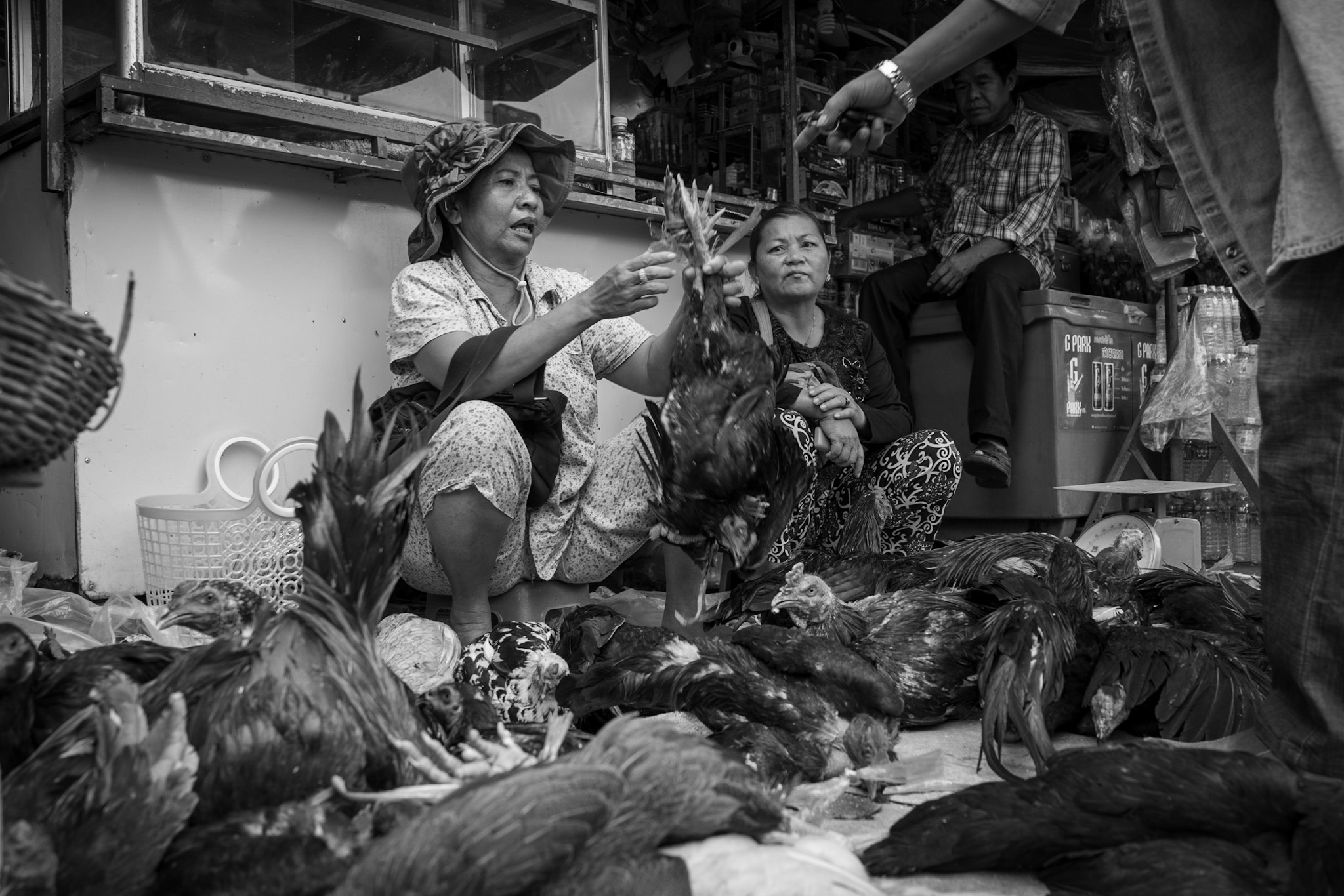
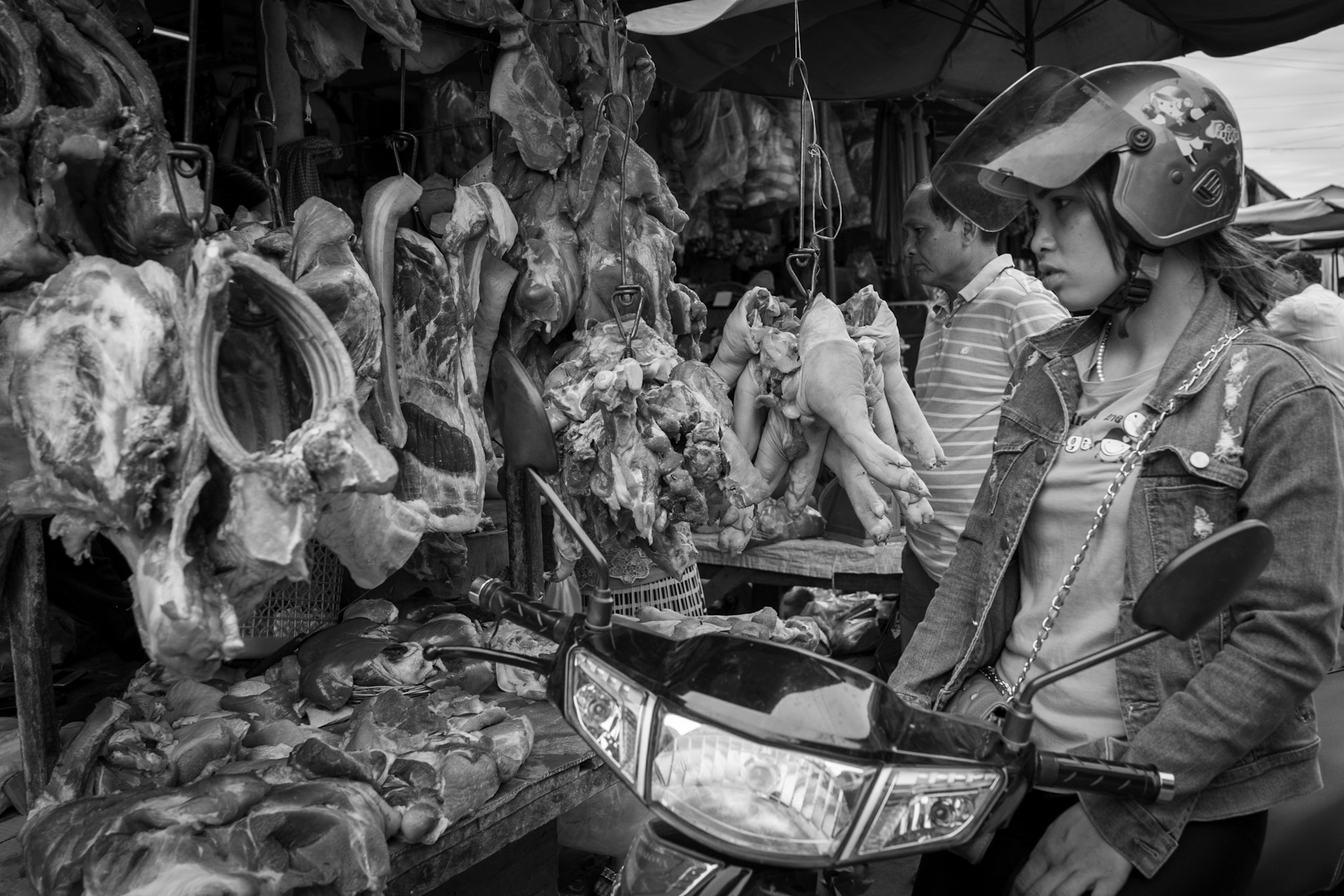
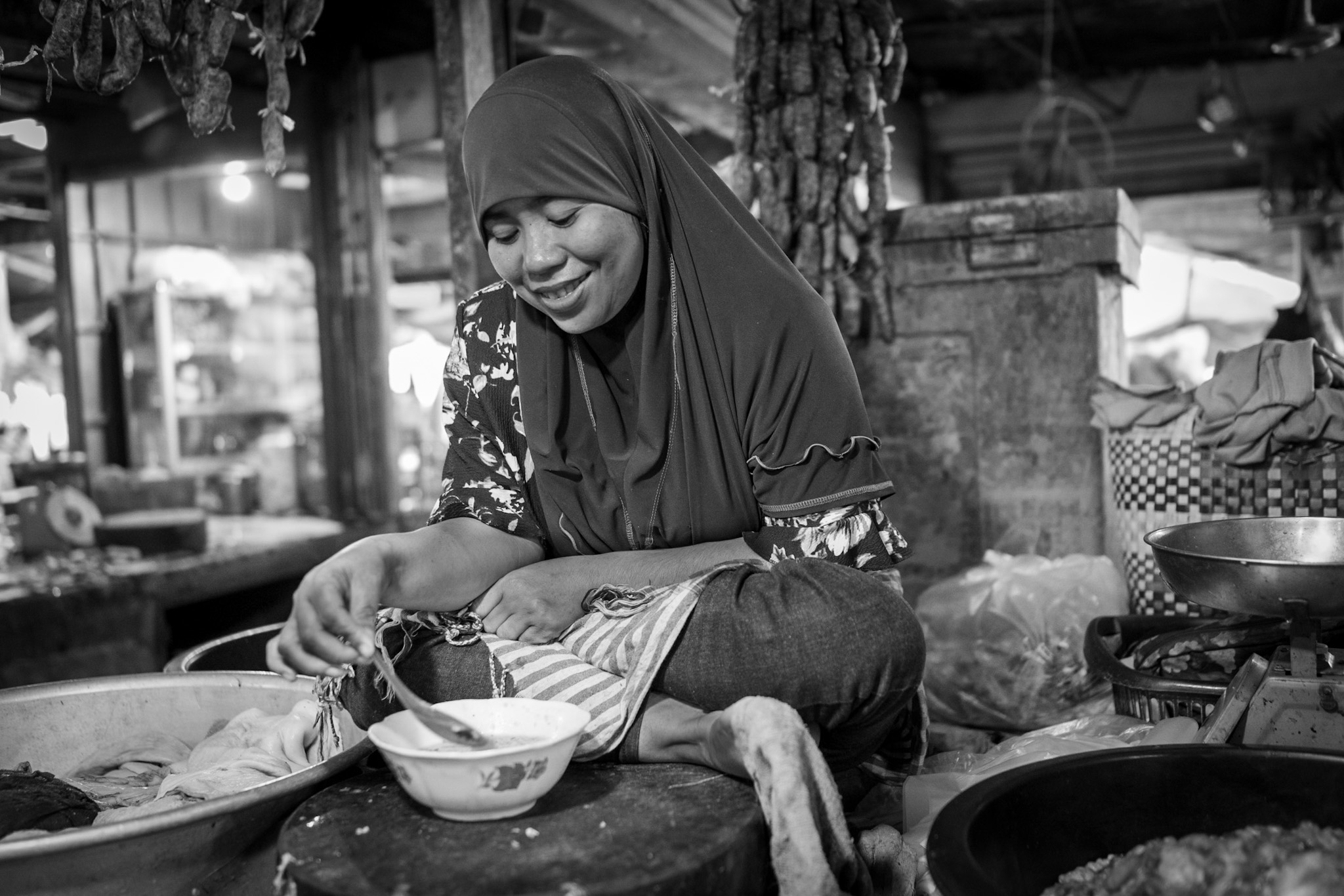
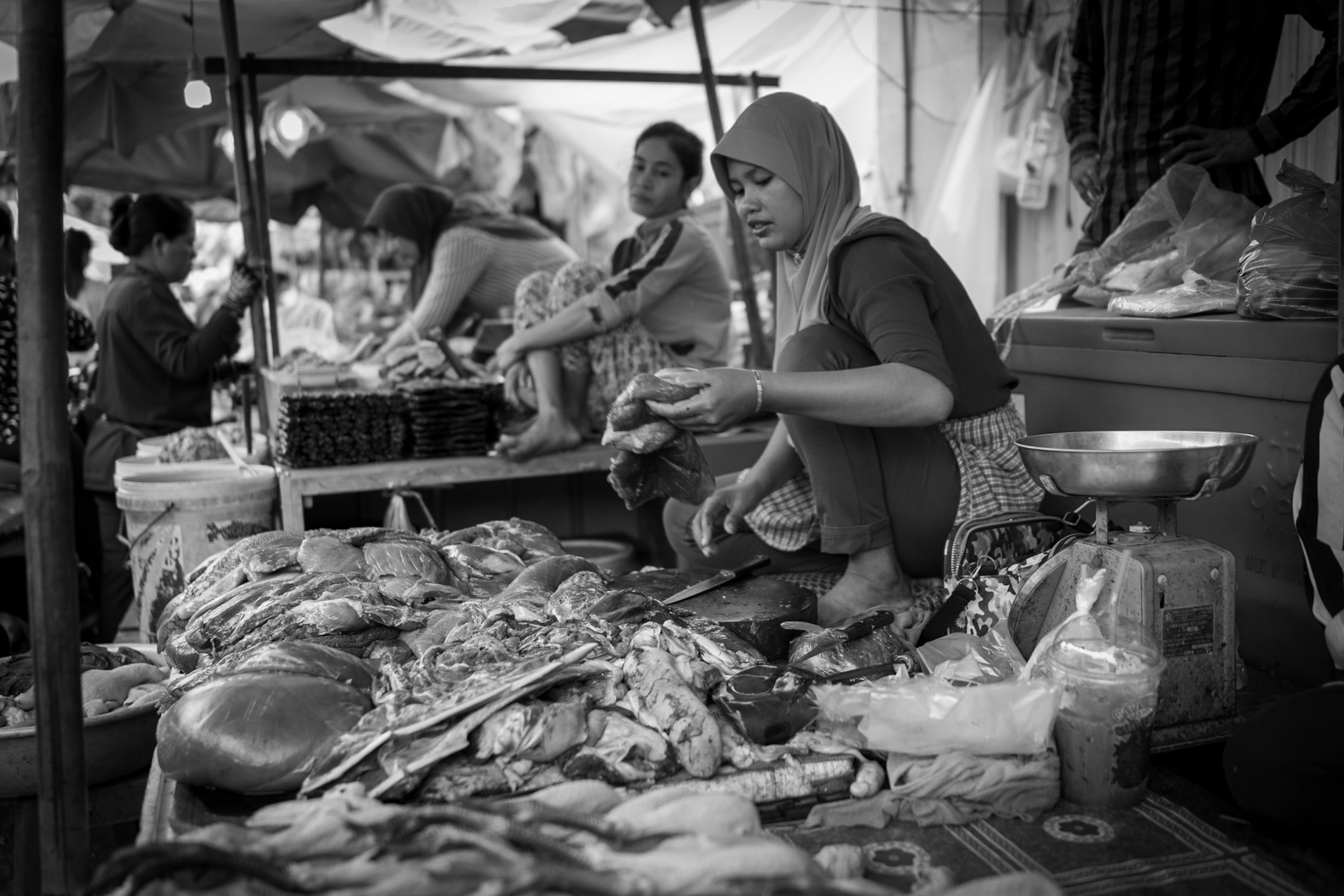
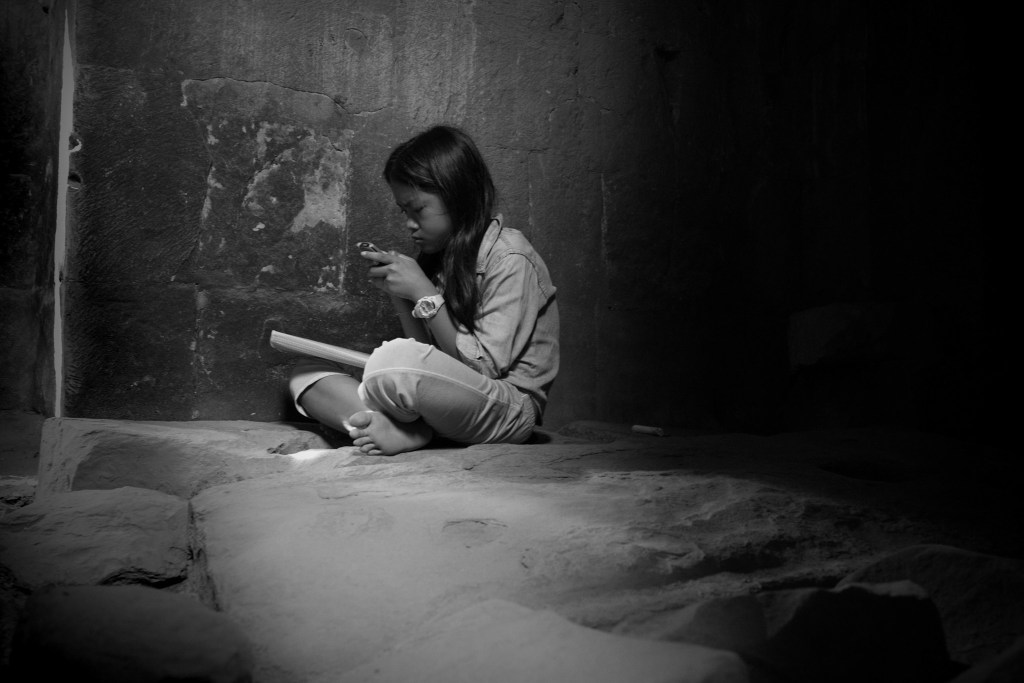
Photos from a backpacking tour in Cambodia.
 the-quiet-report.com
Leave a comment