 Time to get back to the Panjiayuan Market with my Leica, after I have been there ages ago!
Also known as the Panjiayuan Antique Market, is a sprawling bazaar located in the Chaoyang District of Beijing, China. This market, often referred to as the “Dirt Market” or the “Ghost Market,” is renowned for its extensive array of antiques, arts, crafts, and collectibles. Spanning over 48,500 square meters, Panjiayuan is one of the largest and most popular antique markets in China, attracting both local and international visitors.
The history of Panjiayuan Market dates back to the 1990s when it started as a small, informal gathering of vendors selling antiques and secondhand goods. Over time, it grew into a more organized and official market, gaining a reputation for its wide variety of goods and vibrant atmosphere. Today, it houses over 3,000 stalls and shops, offering an eclectic mix of items that reflect the rich cultural heritage and history of China.
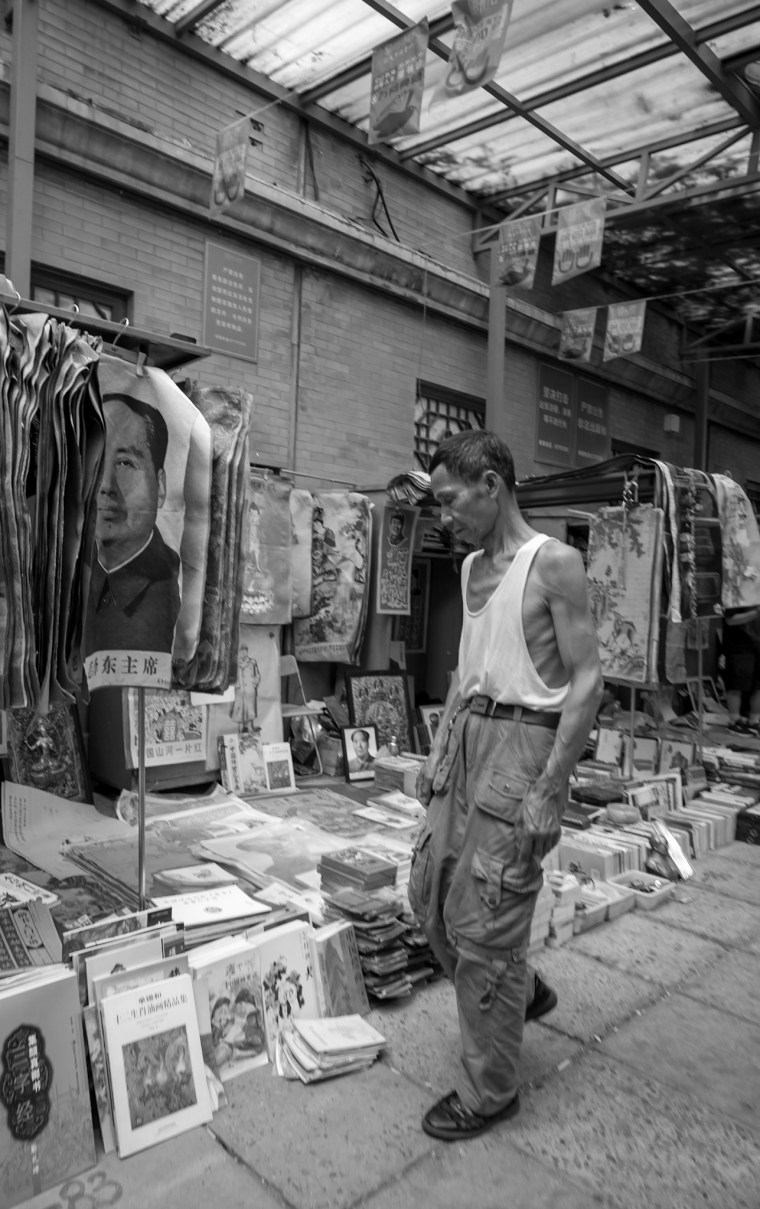
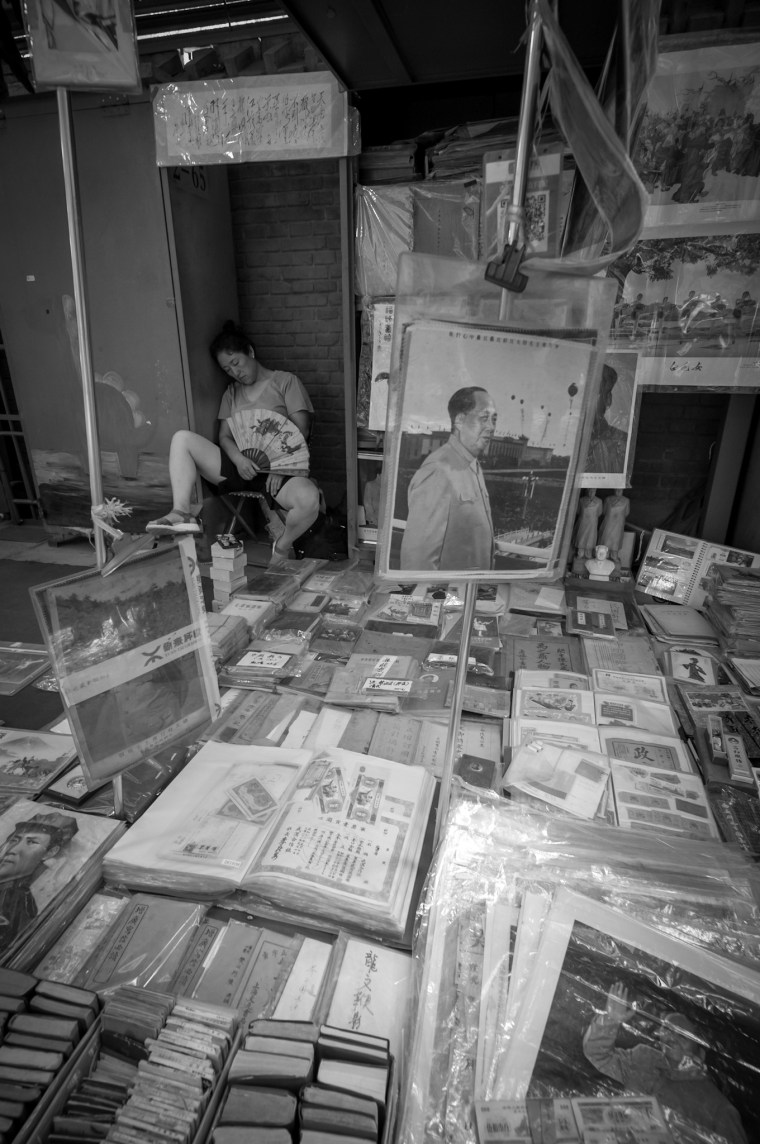
Panjiayuan is divided into several sections, each catering to different types of goods. The main sections include the Antique Zone, the Arts and Crafts Zone, the Classical Furniture Zone, and the Stone Carvings Zone. Each section has its unique charm and attracts a specific type of shopper.
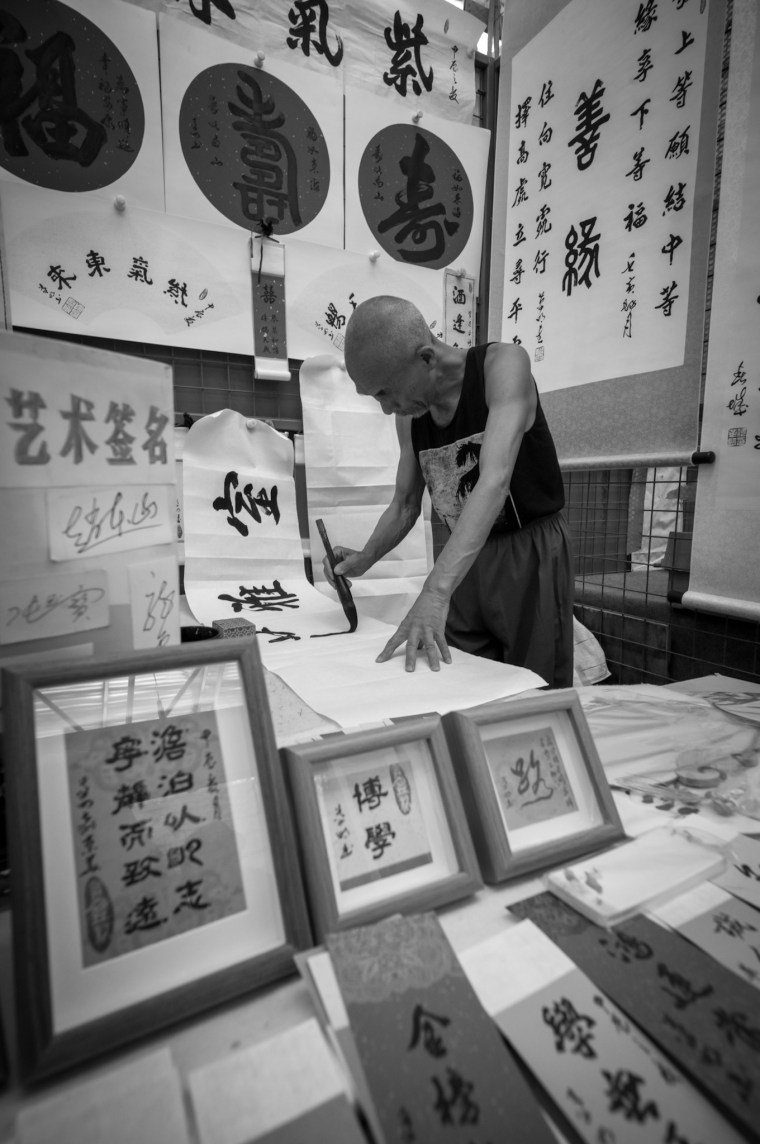
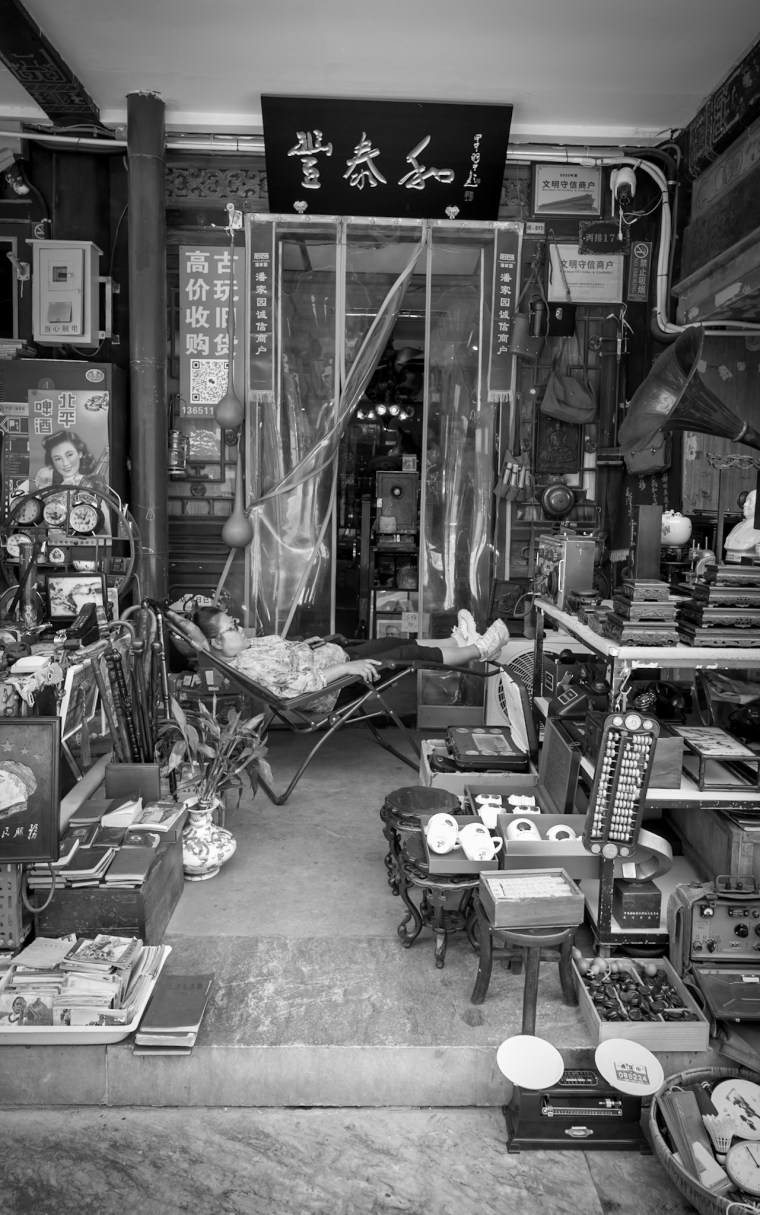
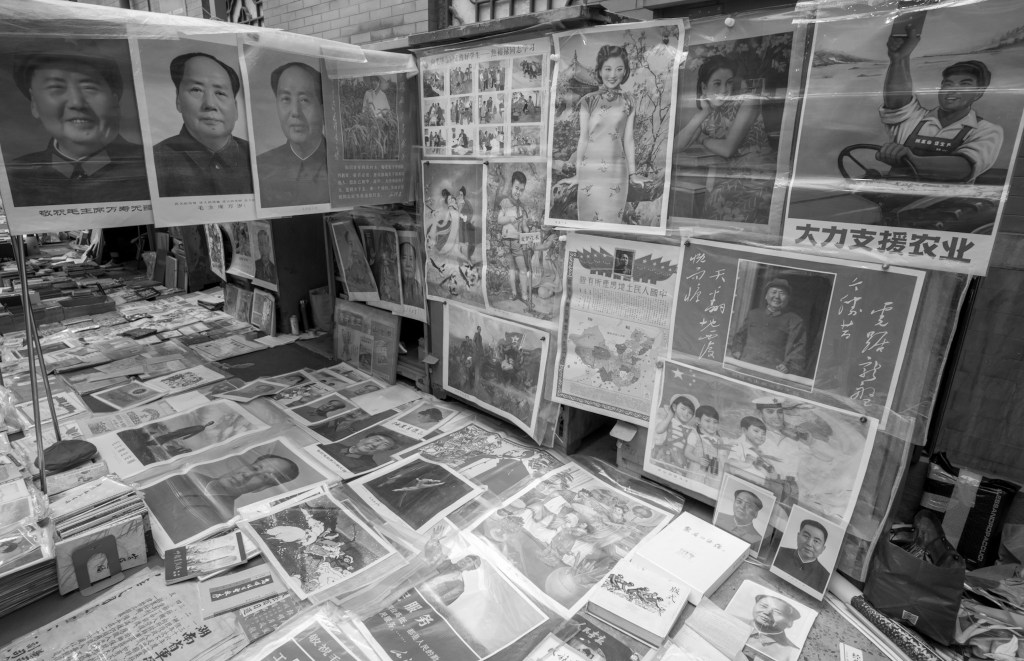
The Antique Zone is perhaps the most famous part of Panjiayuan. Here, visitors can find an astonishing range of items, from ancient coins, pottery, and jade carvings to calligraphy, paintings, and cultural relics. Many of the items sold here are authentic antiques, though buyers are advised to exercise caution and thoroughly inspect the goods, as there are also reproductions and fakes.
The Arts and Crafts Zone is a treasure trove for art enthusiasts and collectors. This area features a diverse selection of traditional Chinese crafts, including hand-painted ceramics, silk embroideries, Tibetan artifacts, and paper-cut artworks. The craftsmanship and artistry displayed in this section are remarkable, offering a glimpse into the rich traditions of Chinese folk art.
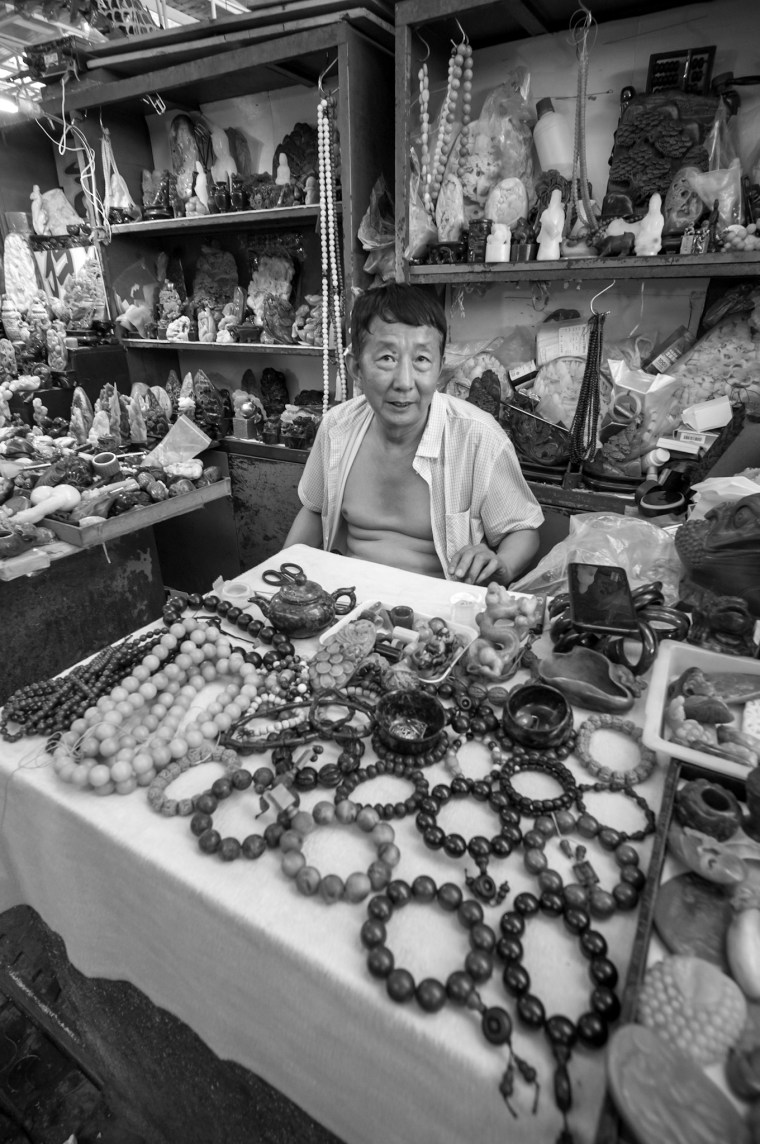
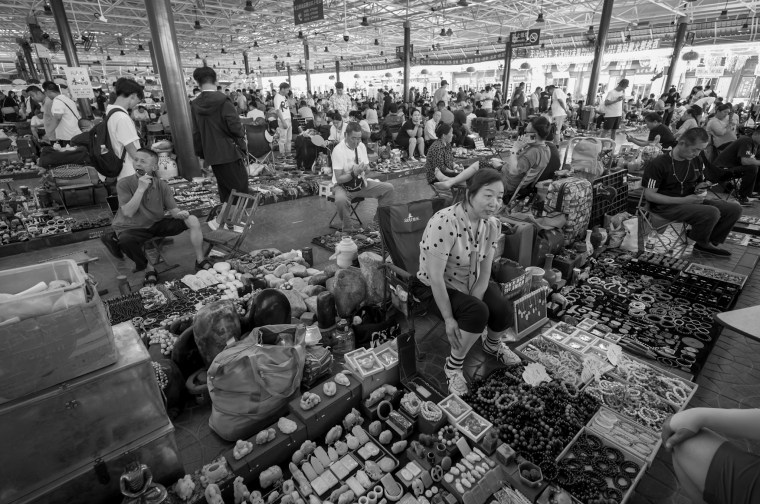
The Classical Furniture Zone is another highlight of Panjiayuan Market. This section specializes in traditional Chinese furniture, featuring intricate woodwork and designs that harken back to the Ming and Qing dynasties. Shoppers can find beautifully crafted tables, chairs, cabinets, and screens made from various types of wood, such as rosewood and ebony.
In the Stone Carvings Zone, visitors can admire and purchase a variety of stone sculptures and carvings. These include Buddha statues, mythical creatures, and intricate stone seals. The skill and precision involved in creating these pieces are evident, making this area a favorite among collectors and art lovers.
One of the unique aspects of Panjiayuan Market is its atmosphere. The market is bustling with activity, especially on weekends when it is at its busiest. Vendors haggle with customers, showcasing their wares with pride and enthusiasm. The market’s open-air layout adds to its charm, creating a lively and dynamic environment where visitors can immerse themselves in the vibrant local culture.
Despite its popularity, Panjiayuan Market retains an authentic and somewhat chaotic charm. It is a place where one can experience the traditional market culture of Beijing, away from the more polished and touristy areas of the city. The market also serves as a cultural hub, attracting artists, collectors, and antique enthusiasts from all over China (and very few foreigners).
 the-quiet-report.com
Leave a comment