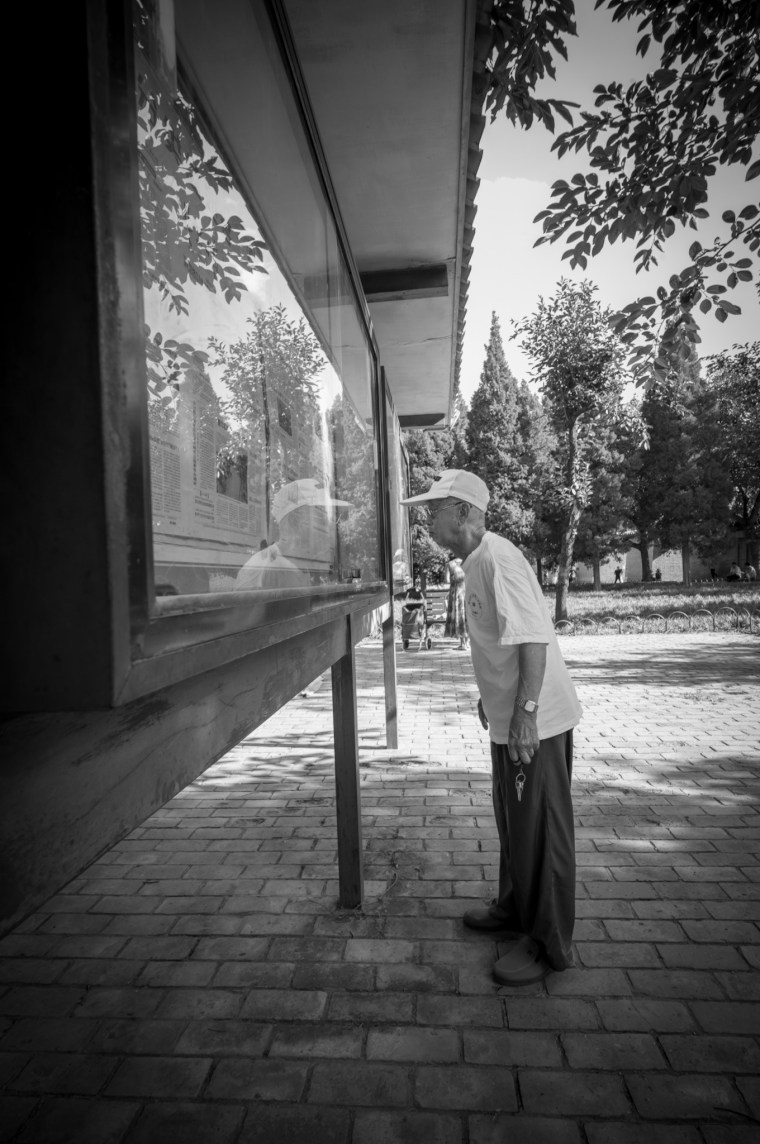
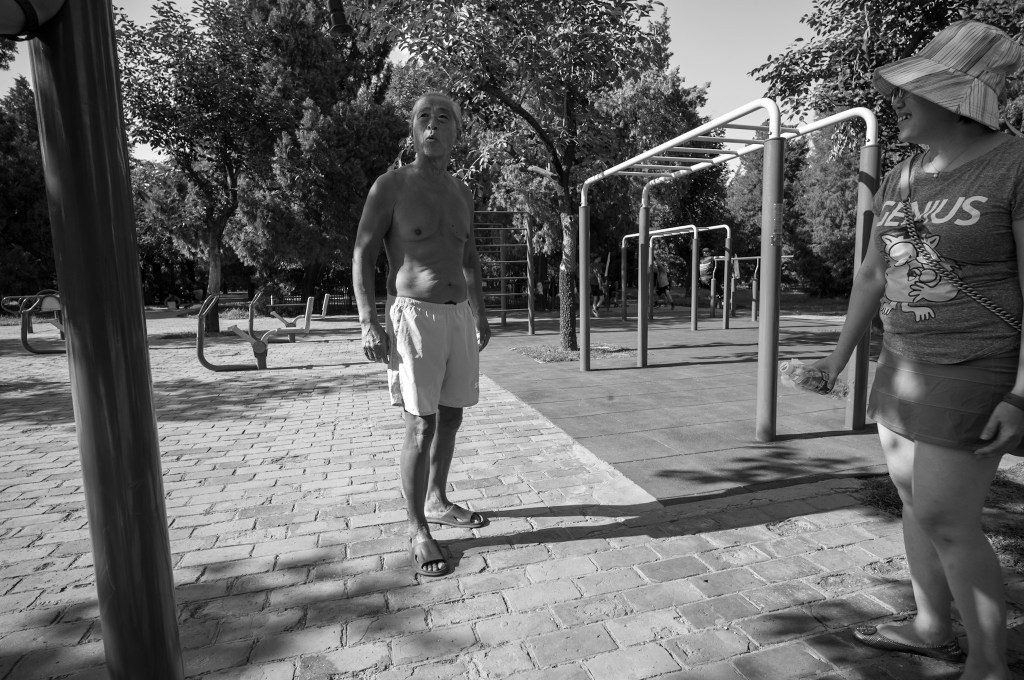
While I was walking in the park around Temple of Heaven, I have noticed an area with several elders were taking exercises. One of them approached us, asking where I was from, and once he heard “Italy” he started singing a Puccini’s opera, Nessun Dorma, with an amazing strong voice.
In China, the elderly population plays a significant role in the social fabric, and their well-being is of paramount importance. Exercise is a crucial aspect of maintaining their health and vitality, and China has a rich tradition of incorporating physical activity into daily life for seniors. From ancient practices like Tai Chi to modern fitness programs, the elderly in China have a variety of options to stay active and healthy.
Tai Chi and Qigong are perhaps the most iconic forms of exercise among the elderly in China. These ancient martial arts and wellness practices emphasize slow, deliberate movements, deep breathing, and meditation, making them ideal for seniors. Tai Chi, with its flowing sequences and balance-focused exercises, helps improve flexibility, strength, and mental clarity. Qigong, similarly, combines physical postures, breathing techniques, and focused intention to enhance overall health. Both practices are often performed in public parks, creating a communal and supportive environment for participants.
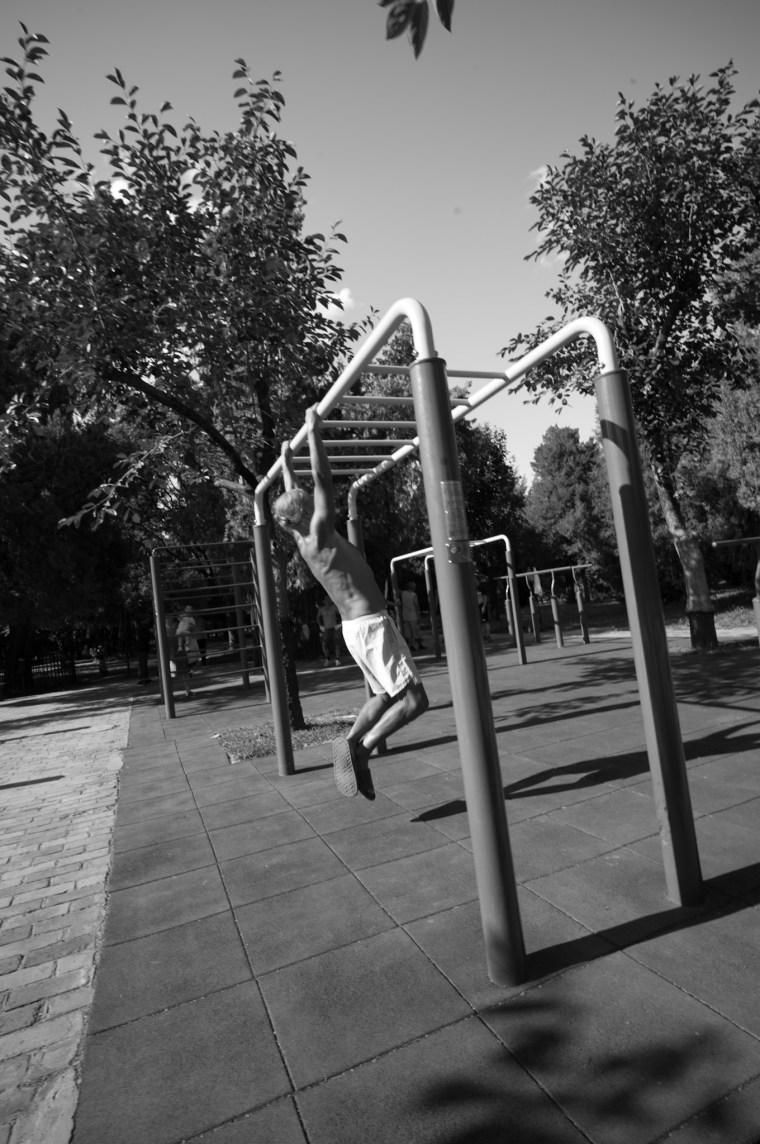
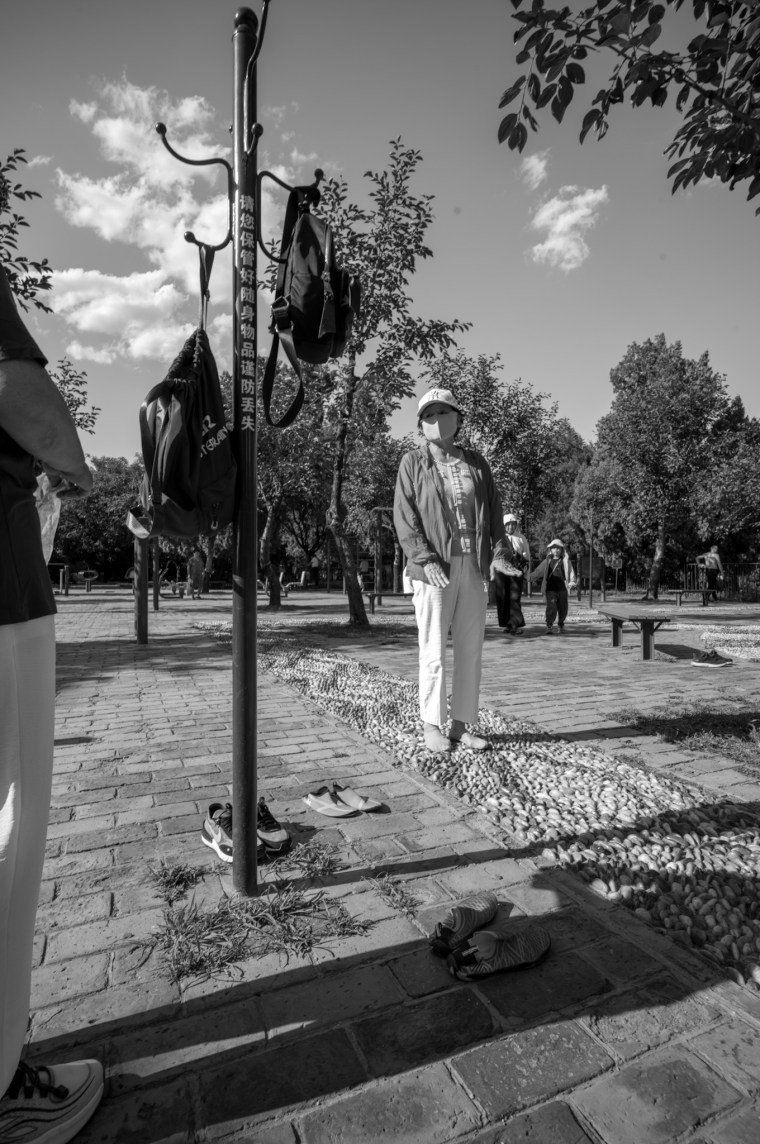
Square dancing, or “guangchangwu,” has become a popular form of exercise for the elderly in urban China. Groups of seniors gather in public squares, parks, and even shopping malls to perform synchronized dance routines to lively music. This social activity not only promotes physical health through aerobic exercise but also provides a sense of community and belonging. Square dancing has grown so popular that it has sometimes led to conflicts over public space usage, but its benefits for seniors are widely recognized.
Morning exercises, known as “chen lian,” are a daily routine for many elderly Chinese. These exercises are often conducted in groups in public parks and involve a variety of activities, including stretching, calisthenics, and walking. The practice of morning exercises is deeply ingrained in Chinese culture and emphasizes the importance of starting the day with physical activity. It helps improve cardiovascular health, flexibility, and mental alertness.
Walking is one of the simplest and most effective forms of exercise for the elderly, and it is widely practiced in China. Many seniors take daily walks in their neighborhoods or parks, often in groups, to stay active and socialize. In addition to urban walking, hiking has also gained popularity among the elderly, especially in scenic areas and nature reserves. Walking and hiking not only provide cardiovascular benefits but also enhance mental well-being through exposure to nature and social interaction.
In recent years, community fitness programs specifically designed for the elderly have proliferated in China. Local governments and community organizations often organize fitness classes that cater to the needs of older adults. These programs include a variety of activities such as yoga, aerobics, and strength training, all tailored to accommodate different fitness levels and physical abilities. These programs are typically low-cost or free, ensuring accessibility for all seniors.
The importance of exercise for the elderly is supported by both cultural values and government policies in China. Respect for elders and the emphasis on family and community well-being are deeply rooted in Chinese culture, encouraging seniors to stay active. Additionally, the Chinese government has implemented various initiatives to promote healthy aging, including public health campaigns, the construction of senior-friendly exercise facilities, and subsidies for community fitness programs.
 the-quiet-report.com
Leave a comment