 The birth of the People’s Republic of China (PRC) was officially announced on October 1, 1949, marking a pivotal moment in the history of China and the world. This event signified the culmination of decades of political struggle, social upheaval, and revolutionary warfare, reshaping the Chinese state and its role on the global stage.
The announcement was made by Mao Zedong, the leader of the Chinese Communist Party (CCP), from the rostrum of Tiananmen Gate in Beijing. This moment was the result of the CCP’s victory over the Nationalist forces of the Kuomintang (KMT) in the Chinese Civil War, which had raged intermittently since the late 1920s and escalated after the end of World War II in 1945. The conflict saw the CCP gradually gaining control over vast swathes of the Chinese countryside, culminating in their capture of key cities and ultimately Beijing.
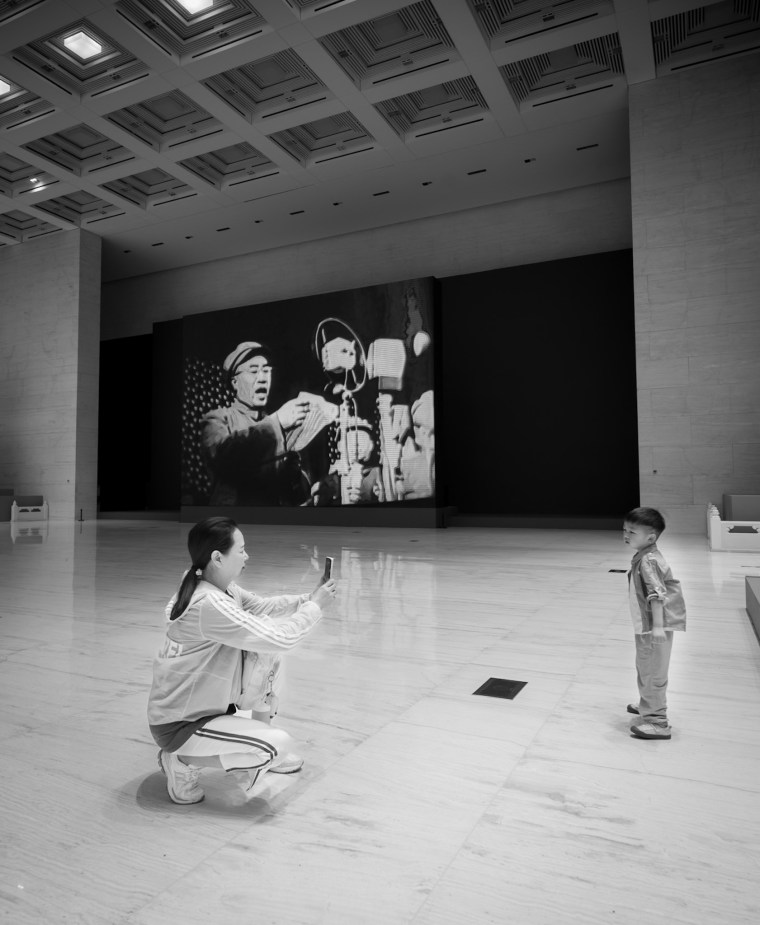
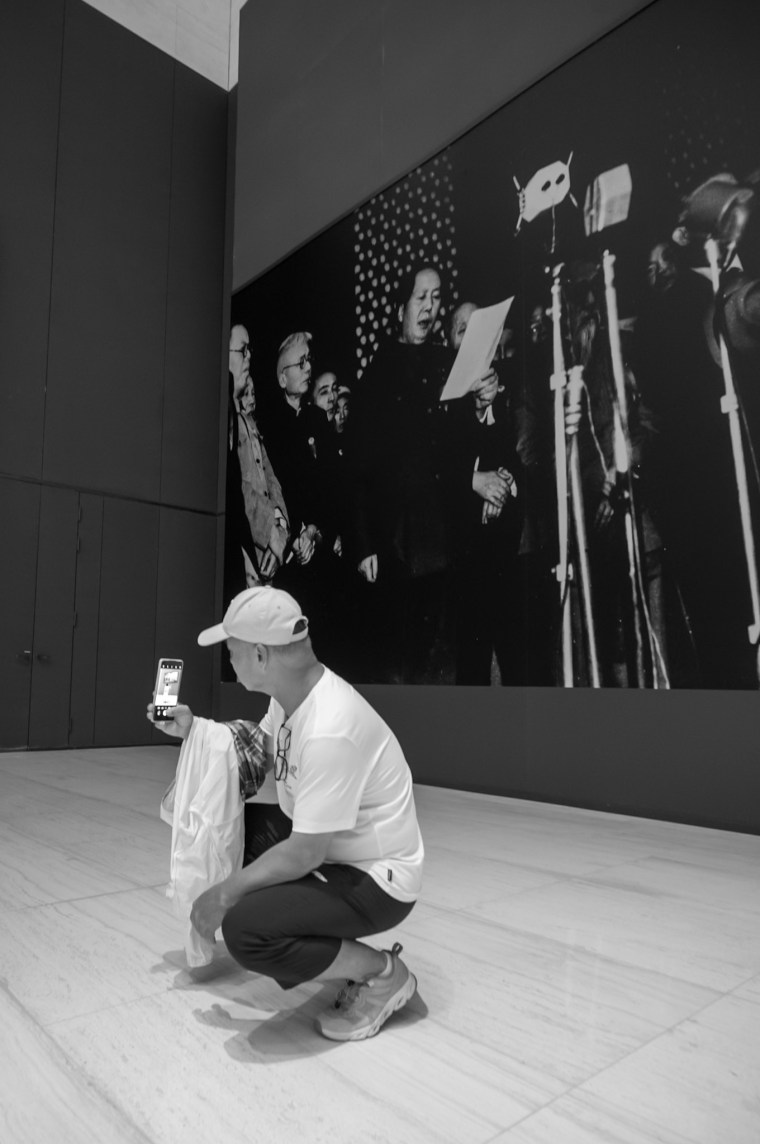
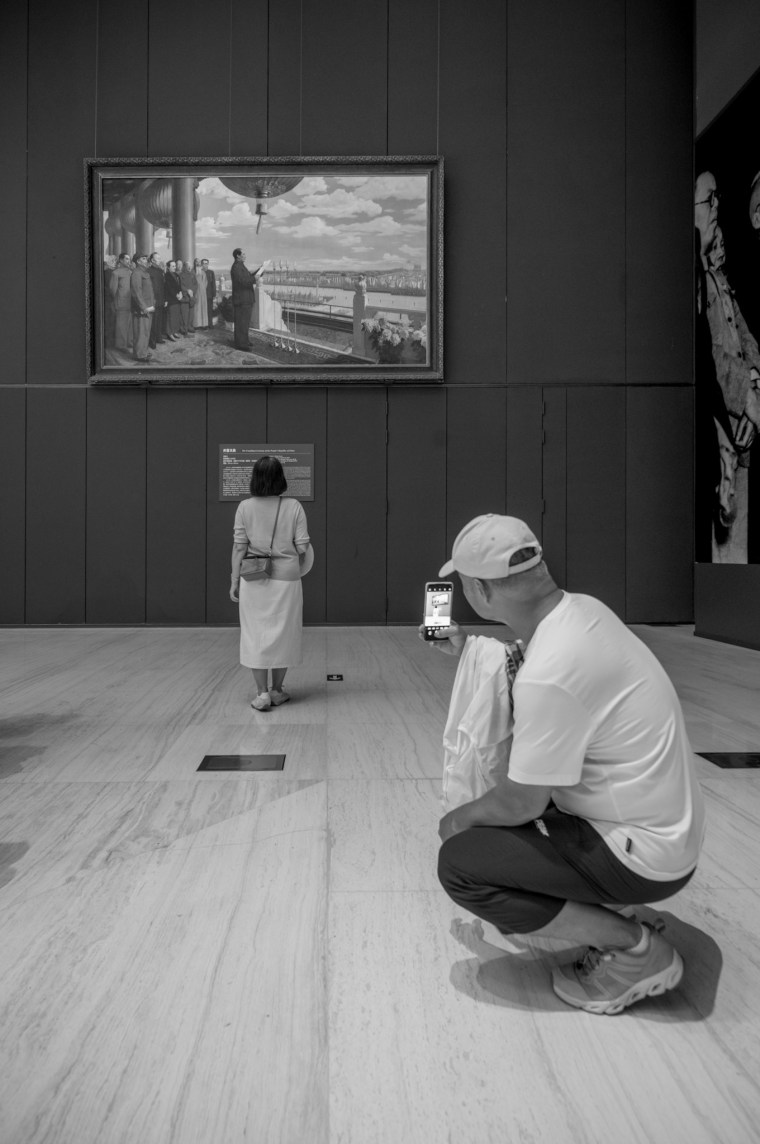
The proclamation of the PRC on that autumn day was attended by hundreds of thousands of people, who gathered in Tiananmen Square to witness the historic event. Mao Zedong declared, “The Chinese people have stood up!” This statement resonated deeply, encapsulating the sentiment of liberation from imperialism, feudalism, and the oppression of warlords and corrupt regimes that had plagued China for much of the first half of the 20th century.
This announcement represented not only a new political era but also the beginning of profound social and economic transformations. The CCP, under Mao’s leadership, sought to dismantle the old order characterized by landlordism, foreign domination, and capitalist exploitation. The early years of the PRC saw land reforms aimed at redistributing land from wealthy landlords to poor peasants, efforts to eradicate illiteracy, and campaigns to improve public health.
Internationally, the birth of the PRC significantly altered geopolitical dynamics. In the context of the Cold War, the establishment of a communist government in China was a major victory for the Soviet Union and a setback for the United States and its allies. Initially, the PRC aligned closely with the Soviet Union, receiving economic and military support, although this alliance would later fracture in the 1960s due to ideological and political differences.
The announcement of the PRC also led to significant changes in China’s foreign relations. The government sought to gain international recognition and establish diplomatic ties with other countries. However, it faced substantial resistance, particularly from Western nations, which continued to recognize the Republic of China (ROC) government in Taiwan as the legitimate government of all China. It wasn’t until 1971 that the PRC gained a seat in the United Nations, replacing the ROC.
Domestically, the announcement marked the beginning of a series of radical campaigns and policies. The Great Leap Forward (1958-1962) aimed to rapidly industrialize the country and collectivize agriculture, although it resulted in economic disaster and widespread famine. The Cultural Revolution (1966-1976), another tumultuous period, sought to reinforce communist ideology by purging remnants of capitalist and traditional elements from Chinese society.
The birth of the PRC was a monumental event that set China on a path of significant change. It laid the foundations for the country’s transformation into a major global power. While the early decades of the PRC were marked by considerable turmoil and hardship, the long-term impact of this announcement is seen in China’s dramatic economic rise and its evolving role on the world stage today.
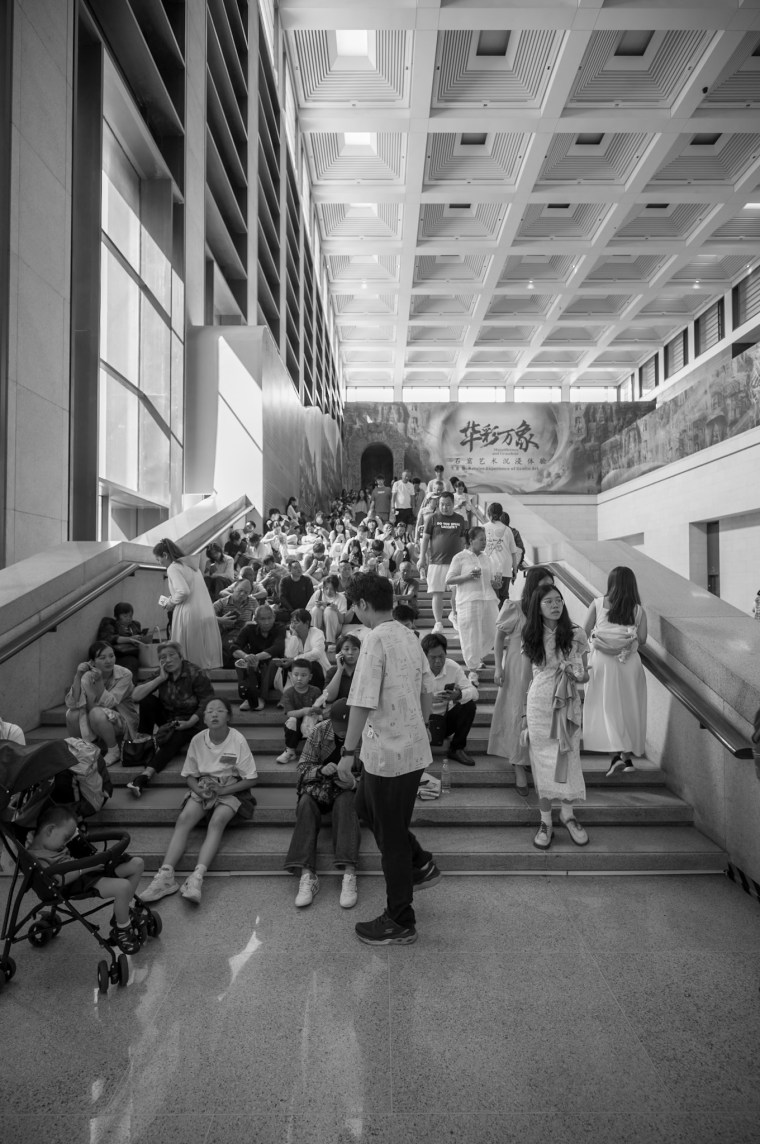
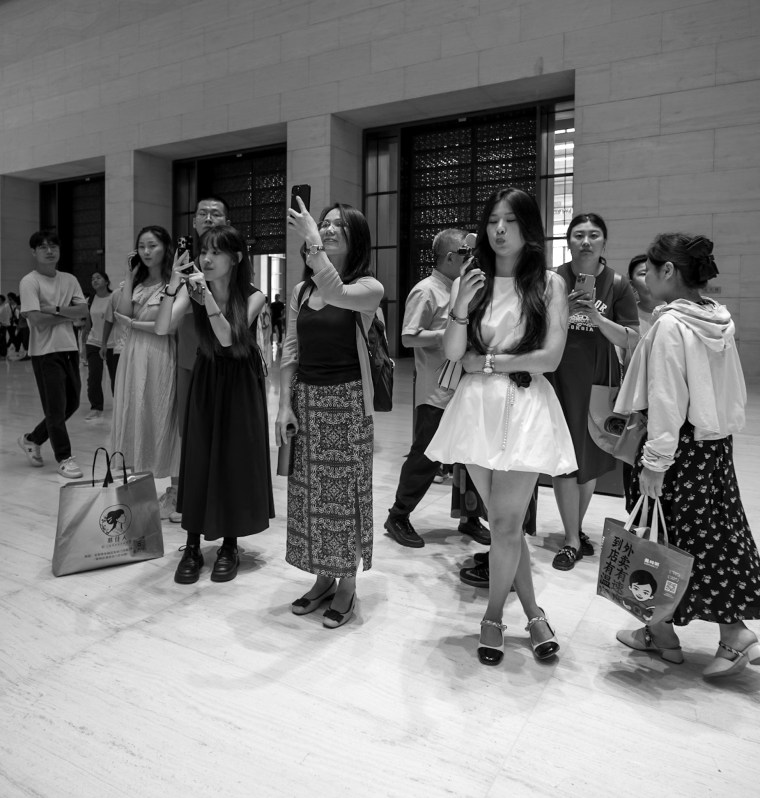
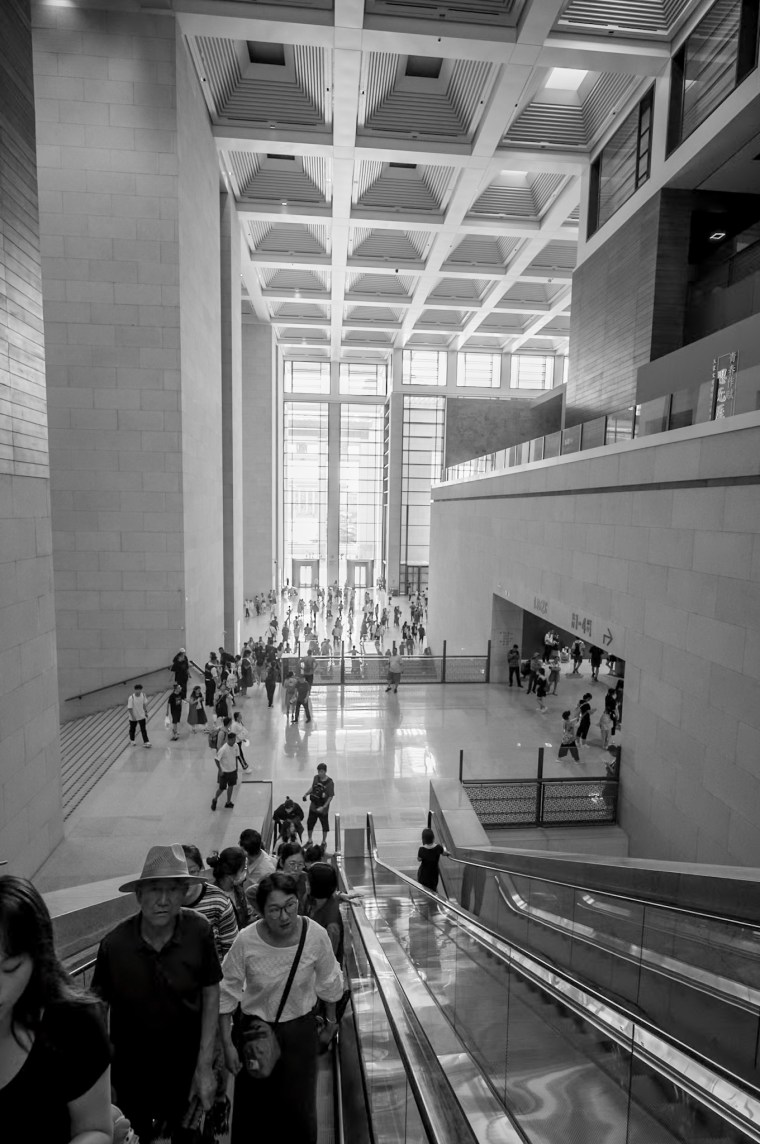
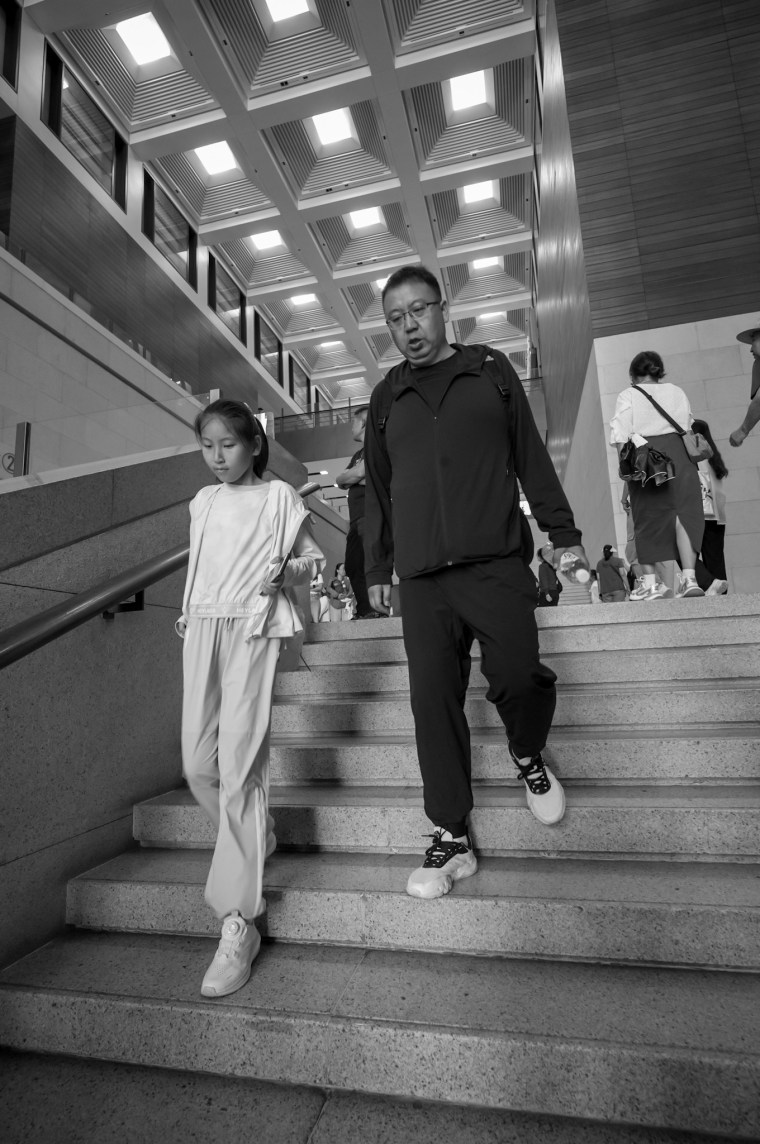
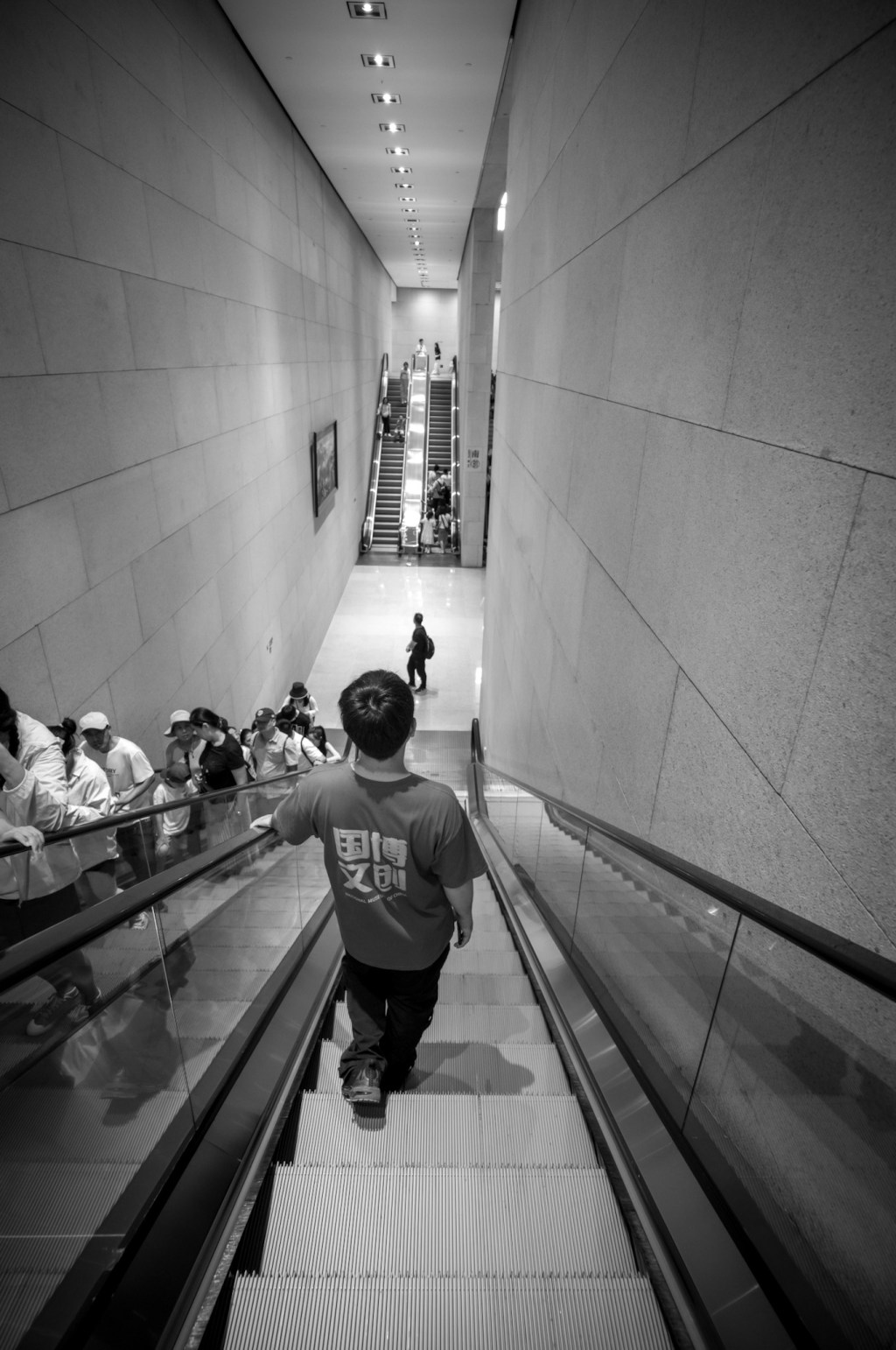
Yesterday I was at the National Museum in Beijing, visiting the exhibition hall dedicated to the Revolution, and, among many other interesting original artworks, the photography of the announcement made by Mao in 1949 was exposed, together with other original films. It was interesting to see the number of people taking selfies, and sharing on socials their presence in front of such historical documents: my Leica M11 Monochrom was there with me ….
 the-quiet-report.com
Leave a comment