 The Long Corridor of the Summer Palace in Beijing is an architectural masterpiece that exemplifies the fusion of natural beauty and human creativity. Stretching for approximately 728 meters (about 2,388 feet), it stands as one of the longest covered corridors in the world, and is a prominent feature of the Summer Palace, which is a UNESCO World Heritage site.
Constructed during the reign of Emperor Qianlong of the Qing Dynasty in 1750, the Long Corridor was originally designed to provide a sheltered walkway for the imperial family. This allowed them to enjoy the scenic beauty of Kunming Lake and Longevity Hill in all weather conditions. The corridor runs parallel to the northern shore of Kunming Lake, offering picturesque views of the water and the surrounding gardens.
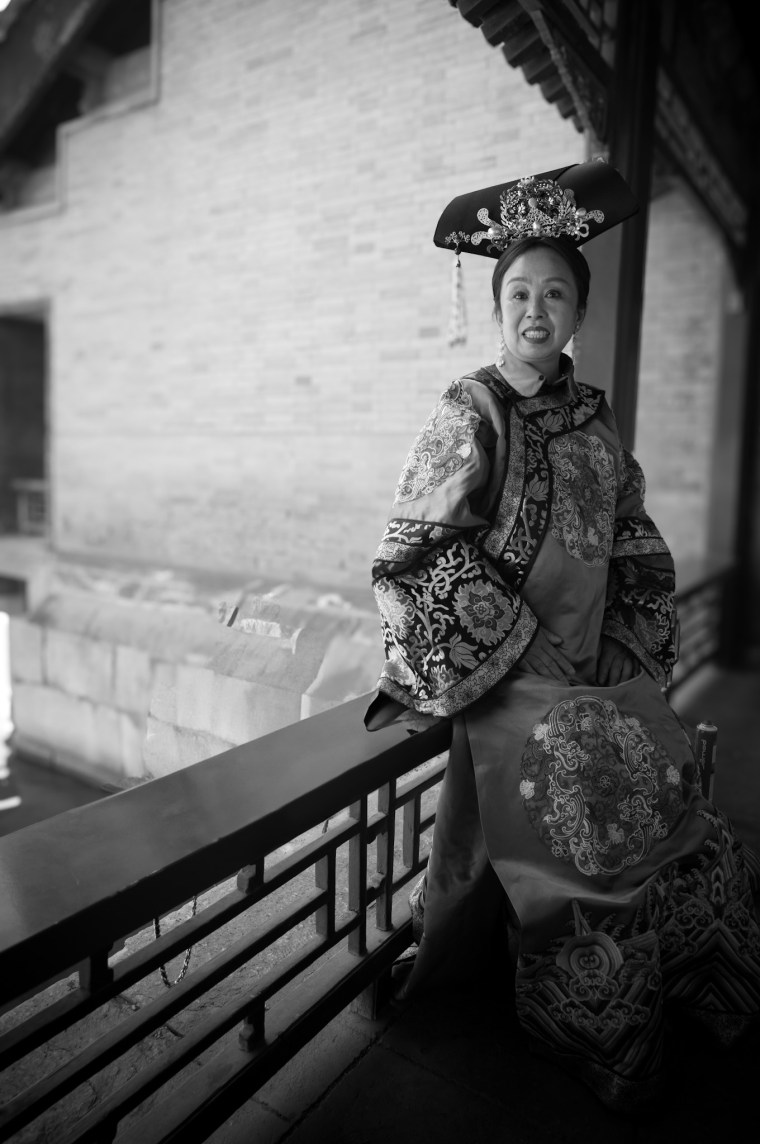
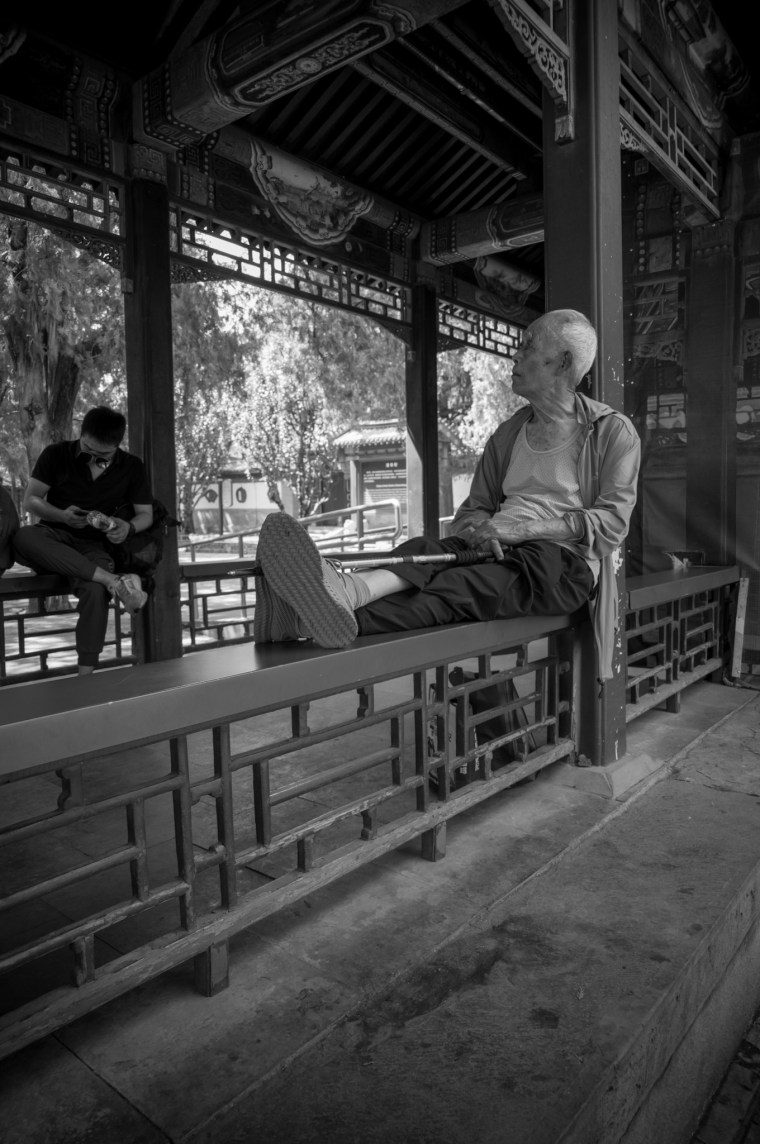
One of the most striking features of the Long Corridor is its intricate and colorful paintings. It is adorned with over 14,000 paintings, which include landscapes, birds, flowers, and scenes from Chinese classical literature and folklore. These artworks not only enhance the aesthetic appeal of the corridor but also serve as a reflection of traditional Chinese art and culture. The paintings are meticulously detailed, each telling its own story and contributing to the corridor’s status as an open-air art gallery.
The architectural design of the Long Corridor is another aspect that captures the admiration of visitors. The wooden structure is supported by brightly painted pillars, beams, and roof trusses, all of which are decorated with vibrant colors and intricate patterns. The corridor is divided into sections by four octagonal pavilions, each representing a season of the year. These pavilions provide resting places where visitors can pause and take in the serene environment. The names of these pavilions—Liu Jia (Beautiful Scenery), JIng Yao (Far Reaching), Qi Shui (Harmonious Interest), and Yi Yun (Clear and Distant)—reflect the scenic and poetic essence of the locations they overlook.
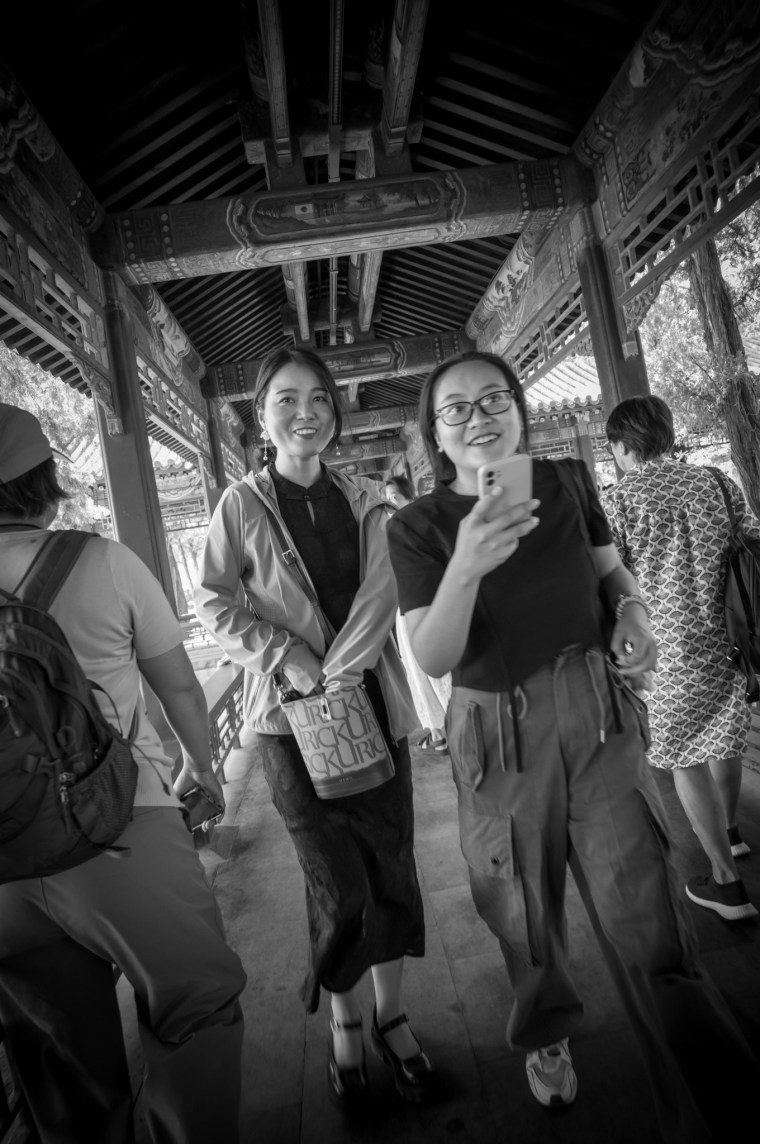
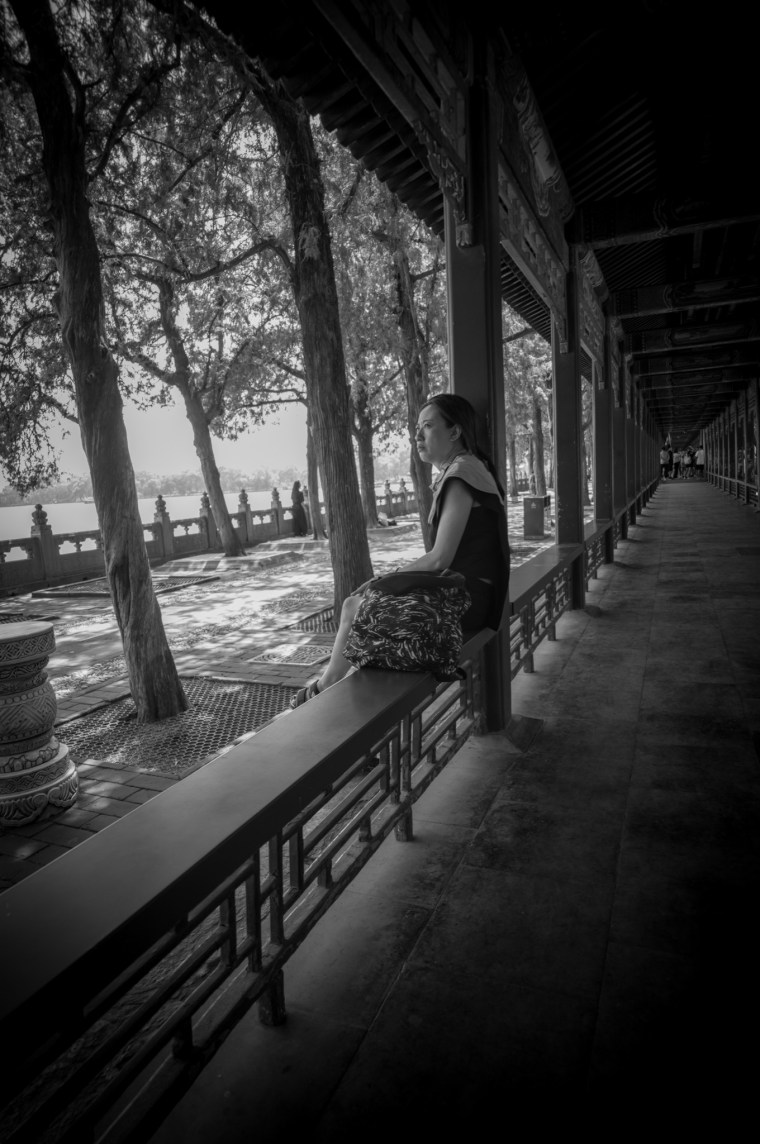
The Long Corridor is also an embodiment of the philosophical and aesthetic principles of traditional Chinese garden design. It emphasizes harmony with nature, creating a seamless blend between the built environment and the natural landscape. The corridor’s location and orientation were carefully chosen to enhance the natural beauty of Kunming Lake and Longevity Hill, integrating the structure into the surrounding scenery in a way that complements and enhances the natural landscape.
During the late Qing Dynasty, Empress Dowager Cixi played a significant role in the history of the Long Corridor and the Summer Palace. She used funds intended for the navy to renovate and expand the Summer Palace, turning it into her luxurious retreat. The Long Corridor was restored and its paintings were refreshed during this period, ensuring the preservation of its artistic and cultural significance.
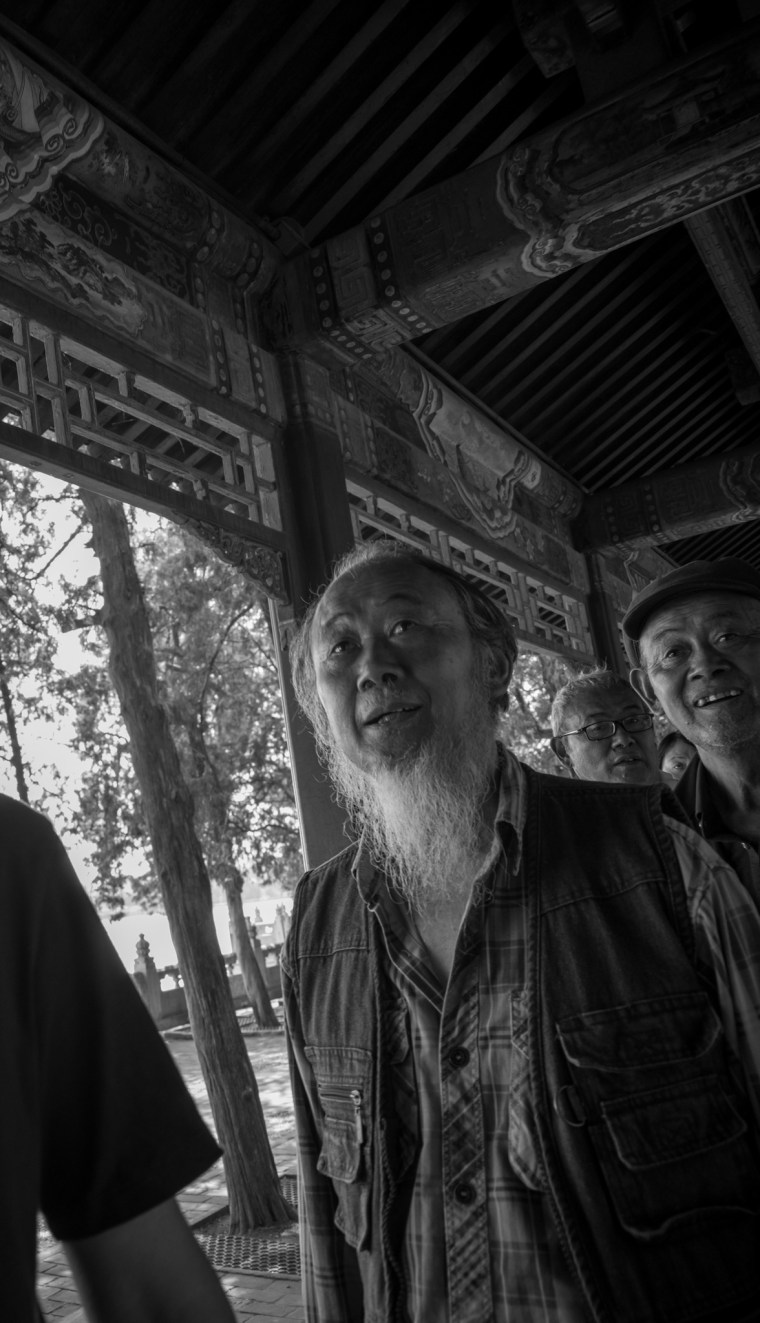
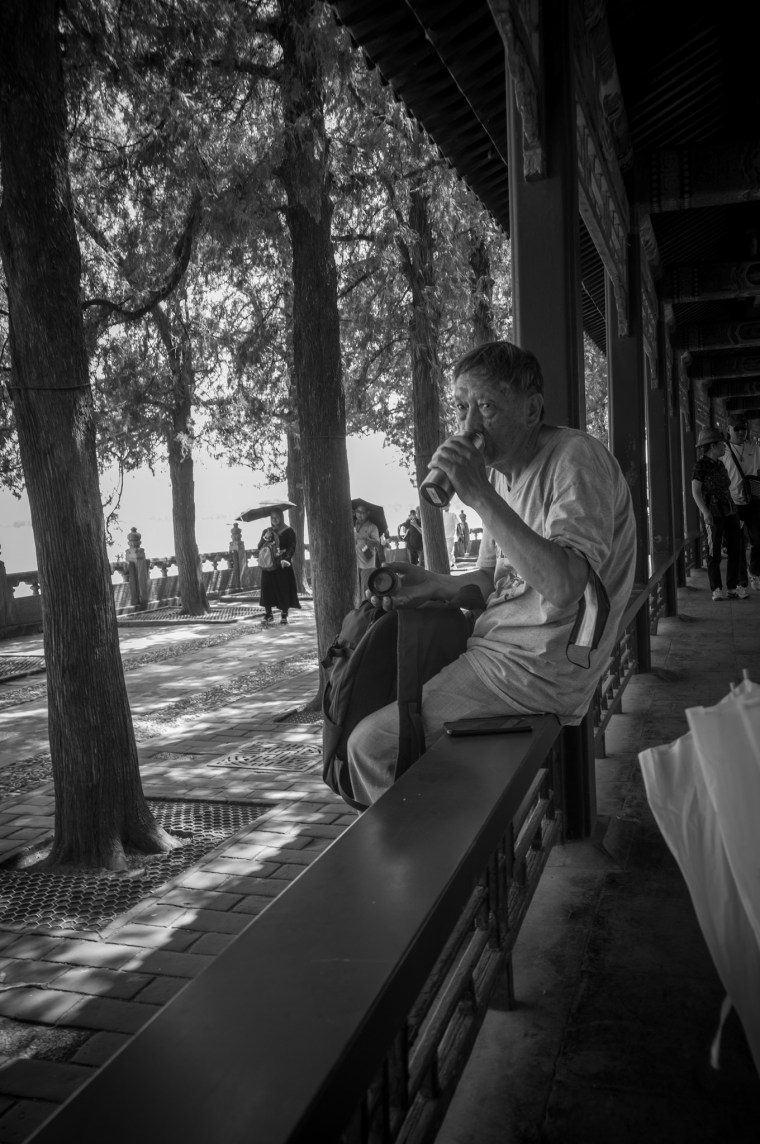
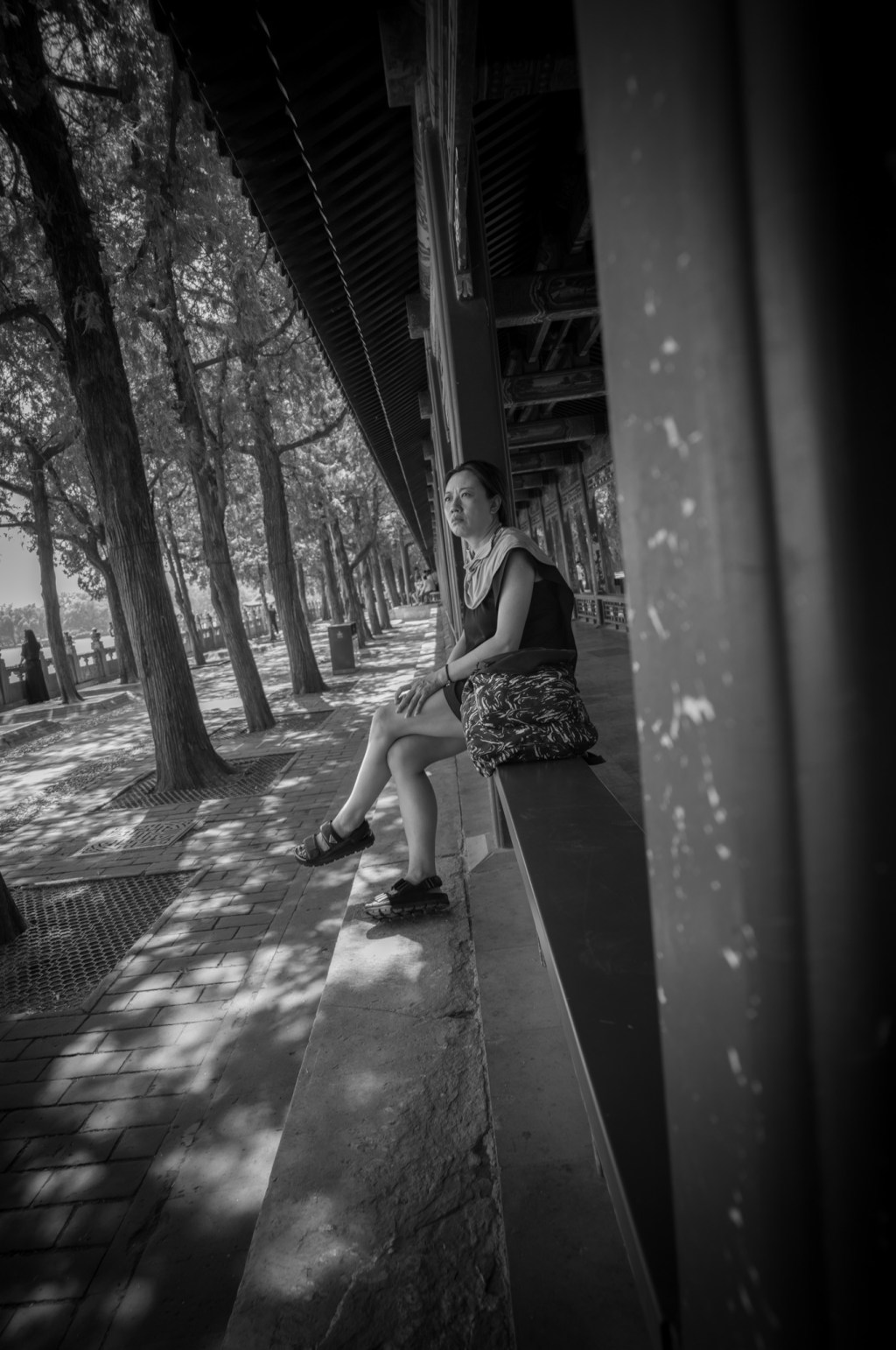
Today, the Long Corridor remains a popular attraction for tourists and locals alike, and yesterday I was there with a couple of Leica cameras hanging on my neck. Walking along the corridor, you can experience a sense of tranquility and timeless beauty, surrounded by exquisite art and nature. It stands as a testament to the ingenuity and artistic prowess of ancient Chinese craftsmen and remains an enduring symbol of Beijing’s cultural heritage.
The Long Corridor of the Summer Palace is more than just a covered walkway; it is a cultural treasure that encapsulates the rich history, artistic traditions, and philosophical ideals of China. Its stunning architecture, detailed paintings, and harmonious integration with the natural landscape make it a unique and unforgettable landmark.

 the-quiet-report.com
Leave a comment