 The Beijing Metro, a vast and efficient urban transit system, stands as a testament to China’s rapid urbanization and infrastructural advancement. Since its inception in 1969, the Beijing Metro has grown into one of the world’s largest and busiest subway networks, playing a crucial role in the daily lives of Beijing’s residents and visitors alike.
The Beijing Metro’s journey began modestly in 1969 with a single line connecting the city’s central and western parts. Initially built for military purposes, it gradually opened to the public. The real expansion began in the early 2000s, spurred by Beijing’s burgeoning population and the 2008 Summer Olympics.
Today, the network boasts over 25 lines and more than 700 kilometers of track, making it the longest subway system in the world by track length.

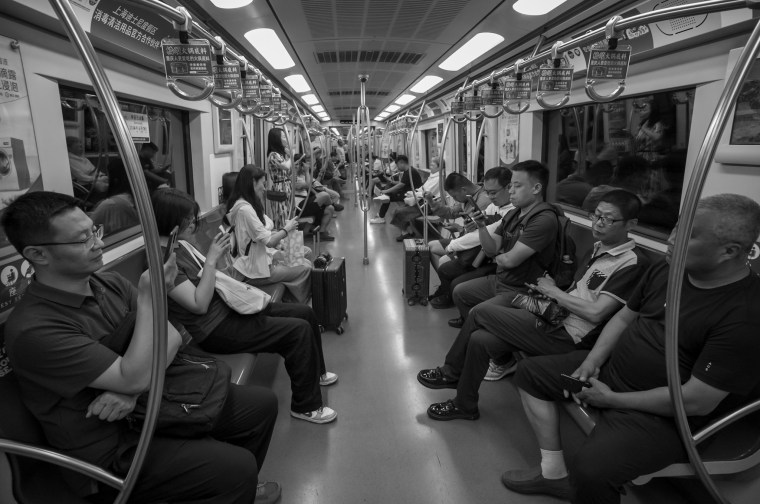
The metro system’s infrastructure is a blend of modern technology and robust engineering. Stations are designed to handle massive passenger volumes (over 13 millions trips daily), often featuring multiple levels, extensive signage in both Chinese and English, and accessibility features like elevators and tactile paving for the visually impaired. The trains are equipped with state-of-the-art technology, including automated train control systems that enhance safety and efficiency.
The Beijing Metro also integrates smart card ticketing systems, such as the Yikatong card, and mobile payment options, reflecting the city’s embrace of digital solutions.
Operating from early morning until late at night, the Beijing Metro ensures that the city remains connected almost around the clock. Trains typically run at intervals of 2-3 minutes during peak hours, ensuring minimal wait times. The service is renowned for its punctuality and reliability, attributes that are essential in a city with a population exceeding 20 million. The network’s extensive coverage includes major business districts, residential areas, and tourist attractions, making it a preferred mode of transport for commuters and tourists alike.
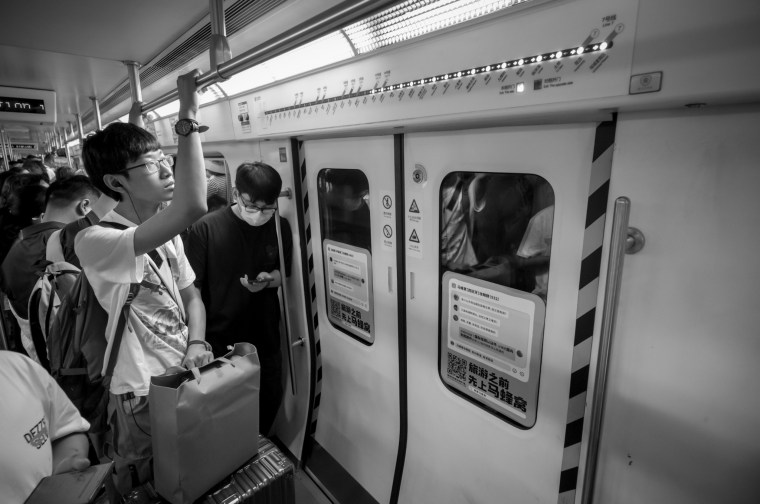

One of the Beijing Metro’s significant contributions is its role in reducing the city’s environmental footprint. By offering a reliable alternative to private car usage, it helps alleviate traffic congestion and reduces air pollution, a critical issue in Beijing. The metro system is also increasingly embracing green technologies, such as energy-efficient trains and renewable energy sources for its operations, further underscoring its commitment to sustainability.
Despite its successes, the Beijing Metro faces challenges. The sheer volume of passengers, particularly during rush hours, can lead to overcrowding, necessitating continuous upgrades and expansions. Additionally, the rapid pace of urban development requires constant adaptation and expansion of the metro network to keep pace with the city’s growth.
Looking ahead, the Beijing Metro has ambitious plans. Future expansions aim to increase the network’s coverage to over 1,000 kilometers by the early 2030s, making it even more comprehensive. Innovations such as the integration of artificial intelligence for better crowd management and the development of more energy-efficient trains are also on the horizon.
Beyond its practical functions, the Beijing Metro is a cultural symbol. Stations often feature artistic elements and cultural exhibits, reflecting Beijing’s rich history and contemporary vibrancy. It serves as a microcosm of the city, where millions of lives intersect daily, each journey contributing to the dynamic tapestry of urban life.
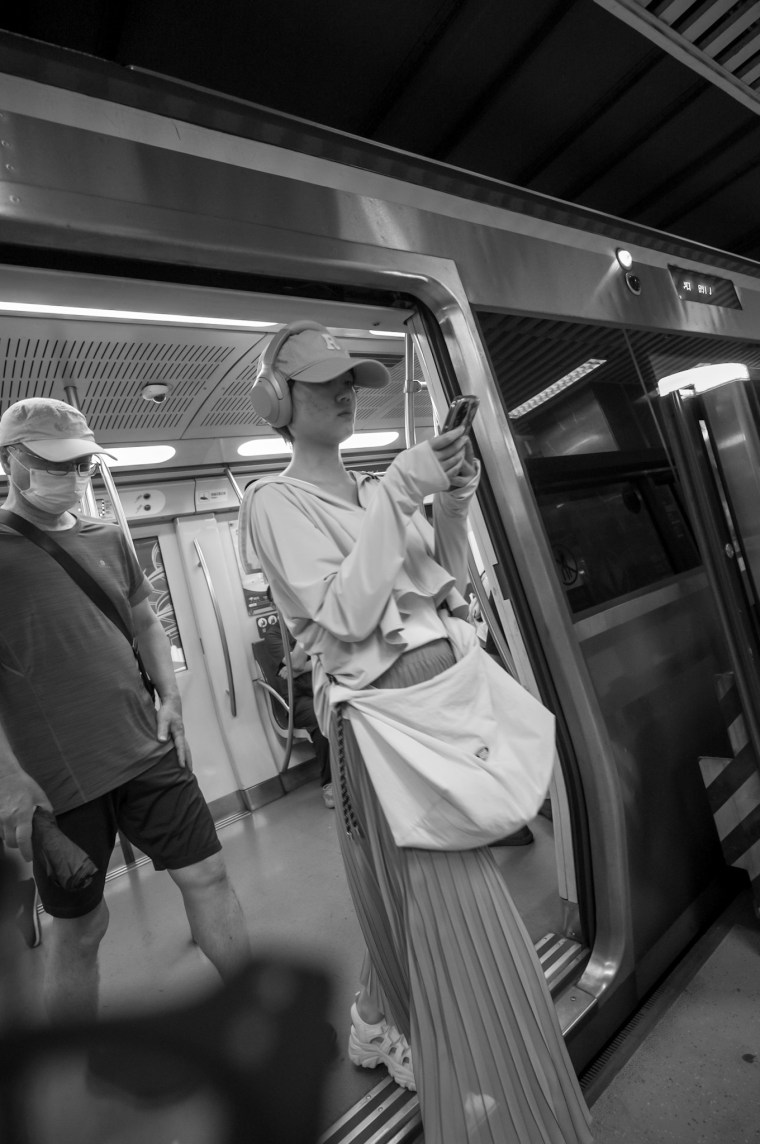
Today I was traveling back and forth across different lines, and while in a train my Leica M11 Monochrom captured a few moments.


 the-quiet-report.com
Leave a comment