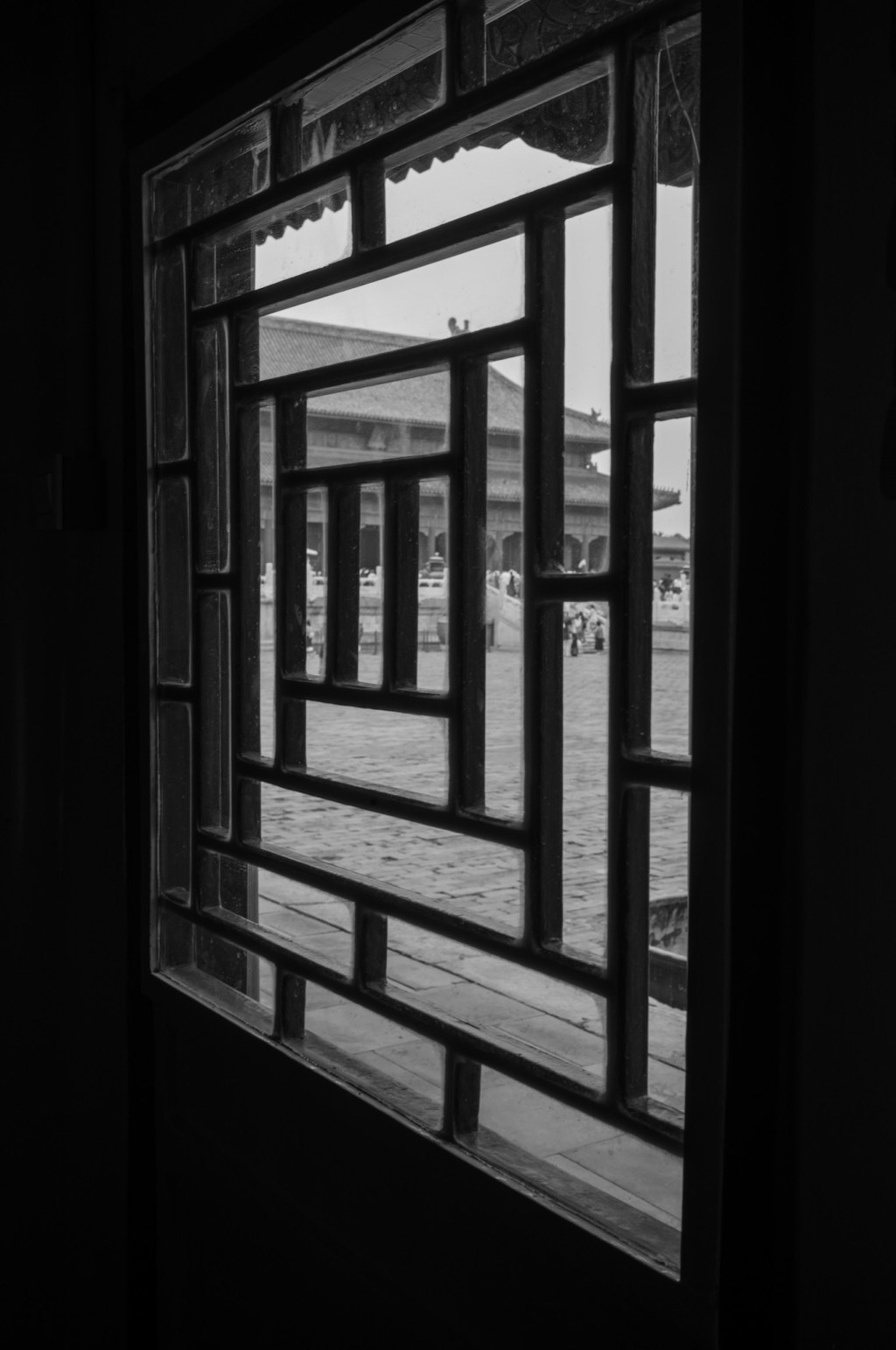
 Today I had taken my Leica M11 Monochrom in the center of the city, and after spotting the window on Tiananmen Square from where Jeff Widener took his photo “Tank Man” (one of the only documents of what happened on June 5th 1989), we moved inside the Walls.
The Forbidden City, located in the heart of Beijing, is an architectural marvel and a symbol of China’s imperial past. Serving as the imperial palace and political center of Chinese emperors for nearly 500 years, from the Ming Dynasty to the end of the Qing Dynasty, the Forbidden City stands as a testament to the grandeur, culture, and history of ancient China.
One of the most defining identity details of the Forbidden City is its immense scale.
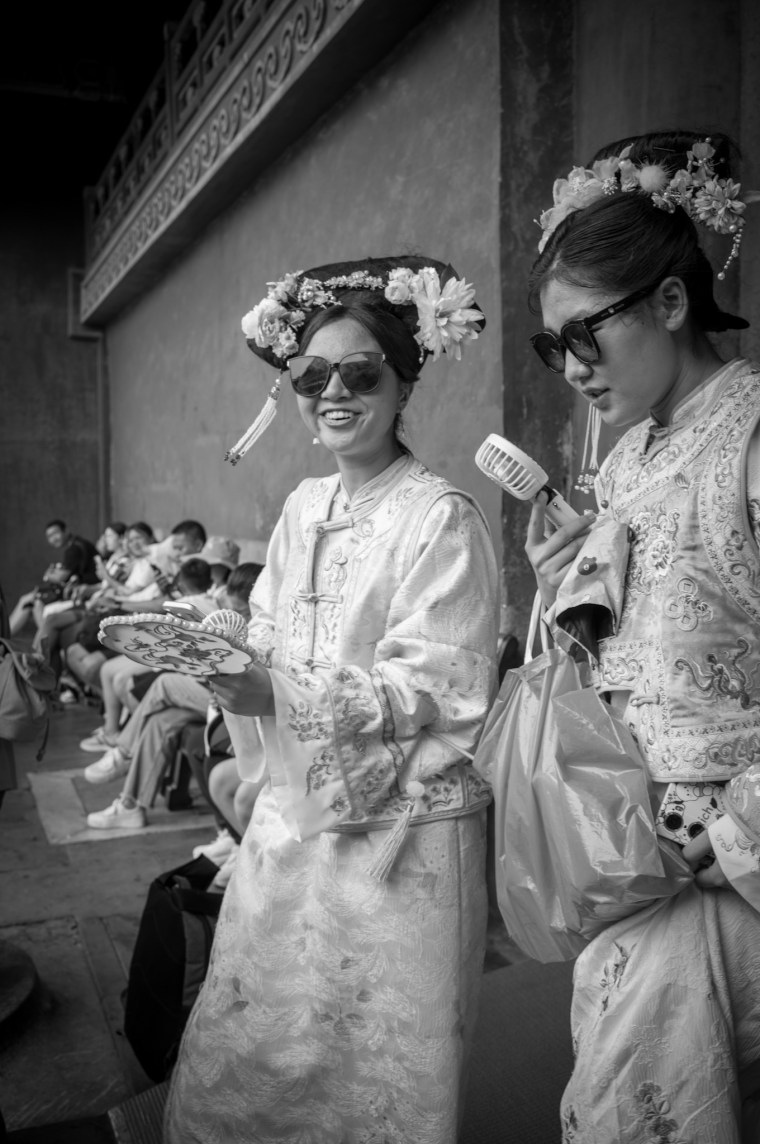
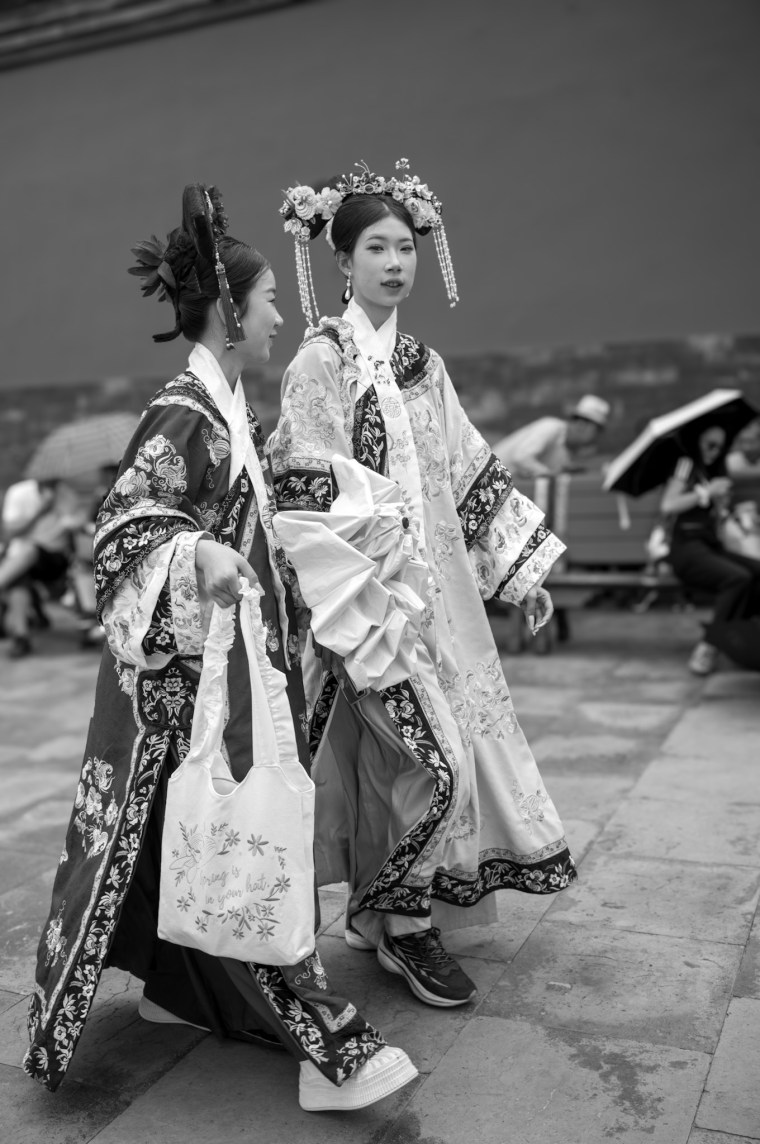
Covering approximately 180 acres, the complex is enclosed by a large defensive wall and a wide moat. The walls are 10 meters high and the moat is 52 meters wide, underscoring the palace’s fortified nature. Within these boundaries, the Forbidden City contains nearly 1,000 buildings, making it one of the largest and most well-preserved ancient wooden structures in the world. This vast complex is laid out in a precise, symmetrical manner, reflecting traditional Chinese cosmology and the concept of the emperor as the Son of Heaven, central to the order of the universe.
The architectural style of the Forbidden City is another critical aspect of its identity.
The buildings are primarily constructed with timber, featuring wooden beams and columns that support the massive roofs. The roofs are covered with yellow glazed tiles, a color traditionally reserved for the emperor. The roofs’ upturned eaves are adorned with intricate carvings and symbolic figurines, each element meticulously designed to convey imperial power and authority. The dominant colors of the structures are red and yellow, symbolizing prosperity and imperial dignity.
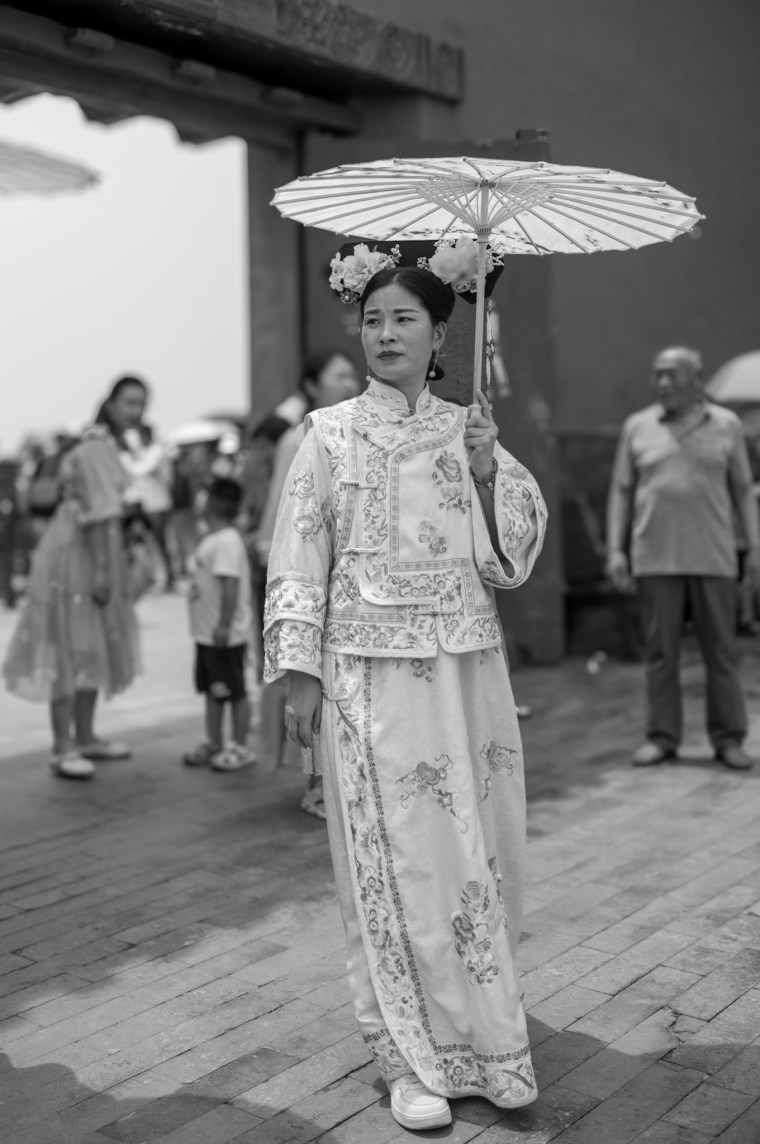
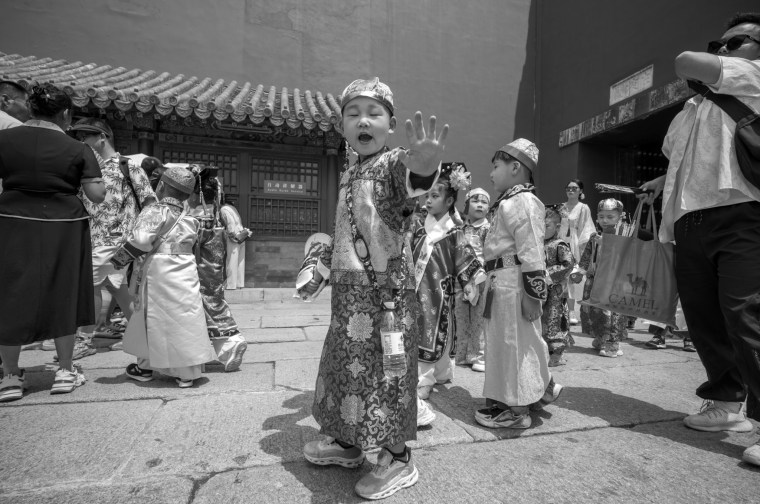
The Forbidden City is divided into two main sections: the Outer Court and the Inner Court. The Outer Court, located in the southern part of the complex, was used for ceremonial purposes and state functions. It houses the three main halls: the Hall of Supreme Harmony, the Hall of Central Harmony, and the Hall of Preserving Harmony. These halls were the sites of significant imperial ceremonies, such as coronations, weddings, and official receptions. The grandeur of these halls, with their expansive spaces and elaborate decorations, epitomizes the power and majesty of the emperor.
The Inner Court, located in the northern part of the complex, served as the residence of the emperor and his family. It includes the Palace of Heavenly Purity, the Hall of Union, and the Palace of Earthly Tranquility. The Inner Court was a private space, where the daily lives of the imperial family unfolded away from the public eye. This area also contains the Imperial Garden, a tranquil and artistically designed space that provided a place of leisure and contemplation for the emperor and his consorts.
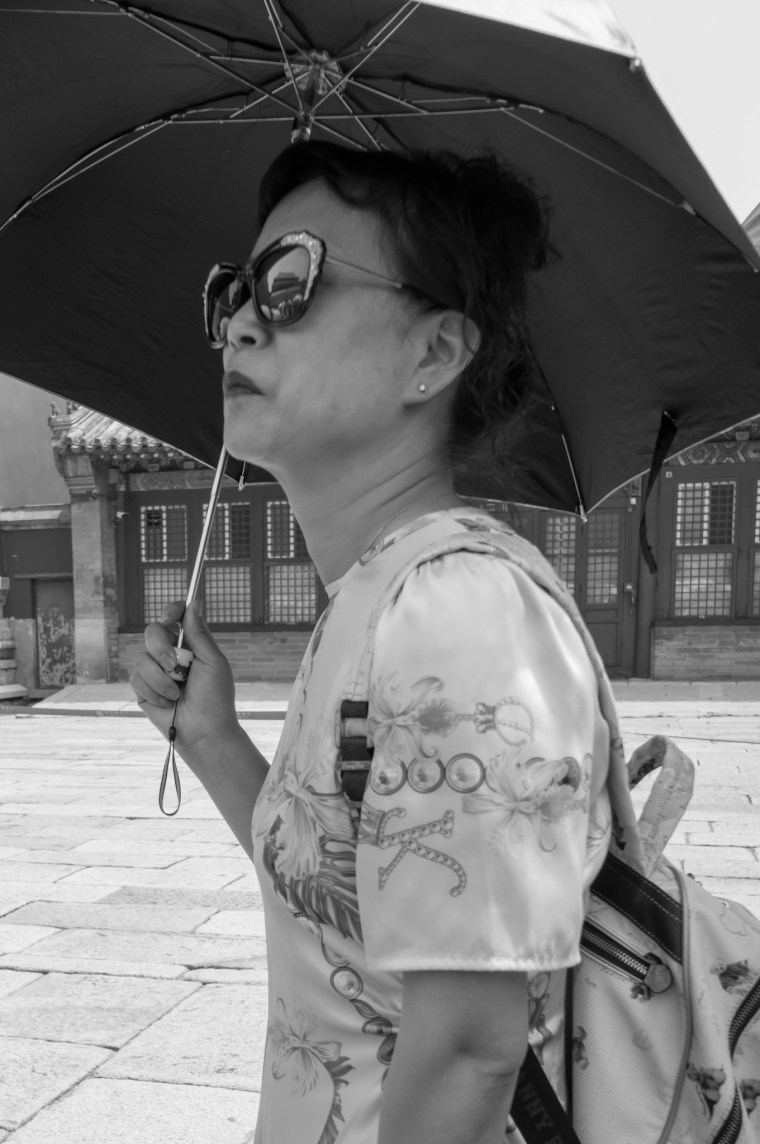
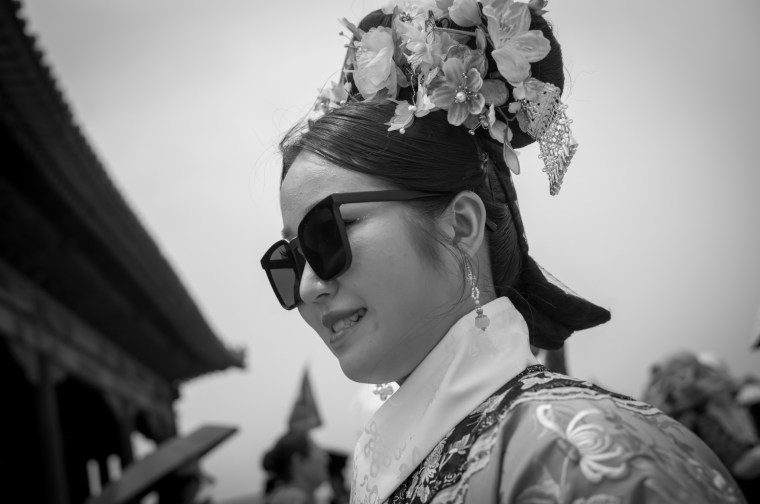
Symbolism permeates every aspect of the Forbidden City. The layout, architecture, and decoration are all imbued with meanings that reflect Confucian principles, cosmology, and the emperor’s supreme status. For example, the number nine, considered auspicious and symbolizing supreme power, is recurrent throughout the complex. The gates, doors, and windows often feature nine rows of nine studs, and many structures are built with dimensions that include multiples of nine.
 the-quiet-report.com
Leave a comment