The traditional Balinese house, known as “rumah adat,” is a captivating reflection of the island’s rich cultural heritage and unique architectural style. Steeped in tradition and intricately designed, these houses serve not only as dwellings but also as embodiments of Balinese beliefs, values, and social structure. From their layout and construction to their symbolic elements and decorative motifs, Balinese houses offer a fascinating glimpse into the island’s cultural identity and way of life.
At the heart of the Balinese house is the concept of the family compound, known as “banjar.” This compound typically consists of several structures arranged around a central courtyard, each serving a specific function. The layout of the compound reflects Balinese beliefs in harmony, balance, and interconnectedness, with spaces designated for living, working, worshiping, and socializing.
The main structure within the compound is the family temple, or “pura,” dedicated to ancestral spirits and Hindu deities. Positioned in the northeastern corner, the temple serves as the spiritual center of the household and is adorned with intricate carvings, colorful decorations, and offerings. The temple’s architecture often incorporates elements of traditional Balinese design, such as tiered roofs, intricately carved doors, and ornate stone sculptures.
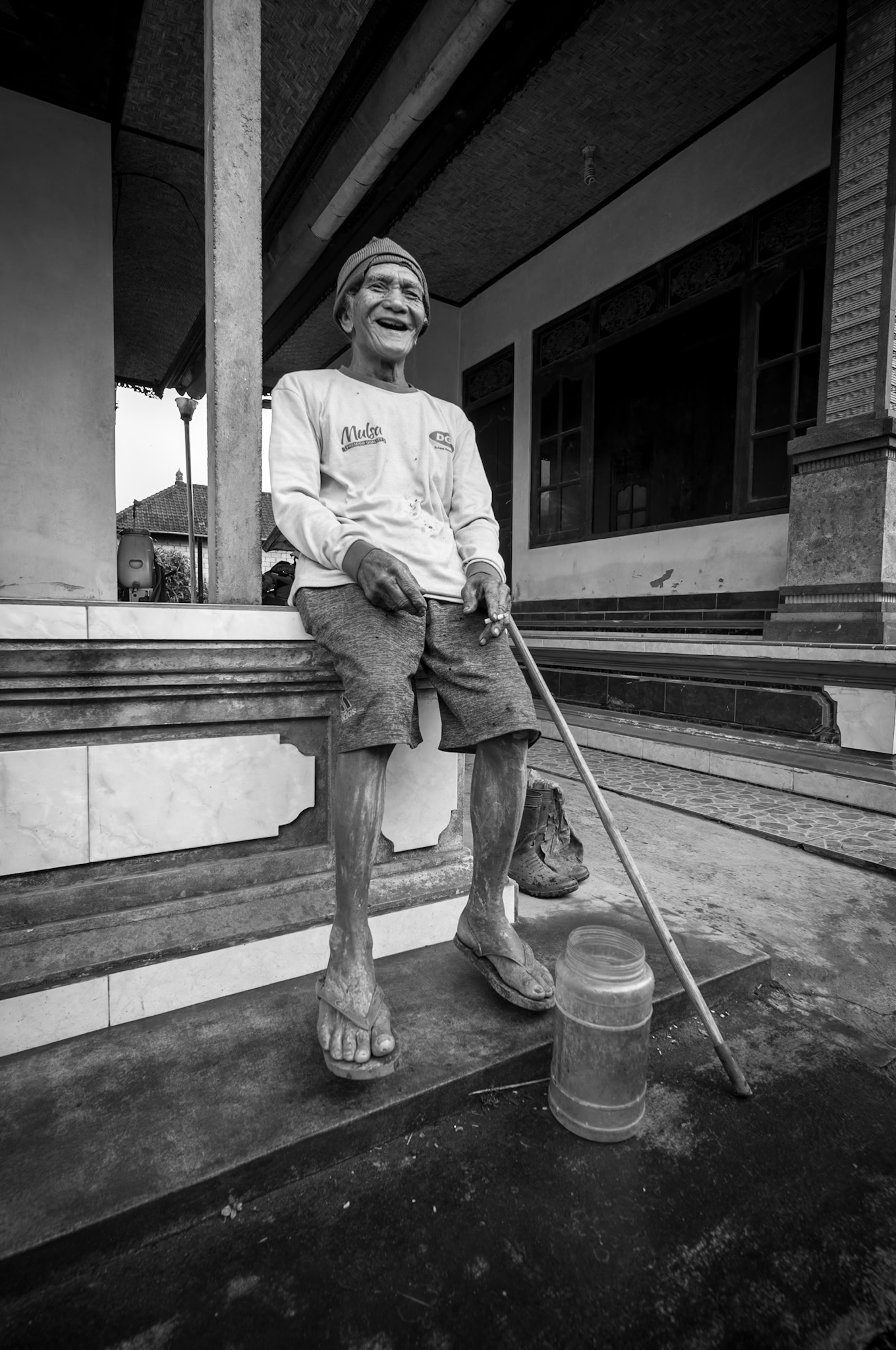
Surrounding the temple are the living quarters, consisting of pavilions or bale, each serving a specific purpose. The largest pavilion, known as the “bale daja,” is typically reserved for the family’s elders and serves as the main living space. Adjacent to the bale daja are smaller pavilions for sleeping, cooking, and socializing, as well as open-air verandas for relaxation and recreation.
The materials used in traditional Balinese house construction reflect the island’s natural resources and environmental conditions. Bamboo, wood, thatch, and stone are commonly employed, with roofs often made from woven palm leaves or terracotta tiles. These materials not only provide insulation from the tropical climate but also contribute to the aesthetic beauty of the structures.
One distinctive feature of Balinese houses is their intricate woodcarvings, which adorn doorways, windows, and structural elements. These carvings often depict mythological creatures, religious symbols, and scenes from Hindu epics, serving as both decorative embellishments and symbolic representations of Balinese culture and spirituality.
Another characteristic of Balinese houses is their open-air design, which blurs the boundaries between indoor and outdoor spaces. Verandas, courtyards, and gardens play an integral role in Balinese house architecture, providing areas for socializing, ceremonies, and everyday activities. The inclusion of water features, such as ponds and fountains, further enhances the sense of tranquility and harmony within the compound.
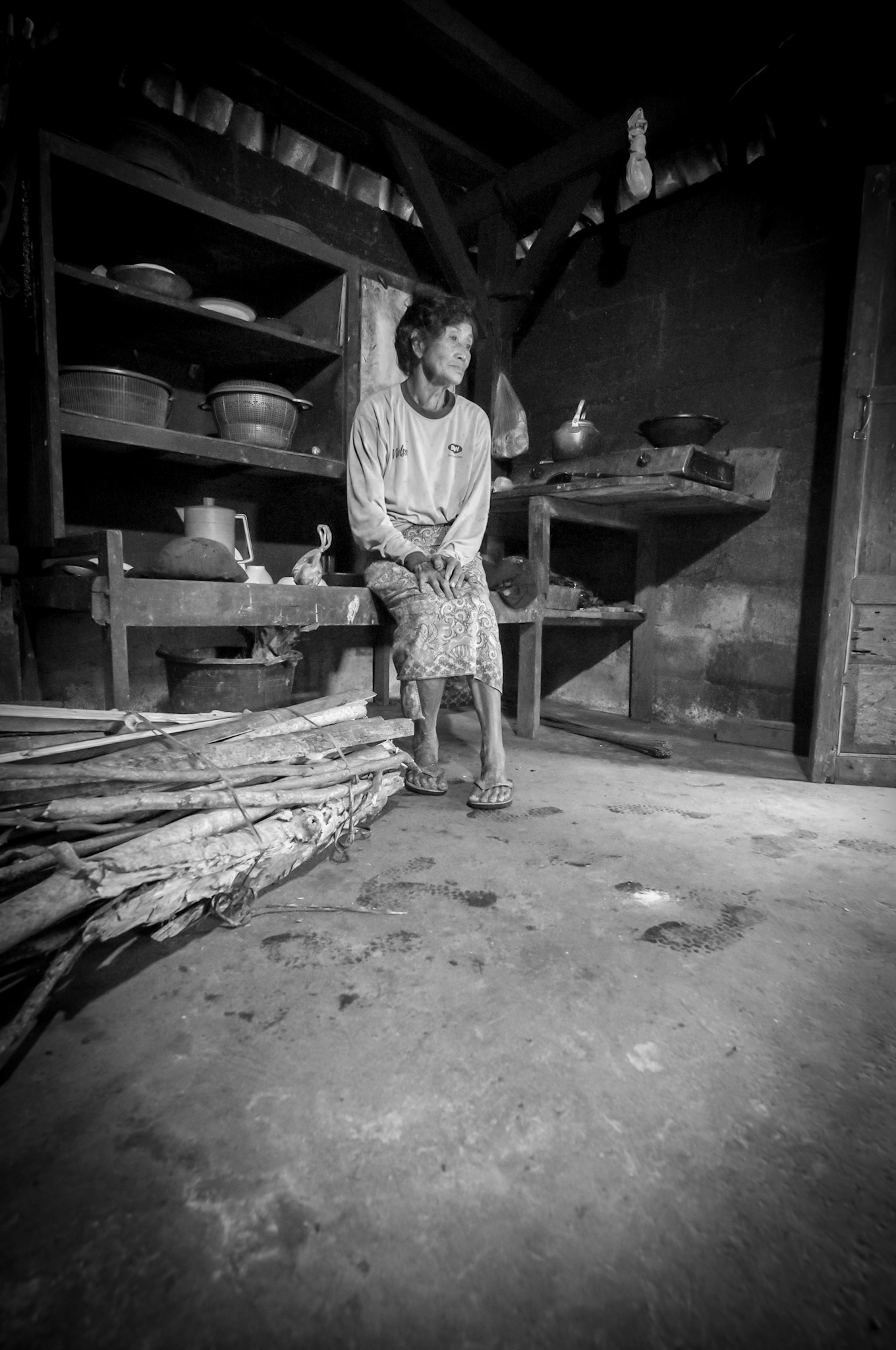
Balinese houses are also known for their vibrant color schemes and ornate decorations. Intricately patterned textiles, handwoven rugs, and intricately painted ceramics add warmth and character to the interiors, while flower offerings and decorative sculptures adorn the exterior spaces.
In addition to their aesthetic appeal, Balinese houses embody a philosophy of sustainability and environmental stewardship. Traditional construction techniques, such as bamboo weaving and mud plastering, minimize the impact on the surrounding ecosystem while utilizing local materials and resources.
The Balinese house is a testament to the island’s rich cultural heritage, architectural ingenuity, and harmonious way of life. Its intricate design, spiritual symbolism, and emphasis on community reflect the values and traditions that have shaped Balinese society for centuries. As Bali continues to modernize and evolve, the traditional Balinese house remains a timeless symbol of cultural identity and a source of inspiration for future generations.

 the-quiet-report.com
Leave a comment