The Gao Gojah Elephant Cave, more commonly known as Goa Gajah, is a culturally and historically significant site located on the island of Bali, Indonesia. Nestled amidst lush greenery and serene landscapes, this ancient cave temple holds a rich history and spiritual significance that attracts visitors from around the world.
The name “Goa Gajah” translates to “Elephant Cave” in English, a moniker derived from the intricate carvings of elephant figures on the cave’s entrance. Believed to have been built in the 9th century, Goa Gajah served as a sanctuary for Hindu and Buddhist meditation practices. Its origins and purpose remain somewhat shrouded in mystery, with scholars and historians speculating on its original function.


Approaching the cave, visitors are greeted by a towering stone entrance adorned with menacing faces, symbolizing guardians of the sacred space. These intricate carvings, along with the depiction of elephants, demons, and mythological creatures, showcase the artistic mastery of the ancient craftsmen and provide a glimpse into the religious beliefs of the time.
Upon entering the cave, visitors are enveloped in an atmosphere of tranquility and spirituality. The interior of the cave features a small chamber with a stone lingam, representing the Hindu god Shiva, and a statue of the elephant-headed deity Ganesha, a symbol of wisdom and remover of obstacles. The cave’s natural acoustics add to the mystical ambiance, inviting contemplation and introspection.
Outside the cave, lush gardens and tranquil pools beckon visitors to explore further. Stone pathways meander through the verdant landscape, leading to secluded meditation areas and ornate shrines. The surrounding jungle teems with wildlife, adding to the sense of immersion in nature’s embrace.
One of the most striking features of Goa Gajah is the bathing pool, known as the “Tirta Empul.” Fed by natural springs, this sacred pool is believed to possess purifying properties, both physical and spiritual. Visitors are encouraged to participate in the ritual cleansing, following the traditional practices of the Balinese people.
The significance of Goa Gajah extends beyond its religious and historical value. It serves as a testament to the rich cultural heritage of Bali and the enduring legacy of its ancient civilizations. The site has undergone extensive restoration efforts in recent years, ensuring its preservation for future generations to appreciate and admire.


In addition to its cultural and spiritual importance, Goa Gajah also attracts visitors for its natural beauty and serene surroundings. The lush jungle setting provides a peaceful retreat from the hustle and bustle of modern life, allowing visitors to reconnect with nature and themselves.
Visiting Goa Gajah is not just a sightseeing experience; it’s a journey of self-discovery and spiritual awakening. Whether exploring the mysterious depths of the cave, meditating amidst the tranquil gardens, or participating in the sacred rituals, visitors cannot help but be deeply moved by the profound sense of peace and tranquility that permeates this ancient sanctuary.
A visit to Goa Gajah is not just a journey through history; it’s a journey of the soul.
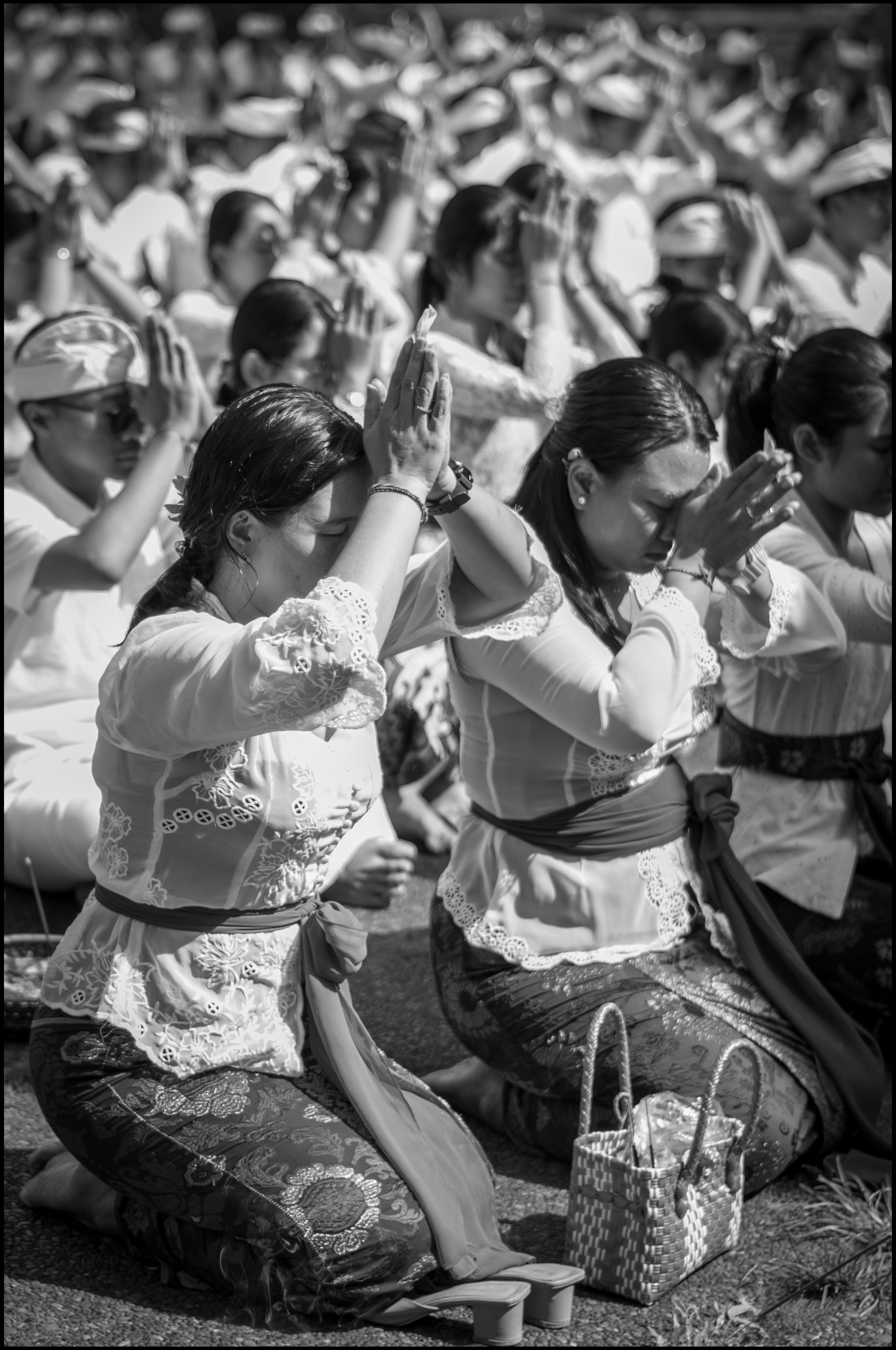
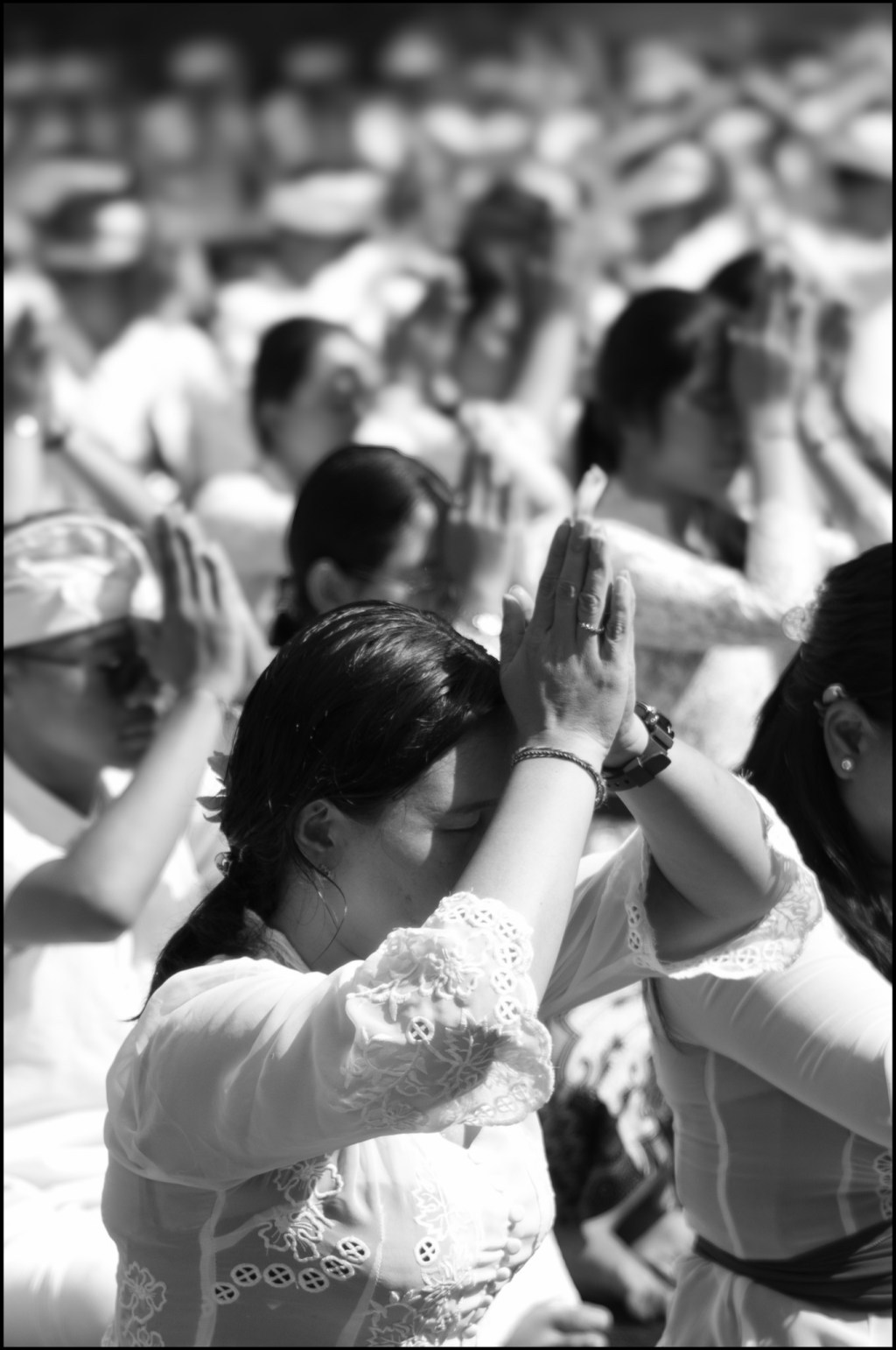
Photos: this morning while some young groups were praying. Leica M11 Monochrom and Summilux 35mm

 the-quiet-report.com
Leave a comment