I was interested since a while in the culture and traditions of Hmong People, starting from the origin of their name, that means “free men”. This ethnic group has a rich cultural heritage and resilient spirit, representing a vibrant tapestry woven with traditions, language, and a profound sense of community.
Hmong traditions, language and DNA test are indicating the area of the Yangtze, the Yellow River, as their origin. We can find confirmed traces in China dating back 8,000 years ago. According to legends, their migration toward south was lead by Chi You, the ancestral God of War, after the battle of Zhuolu against the Han.
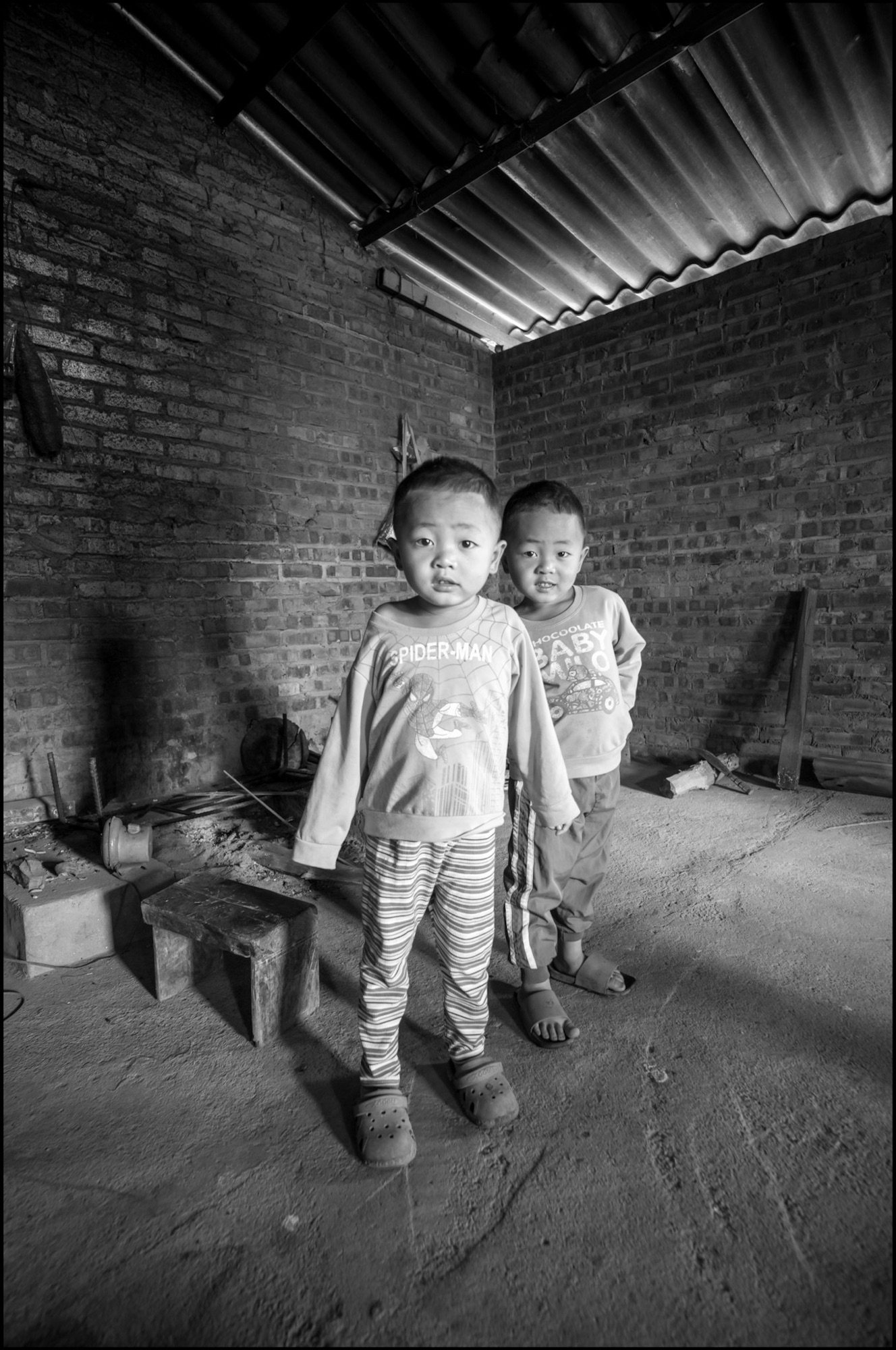
Getting more into real facts, conflicts between Hmong and Han settlers started in the 17th century, with peace of migration in the 18th and early 19th centuries. Leaving the Yangtze area, over centuries, the Hmong People migrated southward, seeking refuge from political turmoil, persecution, and conflicts. Their journey led them across borders, settling in the highlands of Southeast Asia, where they established vibrant communities deeply rooted in their cultural traditions.
This ethnic group have a documented and distinct history shaped by centuries of migration, adaptation, and perseverance, displacement and resistance. It’s fascinating to dive into the multifaceted aspects of the culture, exploring their history, traditions, and ultimately challenges. Worth mentioning that in China they are addressed as Miao People, which has a kind of dispregiative connotation.
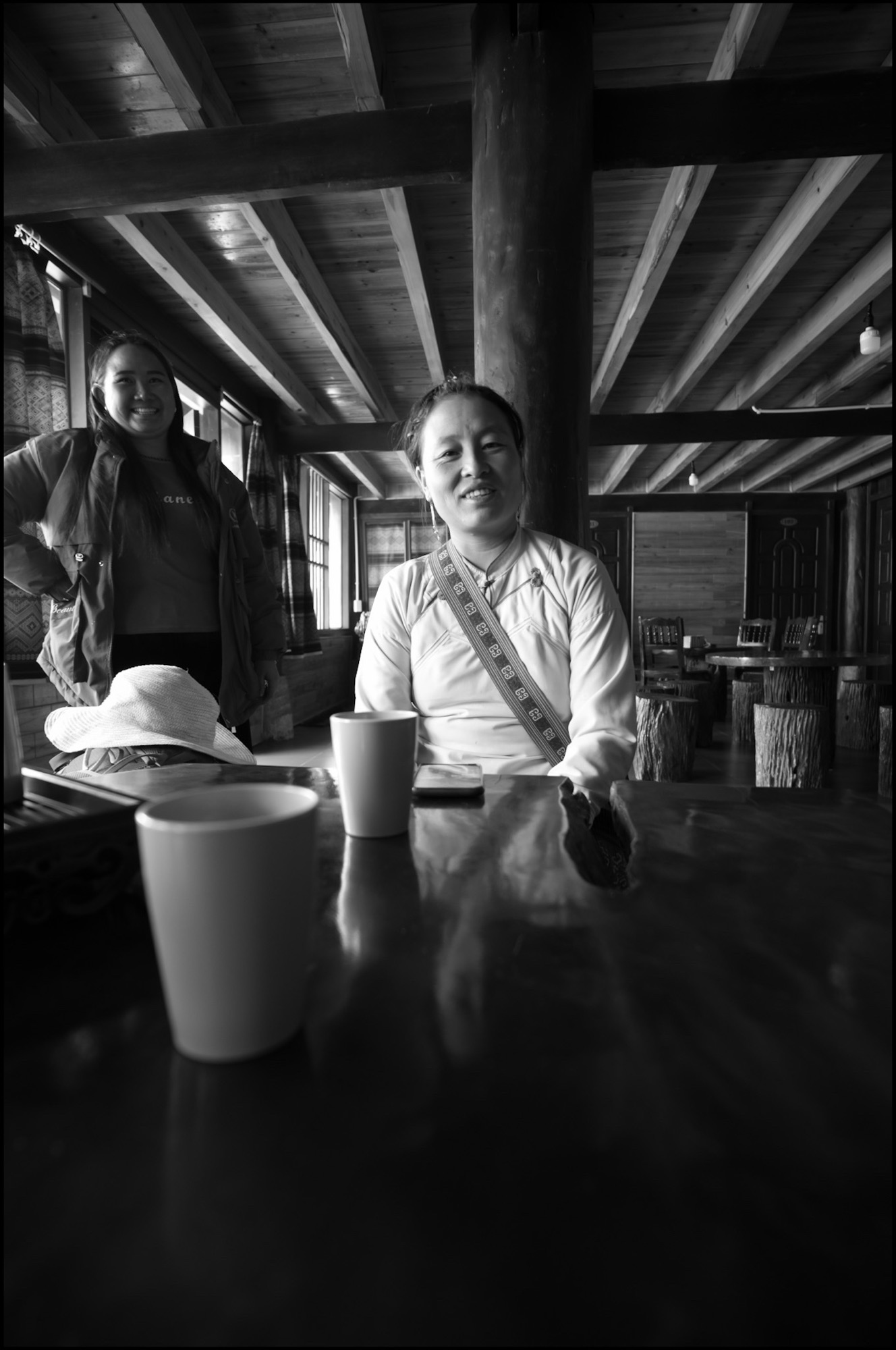
Central to Hmong culture is the concept of family and community. Within their tightly-knit societies, familial bonds are revered, and communal support is paramount. The extended family structure plays a significant role in everyday life, with elders holding revered positions of wisdom and guidance. Traditional Hmong values emphasize filial piety, respect for elders, and collective responsibility, fostering a strong sense of unity and cohesion within the community.
Language serves as a cornerstone of Hmong identity, preserving ancestral heritage and facilitating intergenerational transmission of knowledge and wisdom. The Hmong language, characterized by its tonal complexity and oral tradition, embodies the essence of cultural expression, connecting individuals to their roots and shared history. Despite the challenges of assimilation and globalization, efforts to preserve the Hmong language remain steadfast, reaffirming its significance as a cultural cornerstone.
My guide Zhu has confirmed she can easily speak with China-based Hmong, as well as those who are settled in Laos, confirming a strong continuity in their linguistic identity.
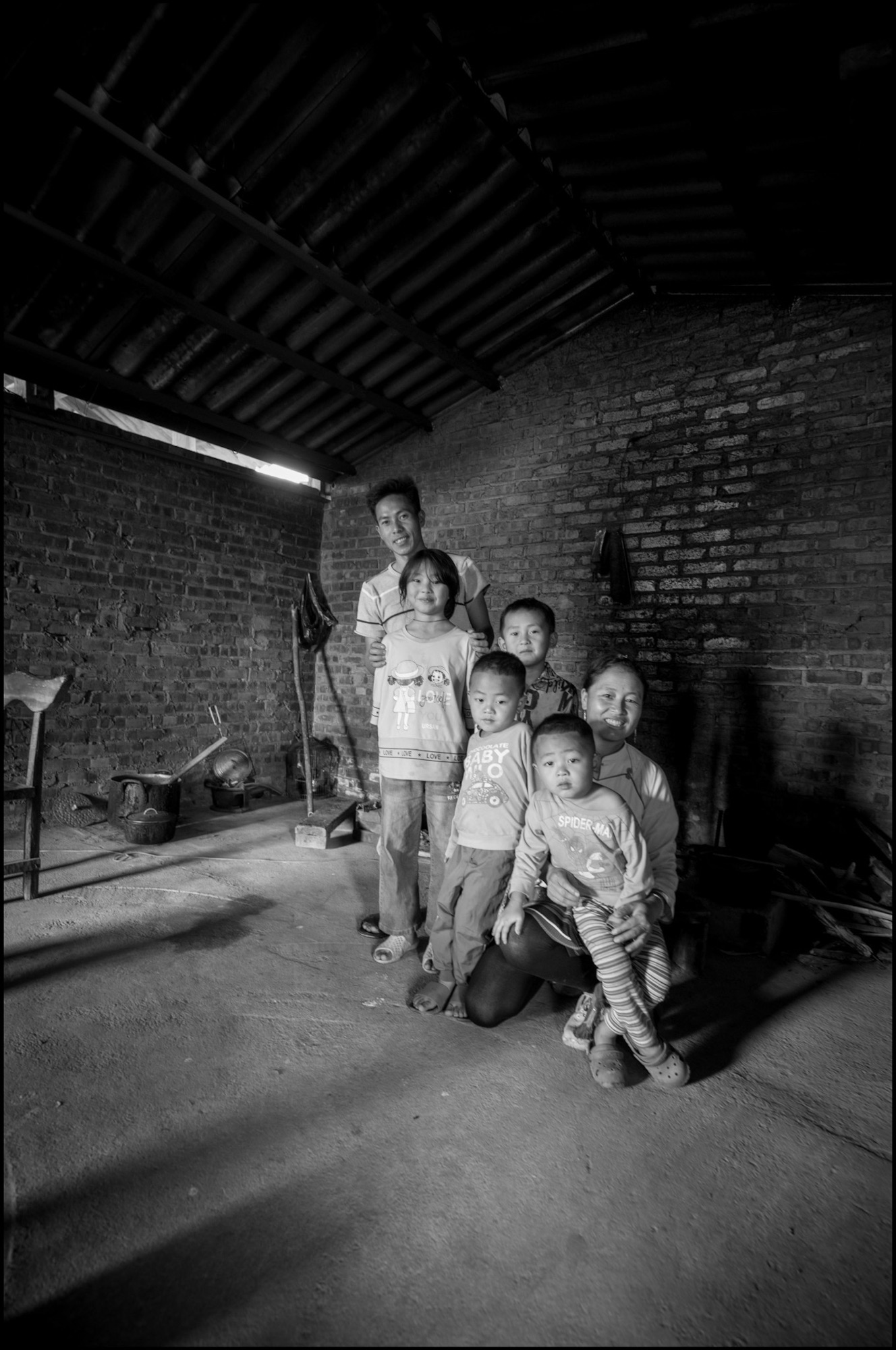
Traditional Hmong customs and rituals reflect a deep reverence for nature, ancestors, and spirituality. Shamanism, an integral aspect of Hmong belief systems, encompasses rituals, healing practices, and ceremonies aimed at maintaining harmony between the physical and spiritual realms. Through intricate ceremonies such as the “hu plig” (soul-calling ceremony) and “tso plig” (spirit-calling ceremony), the Hmong seek spiritual guidance, protection, and balance in their lives.
Art and craftsmanship are intrinsic to Hmong culture, manifesting in vibrant textiles, intricate embroidery, and decorative motifs that reflect their cultural identity and creativity. Hmong embroidery, characterized by its colorful motifs and symbolic significance, serves as a visual narrative of their heritage, beliefs, and life experiences. Passed down through generations, these artistic traditions serve as a testament to the resilience and ingenuity of the Hmong people.
Despite their rich cultural heritage, the Hmong have faced numerous challenges throughout history, including persecution, displacement, and marginalization. The aftermath of the Vietnam War saw the Hmong embroiled in conflict and forced migration, leading to mass displacement and resettlement in foreign lands. In the face of adversity, the Hmong have demonstrated remarkable resilience, preserving their cultural traditions, and forging new pathways of adaptation and empowerment.
Today, Hmong communities span the globe, with diaspora populations thriving in countries such as the United States, France, Australia, and Canada. While diaspora life brings opportunities for economic advancement and cultural exchange, it also presents unique challenges of identity preservation, assimilation, and acculturation. Amidst these complexities, Hmong communities continue to navigate the intricacies of cultural preservation, identity formation, and belonging in a rapidly changing world.
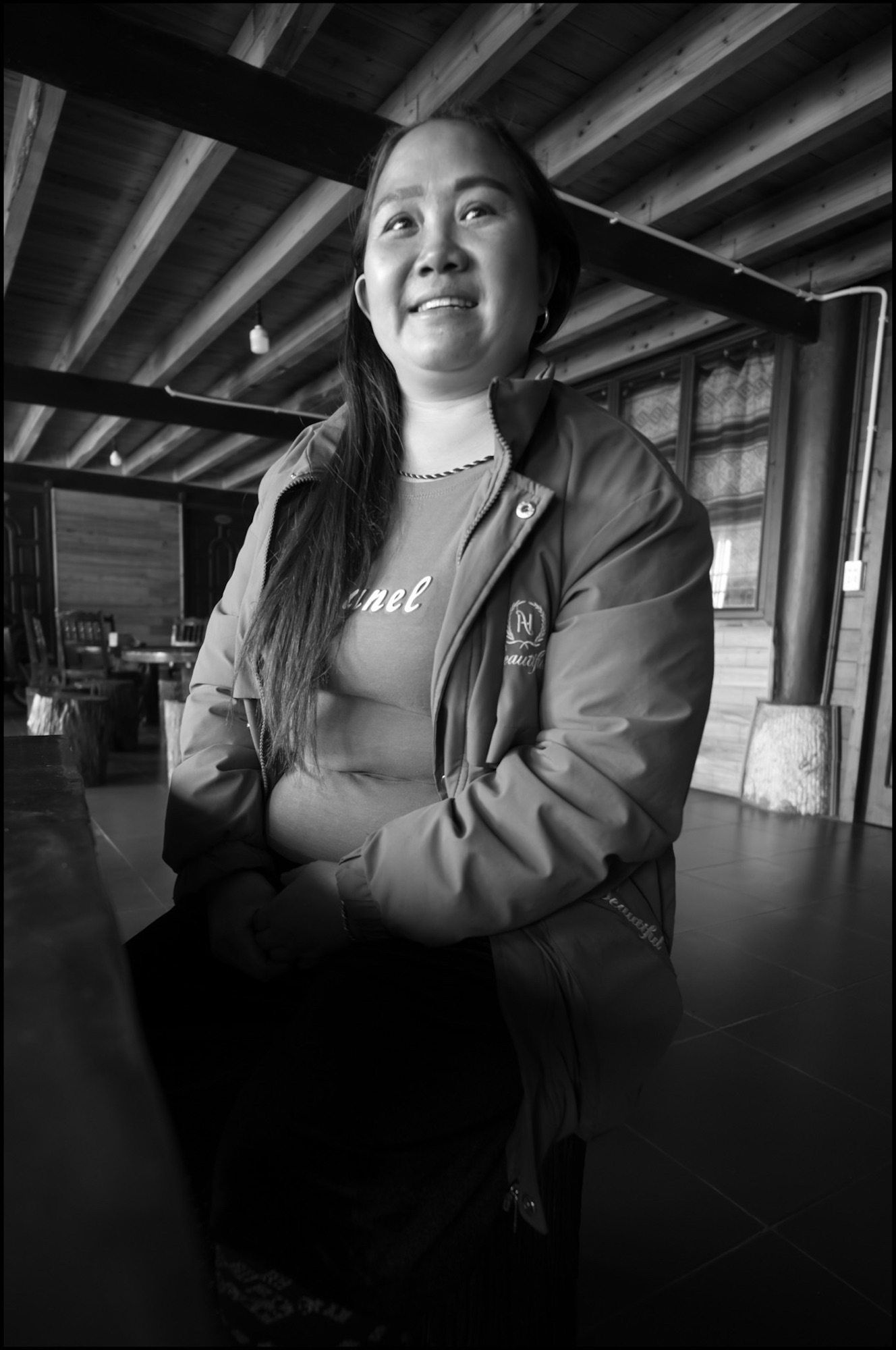
The contributions of the Hmong people extend far beyond their cultural heritage, encompassing achievements in education, business, politics, and the arts. From pioneering advancements in healthcare to excelling in academic fields, Hmong individuals have made indelible marks on the global stage, challenging stereotypes and reshaping perceptions of their community.
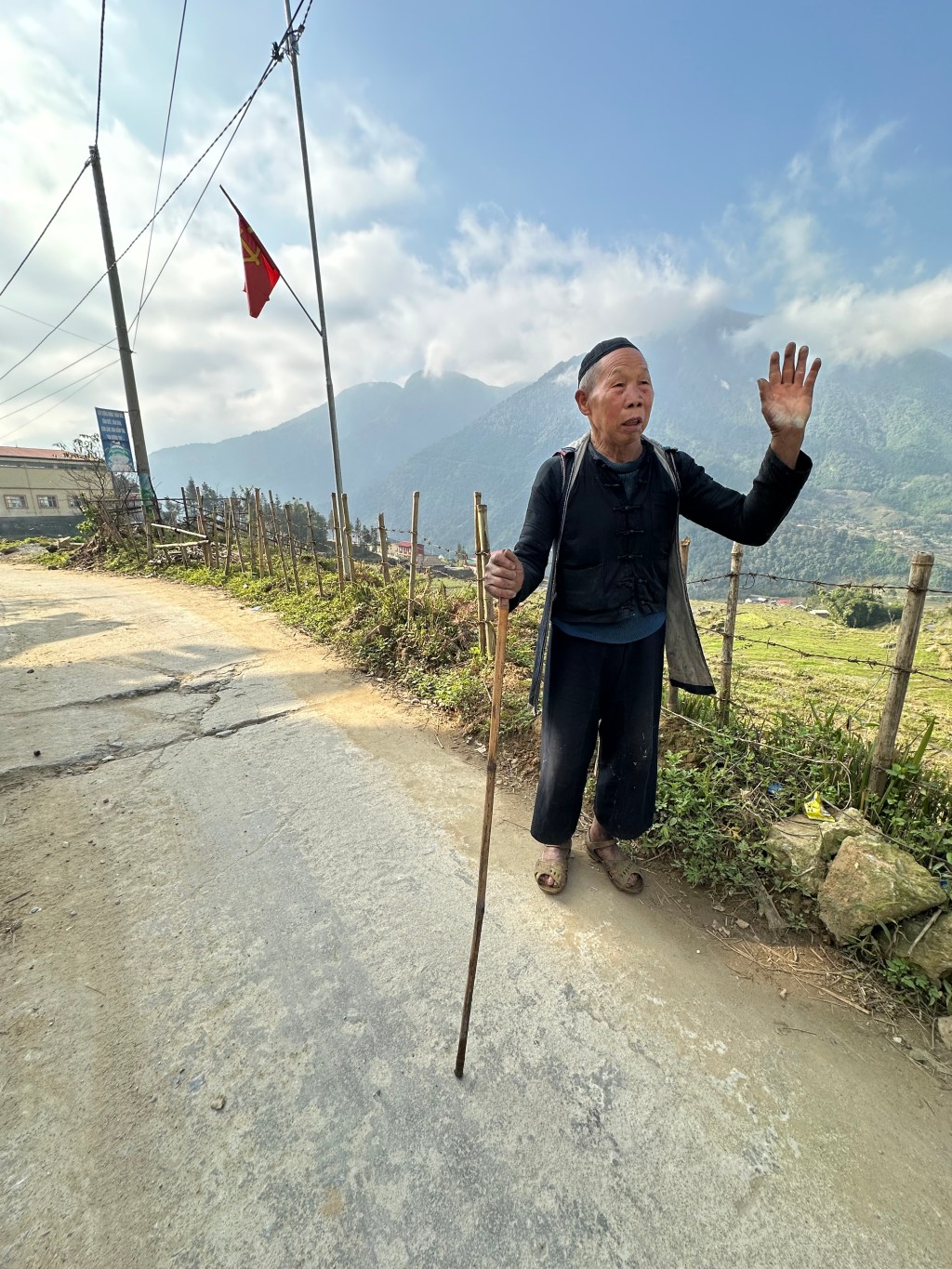
What i start understanding, thanks to an extensive exposure here in northern Vietnam, is that the Hmong people embody a rich tapestry of culture, tradition, and resilience that transcends borders and generations. Their journey is one of perseverance, adaptation, and celebration of identity amidst adversity. As custodians of their cultural heritage, the Hmong continue to inspire and enrich the world with their vibrant traditions, unwavering spirit, and enduring legacy.
It’s a privilege to be their guest, visit their village, and share their story and photos.

 the-quiet-report.com
Leave a comment