Life is a beautiful surprise. Always.
The year 1924 stands as a pivotal moment in history, marked by significant cultural, political, and technological developments that shaped the course of the 20th century.
One of the most notable events of 1924 was the death of Vladimir Lenin, the leader of the Russian Revolution and the founder of the Soviet Union. His passing ushered in a period of power struggle within the Bolshevik Party, ultimately leading to the rise of Joseph Stalin as the new leader of the Soviet state. Stalin’s ascent marked the beginning of a tumultuous era characterized by rapid industrialization, collectivization, and authoritarian rule.
In the realm of politics, 1924 also witnessed the first Winter Olympic Games held in Chamonix, France. This inaugural event brought together athletes from 16 nations to compete in various winter sports, setting the stage for the modern Olympic movement.
Culturally, 1924 was a year of artistic innovation and creative expression. It saw the publication of James Joyce’s groundbreaking novel “Ulysses,” which revolutionized the literary landscape with its experimental narrative style and exploration of stream-of-consciousness storytelling. Meanwhile, in Paris, the Surrealist movement gained momentum with the publication of André Breton’s “Manifesto of Surrealism,” laying the foundation for a new avant-garde approach to art and literature.
Technological advancements also left their mark on 1924, with the invention of the loudspeaker by Edward Wente, revolutionizing the way sound was amplified and transmitted in public spaces. This innovation laid the groundwork for the development of modern audio technology, shaping the entertainment industry and public discourse in the decades to come.
Economically, 1924 saw the Dawes Plan implemented to address the economic repercussions of World War I and the Treaty of Versailles. Named after American banker Charles G. Dawes, the plan aimed to stabilize the German economy by restructuring reparations payments and facilitating foreign loans, providing a temporary respite from the financial turmoil gripping post-war Europe.
In retrospect, the year 1924 serves as a crossroads of change and transition, setting the stage for the tumultuous events and transformative trends that would define the remainder of the 20th century.
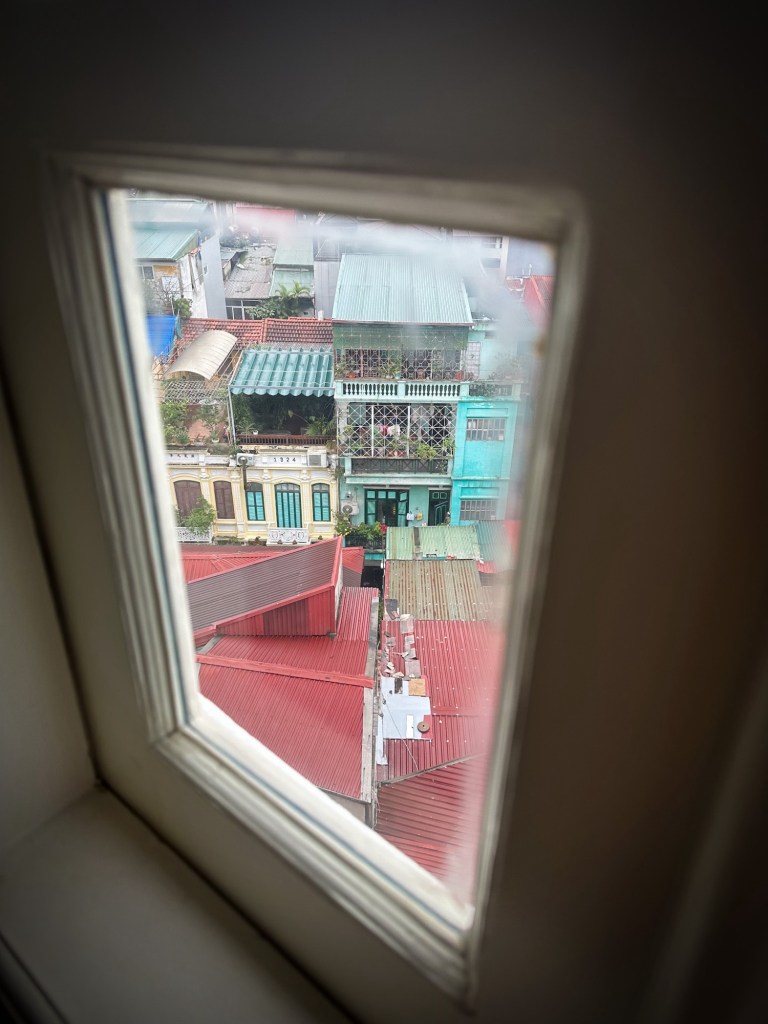
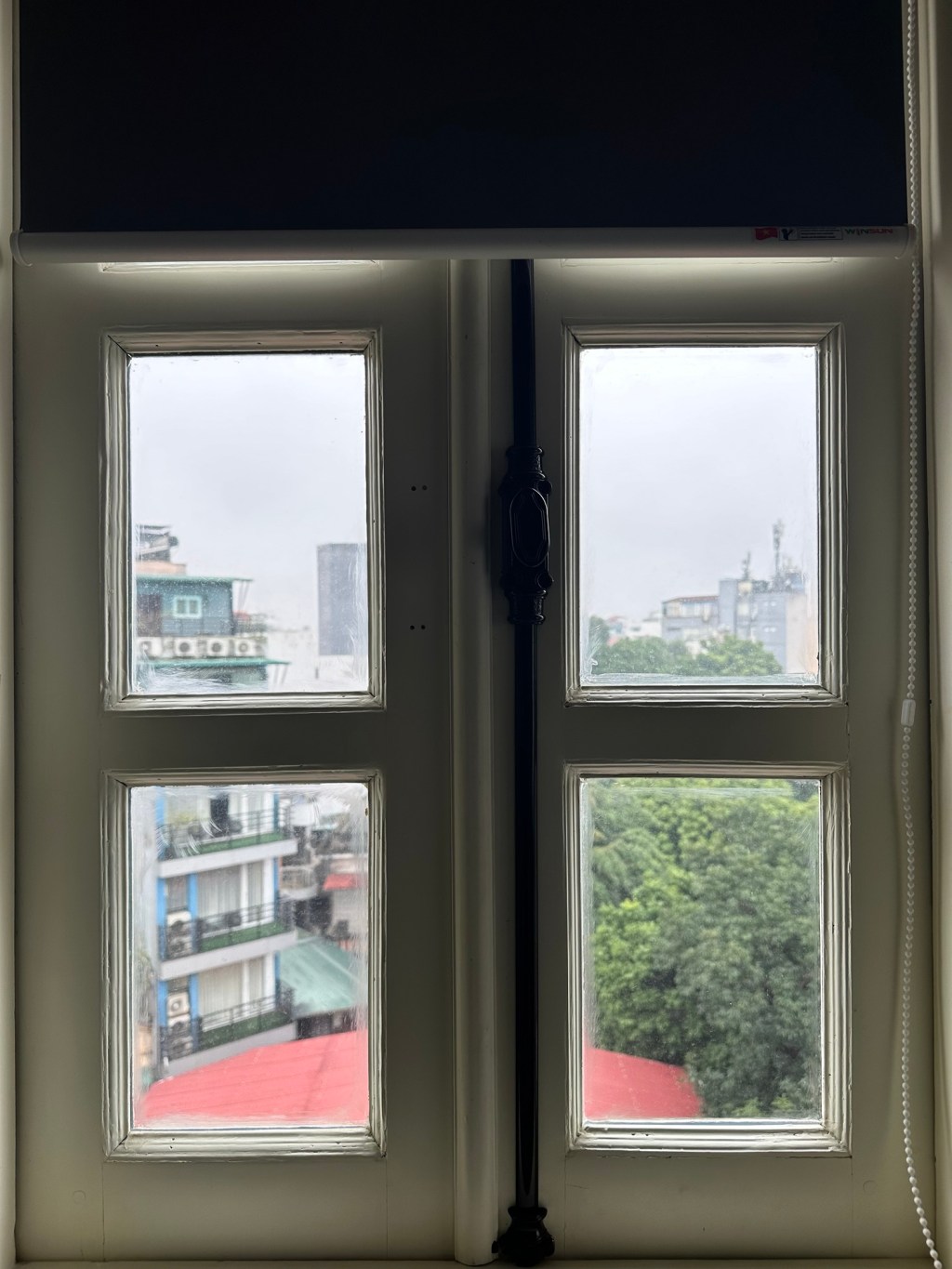
Today, in 2024, exactly a century after, I can see from my window an house built in that year, and an old woman weeping her balcony and watering her plans.
I’m in Hanoi, Vietnam, and life is always a beautiful surprise.



 the-quiet-report.com
Leave a comment