The idea for Louvre Abu Dhabi emerged as a result of a 2007 intergovernmental agreement between the French and Emirati governments. The project was initiated by the late Sheikh Zayed bin Sultan Al Nahyan, the founding father of the UAE, who envisioned a universal museum that would celebrate the world’s artistic heritage and promote cross-cultural understanding.
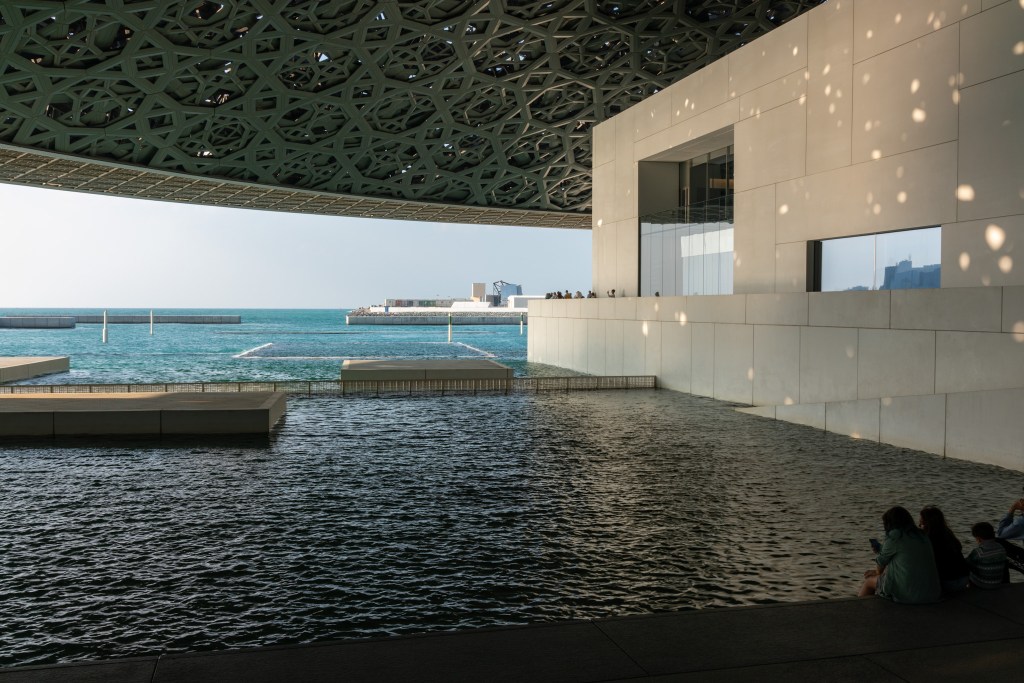
Designed by renowned architect Jean Nouvel, Louvre Abu Dhabi’s architecture is a masterpiece in its own right. The museum’s most distinctive feature is its iconic “floating dome,” a marvel of engineering and aesthetics. The intricately perforated dome, comprised of 7,850 aluminum stars, allows dappled sunlight to filter through and create a captivating “rain of light” effect, reminiscent of the way light plays through the palm fronds in the UAE’s oases. This architectural marvel not only serves as a functional element but also symbolizes the interconnectedness of cultures and the aspiration to bring the world together under one roof.
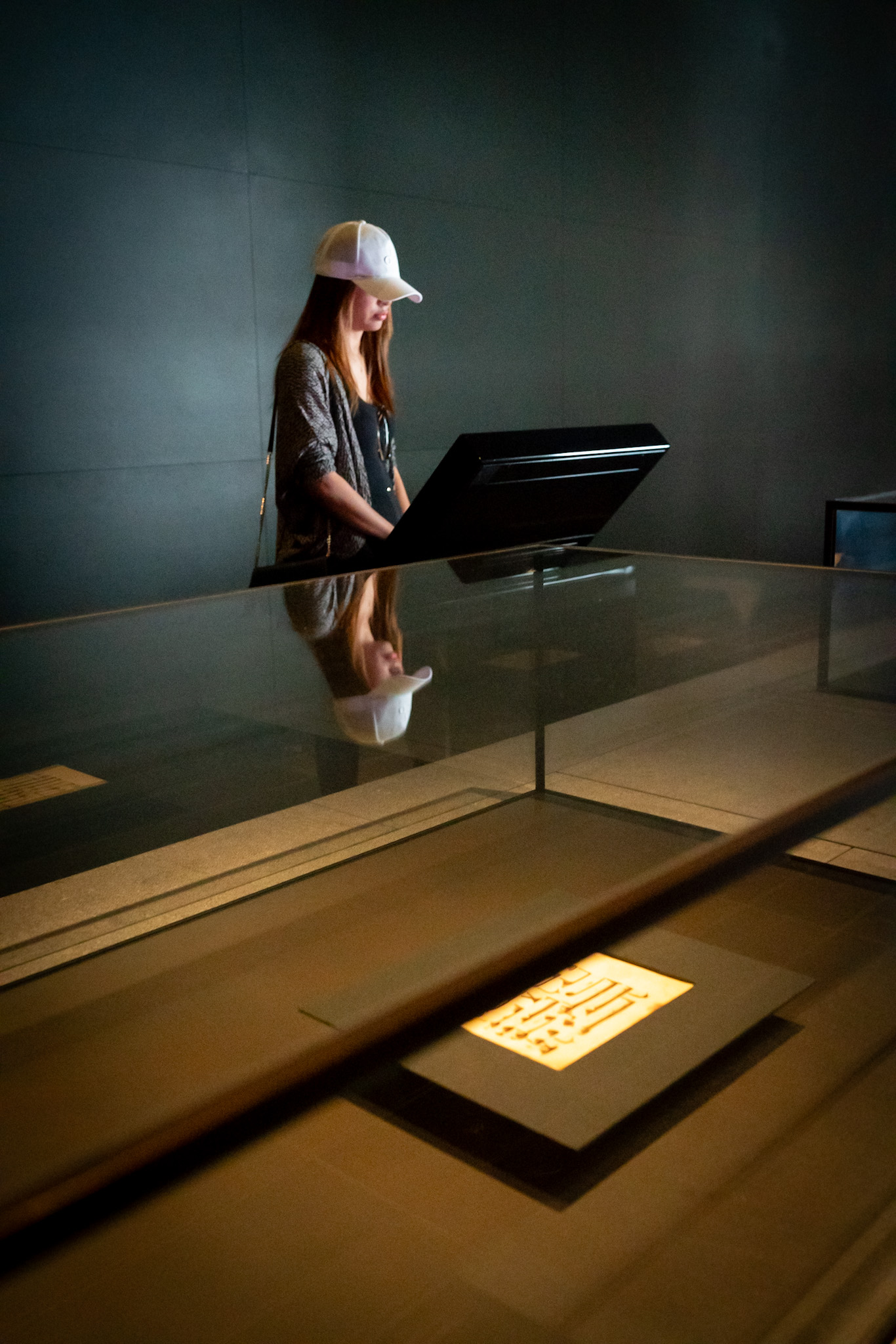
Louvre Abu Dhabi’s art collection is a treasure trove that spans over millennia, covering civilizations and cultures from around the globe. The pieces on display come from both Western and Eastern heritage, a testament to the museum’s mission of promoting cross-cultural dialogue. The museum’s collection includes over 600 pieces, including renowned works by Leonardo da Vinci, Vincent van Gogh, and Claude Monet, as well as a wide range of Islamic, Asian, and African artworks. The curatorial approach at Louvre Abu Dhabi is to emphasize the similarities between different cultures rather than their differences, showcasing universal themes in art and history.
Some years back we were also expecting to see the Salvator Mundi, The Enigmatic Masterpiece by Leonardo da Vinci, but events have then taken a different direction.
The story of Salvator Mundi, a painting attributed to the great Renaissance artist Leonardo da Vinci, is one of the most intriguing mysteries in the world of art. While the painting itself is a masterpiece, its journey through history, its disputed authenticity, and its incredible value have all contributed to the aura of mystique that surrounds it.
Salvator Mundi, which translates to “Savior of the World,” depicts Christ as Savior of the Christian faith, making it a particularly significant work. The painting had been lost for centuries until it resurfaced in the early 20th century. In 2005, the artwork was bought at an auction for a mere $1,175, as it was heavily damaged and in poor condition. Little did the buyers know that they had stumbled upon a painting with a history as rich and storied as the Mona Lisa.
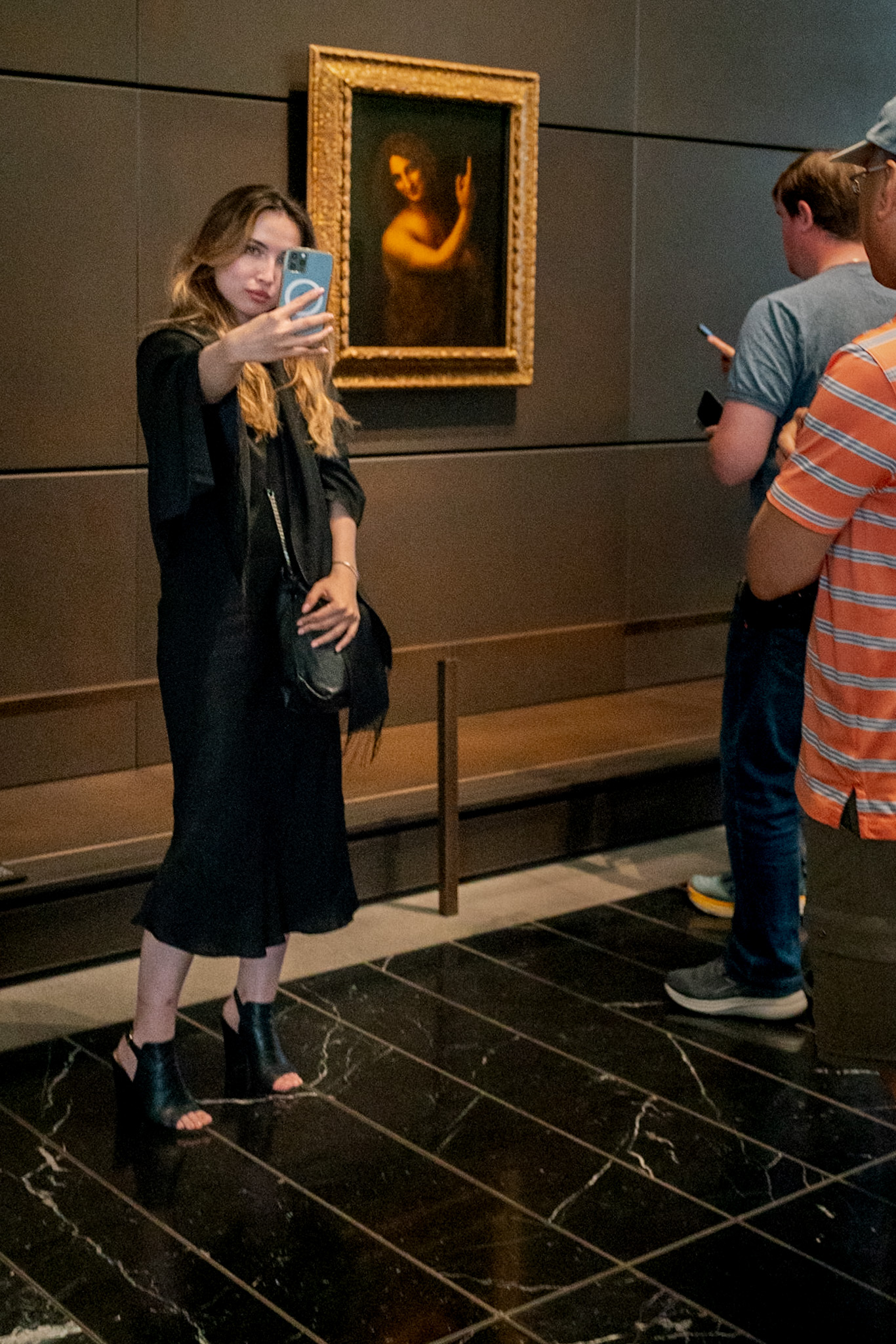
The restoration process that followed was nothing short of miraculous. Underneath layers of dirt, overpaint, and centuries of wear and tear, the true brilliance of the painting began to emerge. The meticulous restoration work unveiled the delicate rendering of Christ’s face, the crystalline orb in his hand, and the play of light and shadow that were characteristic of Leonardo’s genius.
Attributing Salvator Mundi to Leonardo da Vinci was not a straightforward matter. Art historians and experts engaged in heated debates over its authorship. While some believed it to be a genuine Leonardo, others remained skeptical. The painting’s remarkable similarity to the artist’s known works, such as the Mona Lisa, the intricate details, and the use of sfumato (a technique of blending colors and tones), added to the intrigue. In 2011, after extensive research and analysis, a group of art experts declared it to be the work of Leonardo da Vinci.
The controversy surrounding the painting did not deter potential buyers. In 2017, Salvator Mundi was put up for auction at Christie’s in New York. The bidding war that ensued was nothing short of astonishing. The painting eventually sold for a staggering $450.3 million, making it the most expensive artwork ever sold at auction. The buyer’s identity, shrouded in secrecy, added another layer of intrigue to the story.
After the record-breaking sale, Salvator Mundi seemed to vanish once again. Its whereabouts became unknown, sparking numerous rumors and speculations about its location. Some claimed that the painting was in the possession of MBS Saudi prince, and while originally planned for display in the Louvre Abu Dhabi, it may have been kept to boost the Saudi tourism initiatives that are planned in the very next future years. Its absence from the public eye only fueled the mystique surrounding the artwork.
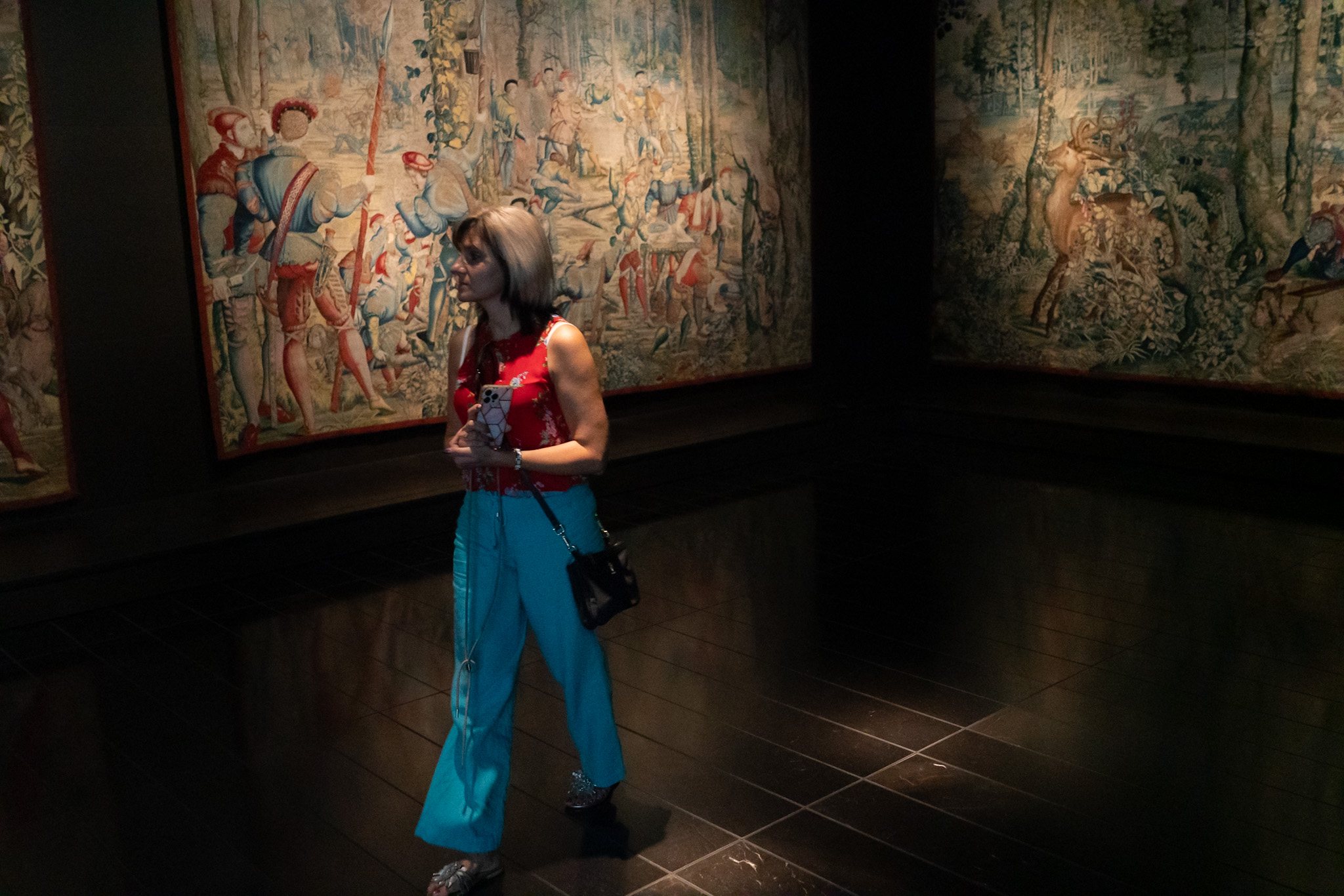
Photo? Was visiting Louvre once more a few days ago.
 the-quiet-report.com
Leave a comment