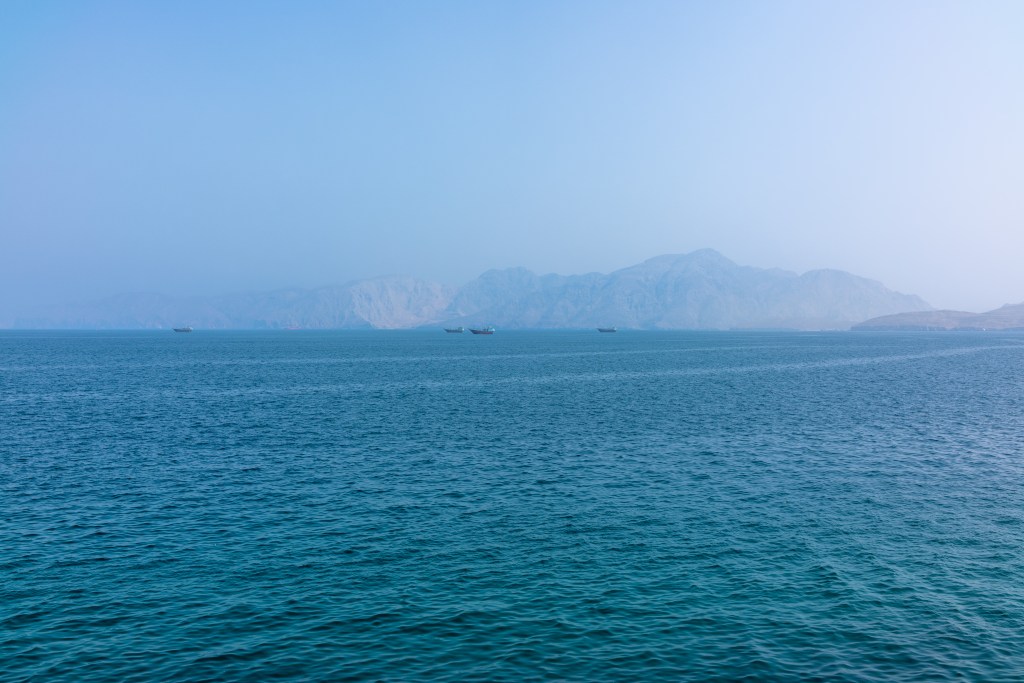
Khasab is a small typical town, nestled on the northern tip of the Arabian Peninsula, facing the Strait of Hormuz and Iran on the other side. It stands as the gateway to Oman’s Musandam Peninsula, but also as the watch point for the busiest piece of sea in the world, when it comes to oil transport.
Given all what is going on around the Middle East Countries, this may risk to become a pretty interesting spot, and guess what, I’m here right now, after having driven the amazing scenic road on the coast connecting with Ras Al Khaiman in the UAE.
Did not get a single speed fine, and that is a real surprise.
Khasab is the administrative center of the Musandam Governorate, a remote and rugged exclave of Oman, separated from the rest of the country by the United Arab Emirates. Its isolation has preserved the region’s pristine landscapes and unique charm, making it a must-visit destination for travelers seeking an authentic Arabian experience.
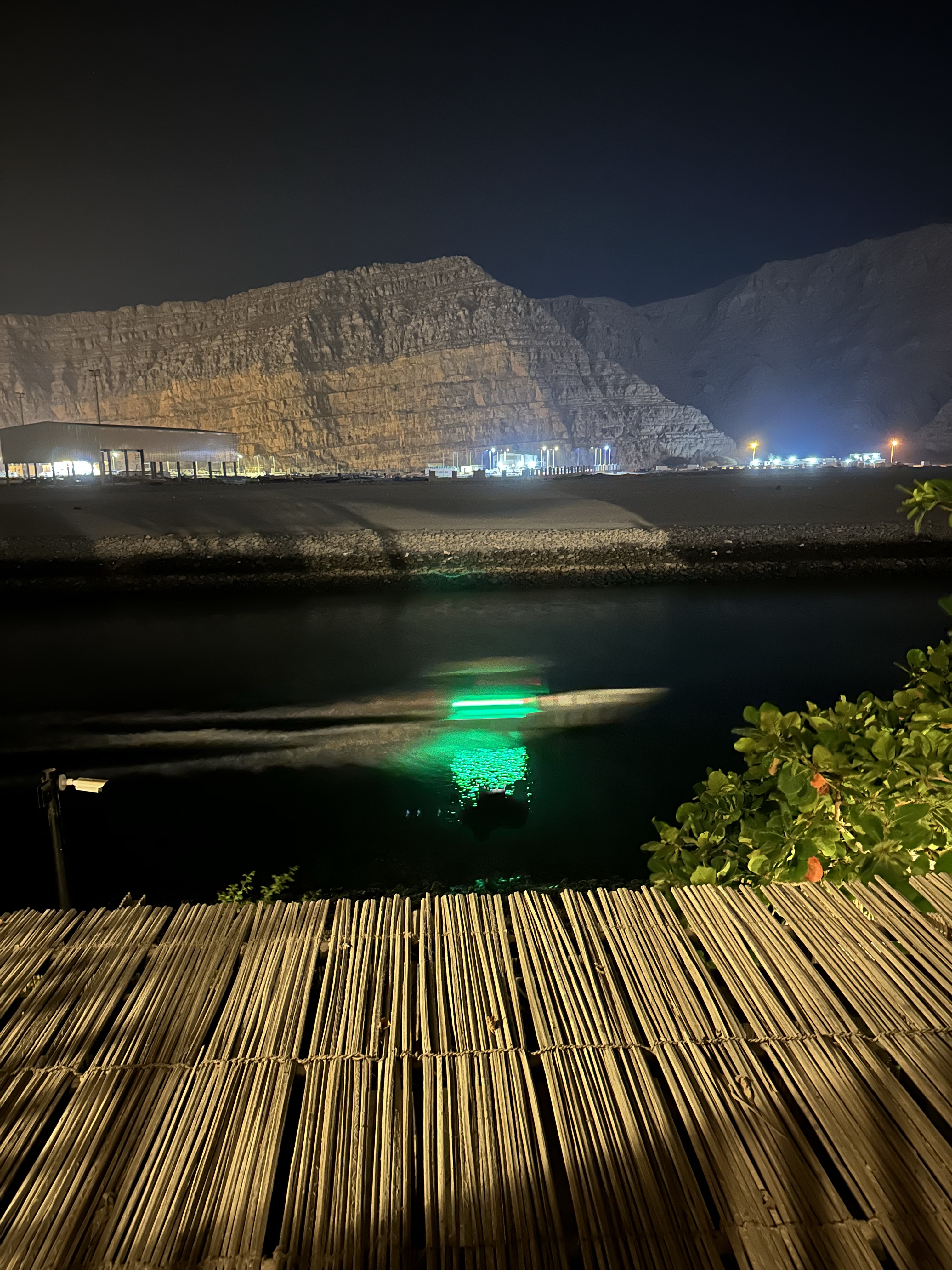
The most striking feature of Khasab and the Musandam Peninsula is its dramatic geography. Towering limestone cliffs rise majestically from the turquoise waters of the Strait of Hormuz, creating a fjord-like coastline that has earned Musandam the nickname “Norway of Arabia.” This natural beauty is best explored by taking a dhow cruise along the jagged coastline, allowing visitors to witness the spectacular cliffs, hidden coves, and marine life that inhabit these waters.
Apart from its natural beauty, Khasab is also steeped in history. The Khasab Castle, also known as the Khasab Fort, is a prominent historical landmark. Built by the Portuguese in the 17th century, it stands as a testament to the town’s strategic importance in maritime trade. The fort’s architecture is an intriguing blend of Portuguese and Omani styles, and it houses a museum that provides insights into the region’s history, showcasing artifacts, weaponry, and traditional items.
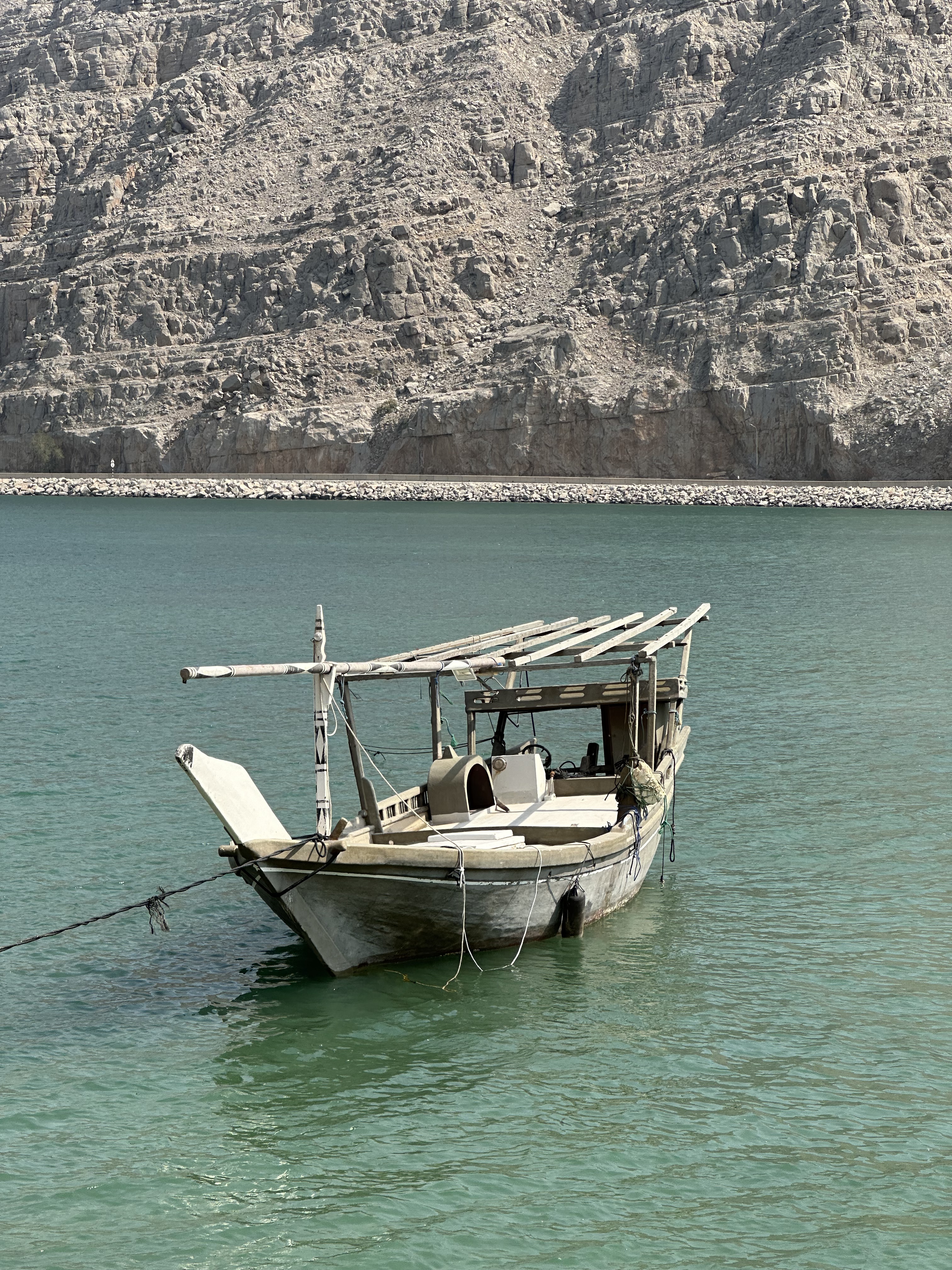
Khasab’s cultural richness is another draw for travelers. The town is inhabited by a mix of Arab, Persian, and Baluchi communities, each contributing to its vibrant culture. There is a bit of interest with the local Souq, where you can purchase grocery, and locally crafted goods, including intricately designed pottery, handwoven rugs, and exquisite silver jewelry. The fusion of these cultural elements creates a unique atmosphere that reflects Oman’s diversity, in a peaceful sensation.
The cuisine in Khasab is an adventure in itself, as the town offers a variety of traditional Omani dishes, showcasing the flavors of the Arabian Peninsula. Freshly caught seafood is a staple, prepared with aromatic spices, rice, and an array of herbs. The traditional Omani coffee, known as “kahwa,” is a must-try, usually accompanied by dates as a sign of warm hospitality.
The crystal-clear waters teem with marine life, and snorkeling or scuba diving in the rich coral reefs is an unforgettable experience. Dolphins and even the elusive humpback whales are known to frequent the waters around Musandam, offering incredible opportunities for wildlife enthusiasts.

 the-quiet-report.com
Leave a comment