My first memories of Genoa are linked to my early childhood: the apartment in Pegli, the tiny alleyways of the Old City, accompanied by my father’s hand, the glass of milk with a piece of focaccia, the glass smoothed by the sea collected on the beach, aunt Brunilde who sewed up my teddy bear.
Returning to this wonderful city, a unique mix of people, cultures and stories flavored with the scent of basil, returning to Genoa is always special, every time. It’s even nice to listen to the “mugugno”, the classic, stoic complaint of those who were born here and have always lived here, and have developed the attitude of always crying about misery and difficulties, even though life has been quite generous.
The “new” Genoese people are more optimistic. Those who left their country behind, to seek a future in the shadow of the lantern, and today are shopkeepers, delivery boys, fishwives, bartenders, riders. Humanity that merges into integration, a melting pot that this sea port has always promoted in practice.
The traces of history here envelop you, like a plate of trofie (the local, topical tiny pasta) with pesto.
The origins of Genoa date back to when it was founded as a small settlement by the Ligurians, a pre-Roman civilization, around the 4th century BC. Its strategic position on the Ligurian Sea contributed to its early development as a commercial port. The Romans recognized its importance and incorporated it into their empire in the 2nd century BC, giving it the name “Portus Genua”.
During Roman times, Genoa thrived as a vital maritime hub, facilitating trade across the Mediterranean. However, with the decline of the Roman Empire, the city, like much of Europe, experienced a period of instability and invasions. It was subsequently ruled by various factions, including the Lombards and Byzantines, before becoming part of the Holy Roman Empire in the 10th century.
The Middle Ages marked a significant turning point in the history of Genoa. The city-state emerged as a powerful maritime republic in the 12th century, gaining considerable autonomy from imperial rule. The Genoese developed an extensive trade network, dominating the Mediterranean and establishing colonies in places such as Corsica and Sardinia.
Their influence also reached Constantinople, where they established trading posts: when I lived in Istanbul, walking up to the Galata Tower, always brought me back home in a certain sense, reminding me of the Genoese Colony founded there in 1267 if I’m not mistaken.
People of navigators, and traders this. Genoa’s naval prowess was highly developed during the Crusades, as its ships played a vital role in transporting knights and supplies to the Holy Land. This period also saw the rise of important Genoese families, such as the Doria and the Spinola, who controlled the city’s politics and accumulated great wealth.
The city’s prosperity continued into the Renaissance, marked by the construction of splendid palaces and public buildings. The Palazzi dei Rolli, now a World Heritage Site recognized by UNESCO, are a wonder to visit, believe me.
At the end of the 15th century, Genoa fell under French and Spanish rule, which led to a decline in its power and influence. The city experienced a series of struggles and revolts before finally becoming part of the Kingdom of Sardinia in the 19th century, as Italy was moving towards unification.
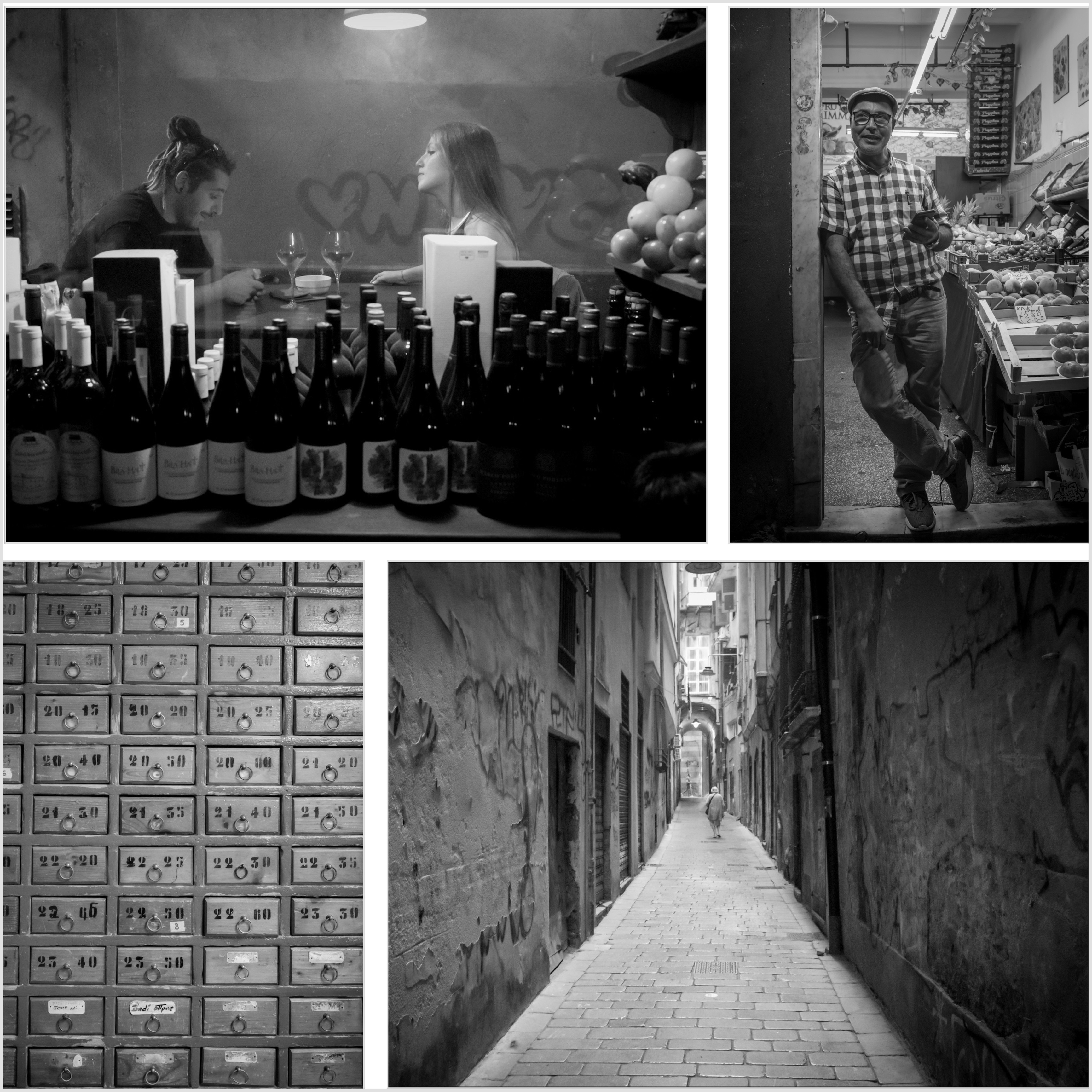
Walking in the Caruggi, the medieval maze of streets of the historical City center, is always an experience of life and friendship.
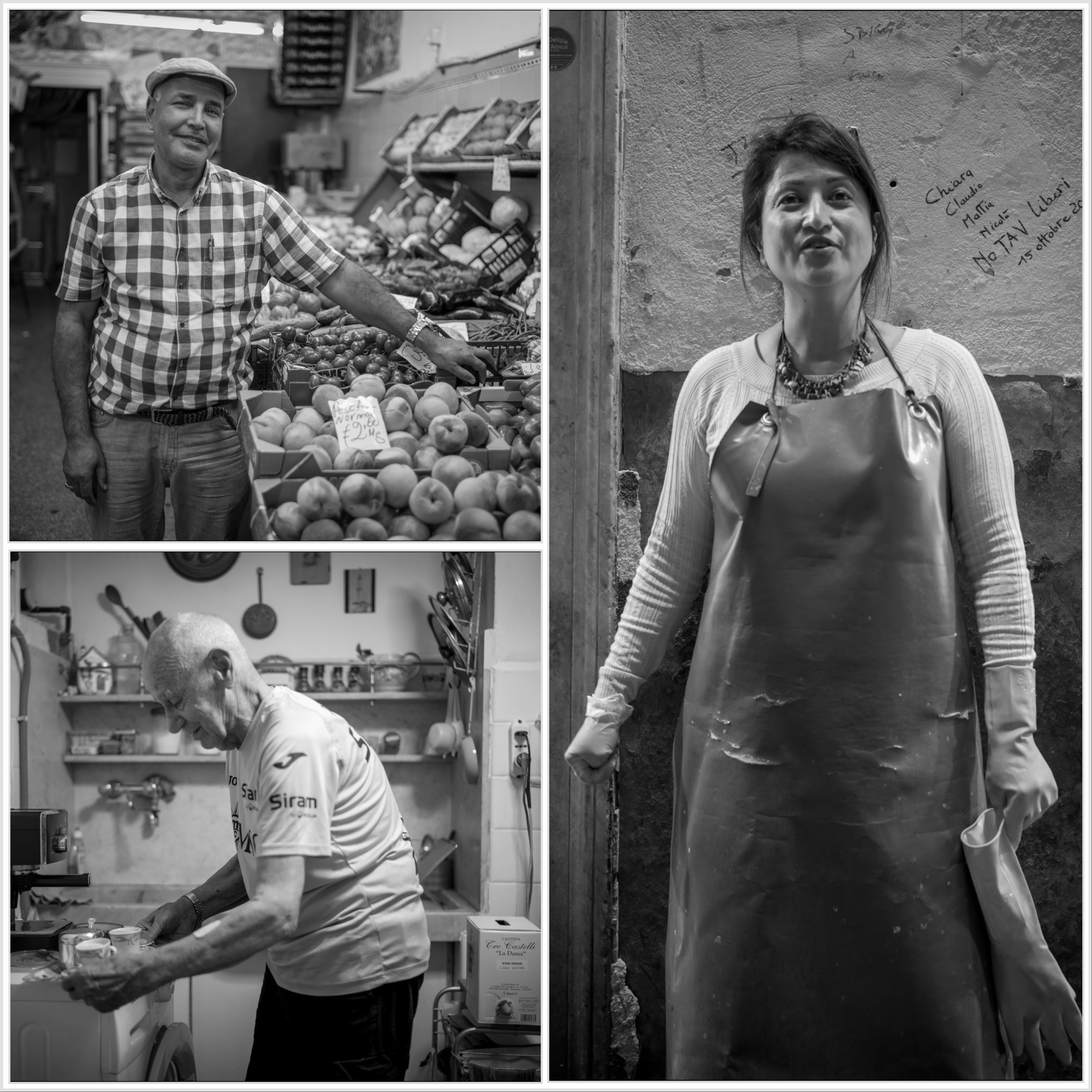
I leave home, entering a few meters away Caffarena, a historic hardware store from when “fixing things” was not yet called “do-it-yourself” or “bricolage”. A screw drags with it a coffee, a cigarette and a chat. Then I see Monica smiling at me among her anchovies, prawns and swordfish slices, in the fishmonger on the corner of Via Canneto.
A few hundred meters and I find Mohamed, who arrived here with his family from Morocco: today he has his own fruit and vegetable shop. We greet each other ritually in Arabic, and then he hugs me, choosing for me one by one a few crunchy courgettes, ripe peaches and persimmons. He adds a lemon as a gift, because that’s how we do it here.
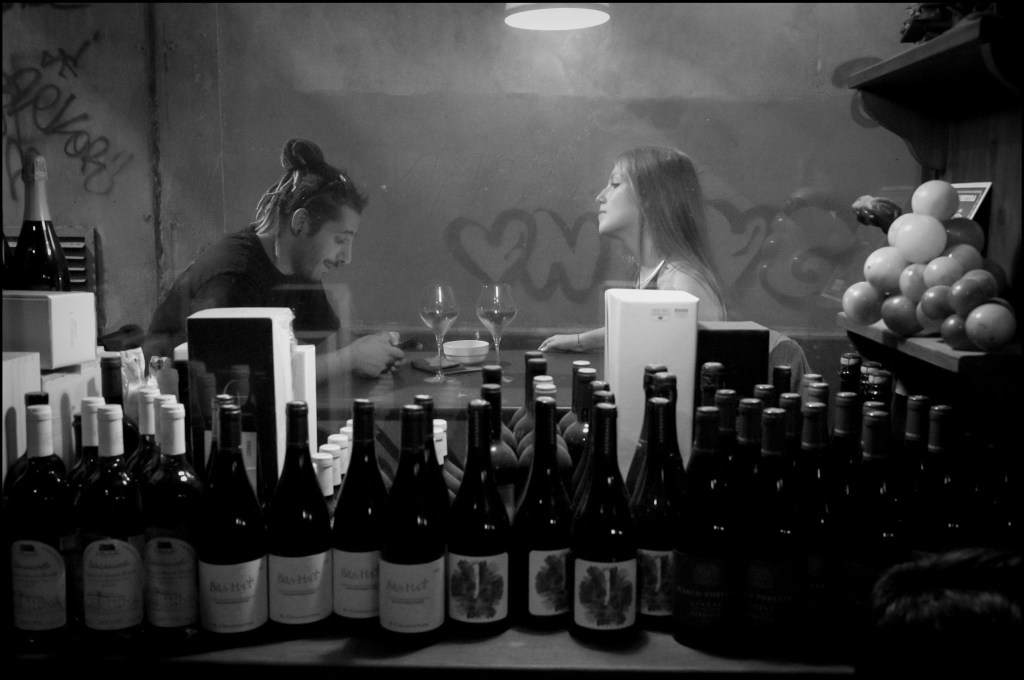
I bump into Danilo, who from the Matteotti Cellars offers drinks to those thirsty for wine, catalyzing a microcosm around his good bottles: I promise to stop by for a glass, and he smiles at me, knowing that he won’t be just one.
I meet Nicola: grocer, cyclist and photographer, not necessarily in the same order, who moves between legumes, Marseille soaps and sweets from another era.
Then I go to visit, beyond Brignole and next to Bisagno, Sergio and Renata, part of my father’s family, which numbered 10 brothers and sisters. Age has not taken away their spirit, humour, sweetness and smile that have accompanied them for 90 years, over 65 of which spent together, and they still sleep in the bed they built when they got married, recovering boards from doors and windows.
Genoa, Zêna, a piece of life.
 the-quiet-report.com
Leave a comment