Starting a new project, “Discovering Oltrepò”, let me first share, as an introduction, some thousands years of history in a few lines. Oltrepò Pavese, nestled in the Lombardy region’s southernmost part, is a picturesque landscape of undulating hills and lush vineyards. While its natural beauty is undeniable, the true essence of Oltrepò Pavese lies in its rich history, which weaves a narrative of diverse influences, agricultural prowess, and an enduring legacy.
The earliest traces of human habitation in Oltrepò Pavese date back to prehistoric times, with archaeological findings suggesting the presence of Celtic and Ligurian tribes. The Romans, drawn by the region’s fertile lands and strategic location, soon established their dominance. Their influence is evident in the region’s viticulture, which began to flourish under Roman stewardship. The ancient Via Emilia, a significant Roman road, also passed through this region, further emphasizing its importance during the Roman era.
Post the fall of the Roman Empire, Oltrepò Pavese experienced a period of turbulence. Subjected to numerous invasions, including those by the Goths, Lombards, and Franks, the region’s cultural fabric underwent significant transformation. Yet, amidst the chaos, the medieval period saw the rise of fortified towns, castles, and monasteries, which became centers of learning, commerce, and governance.
The Renaissance brought a period of relative peace and prosperity. Oltrepò Pavese, under the influence of powerful families like the Visconti and Sforza, began to experience a cultural and economic renaissance. The arts, literature, and sciences thrived, with the region becoming a hub for thinkers, artists, and merchants.
Oltrepò Pavese’s undulating terrain proved ideal for viticulture. The tradition of winemaking, which began in Roman times, evolved over centuries. The region is particularly renowned for its sparkling wines “metodo classico” and the indigenous grape variety, Croatina. The commitment to wine production has not only driven the region’s economy but also shaped its cultural and social practices.
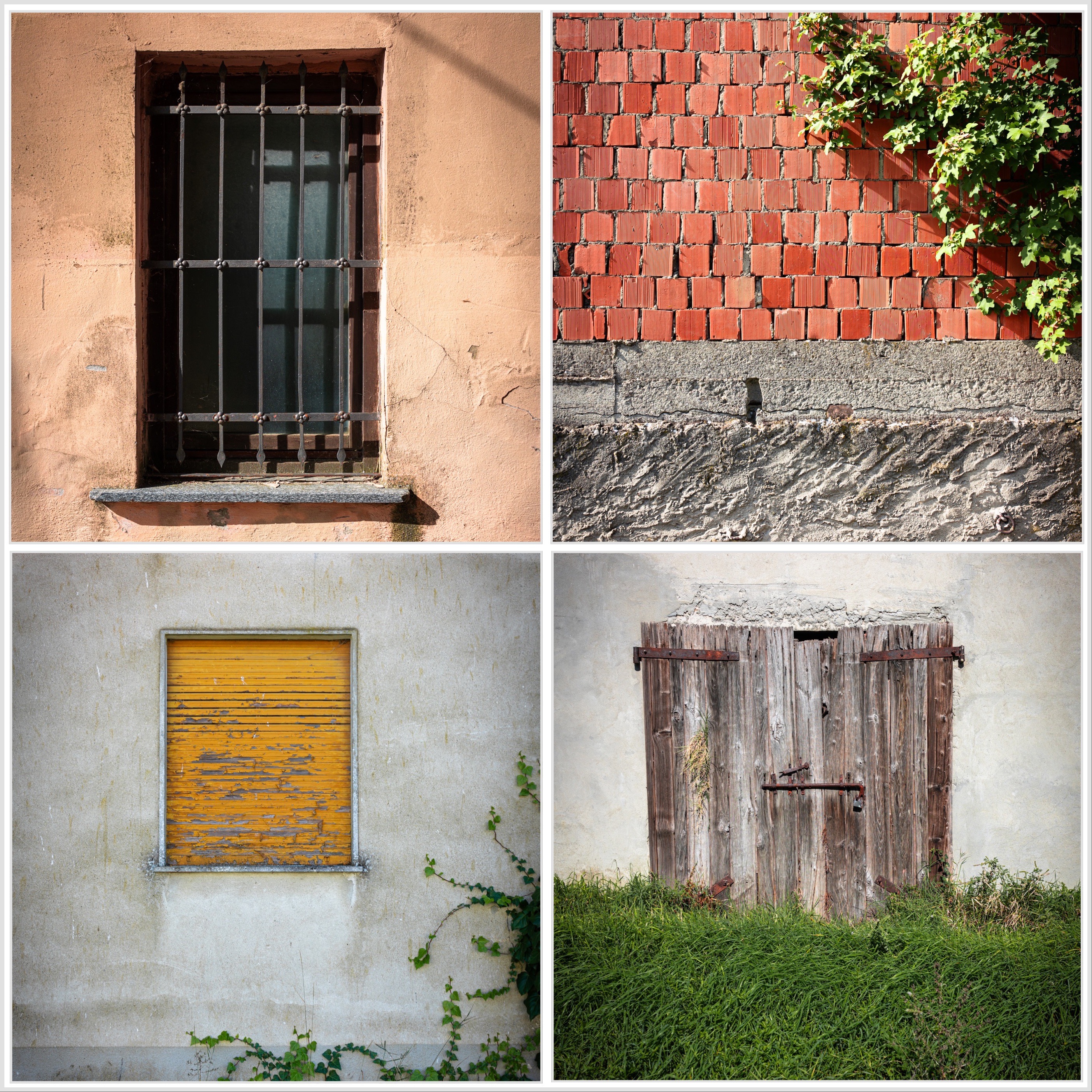
The modern era brought its own set of challenges. World wars, economic downturns, and changing political landscapes influenced Oltrepò Pavese. The region saw a decline in its traditional agrarian practices, with many moving to urban centers in search of better opportunities.
However, the latter half of the 20th century saw a resurgence. Recognizing the historical and cultural value of Oltrepò Pavese, efforts were made to promote its unique wines, gastronomy, and heritage sites. Today, the region is not only a significant wine producer but also a sought-after tourist destination, celebrated for its authenticity and charm.
Oltrepò Pavese’s history is a rich tapestry that chronicles the ebb and flow of civilizations, the resilience of its people, and the enduring bond with the land. As one traverses the rolling hills or sips on the region’s exquisite wines, it’s impossible not to feel the weight of the centuries gone by and the spirit of a region that, despite challenges, has retained its unique identity.
One of the most telling features of Oltrepò Pavese’s rich history and culture can be seen in the walls of its houses.
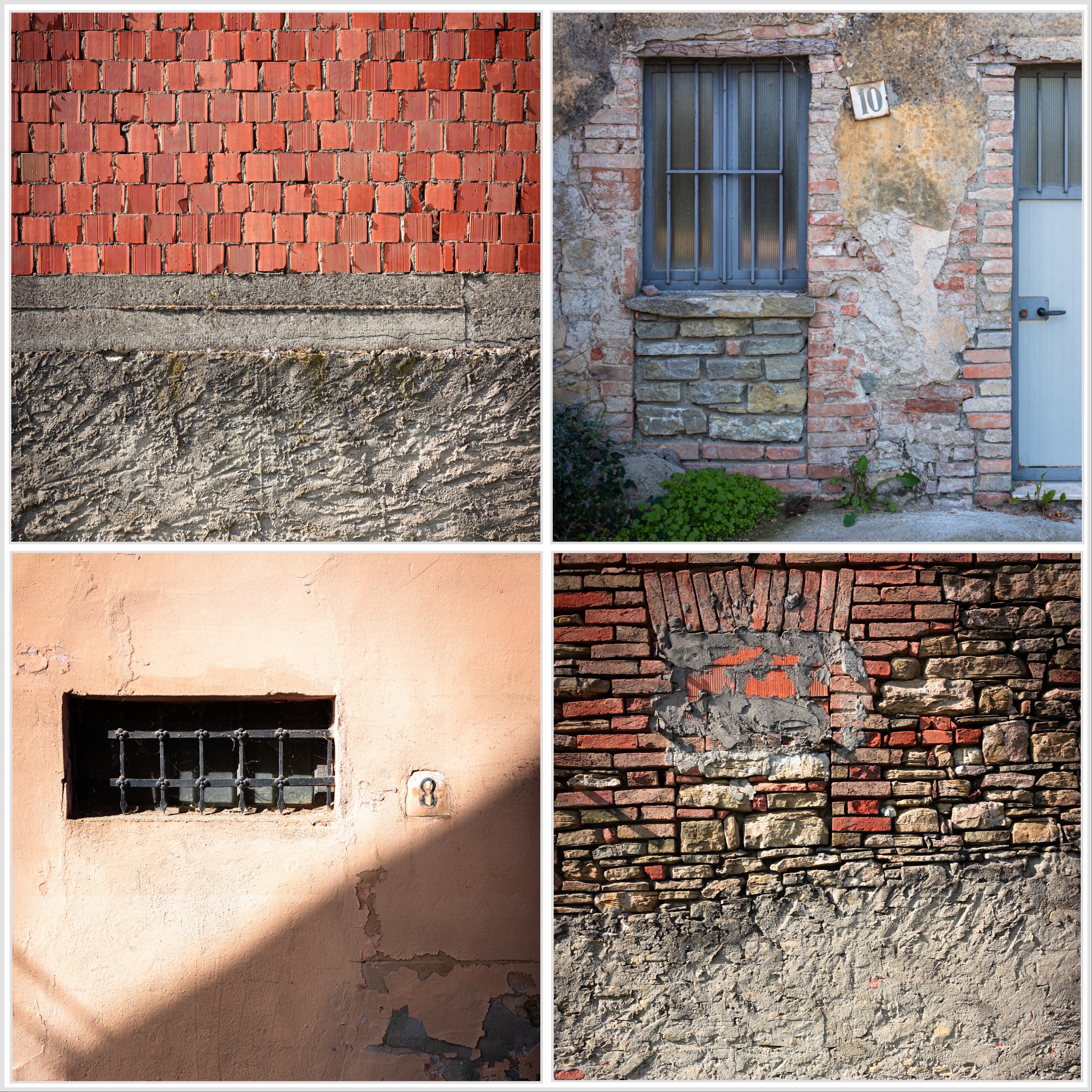
The walls of the houses stand as a testament to the craftsmanship of yore. Built with a combination of local stones, clay, and lime mortar, these walls not only provided a sturdy shelter but also reflected the materials readily available in the region. The stone, often in hues of gray, white, and brown, adds a unique character to each house, with no two looking exactly the same.
As one walks through the winding streets of Oltrepò Pavese’s villages, it’s hard not to notice the imprints of time on these walls. Weathered patches, moss-covered corners, and the occasional crack hint at stories of bygone eras. Some walls bear the marks of renovations or expansions, showing the evolution of architectural trends and the community’s growth over time.
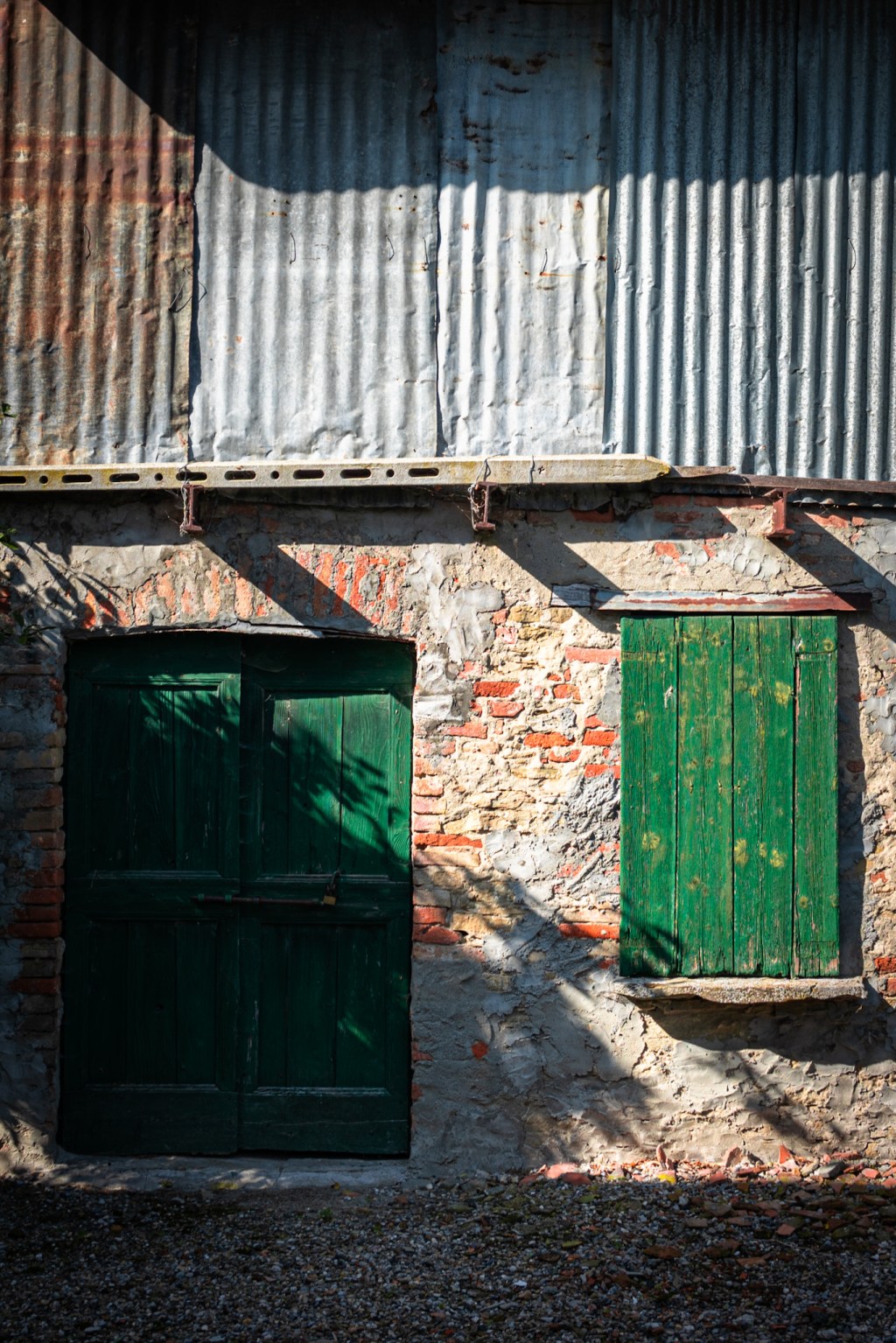
Walls are becoming abstract art.

 the-quiet-report.com
Leave a comment