Time to close my tour in Japan, and Ginza is the last stop (and the Sumo tournament experience is worth a separate post by itself),
Ginza is an upscale shopping and entertainment district in the heart of Tokyo. Its dazzling neon signs, luxury boutiques, and vibrant street life embody the perfect blend of tradition and contemporaneity. All is making it one of Tokyo’s must-visit destinations for the fashion fans and for those who want to adventure in the multitude of restaurants, bars and clubs here.
Historically, Ginza’s roots trace back to the Edo period when it was designated as a silver coin mint (‘Ginza’ translates to ‘silver mint’ in Japanese). After a devastating fire in the 1870s, the district was rebuilt with a Western architectural influence, on a pretty orthogonal map, turning it into a symbol of Japan’s rapid modernization. Today, its broad avenues, lined with modern architecture, stand in contrast to other parts of Tokyo, highlighting its unique character.
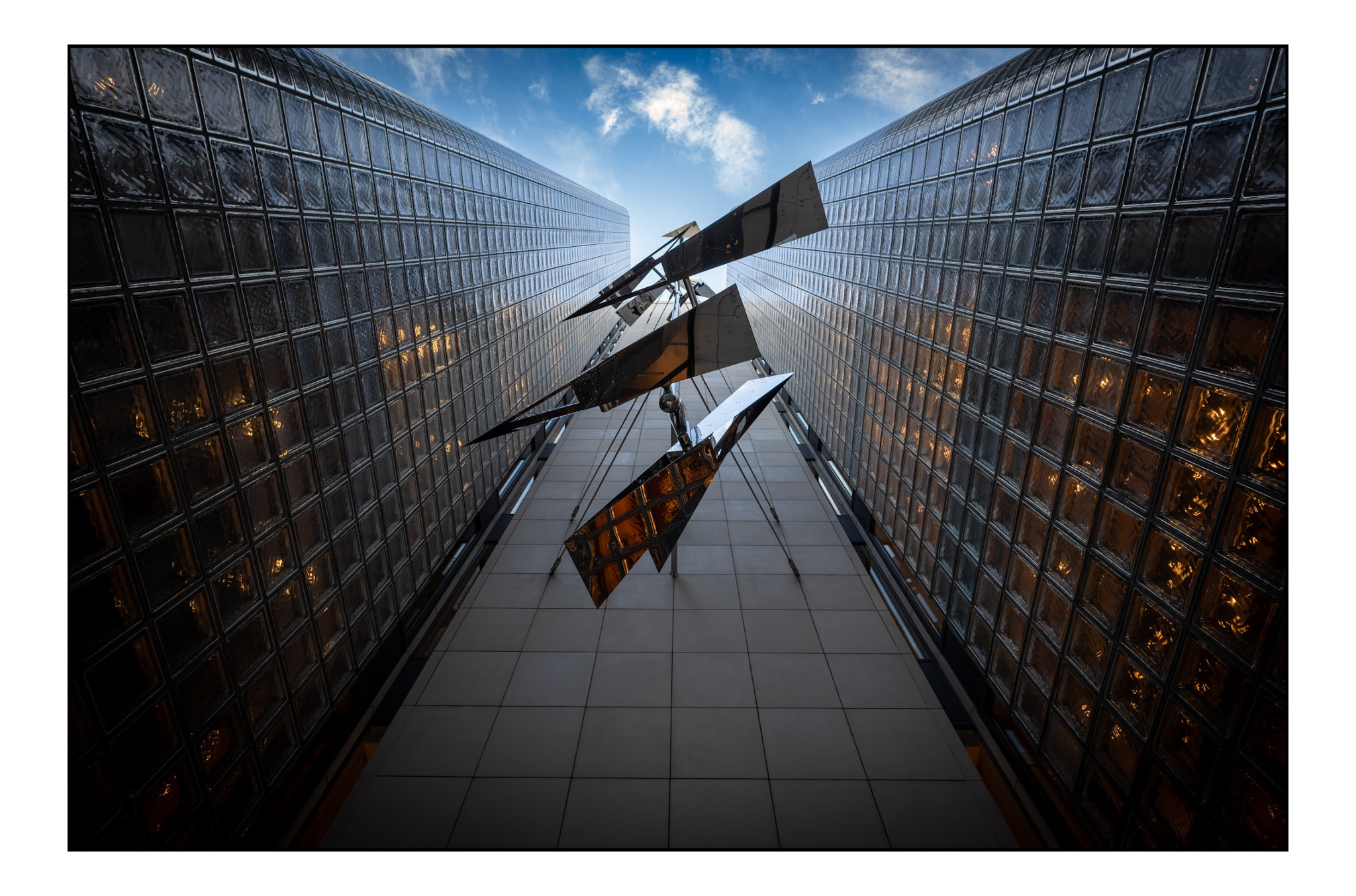
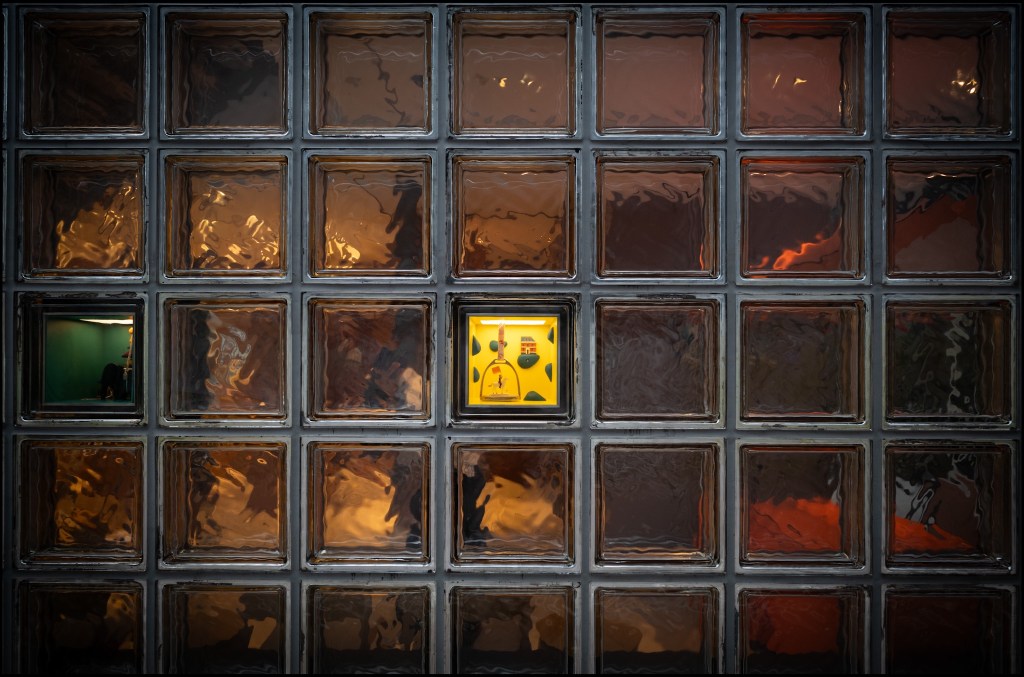
Must see is the Hermes building, designed by the Italian Architect Renzo piano, inspired by a traditional lantern design (and you can find a few shots of it below).


Global luxury brands like Louis Vuitton, Chanel, and Gucci and iconic Japanese department stores like Mitsukoshi and Matsuya, are marking this district offers, attracting queue of shoppers at any corner. Beyond the luxury labels, there are also plenty of smaller boutiques that showcase avant-garde Japanese designs and craftsmanship. For those interested in horology, Ginza is home to numerous watch boutiques showcasing the best of both Swiss and Japanese watchmaking.
Ginza is not just about shopping. Its culinary scene is equally impressive. From the elegant sushi bars and traditional Japanese kaiseki restaurants to the diverse range of international cuisines, there’s something for every palate. Notably, the district is home to multiple Michelin-starred restaurants, making it a gastronomic paradise, even at a reasonable cost: I had an excellent yakitori dinner for less than $30, Asahi beer included.
The district is also exposing cultural richness, with the Kabuki-za Theatre, the premier venue for kabuki – a traditional form of Japanese theater known for its dramatic performances, elaborate makeup, and exquisite costumes.


As night falls, Ginza metamorphoses into a luminous spectacle. Neon lights from billboards and digital displays light up the district, providing a visual treat. The district’s bars, ranging from modern cocktail lounges to traditional Japanese izakayas, come alive, offering the perfect setting for an evening out in Tokyo.


 the-quiet-report.com
Leave a comment