Tokyo is always a surprise:a sprawling metropolis brimming with innovation and futuristic appeal, it still remains rooted deeply in tradition, culture, and history. One of its iconic landmarks, which marries the past and the present, is the Tsukiji Outer Market. While the inner wholesale fish market moved to Toyosu in 2018, the Tsukiji Outer Market remains an essential stop for both tourists and locals food lovers.
Nestled in the bustling district of Chuo, the Market offers an authentic experience. The vibrant maze of narrow lanes is lined with more than 400 shops and stalls, each boasting its own unique charm. This market’s age-old legacy began as an adjunct to the legendary Tsukiji fish market, the largest in the world for many decades. Today, it has become a standalone attraction that represents Tokyo’s rich gastronomic culture.
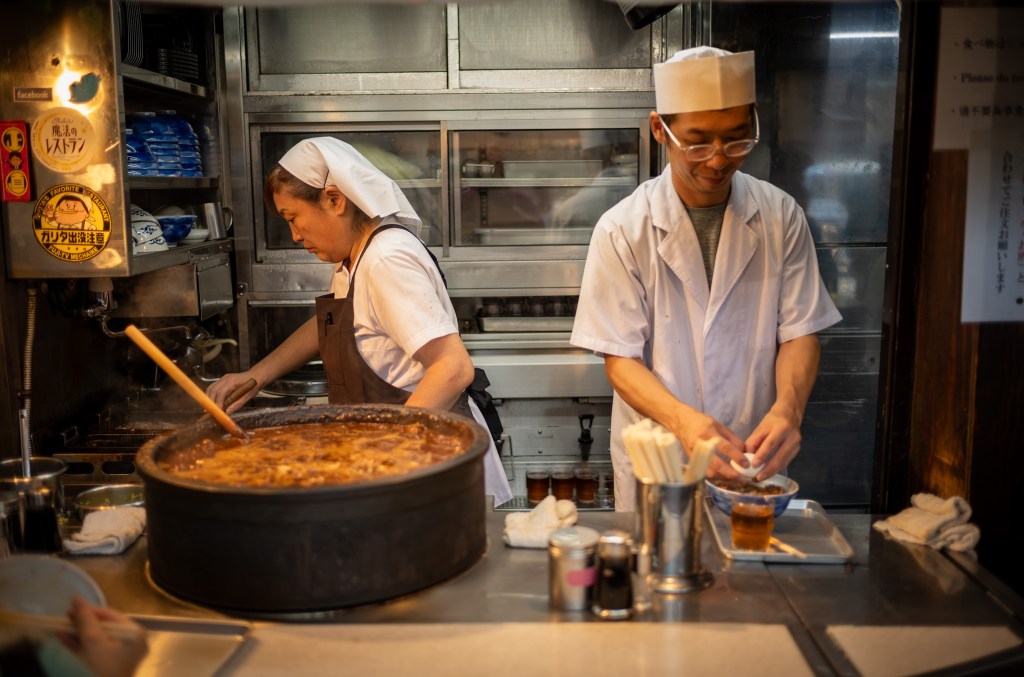
At Tsukiji, one can experience the sights, sounds, and flavors of traditional Japan. Visitors are immediately struck by the tantalizing aroma of freshly prepared foods wafting through the air. From grilled seafood skewers and tamagoyaki (a sweet, layered omelette) to matcha ice cream and mochi, the market is a paradise for food enthusiasts. Many vendors offer samples, allowing you to taste your way through the market.
Sushi and sashimi here are worth a long pilgrimage. The seafood offerings, the market’s original claim to fame, are unparalleled. From sashimi-grade tuna to delicate sea urchins and massive fresh oysters, seafood lovers are in for a treat. Numerous sushi counters dot the area, where master sushi chefs deftly prepare bite-sized morsels of heaven. It’s not just seafood; the market also offers a range of other products including fresh produce, dried goods, seaweeds, and kitchenware.
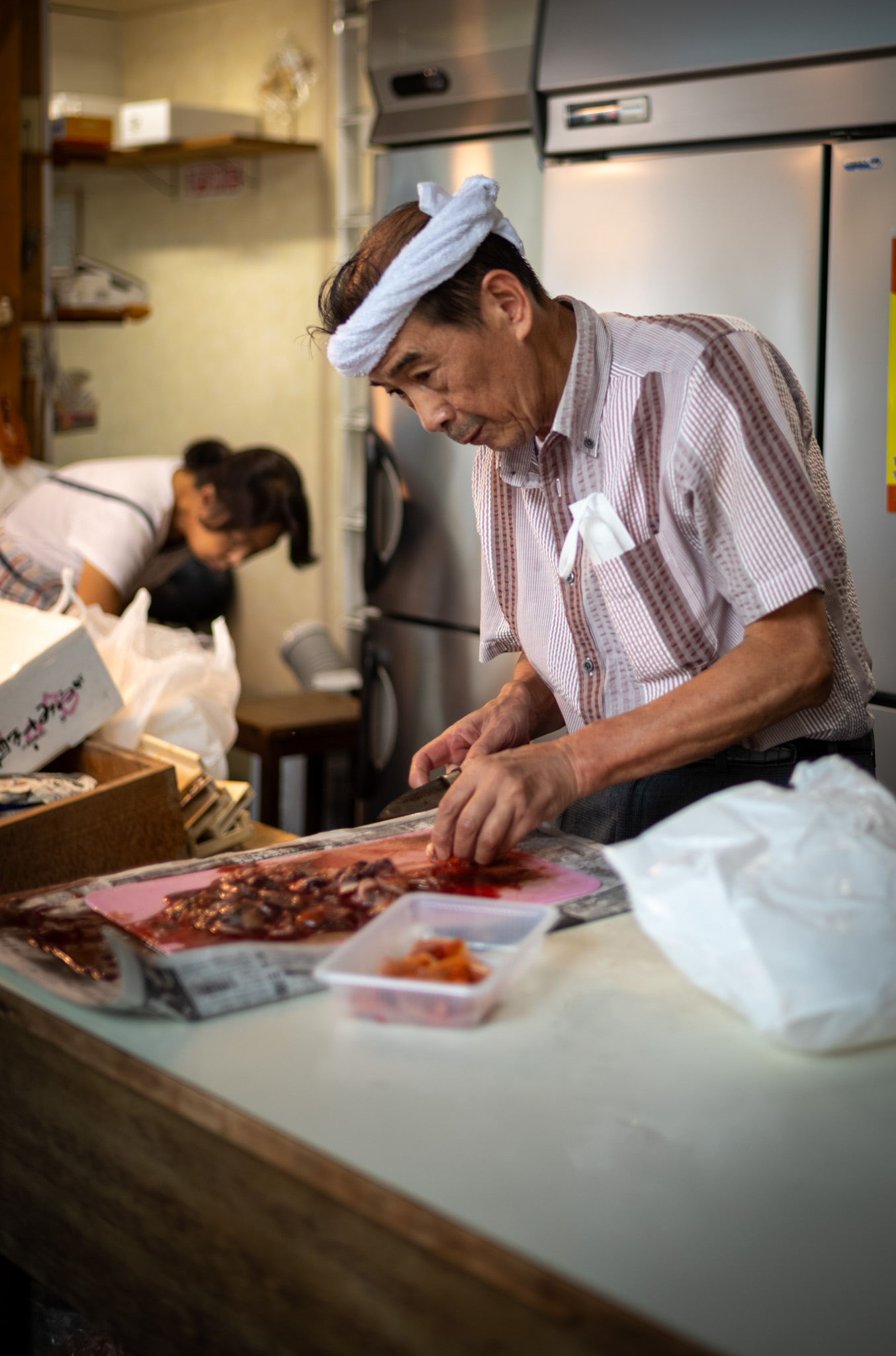
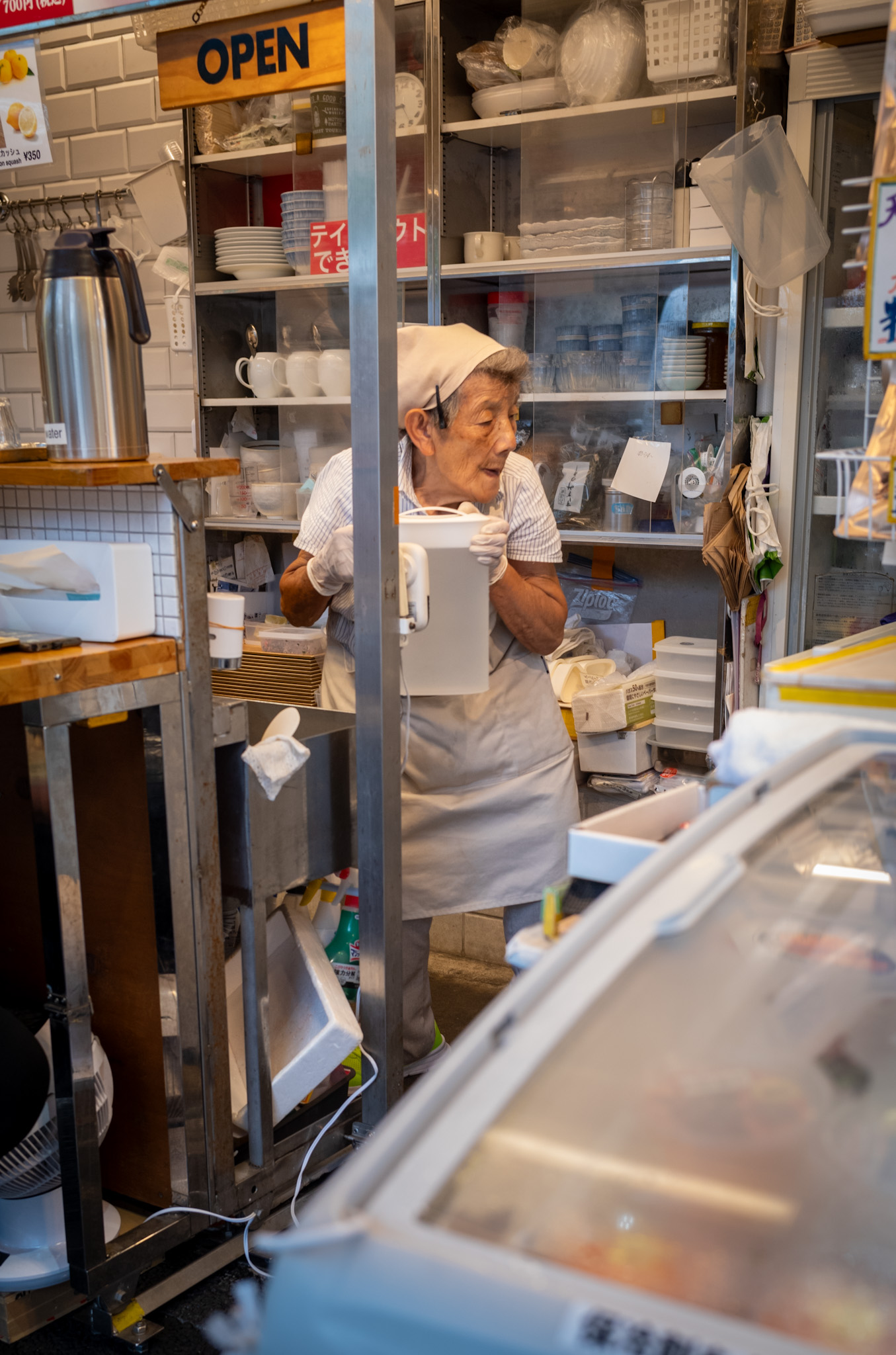
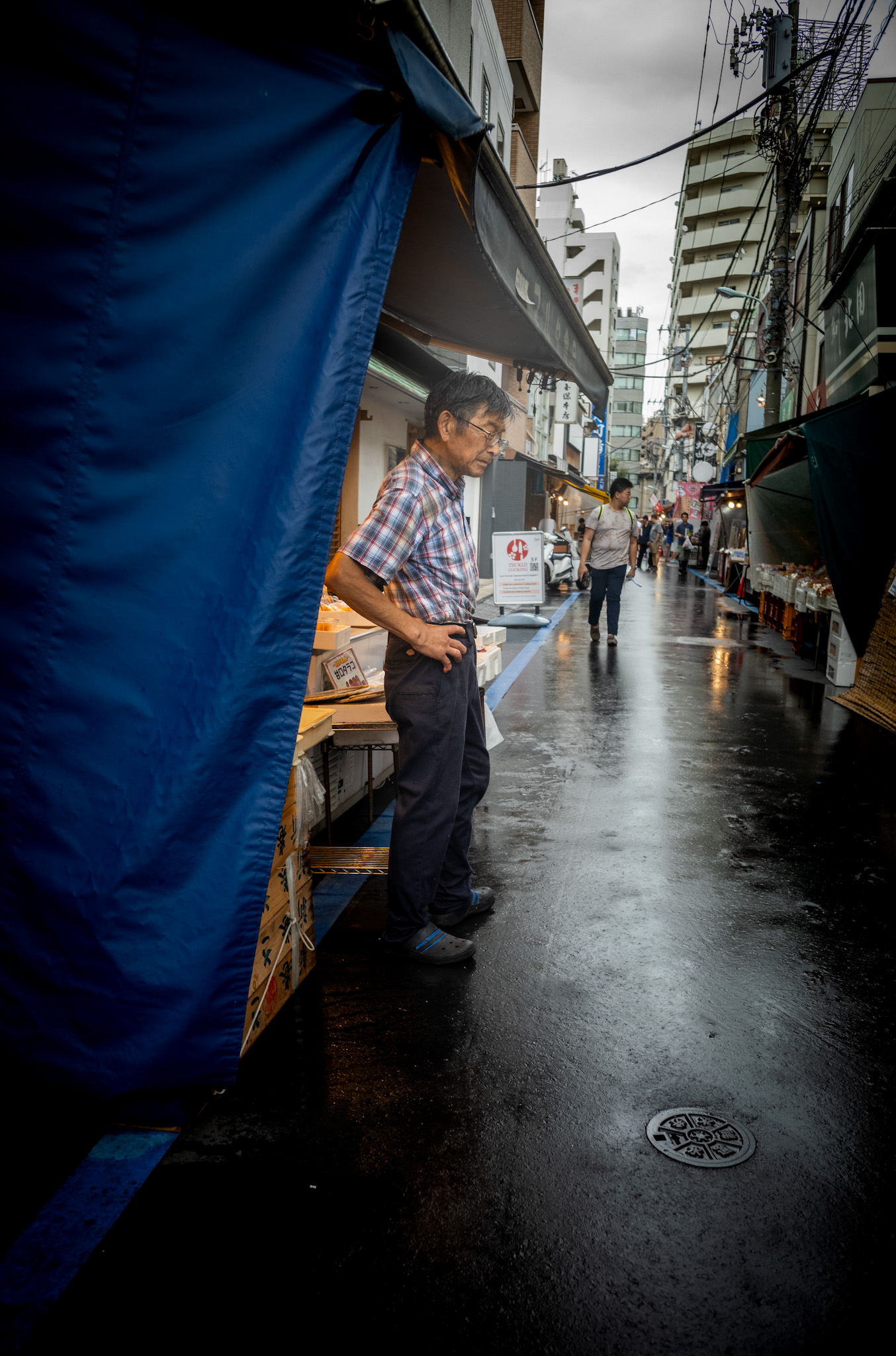
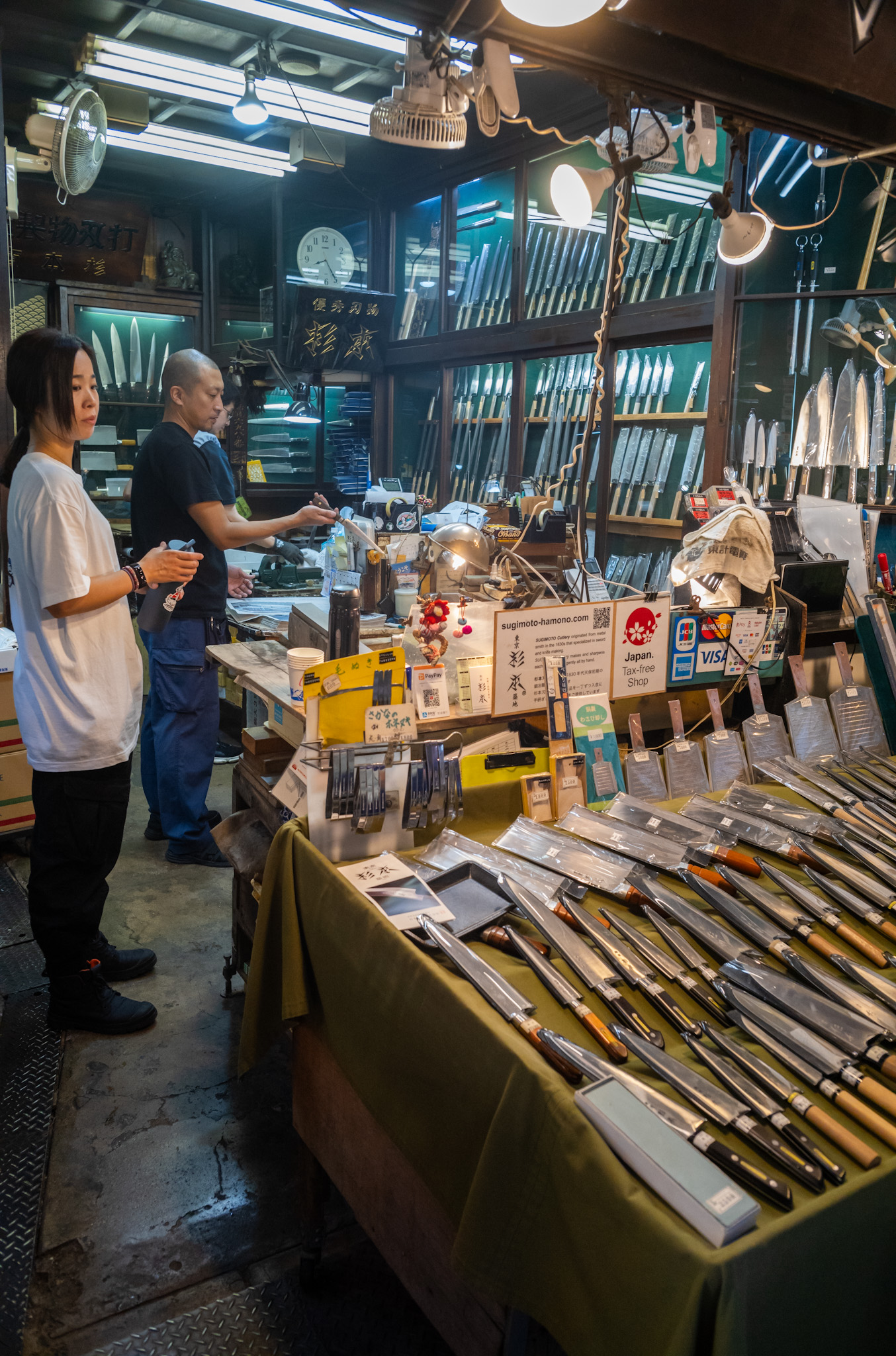
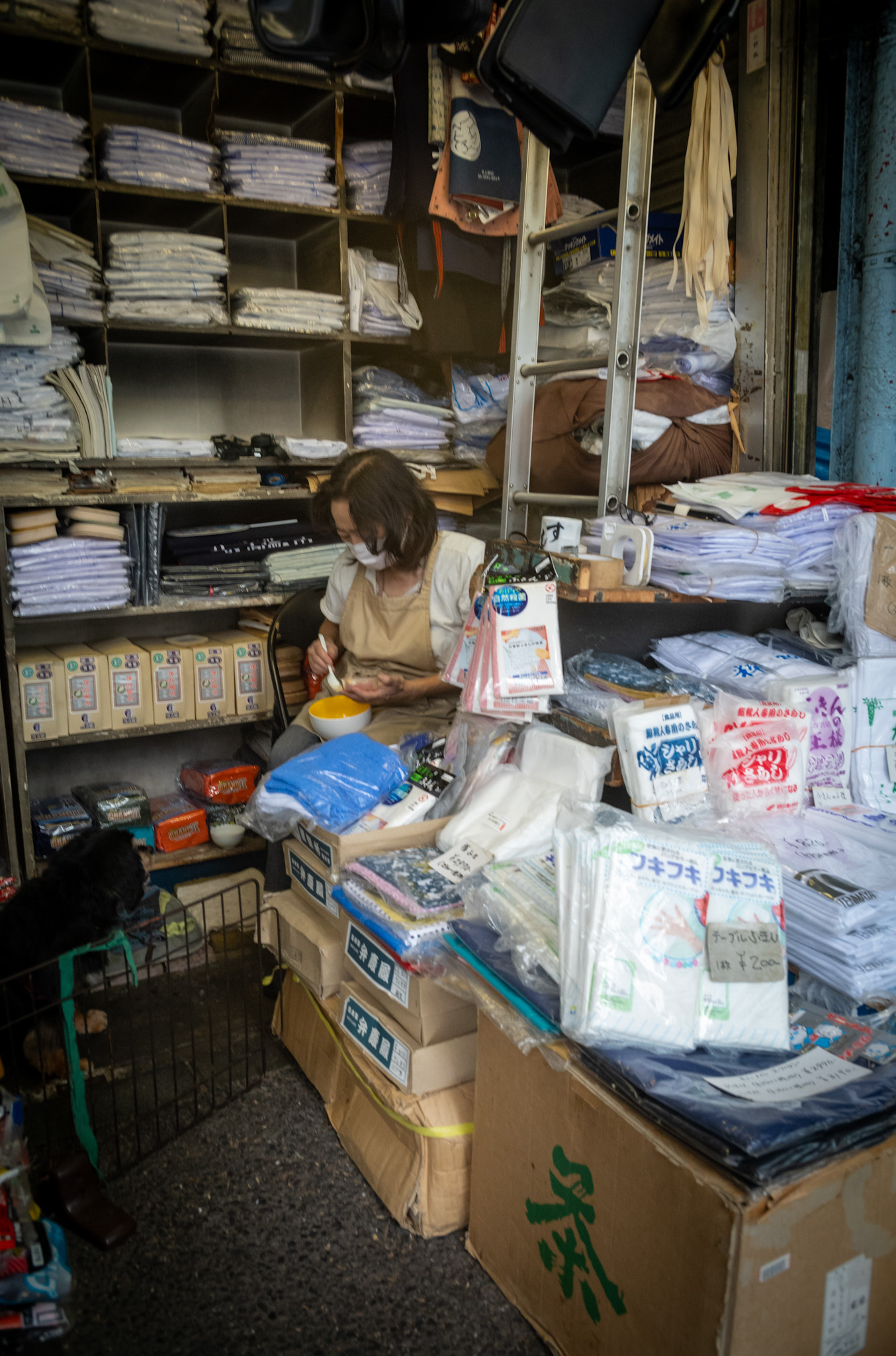
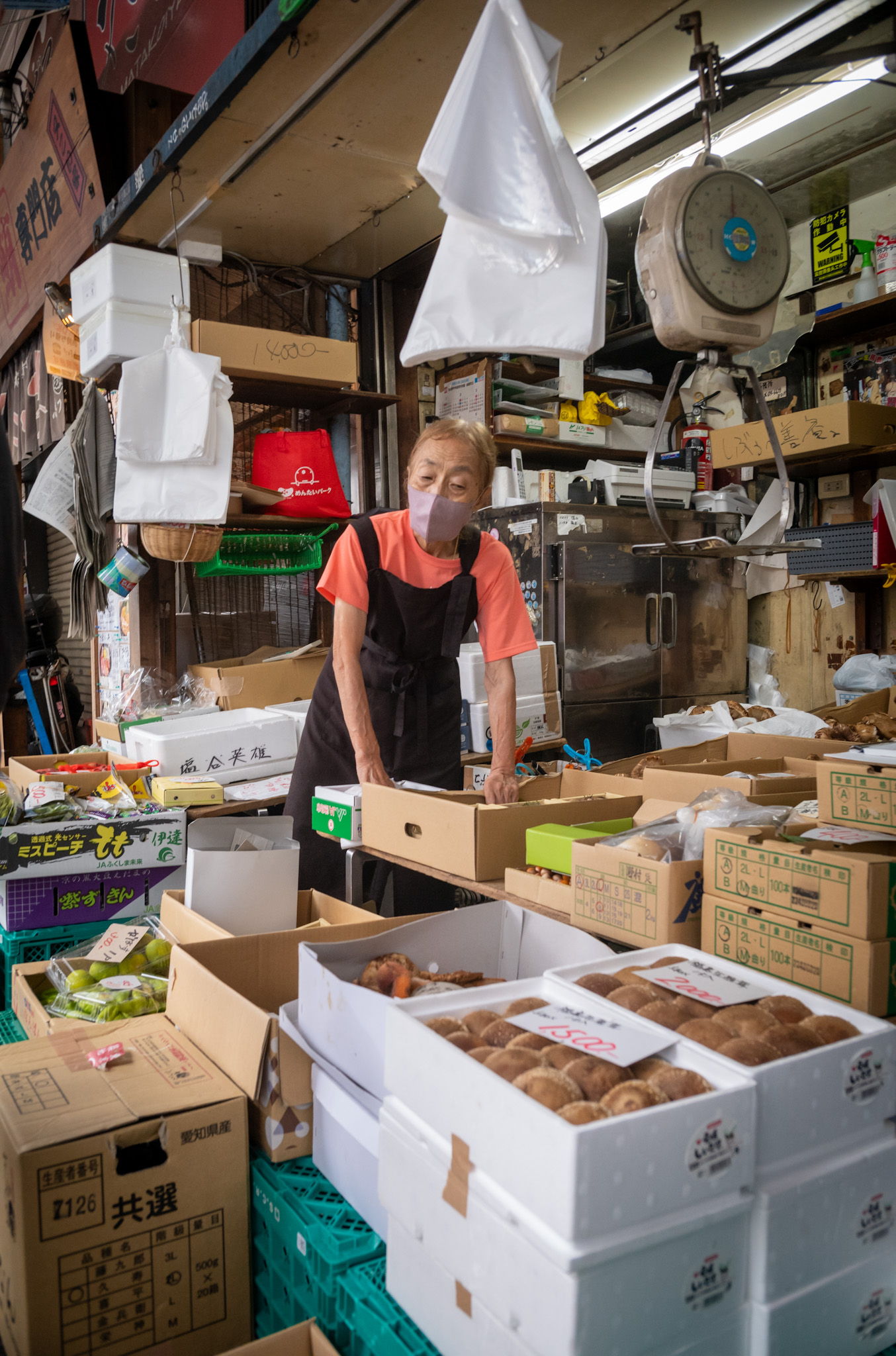
Beyond food, Tsukiji is a cultural immersion. The market pulses with an energy that speaks to its history, a testament to the resilience and dedication of the vendors who have been plying their trade for generations. As you wander the alleys, don’t be surprised if you come across historic temples tucked amidst the commercial hustle. The Namiyoke Inari Shrine, for instance, has stood as a guardian of the market, providing blessings for smooth business operations.
Let’s get a bit of its history.
The area where today we can see the food stalls was reclaimed during the Edo period, by the Tokugawa shogunate after the Great fire of Meireki, in 1657. Tsukiji means “constructed land” or “reclaimed land”, but the original fish market was yet located elsewhere, next to the Nihonbashi bridge, originally close enough to cater the Edo Castle.
Jumping 250 years ahead, and following the protest against food shortages that broke during 1918, the Japanese Government created new rules and institutions for the distribution of food, establishing a Central Wholesale Market Law in early 1923.
The Great Kantō earthquake on 1 September 1923 devastated much of central Tokyo, including the Nihonbashi fish market. The Tokyo government, which already had plans to relocate the market due to its unsanitary conditions considered unsuitable for an area that had developed into a business center, then took the opportunity to move the market to the Tsukiji district.
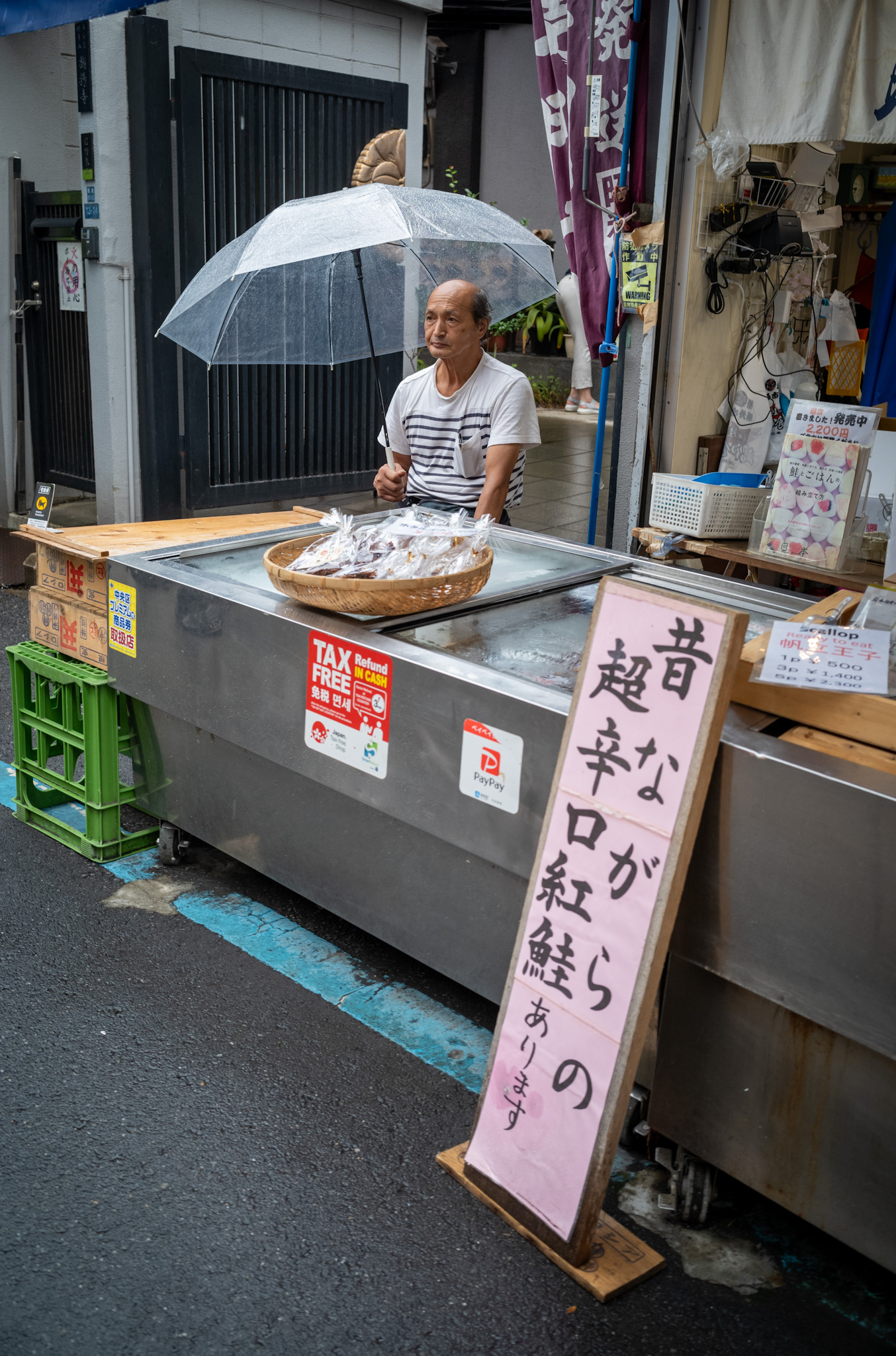
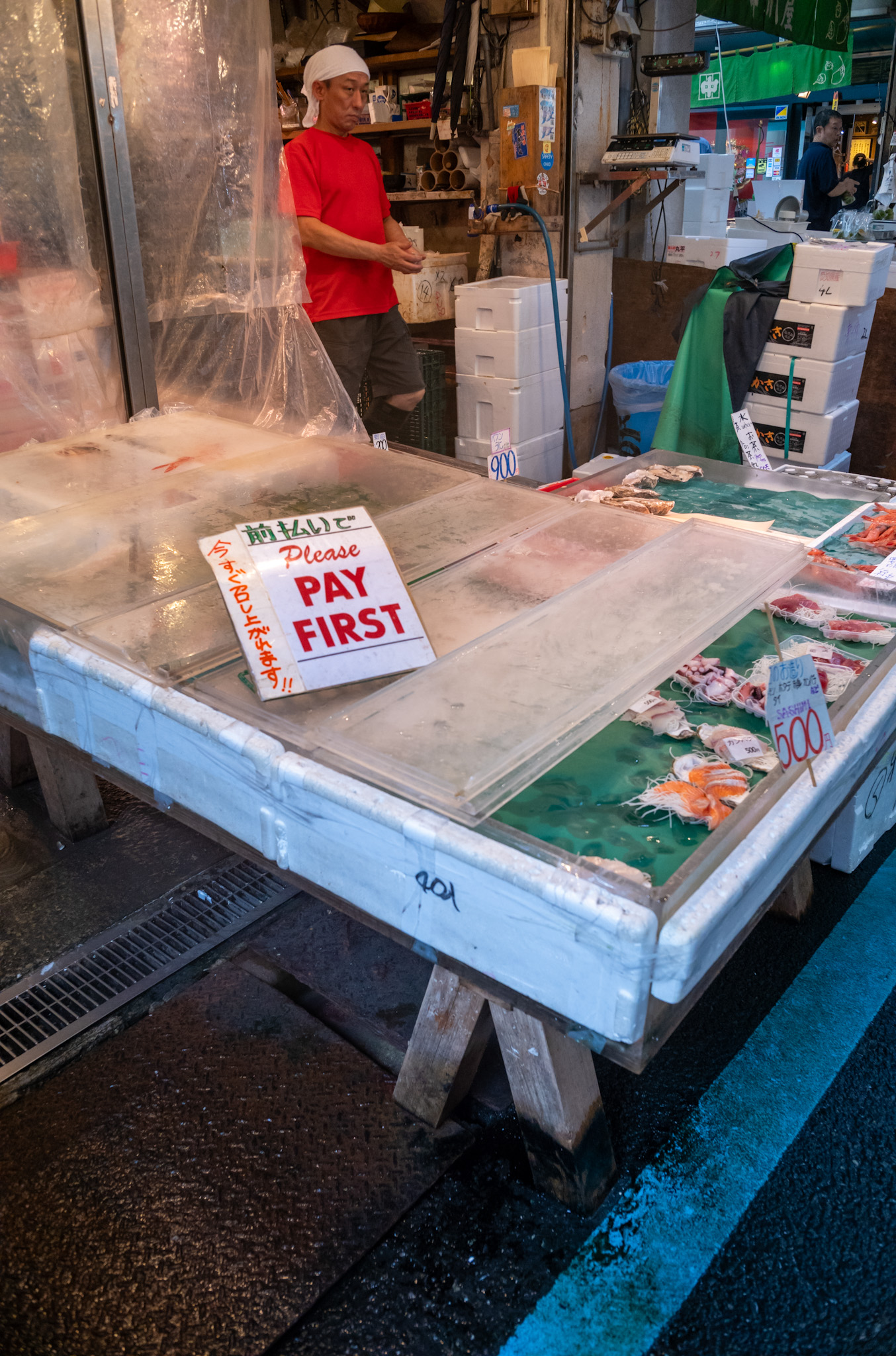
Tsukiji was officially opened on February 11, 1935, and the same day, the Tōkyō-Shijō station started operations. It was one of the three markets (Tsukiji, Kanda and Koto) to start operations as Tokyo Metropolitan Government’s system of Central Wholesale Markets.
Tsukiji market closed on 6 October 2018, and activities were moved to Toyosu, living anyway an evitate of over 400 food stalls that are still absolutely worth paying a visit.

 the-quiet-report.com
Leave a comment