Haiku is The Essence of Japanese Poetry.
The world of poetry offers a vast expanse of styles, each representing unique cultural, historical, and aesthetic traditions. Among these, the Japanese haiku stands out as a minimalist yet profound form, capturing the essence of a moment in just three lines. Delving into the world of haiku, one encounters the harmony of nature, the fleetingness of existence, and the deep-seated Japanese appreciation for transience.
The haiku has its roots in the earlier collaborative linked-verse poetry called “renga.” By the 17th century, the initial stanza of the renga, called “hokku,” began to be appreciated as a standalone poetic form. This hokku eventually evolved into what is now known as the haiku. Classically, a haiku comprises 17 syllables, divided into three lines of 5, 7, and 5 syllables respectively: well, actually we should count the onji, the graphical symbols of the Japanese alphabet, but I’m trying to make it easier for us!
This structure, though simple, is demanding, challenging poets to encapsulate profound observations within its tight confines. Central to the haiku is the theme of nature, directly of via even complex cultural references to animals of other phenomena. The poems often focus on the change of seasons, wildlife, and other natural phenomena.
This connection to nature is underlined by the use of “kigo” or season words. Kigo provides readers with a temporal context, grounding the poem in a particular time of year. Whether it’s the cherry blossoms of spring or the crimson leaves of autumn, the kigo adds depth and resonance to the haiku, linking the momentary observation to the cyclical nature of existence.
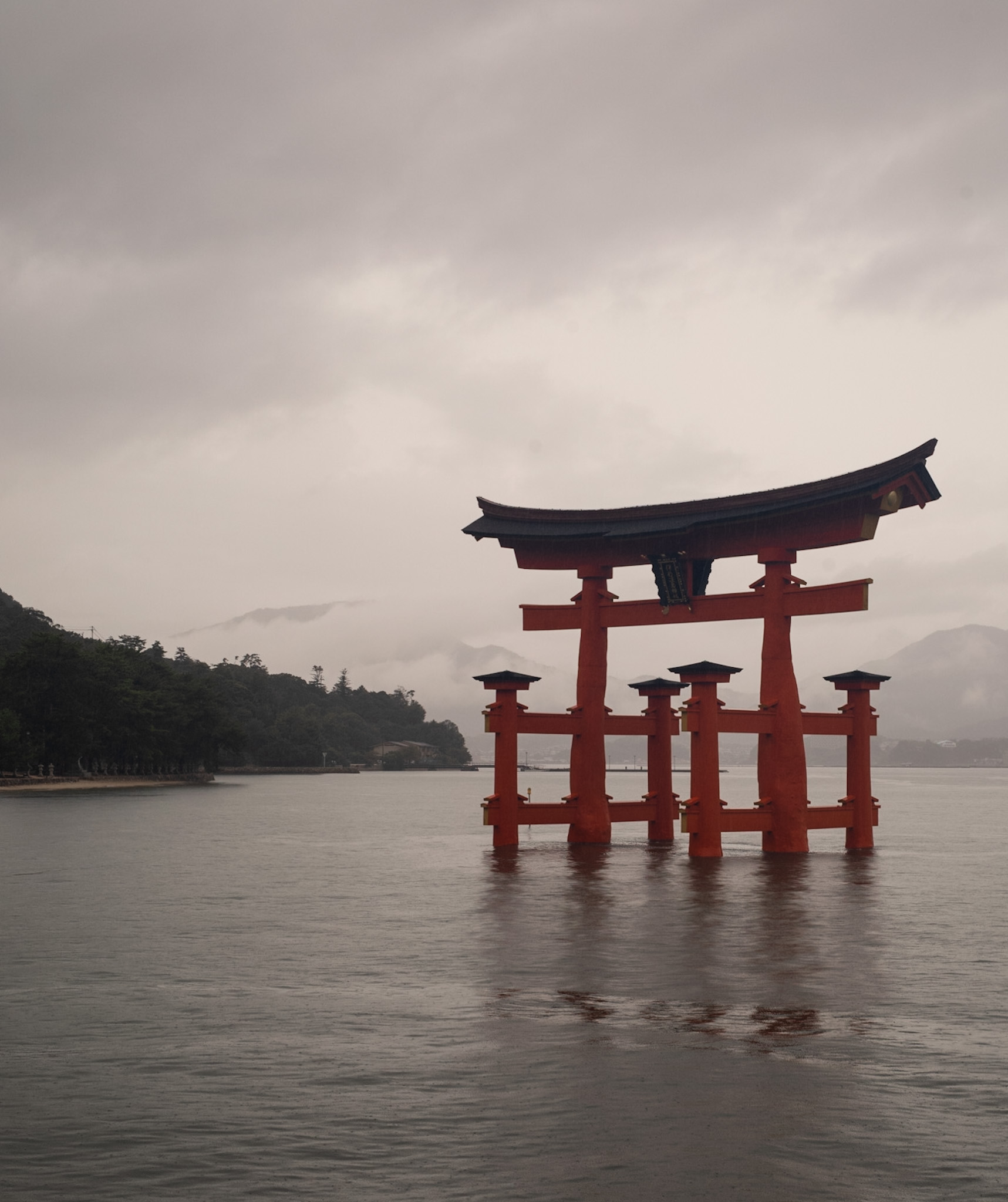
A hallmark of great haiku is the juxtaposition of two images or ideas, traditionally referred to as “kiru” (cutting). This can create a surprise or emotional impact. Matsuo Bashō, arguably the most famous haiku poet, was a master of this. His poems often present a stark image followed by an unexpected twist, leading the reader to a profound realization or an emotional response.
Inherent in the haiku is the Buddhist concept of impermanence. The fleeting observations, whether of a frog jumping into an old pond or the brief bloom of cherry blossoms, serve as metaphors for the transient nature of life. By focusing on such ephemeral moments, haiku poets emphasize the beauty and sadness of existence, urging readers to cherish each moment.
The haiku carries a weight far beyond its syllabic constraint. It’s a window into the Japanese psyche, a reflection of its deep relationship with nature, and a meditation on the impermanence of life. In today’s fast-paced world, the haiku offers a moment of pause, a brief encounter with the profound, and a reminder of the beauty in the seemingly mundane.
“The Old Pond” by Matsuo Bashō
An old silent pond
A frog jumps into the pond—
Splash! Silence again.
“A World of Dew” by Kobayashi Issa
A world of dew,
And within every dewdrop
A world of struggle.
“Lighting One Candle” by Yosa Buson
The light of a candle
Is transferred to another candle—
Spring twilight
“A Poppy Blooms” by Katsushika Hokusai
I write, erase, rewrite
Erase again, and then
A poppy blooms.
“Over the Wintry” by Natsume Sōseki
Over the wintry
Forest, winds howl in rage
With no leaves to blow.


 the-quiet-report.com
Leave a comment