Everyone who had been in Japan could have noticed the total absence of litter baskets in the cities. This is something, at the beginning, you find a bit frustrating, until you enter in the mindset of “bringing home your own rubbish”, and keep going as any other Japanese does.
There are a few reasons for this, quite unique, habit.
The first is security concerns, and dates back to over 30 years ago. In 1995, there was a terrorist attack on the Tokyo subway system in which sarin gas was released in multiple stations: this was conducted by adepts of the Aum Shinrinkyo cult. The attack led to the deaths of 13 people and injured over 6,000 others. In the aftermath of the attack, the Japanese government removed many public litter baskets as a security measure, to prevent terrorists from using them to conceal explosives or other weapons.
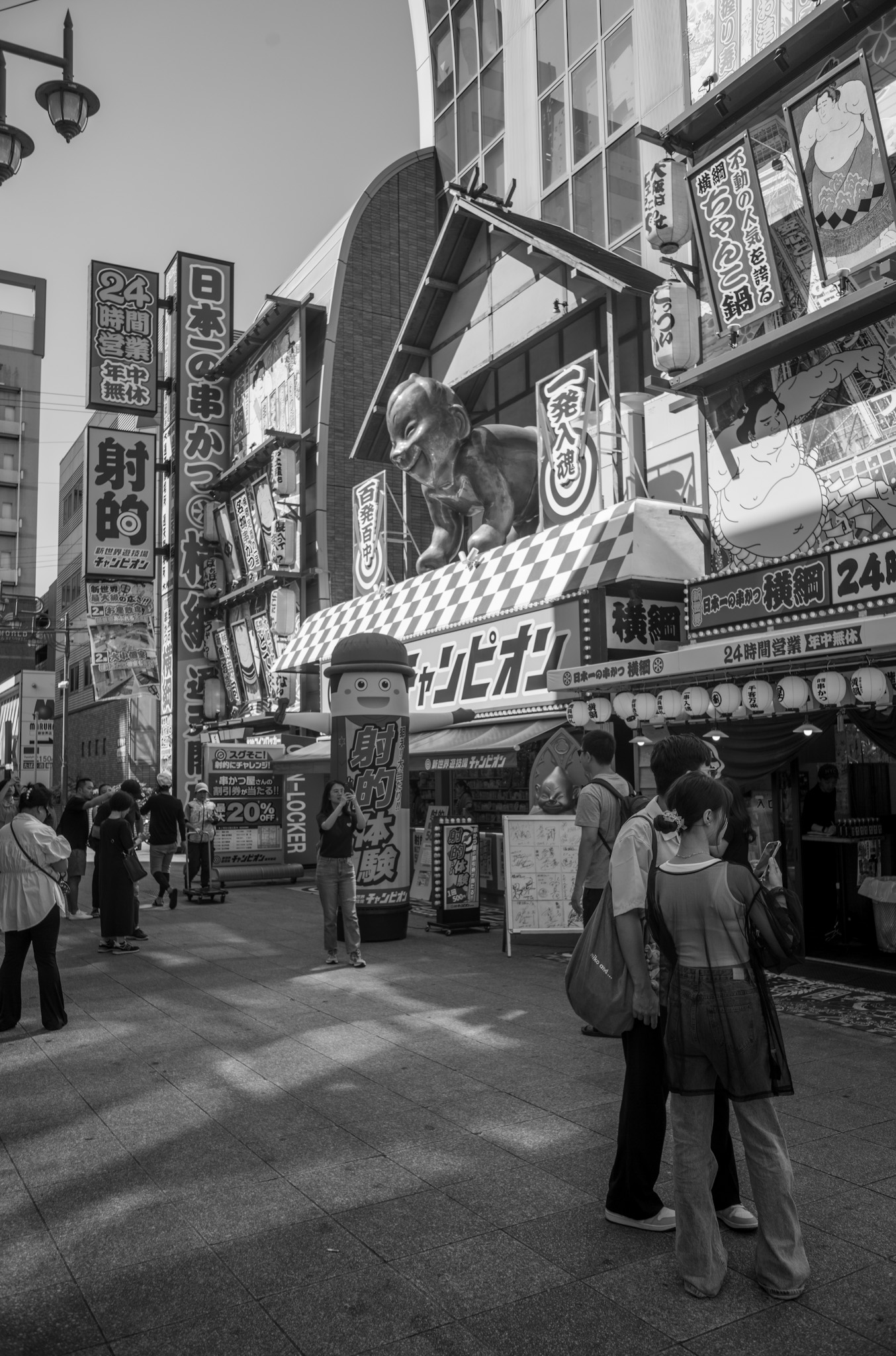
We also need to consider cultural facts. Japanese culture places a high value on social order and cleanliness. Littering is considered to be a rude and inconsiderate act, and most Japanese people take pride in keeping their public spaces clean. As a result, there is less need for public litter baskets in Japan.
Recycling culture is Japan has a very meticulous waste separation and recycling system. People are used to sorting their trash at home and might find it difficult to dispose of items properly in public bins. By not providing them, it ensures that trash is sorted correctly at its final destination.
Finally, even cost is a matter. Public litter collection and disposal can be expensive, especially in densely populated cities like Tokyo. By reducing the number of public litter baskets, the Japanese government can save money on waste management costs.

 the-quiet-report.com
Leave a comment