Fukuoka, situated on the northern shore of Japan’s Kyushu Island, stands as a testament to the harmonious blend of ancient traditions and contemporary innovations. As the island’s largest city, Fukuoka serves as a gateway to both the cultural riches of Japan’s past and the pulsating rhythm of its modern life.
Historically, Fukuoka’s strategic location near the Asian mainland has made it a significant port and trading hub. This advantageous position has resulted in a rich tapestry of cultural influences from China, Korea, and other parts of Asia. The remnants of this storied past can be found in sites such as the Fukuoka Castle ruins, which whisper tales of samurai and ancient warfare. The city is also home to some of the country’s oldest temples, like the Kushida Shrine, which hosts the annual Hakata Gion Yamakasa festival, a vibrant event that attracts tourists and locals alike.
Fukuoka’s natural beauty further accentuates its appeal. The city is flanked by mountains to the east and west and is bisected by the Naka River, leading to scenic views and serene parks. Ohori Park, with its expansive lake, offers a tranquil escape from urban life, while the coastal Momochi area boasts modern beaches and recreational facilities.
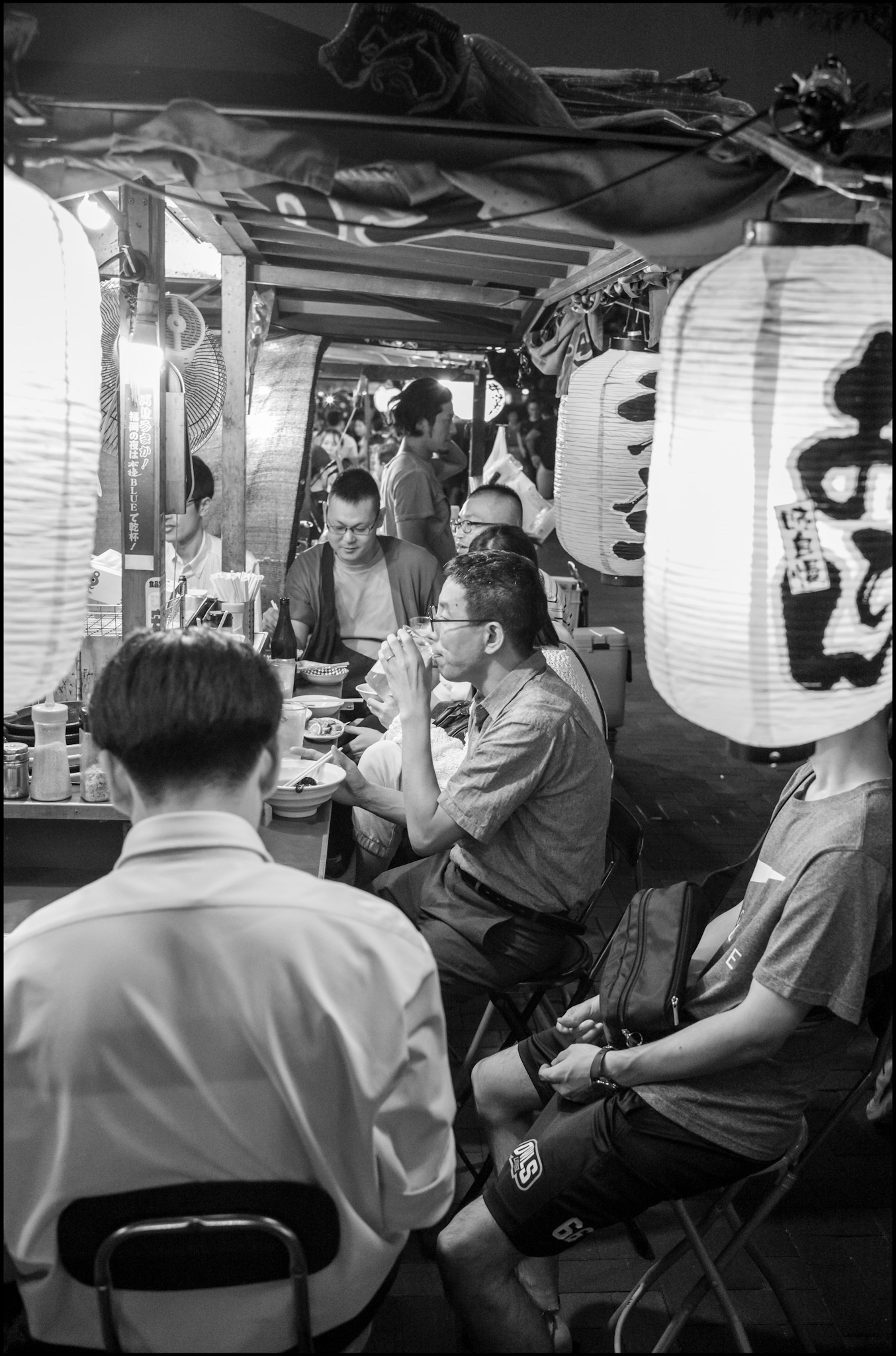
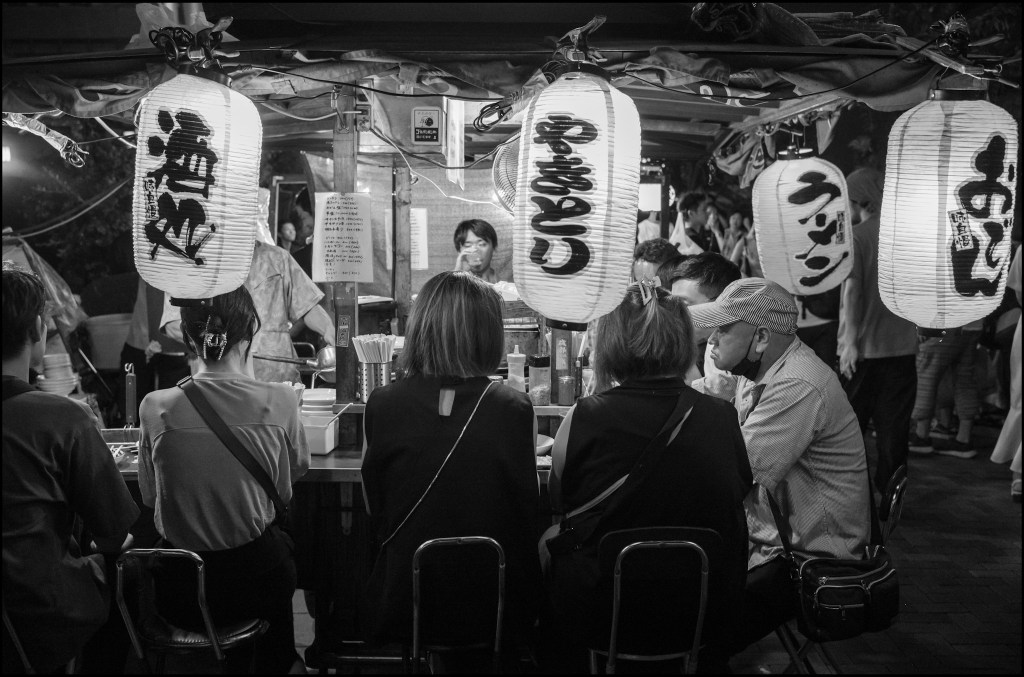
Modern Fukuoka is not just about history and scenic beauty. It’s a burgeoning hub of innovation and economic activity. The city’s growth in the tech and startup sectors has led many to dub it the “Silicon Island” of Japan. How we can even forget food? The city’s culinary scene is unmatched, particularly its famed Hakata ramen, where I can see people ready to queue hours in front of their favorite restaurants, or on the Yatai, the little street-food stalls mostly found by the river.
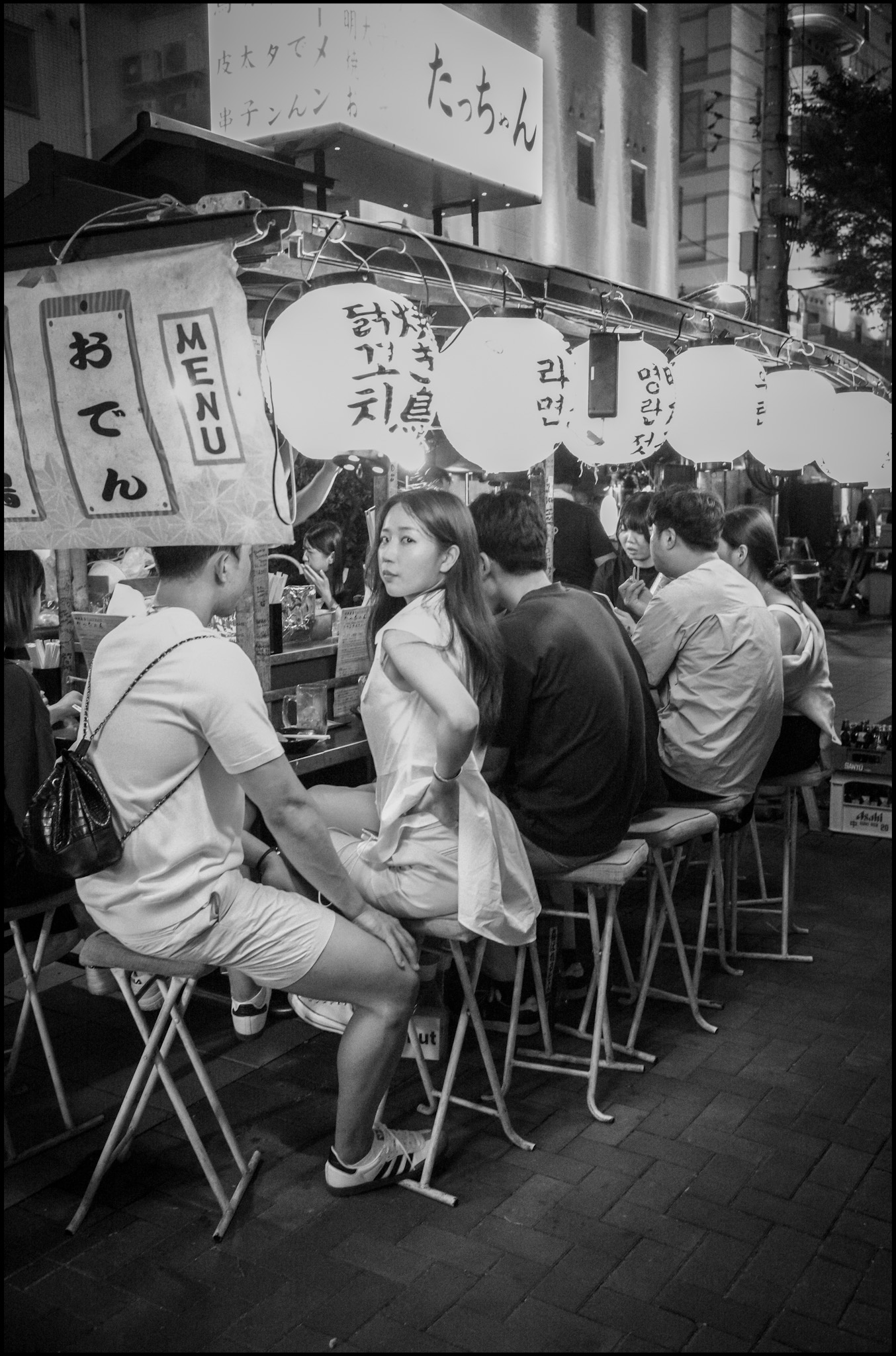
Food is really part of Japan culture, as I am becoming every day more aware.
The Country, an archipelago nestled in the Pacific, is renowned for its intricate and diverse culinary traditions. Food in Japan is not just a source of sustenance; it is an art, a cultural spectacle, and a sensory experience that evokes the nation’s deep-rooted history and its embrace of modernity.
Traditional Japanese cuisine, or ‘washoku’, is characterized by its harmonious balance. Staples such as rice and miso soup are accompanied by a variety of side dishes, often including fish, pickled vegetables, and vegetables. These ingredients are not merely chosen for taste but also for their seasonal relevance, ensuring that every meal is a reflection of the time of year. The concept of ‘shun’, or the peak seasonality of ingredients, is paramount in Japanese cooking. This emphasis on seasonality ensures that food is at its freshest and most flavorful.
Beyond the traditional, Japan boasts a plethora of dishes that showcase regional variations and historical influences. For instance, the hearty ‘ramen’ noodles, originally from China, have been embraced and localized in various regions of Japan, resulting in diverse flavors from the miso-based ramen of Hokkaido to the pork broth or ‘tonkotsu’ ramen of Kyushu. Similarly, dishes like ‘tempura’, influenced by Portuguese traders, have been incorporated seamlessly into Japanese menus.
Sushi, perhaps Japan’s most iconic dish, epitomizes the nation’s culinary finesse. This dish’s delicate balance of vinegared rice paired with fresh fish or vegetables showcases Japan’s appreciation for simplicity and purity in flavor. The experience of eating sushi, especially at a traditional ‘sushi-ya’, is also a testament to the Japanese emphasis on aesthetics and the ceremonial aspects of dining.
However, Japan’s food scene isn’t confined to its traditions. The nation is also at the forefront of culinary innovation, with Tokyo hosting more Michelin-starred restaurants than any other city in the world. From avant-garde fusion cuisines to the reinvention of classic dishes, Japan’s chefs constantly push boundaries.
Food in Japan is a journey that tells the story of its past, reflects its present, and hints at its future. It’s a narrative of tradition, innovation, and, above all, a profound respect for ingredients and the art of cooking.
Offering my contribution to the culinari experience, last night I had an amazing Yakitori, including but pork belly and vegetarian skewers, with the nice add-on of a counsel of beers.
Time to move on, and this morning I was on the Sakura Shinkansen, heading toward Hiroshima.

 the-quiet-report.com
Leave a comment