The A-Bomb Dome, also known as the Hiroshima Peace Memorial, stands as a haunting reminder of the devastation brought upon Hiroshima on August 6, 1945, when the first atomic bomb was dropped on a city. The skeletal ruins of this structure provide an unfiltered glimpse into the scale and magnitude of the destruction, capturing a moment in time that has reshaped global history.
Originally constructed in 1915 as the Hiroshima Prefectural Industrial Promotion Hall, the building was an iconic landmark in the city. Designed by Czech architect Jan Letzel, its European architectural style stood out, making it an elegant presence near the Aioi Bridge. Its close proximity to the bomb’s hypocenter meant it was almost directly below the explosion, yet while most buildings in the vicinity were obliterated instantly, a portion of the structure miraculously survived.
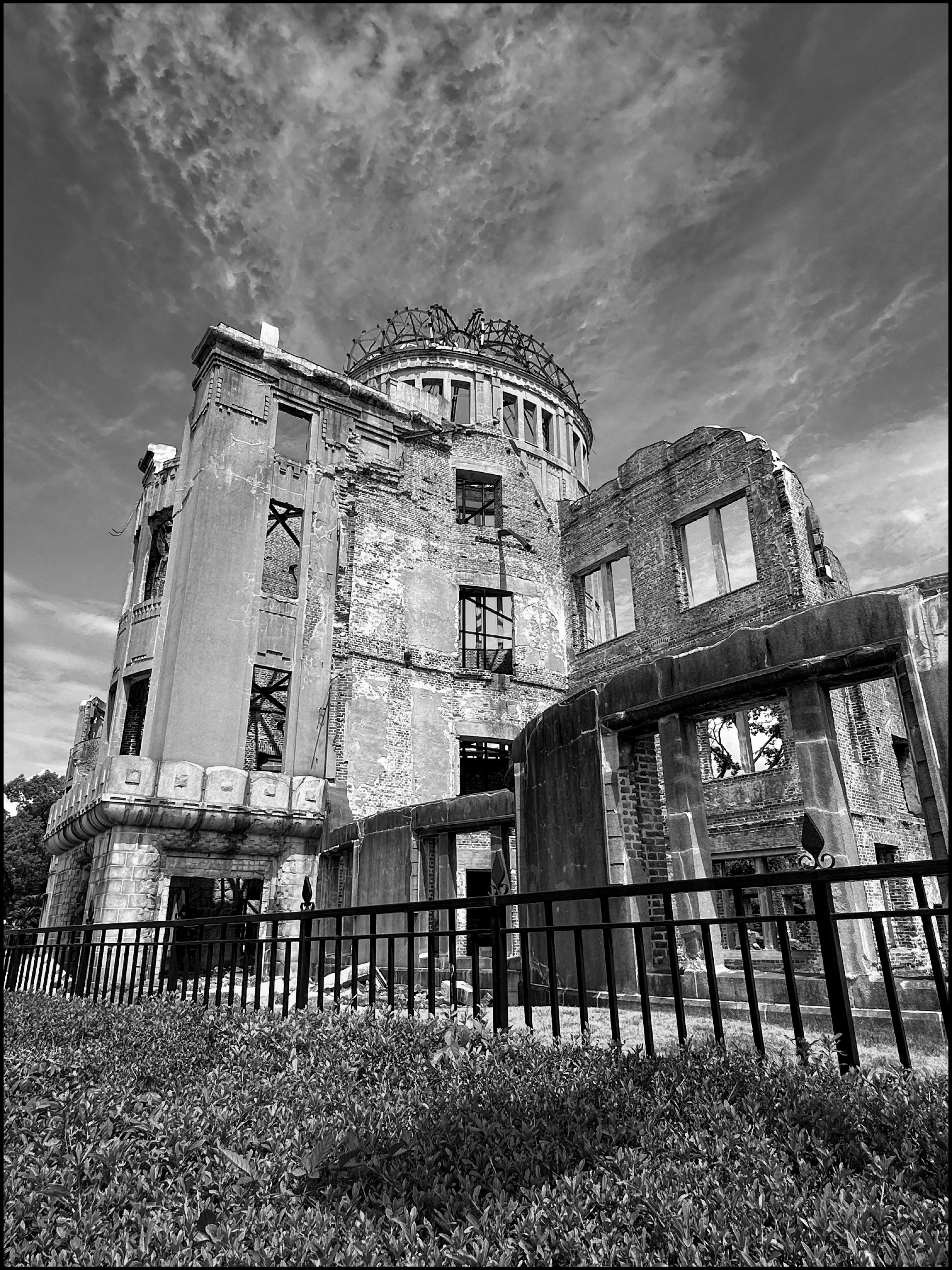
After the bombing, Hiroshima was left with a landscape of ruin and desolation. In the immediate aftermath, there were proposals to demolish the remains of the building, as it stood as a painful scar of the catastrophic event. However, as years passed, the citizens of Hiroshima, and subsequently the global community, began to recognize its symbolic importance. Instead of being a mere reminder of destruction, the A-Bomb Dome evolved into a poignant testament to the need for peace and the abolition of nuclear weapons.
In 1996, UNESCO designated the Hiroshima Peace Memorial as a World Heritage Site, emphasizing its significant role in conveying the message of lasting peace. Today, it is an integral part of the Hiroshima Peace Memorial Park, visited by millions from around the world. The A-Bomb Dome, in its preserved state of wreckage, silently implores the world never to repeat the tragedies of the past and to strive for a future devoid of nuclear conflict.
It stands not just as a memorial to the lives lost but as a beacon calling for global unity and peace.

 the-quiet-report.com
Leave a comment