Jigokudani is a landscape carved by nature’s fury: this is the first impression as I was walking into it earlier this afternoon.
Amidst the serene beauty of Japan’s Hokkaido region lies an anomaly – a landscape that seems to defy the lush, quiet charm typically associated with the island. Known as Jigokudani or “Hell Valley,” this geothermal wonder near Noboribetsu offers a stark contrast to its surroundings, a testament to nature’s volatile temperament.
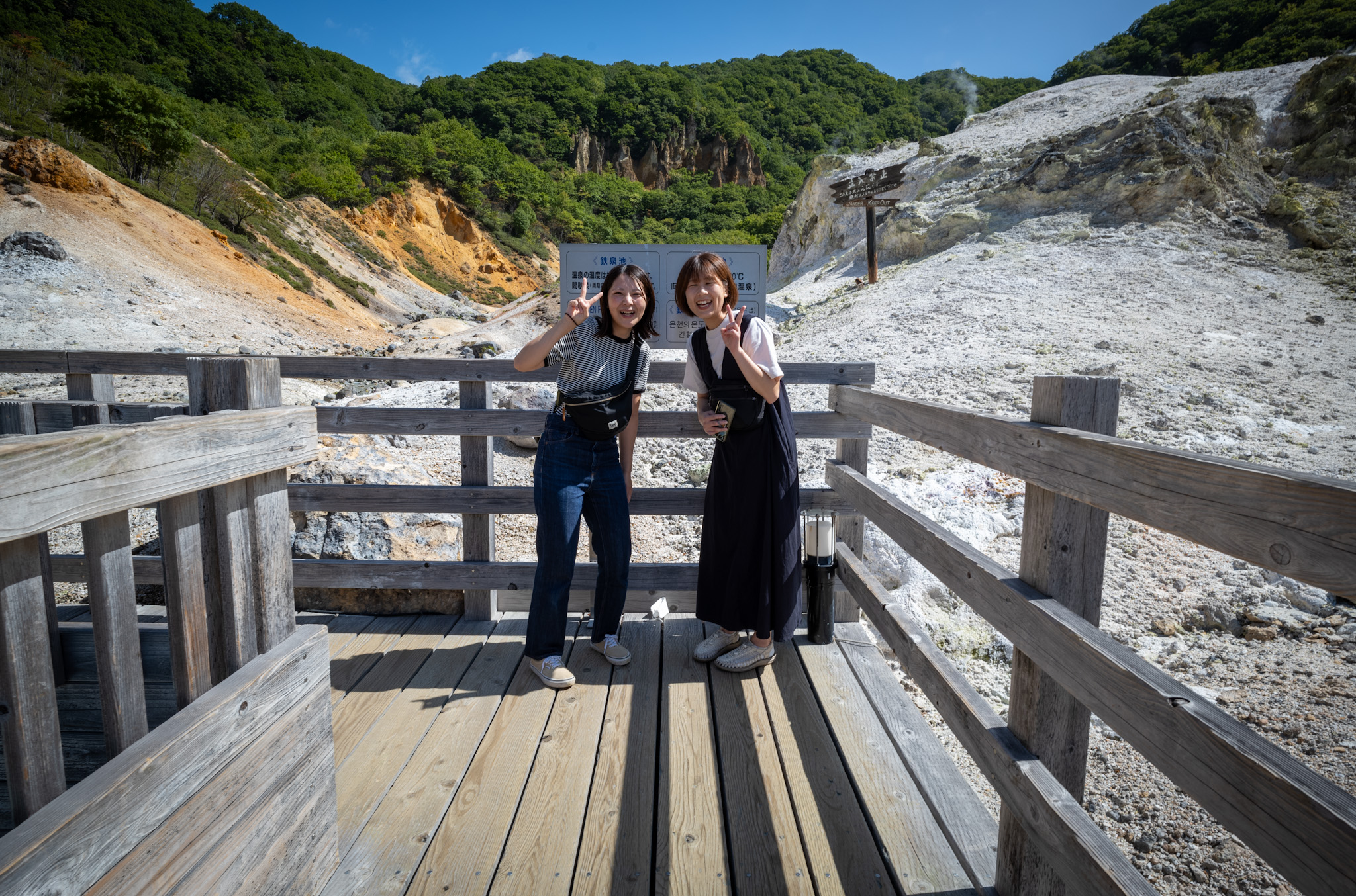
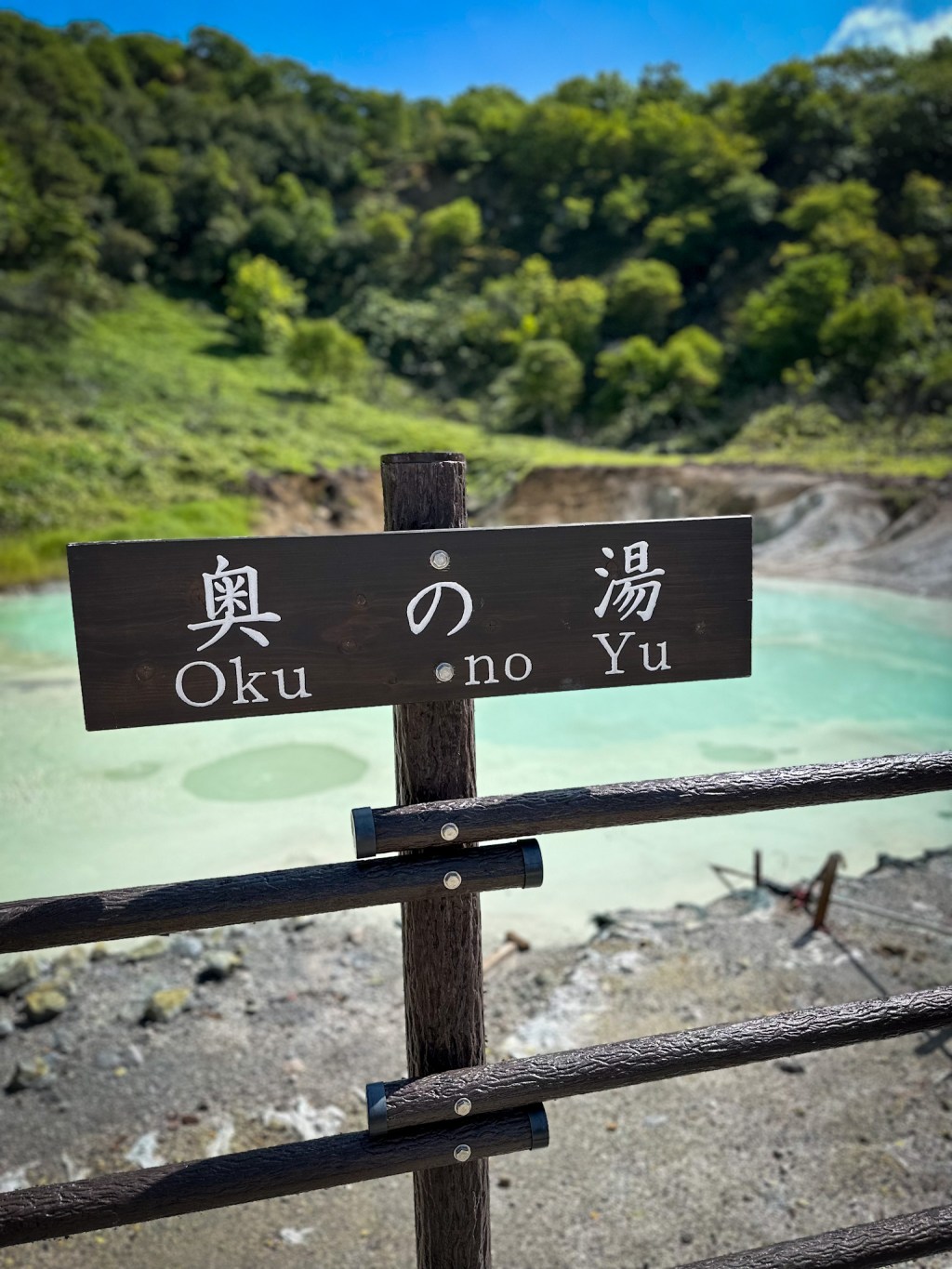
Jigokudani’s distinct topography is immediately arresting. Spanning an impressive expanse of approximately 24 acres, it’s a cauldron of rugged, rocky terrain, punctuated by boiling pools and steam vents, exuding sulfurous gases. This combination of steam, sulfur, and the eerie sounds of the earth exhaling lends the valley its hellish moniker. Yet, as ominous as the name might suggest, the area holds a particular allure that draws thousands of visitors each year.
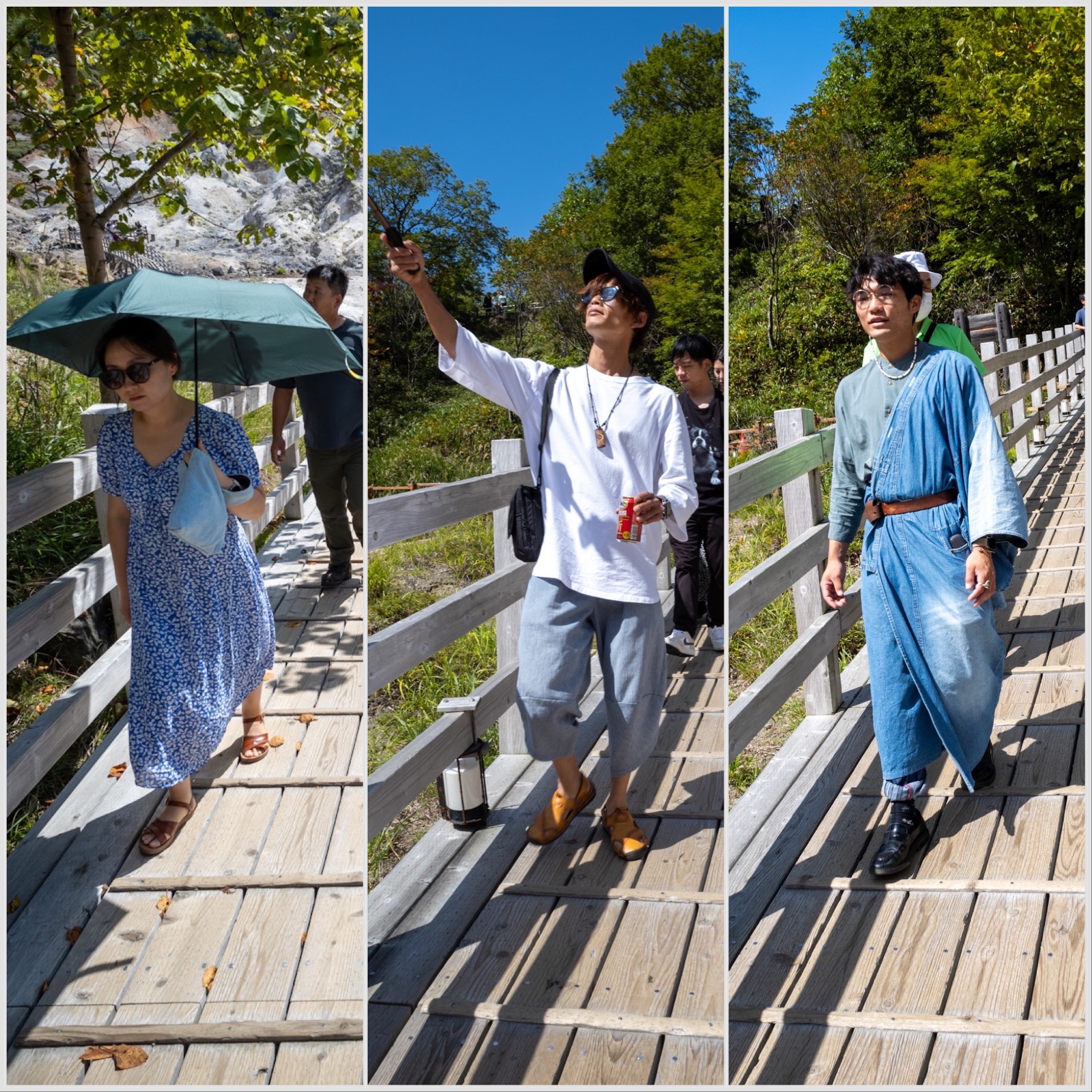
The origins of Jigokudani date back over 10,000 years, when the eruption of the nearby Mount Kuttara sculpted this dramatic scene. The ground, a canvas of various minerals and metals, displays an unexpected palette of colors. These hues, juxtaposed against the smoky white plumes of steam and the gray, barren landscape, are a photographer’s dream, offering moments of beauty in the midst of apparent desolation.
While its appearance is certainly striking, it is the valley’s contribution to the adjacent Noboribetsu Onsen that adds another layer to its significance. Jigokudani is the primary source of the hot spring waters that feed this renowned resort. Rich in minerals, these waters are believed to have a range of therapeutic benefits, from alleviating skin conditions to easing muscle aches. Noboribetsu Onsen, benefiting from this natural bounty, has blossomed into one of Japan’s most esteemed hot spring destinations, dotted with ryokans and hotels where visitors can immerse themselves in the region’s healing waters.
Beyond the physical and therapeutic allure of Jigokudani, there’s a cultural and spiritual dimension that enriches its narrative. The valley and its hot springs are protected by the deity Yukijin, whose annual celebration during the Noboribetsu Onsen Taisai festival sees rituals intended to ward off evil and ensure the continued blessing of the springs.
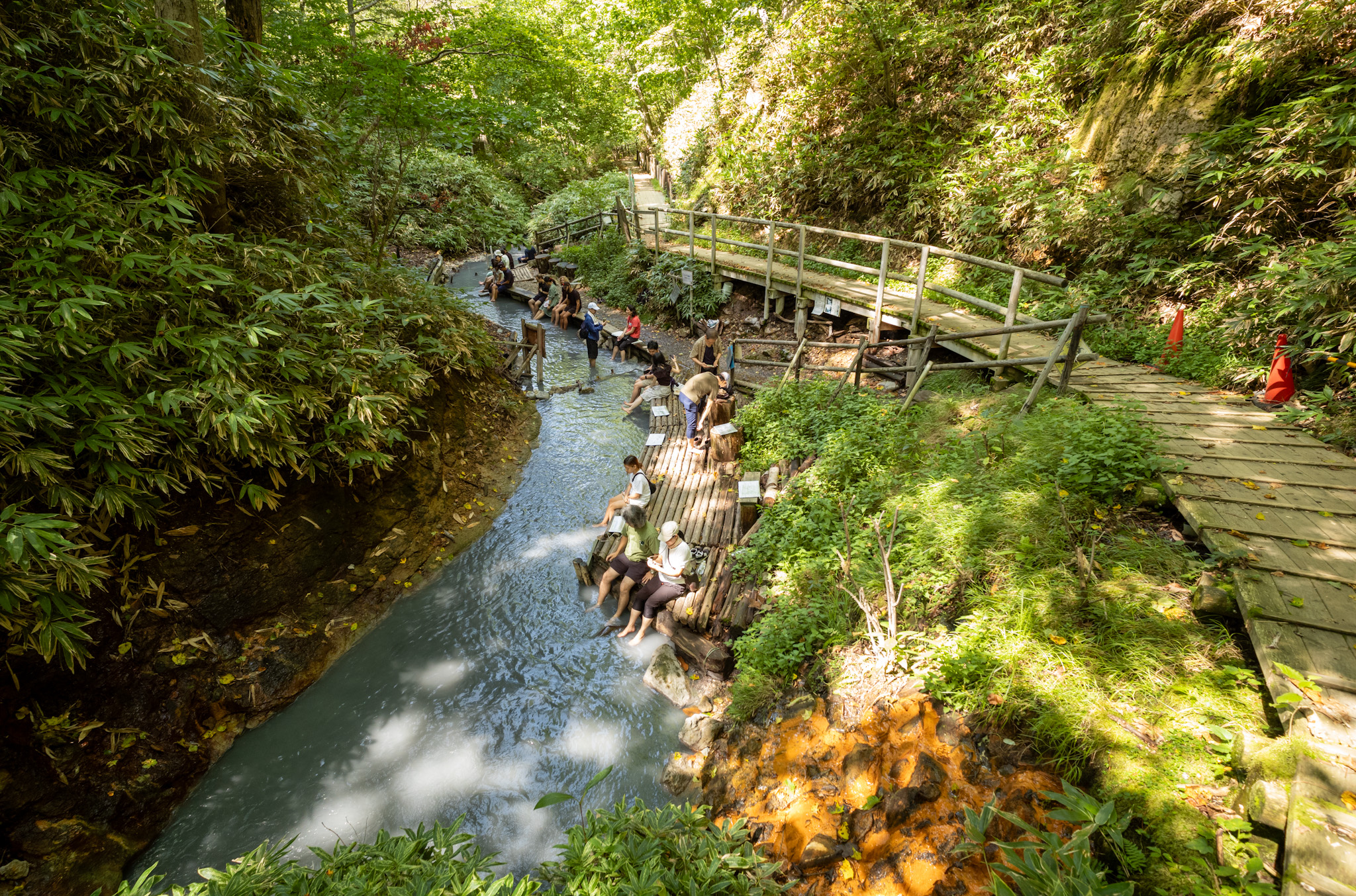
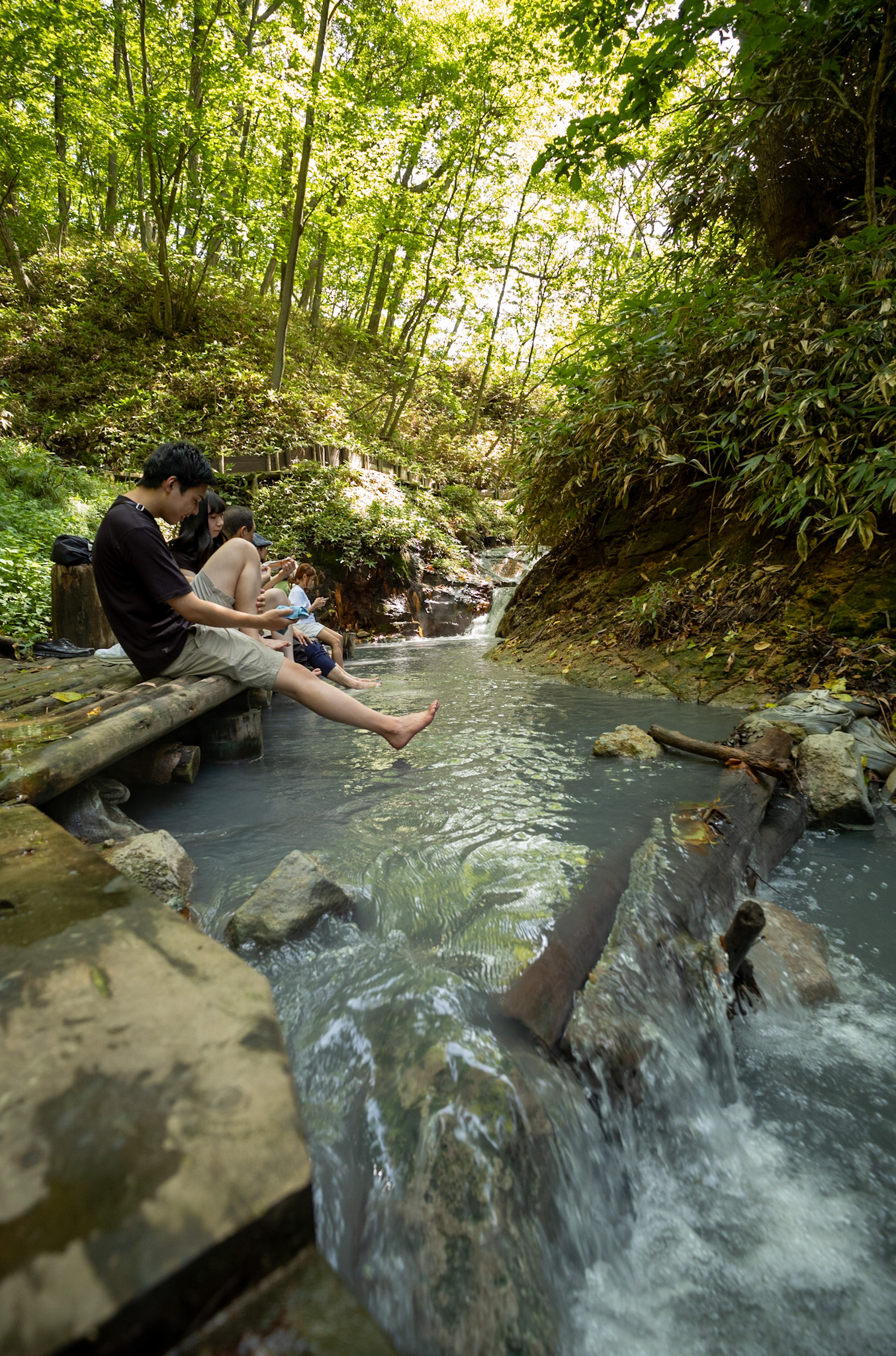
For the more adventurous, alike myself, Jigokudani offers walking trails, allowing visitors to navigate its intriguing terrains. These paths lead to other geothermal marvels, such as the boiling Daichi-no-ike Pond and the sultry Oyunuma Pond. You can ask how I feel after 1 hour of that intending semi-exercise in the smell of rotten eggs: I may not use kind words, while struggling to breath.
Jigokudani stands as a powerful symbol of nature’s dual character – its ability to both create and destroy, to intimidate and to nurture, alpha and omega. It serves as a poignant reminder of the earth’s dynamic forces and the delicate balance that defines our world.
After a day driving father north, tonight I am sleeping again on a tatami, after a few cups of sake, but this will be another story.

 the-quiet-report.com
Leave a comment